← Back to Blog
Local Living
What is it actually like to live in the Mill Creek Town Center neighborhood day to day
By Agnes AUSTRIA
Pellego
September 27, 2026 · 9 min read
What is it actually like to live in the Mill Creek Town Center neighborhood day to day? The honest answer is that it feels like a small town that forgot to be inconvenient. This guide walks through the real texture of daily life there: the morning coffee run, the evening walk, the Friday night dinner, and what it takes to get to work.
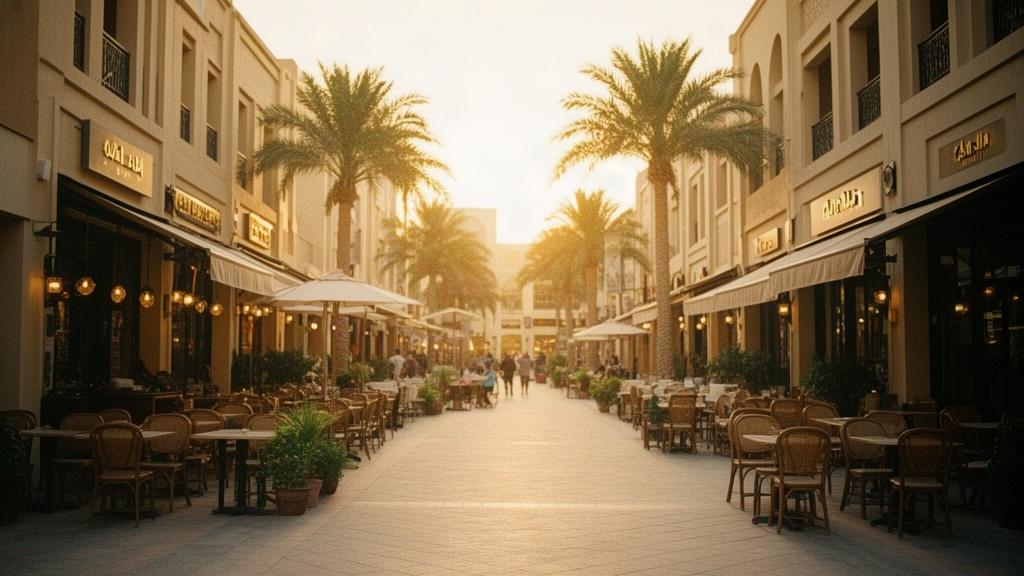
1. The Layout of Mill Creek Town Center and How It Shapes Your Routine
Mill Creek Town Center is a planned mixed-use district sitting at the heart of the city, anchored along 164th Street SE near Bothell-Everett Highway. It was designed from the ground up so that residents could walk from their front door to a restaurant, a pharmacy, or a trail without getting in a car. That design actually holds up in daily use, which is not something every planned community can say.
What Town Center Actually Is
Town Center is not a mall and not a strip center. It is a grid of streets lined with retail storefronts, restaurants, and service businesses, with residential units stacked above some of them and townhomes and single-family homes on the blocks just behind. The Bothell-Everett Highway runs along the eastern edge, but the interior streets are calm enough that strollers and dogs are a constant presence on weekend mornings.
The city of Mill Creek covers about 4.7 square miles total, and Town Center sits roughly in the geographic middle of that footprint. That means residents in most parts of the city are within a five-minute drive of the core, and those who live in the immediate Town Center blocks can handle most daily tasks on foot.
Walking Distance in Practice
If you live in one of the townhomes or condos within a few blocks of the Town Center core, your walkable radius includes a full-service grocery store, multiple coffee shops, a handful of sit-down restaurants, a pharmacy, a bank, a nail salon, a yoga studio, and a hair salon. That list covers the majority of weekly errands for most households. For a deeper look at how the walkable layout plays out across different parts of the city, this Mill Creek Town Center lifestyle guide covers the pedestrian experience in useful detail.
2. Errands, Groceries, and Day-to-Day Shopping
Day-to-day errands in the Mill Creek Town Center neighborhood are genuinely low-friction. The grocery situation alone sets this area apart from many suburban pockets in Snohomish County, where a grocery run can mean a ten-minute drive each way before you even park.
Grocery Options Right There
Town Center has a full Haggen grocery store within the district itself, stocked with a broad produce section, a deli counter, a bakery, and a pharmacy counter inside. For residents who prefer a larger format store, a Fred Meyer is located on Bothell-Everett Highway less than two miles north, and a Trader Joe's sits in the Canyon Park area of Bothell, roughly a ten-minute drive south. Costco in Lynnwood is about twelve miles west via SR-527 and I-405, which takes roughly fifteen to twenty minutes depending on traffic.
Pharmacy, Banking, and Services
The Town Center district includes a Rite Aid pharmacy, a UPS Store, multiple bank branches, a dental office, a physical therapy clinic, and a veterinary practice. These are not scattered across a highway corridor; they are within a walkable cluster. For residents who work from home or have irregular schedules, the ability to run a mid-morning errand on foot and be back at a desk within thirty minutes is a meaningful quality-of-life detail.
If you are weighing this neighborhood against others in the area, the Homes for Sale in Mill Creek, WA Buyer's Guide breaks down different pockets of the city and what each one offers in terms of proximity to services.
3. Dining and Coffee: What You Can Walk To
The restaurant and coffee scene in Mill Creek Town Center punches above its weight for a city of about 22,000 people. You are not looking at a chain-heavy strip; there is a genuine mix of independent spots and regional names that give the district some personality.
Sit-Down Restaurants
Within Town Center you will find options covering American comfort food, Thai, Mexican, Italian, sushi, and pizza, with several spots that do a brisk Friday and Saturday dinner business. McMenamins Anderson School in Bothell is about eight miles south and draws residents for special occasions, but for a weeknight dinner that does not require a car, Town Center covers the need. The Mill Creek Bar and Grill has been a neighborhood anchor for years and draws a regular crowd for weekend lunches.
Coffee and Quick Bites
There are multiple coffee options within the Town Center footprint, including a Starbucks drive-through on the Bothell-Everett Highway edge and at least two independent or regional coffee shops inside the walkable core. On weekday mornings the coffee shops fill with a mix of remote workers, parents returning from school drop-off, and people heading into the office. The foot traffic gives Town Center a neighborhood pulse that purely residential suburbs often lack.
4. Parks, Trails, and Getting Outside
Outdoor access is one of the most consistent things residents mention when describing what daily life in Mill Creek Town Center feels like. The city has over 25 miles of trails woven through its neighborhoods, and several of those trails connect directly to or through the Town Center area.
Mill Creek Trail System
The Mill Creek Trail runs through a forested greenbelt corridor that cuts across the city, and segments of it pass within a short walk of the Town Center district. The trail surface is paved in most sections and wide enough for side-by-side walkers, cyclists, and runners. On weekday mornings you will see a steady stream of people using it before work, and on weekend afternoons it gets busy enough that you will want to keep to the right. The trail connects to Terrace Creek Park and several smaller neighborhood parks along its route.
Terrace Creek Park sits just north of the Town Center core and includes open lawn space, a playground structure, a picnic shelter, and restrooms. It is one of the more used parks in the city precisely because of its proximity to the dense residential blocks around Town Center.
Sport Hill Park and Nearby Green Space
Sport Hill Park, located on the south end of the city near 132nd Street SE, is the largest athletic facility in Mill Creek and includes lighted soccer fields, baseball diamonds, a skate park, a disc golf course, and a fitness circuit. It is about a ten-minute drive from Town Center or reachable by trail for those who prefer to bike. The city also maintains Cougar Park and Heatherwood Park within easy reach of the Town Center neighborhood, both of which offer quieter, wooded settings.
For anyone relocating from a more urban area, the combination of walkable retail and immediate trail access is one of the most distinctive things about the Mill Creek Town Center neighborhood compared to other Snohomish County cities at a similar price point.
5. Commuting from Mill Creek Town Center
Commute times from Mill Creek Town Center vary significantly depending on destination and time of day, and being realistic about this is important before buying. Mill Creek sits in the SR-527 and I-405 corridor, which means access to both the Eastside and Seattle is possible, but peak-hour traffic on those routes is real.
Driving Times to Major Employers
From Mill Creek Town Center, the drive to downtown Bellevue via I-405 South runs roughly 30 to 45 minutes in morning rush hour, depending on where exactly on the 405 the congestion stacks. Redmond and the Microsoft campus area sit about 35 to 50 minutes south. Bothell, which has become a significant employment hub with companies like Philips and several biotech firms along Canyon Park, is only 8 to 12 minutes south on SR-527 with minimal traffic. Downtown Seattle is approximately 25 miles southwest and takes 40 to 60 minutes by car during peak periods via I-405 to I-5.
Paine Field and the Boeing Everett facility are roughly 10 to 15 miles north, making Mill Creek Town Center a practical base for employees in that sector. Everett itself is about 14 miles north via SR-527 to US-2 or I-5, typically a 20-minute drive outside of peak hours.
Transit and Carpool Options
Community Transit operates routes through Mill Creek with connections to Lynnwood Transit Center, where riders can connect to Sound Transit's Link light rail for service into Seattle. The Lynnwood City Center Station opened in 2024 and has made the transit option meaningfully more practical for Seattle-bound commuters. The drive to Lynnwood Transit Center from Town Center is about 15 minutes, and park-and-ride capacity there has expanded to support the added ridership.
Mill Creek does not have its own light rail station, and the city's street grid is oriented around cars. Most residents who commute by transit use a combination of driving to a park-and-ride and then riding rail or express bus. For anyone who will be commuting daily, it is worth doing a test drive at 7:30 a.m. on a Tuesday before making a purchase decision.
6. Housing Right Around Town Center
The housing stock immediately surrounding Mill Creek Town Center is more varied than many buyers expect. It is not all townhomes and condos; there are established single-family neighborhoods within a few blocks of the retail core, some of which date to the 1980s and 1990s when the city was first incorporated.
What the Homes Look Like
Closest to the Town Center retail district you will find attached townhomes and a smaller number of condos above commercial space, typically built in the 2000s and 2010s as the Town Center concept was developed. These units generally run between 1,200 and 1,800 square feet on two or three levels, with attached garages and small private outdoor spaces. One to two blocks further out, the density drops and the homes become detached single-family houses on lots ranging from 5,000 to 8,000 square feet, with traditional Pacific Northwest architecture: shake siding, pitched roofs, and mature landscaping.
Many of the single-family homes in the blocks surrounding Town Center back up to or are within a short walk of the trail system, which adds a practical outdoor element to the standard suburban lot. Homes here tend to be well maintained; the Mill Creek Community Association, which covers much of the city, sets and enforces exterior standards that keep the neighborhoods looking consistent.
Price Context for This Area
As of September 2026, townhomes in and immediately around the Town Center district are generally trading in the high $500,000s to low $700,000s depending on size, finishes, and how close they sit to the retail core. Detached single-family homes within a five-minute walk of Town Center typically start around $750,000 and move into the $900,000s for larger or updated properties. For a broader look at what prices are doing across the city right now, the average home price guide for Mill Creek in September 2026 gives a current market snapshot with more detail.
Inventory near Town Center moves relatively quickly compared to the broader Snohomish County market because the walkability factor appeals to a specific buyer who is actively looking for it. Homes that sit directly on or adjacent to the trail system also tend to attract multiple offers when priced competitively. If this pocket is on your list, having a pre-approval in hand before you tour is a practical necessity rather than a formality.
For a broader picture of the Mill Creek lifestyle beyond just Town Center, Washington Today's Mill Creek neighborhood guide covers the city's different residential areas and what each one offers in terms of character and amenities.
FAQ
Is Mill Creek Town Center walkable enough to live without a car?
For daily errands, coffee, dining, and trail access, residents who live within two blocks of the Town Center core can genuinely go car-free for most of the week. The Haggen grocery store, pharmacy, coffee shops, and restaurants are all within a ten-minute walk of the nearest townhomes. That said, Mill Creek as a whole is a car-oriented city, and commuting to Bellevue, Seattle, or Everett by transit requires driving to a park-and-ride first. If you work locally in Bothell or from home, the walkability of Town Center is a real daily benefit; if you commute far by car, you will still need one.
How does day-to-day life in Mill Creek Town Center compare to living in other parts of Mill Creek?
The Town Center area is the most walkable part of Mill Creek, with retail, dining, and trail access concentrated within a small footprint. Other residential areas of Mill Creek, such as the neighborhoods along 35th Avenue SE or near Cougar Park, are quieter and more purely residential, with larger lots and more separation from commercial activity. Those areas are typically a five-minute drive to Town Center rather than a walk. The trade-off is lot size and privacy versus walkable convenience. Which configuration fits your household is a personal question worth thinking through before you start touring, and Agnes Austria can walk you through the specific trade-offs for properties in each area.
What schools serve the Mill Creek Town Center neighborhood?
The Mill Creek Town Center area is served by the Everett School District. School assignments depend on your specific address, and boundaries can change. The Everett School District website at everettsd.org provides boundary maps and contact information for enrollment questions. Agnes Austria can confirm which schools serve a specific property address once you have identified homes you are interested in.