← Back to Blog
Market Trends
The Mill Creek Town Center area real estate market guide: prices, neighborhoods and timing
By Agnes AUSTRIA
Pellego
September 29, 2026 · 10 min read
If you are researching the Mill Creek Town Center area real estate market guide covering prices, neighborhoods and timing, this article gives you the concrete numbers and local context you need to make a confident decision. Mill Creek sits at the southern edge of Snohomish County, roughly three miles north of Bothell along SR-527, and its Town Center corridor has become one of the most actively traded pockets of the greater Bothell market. Whether you are buying, selling, or relocating, here is what the market looks like right now in September 2026.
1. What Makes the Mill Creek Town Center Area Distinct
Mill Creek Town Center is a walkable mixed-use district that sits at the heart of the city of Mill Creek, Washington. It is anchored by a pedestrian-oriented main street with retail, restaurants, a cinema, a library, and a community park, all within a few blocks of one another. That concentration of everyday amenities within walking distance of residential streets is relatively uncommon in the broader Bothell and Snohomish County landscape, where most neighborhoods rely on car trips for errands.
The Town Center Layout and Housing Mix
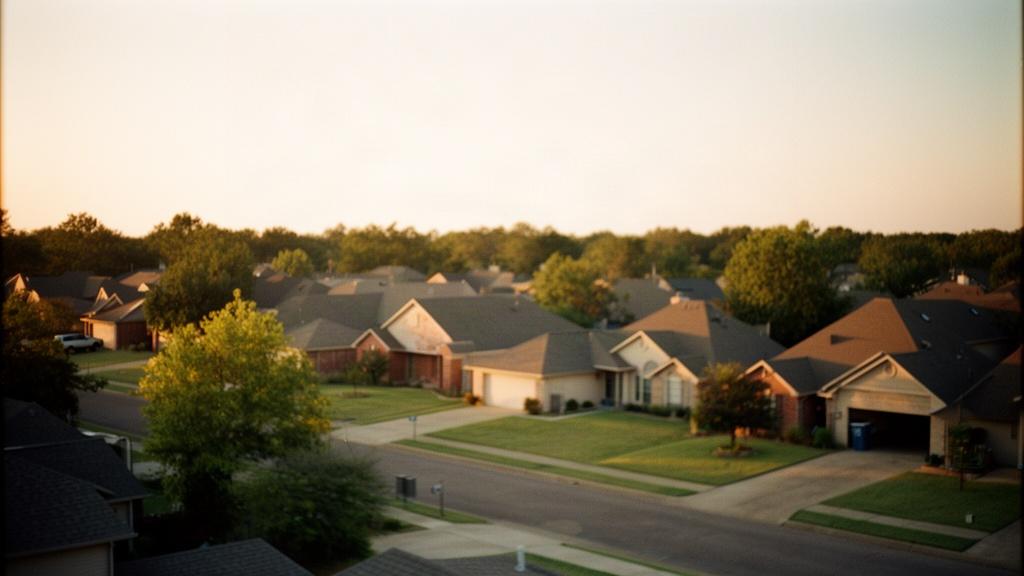
The housing stock immediately surrounding Town Center is a mix of attached townhomes, stacked condos above retail, and newer single-family homes on compact lots. Move a half mile outward in any direction and the density drops into traditional suburban subdivisions: larger lots, detached two-story homes, many built between the late 1980s and early 2000s. The contrast between these two zones is sharp enough that buyers often have to decide upfront which lifestyle they are optimizing for, walkable convenience near Town Center or more square footage and yard space in the surrounding subdivisions.
Proximity to Bothell and Key Corridors
Mill Creek borders Bothell to the south along SR-527 (Bothell-Everett Highway), and the two cities share a seamless commercial corridor. Buyers who work in Bothell's Canyon Park tech corridor, which includes major employers like Philips North America and Premera Blue Cross, can reach their offices in under ten minutes from most Mill Creek addresses. Interstate 5 is accessible via 164th Street SW, and SR-9 provides a northern route toward Snohomish and Marysville. For a detailed look at commute times toward Seattle, see our article on commuting from Mill Creek to downtown Seattle during morning rush hour.
2. Current Prices in the Mill Creek Town Center Real Estate Market
As of September 2026, the median sold price for all residential properties in Mill Creek sits in the upper $700,000s, with single-family detached homes pulling the median higher than attached product. That figure represents a modest year-over-year increase from September 2025, driven largely by constrained inventory rather than a surge in demand. You can track the latest sold data through sources like Redfin's Mill Creek housing market page, which updates weekly with median price, price per square foot, and days on market.
Median and Average Price Points as of September 2026
Breaking it down by segment gives a clearer picture of what your budget actually buys in this market. Attached townhomes and condos near the Town Center core have been trading in the $450,000 to $620,000 range, depending on square footage, floor level, and whether the unit includes a garage. Detached single-family homes in the subdivisions surrounding Town Center, neighborhoods like Vintage Creek, Silver Firs, and The Highlands, have been trading from roughly $700,000 for a three-bedroom home on a standard lot up to $1.1 million or more for larger homes with updated kitchens and finished basements. For a deeper look at how those numbers break down, our article on the average home price in Mill Creek for September 2026 covers the data by bedroom count and property type.
Price Variation by Property Type
Price per square foot is the most useful comparison tool when you are weighing different property types against each other. In September 2026, attached product near Town Center has been selling at roughly $330 to $380 per square foot, reflecting the premium buyers pay for location and walkability. Detached homes in the surrounding subdivisions have been trading at approximately $290 to $340 per square foot, with newer construction or recently renovated homes at the higher end of that band. Homes backing to the Mill Creek greenbelt trail system or with views of the forested ridge to the east have commanded an additional premium of roughly five to eight percent over comparable homes without those features.
Long-term appreciation data from NeighborhoodScout's Mill Creek real estate trends page shows that Mill Creek has historically appreciated at a rate above the national average, though past performance does not guarantee future results. Buyers evaluating this market should weigh current carrying costs against their own timeline rather than relying solely on appreciation projections.
3. Neighborhood Breakdown: What You Actually Get at Each Price Point
The Mill Creek Town Center area is not a single neighborhood; it is a collection of distinct pockets with different housing stock, lot sizes, ages, and HOA structures. Understanding those differences before you start touring homes saves time and prevents the frustration of falling in love with a price point that does not match the product you actually want.
Attached Townhomes and Condos Near Town Center
The blocks immediately adjacent to Mill Creek Town Center hold a concentration of attached housing built primarily between 2000 and 2018. These units typically run 1,000 to 1,800 square feet, with two or three bedrooms, an attached one or two-car garage, and small private patios or balconies. Most are governed by HOAs that cover exterior maintenance, landscaping, and in some cases water and sewer. HOA dues in this zone have generally ranged from $300 to $550 per month in 2026, though the range varies by complex age and what the association covers. For a full breakdown of what those fees include, our article on HOA fees in Mill Creek is worth reading before you budget.
The walkability of this zone is a genuine differentiator. Residents can walk to Haggen grocery, the Mill Creek Library, several coffee shops, and the Town Center park without getting in a car. The Interurban Trail, a paved multi-use path that runs along a former rail corridor, connects directly into this area and extends south toward Bothell and north toward Everett, making it a practical option for cyclists and pedestrians.
Single-Family Homes in the Surrounding Subdivisions
The subdivisions ringing Town Center, including Vintage Creek, Silver Firs, The Highlands, and Mill Creek Country Club, offer detached homes on lots ranging from roughly 4,500 to 10,000 square feet. Most of the housing stock in these neighborhoods was built between 1988 and 2005, with a two-story traditional floor plan, three to five bedrooms, and an attached two-car garage as the dominant configuration. Homes in Silver Firs tend to sit on slightly larger lots and were built a bit later, with more of the 1995 to 2005 vintage. The Highlands and Mill Creek Country Club areas include some larger custom homes on wooded lots, with more architectural variety and higher price ceilings.
New construction is also active in the broader Mill Creek area in 2026. Several infill townhome projects are underway near the Town Center core, and a handful of single-family subdivisions are adding inventory on the northern and eastern edges of the city. Our article on new housing developments and construction projects in Mill Creek in 2026 covers the active projects with addresses and estimated completion timelines.
4. Market Timing: When to Buy or Sell in the Mill Creek Area
Timing in the Mill Creek Town Center area real estate market follows a recognizable seasonal rhythm, but the degree of competition shifts meaningfully from one quarter to the next. Knowing where you are in that cycle helps you calibrate your offer strategy as a buyer, or your pricing and preparation timeline as a seller.
Seasonal Patterns That Shape Inventory
The spring selling season, running from late February through June, consistently produces the highest volume of new listings and the most competitive offer situations in Mill Creek. Well-priced homes in the $700,000 to $850,000 range have routinely attracted multiple offers during that window, with accepted prices landing three to six percent above list. The summer months of July and August see continued activity but slightly lower intensity as some buyers pause for vacations. By September and October, a second wave of motivated buyers enters the market, often people who missed spring and need to be settled before the school year is fully underway, though inventory also begins to contract as sellers who did not close over summer take their homes off the market.
November through January is historically the quietest period for new listings in Mill Creek. Fewer homes come to market, but the buyers who are active during that window tend to be highly motivated, which can create opportunities for sellers willing to list during the off-season. Buyers who shop in winter often face less competition and have more room to negotiate on price and terms, though they are working with a thinner selection of available homes.
What September 2026 Conditions Mean for Your Decision
Right now in September 2026, the Mill Creek market is in a transitional moment between the active summer and the quieter fall. Inventory has ticked up slightly compared to the spring peak, which gives buyers a bit more selection and slightly more negotiating room on homes that have been sitting for more than two weeks. Days on market for well-priced homes is still relatively short, but overpriced listings are sitting longer than they did in the spring. For a precise look at how long homes are sitting before going under contract right now, see our article on days on market in Mill Creek this month.
Sellers who price accurately and present their homes well are still achieving strong results in September 2026. The window of peak buyer activity has not fully closed, and motivated buyers who lost out on spring homes are still in the market. Sellers who overprice relative to recent comparables are finding that the market corrects them quickly through price reductions, which can signal weakness to subsequent buyers. For a full read on whether conditions currently favor buyers or sellers, our article on the Mill Creek housing market: buyers vs. sellers in September 2026 covers the balance of power in detail.
5. Practical Considerations Before You Act
The purchase price is only one number in the total cost of owning in Mill Creek. Property taxes, HOA dues, and commute costs all factor into whether a specific home works for your budget and lifestyle over the long term.
Property Taxes, HOA Fees, and Carrying Costs
Mill Creek sits within Snohomish County, and property tax rates here reflect the county's levy structure plus city and school district levies. On a home assessed at $800,000, annual property taxes in Mill Creek have generally landed in the $7,500 to $9,000 range depending on the specific levies attached to that parcel. Washington State does not have a state income tax, which is a factor some relocating buyers weigh against the property tax load. Our article on property taxes in Mill Creek and how they are calculated walks through the formula in plain terms.
HOA fees vary significantly depending on whether you are buying attached or detached product. Many of the detached subdivisions surrounding Town Center have HOAs with dues in the $50 to $150 per month range, covering common area maintenance and trail upkeep. Attached townhome and condo complexes carry higher dues, typically $300 to $550 per month, because the association is responsible for building exteriors, roofs, and sometimes water and sewer. Before making an offer on any property in this area, request the HOA financial statements and reserve fund study to confirm the association is adequately funded.
Commute, Schools, and Due Diligence Resources
Mill Creek is served by two school districts depending on where exactly the home sits within city limits: the Everett School District covers most of the city, while a portion of the southwestern corner falls within the Mukilteo School District. Because district assignment affects which schools a child attends, buyers with school-age children should verify the specific district for any address they are considering. The Washington State Office of Superintendent of Public Instruction (OSPI) maintains enrollment and performance data for every district and school, and each district's own website publishes boundary maps. Our article on elementary and middle schools serving Mill Creek in the Everett and Mukilteo school districts covers the boundary details and links to official resources.
For buyers relocating from outside the area, the Mill Creek Town Center corridor offers a genuinely walkable daily environment by Snohomish County standards. The Town Center park hosts a farmers market on summer weekends, and the surrounding trail network connects to several miles of forested paths through the Mill Creek greenbelt. The Interurban Trail provides a paved off-road connection south to Bothell and the Burke-Gilman Trail system. For a ground-level sense of what daily life in this neighborhood actually looks and feels like, our article on daily life in the Mill Creek Town Center neighborhood covers the practical details from a resident's perspective.
FAQ
What is the typical price range for homes near Mill Creek Town Center in September 2026?
Attached townhomes and condos in the blocks immediately surrounding Town Center have been trading in the $450,000 to $620,000 range as of September 2026. Detached single-family homes in the surrounding subdivisions like Vintage Creek, Silver Firs, and The Highlands have been selling from roughly $700,000 for a standard three-bedroom home up to $1.1 million or more for larger, updated properties. Price per square foot for attached product has generally run $330 to $380, while detached homes have been closer to $290 to $340 per square foot. Homes with greenbelt trail access or forested views have commanded a premium of approximately five to eight percent over comparable homes without those features.
Is now a good time to buy in the Mill Creek Town Center area?
September 2026 represents a transitional moment in the Mill Creek market, sitting between the intense spring selling season and the quieter fall and winter period. Inventory has edged up slightly from the spring peak, giving buyers a bit more selection and modest negotiating room on homes that have been listed for more than two weeks. Well-priced homes are still moving relatively quickly, so buyers who are pre-approved and prepared to act can find good opportunities without the extreme competition that defined the spring market. The best approach is to track active listings closely and work with a local agent who monitors new inventory daily, since the most desirable homes in this area still attract multiple offers when priced correctly.
Which school district serves the Mill Creek Town Center area?
Most of Mill Creek falls within the Everett School District, but a portion of the southwestern corner of the city is served by the Mukilteo School District instead. Because the boundary runs through the city rather than around its perimeter, the district assignment for a specific address is not always obvious from the neighborhood name alone. Buyers with school-age children should verify the district for any specific address before making an offer, using the boundary maps published on each district's official website or the Washington State OSPI database. Agnes Austria can help you confirm district assignment for any property you are considering in the Mill Creek and Bothell area.