
← Back to Blog
Market Trends
Mérida, Mexico Real Estate Market Guide: Prices, Neighborhoods and Timing
By Aldo Chavez
September 3, 2026 · 10 min read
This Mérida, Mexico real estate market guide covers what buyers, sellers, and people relocating need to know right now: current price ranges by neighborhood, how the market has shifted through 2026, and the timing factors that actually affect your outcome. Whether you are buying your first home in the Centro Histórico or selling a property in the northern corridor, the numbers and local context here will help you make a better decision.
1. How the Mérida Market Stands Right Now
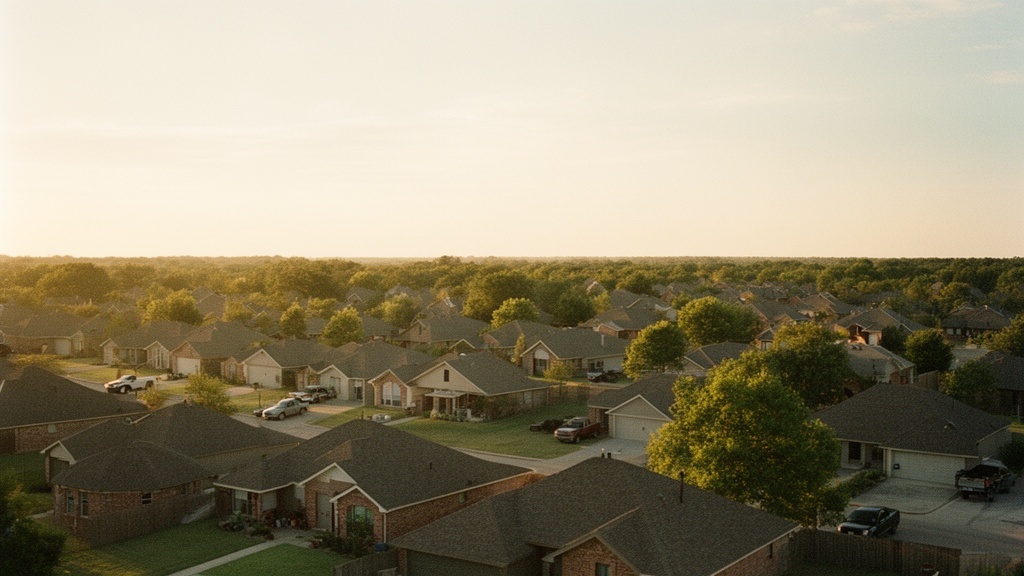
Mérida's property market is one of the most active in Mexico right now. Median asking prices across the city have risen steadily through 2026, continuing the trajectory that began accelerating around 2022. The market has not cooled the way some coastal resort markets have; instead, a combination of domestic migration from Mexico City and Monterrey, continued international buyer interest, and limited quality inventory in established neighborhoods has kept upward pressure on prices.
Price Growth in Context
As of September 2026, median home prices in Mérida's most active zones range from roughly MXN 2.5 million in the city's peripheral colonias to over MXN 18 million for renovated colonial homes in the Centro Histórico and large modern houses in the northern corridor. In USD terms, that translates to approximately $130,000 on the lower end to $950,000 or more at the top, depending on the exchange rate at the time of transaction. The spread is wide because Mérida is not a single market; it is several micro-markets stacked inside one city.
Year-over-year price increases through 2026 have averaged between 8% and 14% in the most active zones, according to tracking by regional property analysts. TheLatinvestor's 2026 Mérida real estate market analysis notes that Mérida remains one of the few Mexican cities where both peso-denominated and dollar-denominated buyers are competing in the same inventory pool, which compresses time on market for well-priced listings.
What Is Driving Demand
Several structural factors are pushing demand in Mérida. The city's international airport now connects directly to Houston, Miami, Dallas, and several Canadian cities, which has shortened the effective distance between Mérida and North American buyers. The Tren Maya corridor has also drawn attention to the broader Yucatán Peninsula, and Mérida sits at its western anchor. Domestically, the city's relatively lower cost of living compared to Mexico City, combined with a growing tech and service sector, has brought a wave of remote-working professionals who need real housing, not just vacation rentals.
The city's infrastructure has kept pace better than most. Mérida has invested heavily in road expansion along the Periférico, new hospital facilities in the northern zone, and commercial development around the Gran Museo del Mundo Maya corridor. These are not speculative amenities; they are built and operating, which gives buyers confidence that the surrounding residential values are underpinned by real urban function.
2. Price Ranges Across Mérida's Key Neighborhoods
Mérida's neighborhoods vary dramatically in price, age of housing stock, lot size, and proximity to the city center. Understanding the distinctions between zones is the most important step in any Mérida property search, because a budget of MXN 5 million buys very different things depending on which quadrant of the city you focus on. For a broader look at the relocation picture, the Moving to Mérida: Complete Relocation Guide on this site covers infrastructure, services, and lifestyle context in detail.
Centro Histórico
The Centro Histórico is Mérida's oldest and most architecturally distinctive zone. Properties here are typically 19th and early 20th century casas de mampostería built on narrow lots that run deep from the street. Renovated homes in the Centro range from MXN 4.5 million for a modest two-bedroom to MXN 20 million or more for a fully restored mansion with a pool, multiple bedrooms, and high ceilings. Unrenovated shells still trade in the MXN 1.5 to 3 million range, though carrying costs and renovation budgets must be factored carefully.
The Centro is roughly 4 to 6 kilometers from most northern-zone commercial hubs, a 10 to 20 minute drive depending on traffic and the time of day. Walking access to the Plaza Grande, the Mercado Lucas de Gálvez, Teatro Peón Contreras, and dozens of restaurants makes it one of the most walkable zones in the city.
The Northern Corridor: Altabrisa, Montejo and Beyond
The northern corridor stretches from Colonia México and Colonia Montejo near the Paseo de Montejo up through Altabrisa, Chuburnà, and into newer fraccionamientos approaching the Periférico Norte. This is where Mérida's largest concentration of modern single-family homes, private schools, and commercial plazas sits. Prices in Altabrisa for a three-bedroom house on a 250 to 350 square meter lot currently range from MXN 5.5 million to MXN 10 million. Larger homes in gated communities with pools and two-car garages push into the MXN 10 to 18 million range.
Colonia Montejo, which borders the Paseo de Montejo boulevard, contains some of the city's most recognizable early 20th century residential architecture. Homes here are frequently purchased for boutique hotel conversion or high-end residential renovation. Prices per square meter of construction in Montejo are among the highest in the city.
Cholul, Temozón Norte and the Suburban Ring
The suburban ring north and northeast of the Periférico has grown substantially over the past five years. Fraccionamientos in Cholul, Temozón Norte, and Komchén offer newer construction on larger lots at prices that are still below the mid-city average. A three-bedroom, two-bathroom house in a gated development in this zone typically lists between MXN 2.8 million and MXN 5.5 million as of September 2026. The trade-off is commute time: these areas sit 15 to 30 minutes from central Mérida depending on traffic.
Mérida Sur and East-Side Colonias
The southern and eastern colonias, including García Ginerés, Itzimná, and Chuburnà Puerto, offer a mix of mid-century construction and newer infill development. García Ginerés in particular has seen increased buyer interest due to its tree-lined streets, proximity to Parque de Las Américas, and lot sizes that are larger than what you find in the Centro. Prices in García Ginerés range from MXN 3.5 million for an older home needing updates to MXN 9 million for a fully renovated property with modern finishes.
3. Understanding the Mérida Real Estate Market by Property Type
Property type matters as much as location in Mérida. The city has three broad categories of residential stock, and each behaves differently in terms of price appreciation, maintenance cost, and buyer pool.
Colonial Homes and Casas de Mampostería
Colonial properties are Mérida's most distinctive asset class. Built from local limestone with thick walls, high ceilings, and interior courtyards, these homes stay naturally cooler than modern construction and carry significant architectural character. The renovation cost for a mid-size colonial in the Centro runs between MXN 800,000 and MXN 2.5 million depending on scope, so buyers need to budget beyond the purchase price. Well-renovated colonials have shown strong price retention and tend to attract both long-term residents and short-term rental operators.
New Construction and Gated Communities
New construction in Mérida is concentrated in the northern and northeastern zones. Developers have been delivering fraccionamientos cerrados (gated communities) at a steady pace, with homes typically ranging from 120 to 300 square meters of construction on lots of 160 to 500 square meters. These properties come with modern electrical, plumbing, and insulation standards, which reduces near-term maintenance costs. Prices per square meter of new construction in the northern zone currently range from MXN 22,000 to MXN 38,000 depending on finishes and developer reputation.
Condos and Horizontal Developments
Mérida's condo market is smaller than in coastal cities like Cancún or Playa del Carmen, but it has grown noticeably since 2022. Horizontal condominium developments, which are essentially gated communities of attached or semi-detached homes sharing amenities, have become a popular middle-ground option. Units in these projects typically range from MXN 1.8 million to MXN 5 million and include shared pools, green areas, and security. Monthly maintenance fees (cuotas de mantenimiento) in these projects generally run between MXN 800 and MXN 2,500 per month.
4. Timing the Mérida Market as a Buyer or Seller
Timing in Mérida is shaped by seasonal patterns, inventory cycles, and currency movements. No single month is universally the best time to buy or sell, but understanding the rhythms of the local market helps you enter at a more favorable position.
Seasonal Patterns in Mérida
Buyer activity in Mérida historically picks up between October and March, when temperatures are lower and the city is more comfortable to visit for international buyers doing in-person searches. The April through August period, which covers the hottest and rainiest months, tends to see slower foot traffic on listings, though serious buyers remain active year-round. Sellers who list in September and October, as the weather begins to moderate, often see stronger early engagement.
When Inventory Peaks
Inventory in Mérida tends to be tightest in the Centro Histórico and northern corridor year-round, because demand consistently outpaces new listings in those zones. The suburban ring sees more seasonal fluctuation, with new development phases often releasing units in the first and third quarters of the year. Buyers looking for negotiating leverage will generally find more room in the May to August window, when competition from international buyers is lower.
Currency and Exchange Rate Timing
For buyers converting USD or CAD to Mexican pesos, the exchange rate is a real variable. A swing of two or three pesos per dollar on a MXN 5 million purchase translates to a difference of $10,000 to $15,000 USD in effective cost. Watching the USD/MXN rate over a 30 to 60 day window before closing is a practical step that many international buyers overlook. Your notario and your bank can both advise on wire timing, but the decision on when to convert is yours to make.
5. What Buyers and Sellers Need to Know Before Transacting
The transaction process in Mérida differs from what buyers in the United States, Canada, or Europe are used to. Understanding the cost structure and legal framework before you make an offer prevents surprises at the closing table.
Closing Costs and Taxes in Yucatán
Buyers in Mérida should budget between 6% and 9% of the purchase price in closing costs. These include the Impuesto Sobre Adquisición de Inmuebles (ISAI), which in Yucatán is approximately 2% of the declared value; notario fees, which typically run 1% to 2%; and registration fees, appraisal costs, and certificate expenses. Sellers pay capital gains tax (ISR) on the profit from the sale unless they qualify for an exemption under Mexican tax law, which requires Mexican tax residency and meeting specific holding-period conditions.
The notario in Mexico is a government-appointed legal professional who validates and registers the transaction. Unlike in the United States, the notario represents the transaction itself rather than either party, so both buyers and sellers benefit from having their own independent legal counsel review the purchase agreement before signing.
Fideicomiso and Direct Ownership for Foreign Buyers
Most of Mérida sits outside the restricted zone that applies to coastal and border areas under Mexican law, which means foreign buyers can typically hold property in Mérida through direct title (escritura) rather than through a bank trust (fideicomiso). This simplifies ownership and reduces ongoing costs, since a fideicomiso carries annual bank fees of roughly $500 to $700 USD. Your notario will confirm the applicable ownership structure for any specific property based on its exact location.
For a deeper look at the process of purchasing in Mérida's Paseo de Montejo corridor, see the article on buying a home on Paseo de Montejo, which covers the step-by-step process and timeline in that specific zone.
Working With a Local Expert
Mérida's real estate market does not have a centralized MLS in the way that North American markets do. Listings are distributed across multiple portals, private networks, and direct agent relationships, which means that a buyer working without local representation may never see a significant portion of available inventory. A knowledgeable local agent also provides current, specific price-per-zone data that online portals often lag by 60 to 90 days.
Aldo Chavez works specifically in the Mérida market and brings current, on-the-ground knowledge of pricing, neighborhood conditions, and the transaction process. For buyers and sellers who want guidance from someone who knows this market in detail, working with a dedicated local professional makes a measurable difference in outcome.
For additional context on what to look for when choosing representation, the article on finding a trustworthy real estate agent in Mérida for foreign buyers covers the key criteria in detail.
FAQ
What is the average home price in Mérida, Mexico in 2026?
As of September 2026, average home prices in Mérida span a wide range depending on the neighborhood and property type. In the Centro Histórico, renovated colonial homes typically list between MXN 4.5 million and MXN 20 million. In the northern corridor, modern single-family homes in gated communities range from MXN 5.5 million to MXN 18 million. The suburban ring north of the Periférico offers newer construction starting around MXN 2.8 million. In USD terms, the mid-market for a livable, well-located home in Mérida currently sits between approximately $200,000 and $500,000, though the exchange rate at the time of your transaction affects that figure directly.
Can foreigners buy property in Mérida, Mexico?
Yes, foreigners can buy property in Mérida, and most of the city falls outside Mexico's restricted coastal and border zone, which means foreign buyers can typically hold title directly through a standard escritura rather than through a bank trust (fideicomiso). This makes the ownership structure simpler and less expensive than buying in coastal areas like Cancún or Tulum. Foreign buyers do need a Mexican tax ID (RFC) to complete the transaction, and they should work with both a local real estate agent and an independent attorney to review contracts before signing. Closing costs for buyers run between 6% and 9% of the purchase price and include transfer taxes, notario fees, and registration expenses.
Is right now a good time to buy real estate in Mérida?
The Mérida market in September 2026 continues to show upward price pressure, particularly in the Centro Histórico and the northern corridor, where inventory remains tight relative to demand. Buyers who wait for prices to drop in these zones have generally been disappointed over the past several years. That said, the suburban ring and some east-side colonias still offer more negotiating room, particularly during the May to August period when international buyer traffic is lower. The right timing depends heavily on your specific budget, intended use, and how long you plan to hold the property. Speaking with a local agent who tracks current listing data is the most reliable way to assess conditions for your particular search.