← Back to Blog
Market Trends
Fort Worth, Dallas Fort Worth, Texas real estate market guide: prices, neighborhoods and timing
By Alex Avelino
Sotheby's International Realty
October 8, 2026 · 5 min read
This Fort Worth, Dallas Fort Worth, Texas real estate market guide: prices, neighborhoods and timing lays out what to expect from housing stock, typical price ranges, commute times and neighborhood features across the metro. Use these checklists to compare properties and talk with a local expert.
1. Overview of the Dallas Fort Worth Metro Housing Landscape
Quick answer. Dallas Fort Worth contains a wide mix of single family homes, townhouses and multifamily units, with new construction concentrated in outer suburbs and infill in central neighborhoods.
Types of housing available
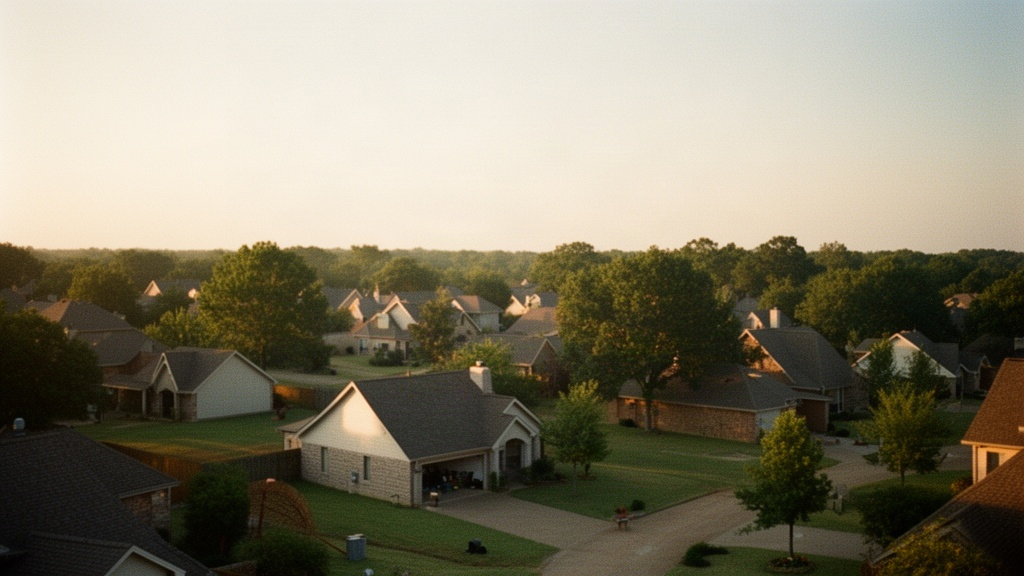
Housing stock detail. In Fort Worth the older stock includes bungalow and ranch homes inside Loop 820, a large inventory of midcentury houses in south and west Fort Worth, plus newer master planned communities north and west. Across the larger Dallas Fort Worth metro, townhomes and garden-style apartments are common near DART and Trinity Metro corridors, while single family new builds appear in suburbs like Frisco, McKinney and Arlington.
Price bands by submarket
Where to expect certain price ranges. Entry level houses in older parts of Fort Worth and inner-ring suburbs often list below the metro median, while newer construction and gated sections in suburbs north of Dallas commonly list above it. Check current active listings in the exact city and ZIP code you are considering for the most relevant numbers.
2. How to Read Prices, Listings and Comparable Sales
Quick answer. Focus on recent closed sales within a half mile and within the same school and flood zones, then adjust for lot size, condition and updates.
Key numbers to pull
- Median price: Pull the median sold price for the ZIP code for the last 90 days to see where active listings sit versus recent sales.
- Price per square foot: Compare closed sales in similar condition to derive a local price per foot.
- Days on market: Check average days on market for closed sales, and compare to current active listing DOM.
- Adjustments: Note major differences like new roof, pool, basement finish or acreage and estimate dollar adjustments.
How to compare nearby sales
Practical method. Pull at least five closed sales from the past 90 days within the same micro neighborhood, then remove any outliers like new builds or estate properties. Convert sold prices to price per foot and weight the median by property condition.
Questions to ask your agent. Ask for the raw MLS comparables, what adjustments were applied, and copies of the inspectors reports where available. A local agent should show how each comp matches on lot, foundation type, and permitted improvements.
3. Neighborhood Features to Map for Your Move
Quick answer. Map commute times, nearby parks and grocery options, plus lot sizes and housing age to see how each neighborhood will feel day to day.
Parks, transit and highways
Local features to chart. In Fort Worth plot distances to Trinity Park, the Cultural District, and the Stockyards if they matter for lifestyle. For north Dallas suburbs, measure distance to US 75, the Dallas North Tollway, and DART stations. Commute times can change dramatically with a single highway bottleneck, so test real commute windows during rush hour.
Lot sizes and housing age
What to expect physically. Inner Fort Worth neighborhoods commonly have quarter acre lots or smaller and older trees, while new developments in suburbs often have larger lots, HOAs, and modern floorplans. Ask the listing agent for lot dimensions and the seller for permits on any structural work.
4. Timing Your Move in Dallas Fort Worth
Quick answer. Base timing on your financing, inspection windows, and how long you need to prepare your current home for market or to move out of it.
Practical timing criteria
Checklist items. Confirm mortgage pre approval length, align inspection contingency periods with seller availability, and plan moving logistics around school start dates if you need to. Also verify utility transfer windows for water and electricity in the exact city of the new property.
Inspection and closing timelines
- Typical inspection period: 7 to 14 days depending on contract and seller response time.
- Closing window: 30 to 45 days is common for financed purchases; cash closings can be shorter.
- Title and HOA reviews: Allow an extra week when the property is in a managed community with an HOA packet requirement.
Relocation logistics. If you are moving to Dallas Fort Worth from out of state plan a scouting trip to view homes in person, timing it around open houses and weekday commutes. For corporate relocations, request local utility and municipal contact lists from your agent to smooth the transfer.
5. Steps to Take Next
Quick answer. Create a short list of target neighborhoods, get pre approved, and ask a local agent for tailored comparables and a timing plan.
Checklist for buyers
- Get pre approved: Secure a written pre approval that states loan type and expiration date.
- Schedule showings: Book weekday showings to test traffic and noise conditions.
- Order local comps: Ask your agent for at least five MLS comps with photos and permit histories.
Checklist for sellers
- Get a local market analysis: Request an MLS based CMA for your exact ZIP code and recent solds.
- Document updates: Assemble permits, receipts and contractor warranties for buyer review.
- Plan staging and photos: Allocate budget for professional photos and basic staging targeted to your market tier.
How I help locally. Margaret Motheral of Sotheby s International Realty works with buyers and sellers across Fort Worth and the broader Dallas Fort Worth area to pull neighborhood level comps, coordinate inspections with trusted local inspectors, and map commute windows for clients relocating into the metro.
FAQ
How do I find accurate price per square foot in my Fort Worth neighborhood?
Pull at least five recent closed sales within the same ZIP code and within a half mile, exclude new builds or heavily remodeled properties, then compute price per finished square foot. Ask your agent for raw MLS export so you can see lot size, year built, and any permits; those details explain outliers and allow you to weight the median.
What should I check when touring a home in Dallas Fort Worth?
Bring a checklist that includes foundation type, roof age, HVAC age, visible drainage patterns around the lot, and recent permit history. Test commute times at the hours you would actually travel, and photograph room dimensions for later comparison to listings and comps.
Should I consider new construction or an existing home in the D F W area?
Compare total out of pocket costs including lot premiums, builder warranties, and potential HOA fees versus the inspection and repair risks of an existing home. New builds often offer modern layouts and energy efficiency, while existing homes in established neighborhoods can have larger lots and mature trees; list the trade offs that matter to you and discuss financing and timelines with your agent.