← Back to Blog
Market Trends
Piscataway, New Jersey real estate market guide: prices, neighborhoods and timing
By Alex Roman Hernandez
October 5, 2026 · 5 min read
This Piscataway, New Jersey real estate market guide: prices, neighborhoods and timing explains current pricing ranges, what different parts of town offer, and when to act whether you are buying, selling, or relocating. Read on for neighborhood details, commute info, and timing strategies specific to Piscataway.
1. Market snapshot and prices
Quick answer: Piscataway's market in October 2026 shows single family homes typically running from the mid 300s to low 700s, with condos and townhomes commonly in the 200s to 400s depending on location and condition.
What the price ranges mean for buyers and sellers
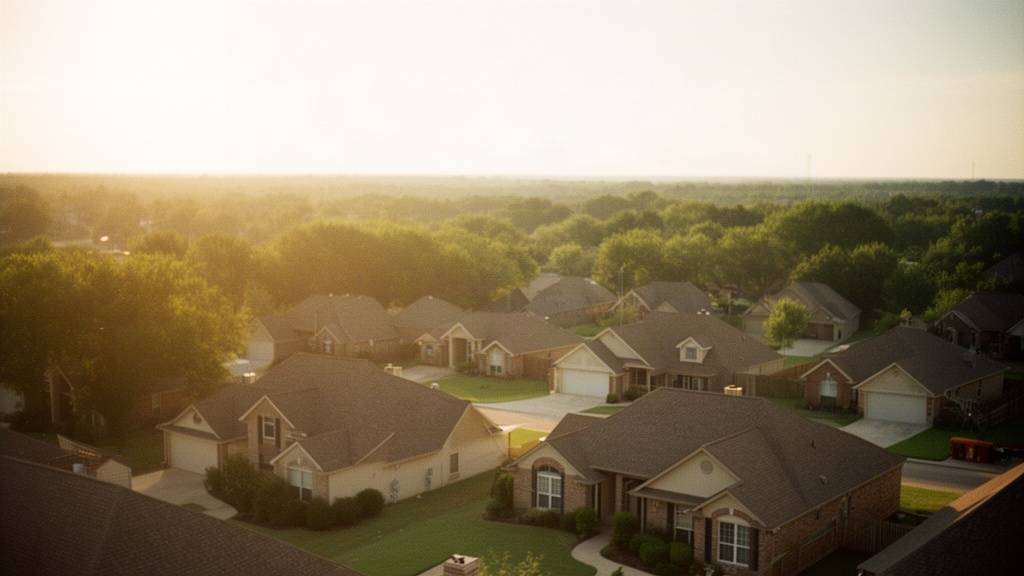
Price range guide: Smaller ranches and older colonials in central sections list in the mid 300s to low 500s, newer colonials and expanded homes in the 500s to 700s, and condominiums closer to Route 18 and near the Raritan River can be found in the 200s to 400s. Lot sizes vary from modest suburban parcels of quarter acre to larger lots north of town.
- Median price: mid 400s
- Common condo range: $220,000 to $420,000
- Typical single family: $360,000 to $700,000
- Inventory: modest, with seasonal upticks in spring
2. Neighborhoods and housing stock
Quick answer: Piscataway's neighborhoods differ by housing type, street patterns, and proximity to Route 18, the Raritan River, and Rutgers University; each section has identifiable features buyers and sellers should know.
Franklin Park and north Piscataway
Local features: Franklin Park includes a mix of split levels and colonials, tree-lined streets, and access to parks such as Mountain View Park. Lots tend to be medium to large, and sale prices here commonly skew toward the higher end for Piscataway.
Possumtown, New Market Road, and Livingston Manor
Local features: These sections include older colonials and detached bungalows, shorter commute distances to local shopping corridors, and pockets of smaller lots interspersed with newer infill construction.
Where townhouses and condos cluster
- Housing types: single family, colonials, split levels, ranches, condos, townhomes
- Lot sizes: from small suburban parcels to larger lots north of town
- Older stock: many homes built mid 20th century with renovations common
3. Commute, transit and location advantages
Quick answer: Piscataway sits near Route 18, I 287, and the NJ Transit Raritan Valley and Northeast Corridor corridors, which frames commute times from 25 to 60 minutes to major employment centers depending on time of day and final destination.
Driving and highway access
Routes: Route 18 provides a north south artery toward New Brunswick and Edison, I 287 connects to northern New Jersey and the New Jersey Turnpike, and local roads feed to regional highways. Peak hour congestion around Route 18 and the Route 27 corridor can extend commute times.
Transit and Rutgers access
Transit nodes: NJ Transit service to New York City and points west is available from nearby stations in New Brunswick and Edison, and local bus service connects Piscataway neighborhoods to Rutgers University campuses and medical centers. Proximity to Rutgers matters for short term rental demand and daily traffic patterns.
- Typical commute to New Brunswick: 10 to 25 minutes
- Typical commute to NYC via NJ Transit: 50 to 75 minutes depending on connection
- Local transit: NJ Transit buses and nearby train stations
4. Timing your move in Piscataway
Quick answer: Spring typically brings more active listings and stronger buyer traffic, while fall and winter can produce less competition and slightly slower sales; choose timing based on your priorities for speed versus price.
When sellers get the most buyer activity
Seller season: March through June generates the highest buyer traffic in Piscataway, with more showings and quicker offers. Pricing competitively and preparing the home in late winter increases visibility for spring buyers.
When buyers may find better value
Buyer opportunities: Fall and winter showings often attract more serious buyers and less bidding pressure. If you prioritize negotiating room and lower competing offers, listing in autumn or searching then as a buyer can provide more leverage.
- Best for speed: list in spring, prepare in late winter
- Best for negotiation: consider fall or winter listings
- Inspection timing: schedule early to avoid delays during closing
5. Actionable next steps
Quick answer: Start with a market consult, a targeted home search, or a pre listing inspection depending on whether you are buying or selling, and use local data to set realistic prices and timelines.
Steps for buyers
Buyer checklist: Get pre approved by a lender that knows New Jersey rules, identify preferred neighborhoods by features like lot size and commute time, and be ready to act on strong listings in spring. I can run a targeted search for Piscataway properties and supply commute maps and recent comparable sales.
Steps for sellers
Seller checklist: Order a pre listing inspection, complete targeted updates like fresh paint and landscape cleanup, set a local market price with a comparative analysis, and plan photography near peak daylight. Pricing correctly matters more than staging alone in the current Piscataway market.
- Local comps: request a comps report for your block and street
- Inspection: schedule one before listing to reduce buyer contingencies
- Marketing: list with professional photos and neighborhood highlights
Local resources to check: Town property records and the municipal website list recent permits and tax details. For broader market metrics and neighborhood pricing patterns consult a local housing market summary.
Personal note: If you want a tailored plan for buying or selling in Piscataway, I am Alex Roman Hernandez. I can prepare a neighborhood specific market analysis, walk you through timing choices, and show recent sales on your street.
FAQ
What are current median home prices in Piscataway?
Median prices in Piscataway are around the mid 400s as of October 2026. Specific properties vary by neighborhood and condition; single family homes commonly sit between the mid 300s and low 700s, while condos and townhomes more often appear in the 200s to 400s.
Which Piscataway neighborhoods have the most inventory?
Inventory tends to be higher along commercial corridors and near Route 18, where condo and townhouse complexes cluster. Central sections see steady turnover, while some suburban pockets have fewer listings and larger lot sizes; check town property records and local listings for block level availability.
When should I list my home in Piscataway for the best results?
Listing in spring drives the most buyer traffic and often faster sales, while autumn and winter can reduce competition and create negotiation room. The right timing depends on your priorities, and a local comparative market analysis will identify the precise window for your address.