← Back to Blog
Buying
Homes for sale in Chesapeake Beach: Your Local Guide to Buying and Selling
By Alexis Brown
November 23, 2026 · 6 min read
Looking for homes for sale in Chesapeake Beach? This guide covers local housing types, price ranges, commute times, parks, and practical steps to buy or sell in Chesapeake Beach, Maryland.
1. What types of homes are available in Chesapeake Beach
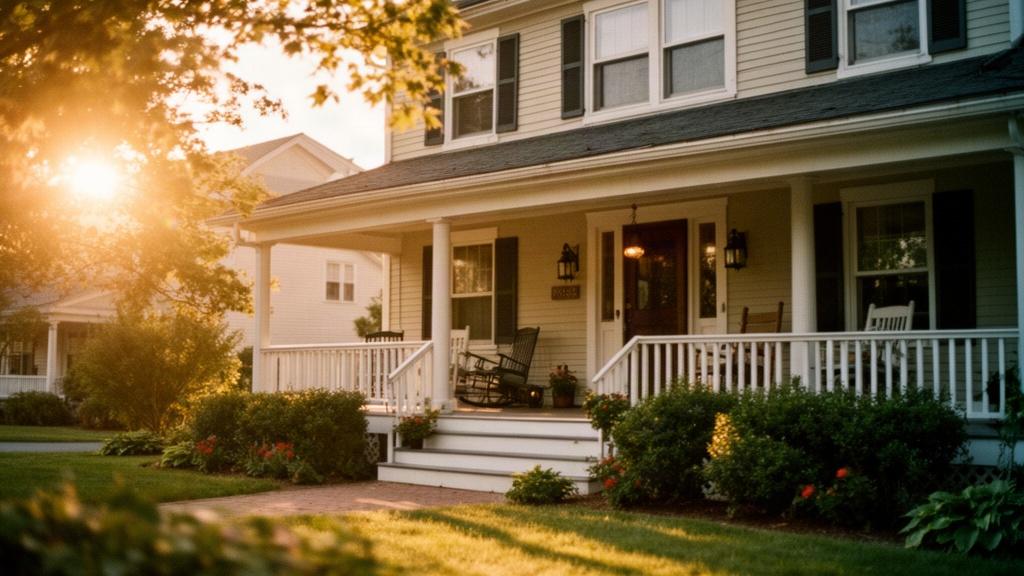
Overview of housing stock. Chesapeake Beach has a mix of housing stock, including older single family cottages near the boardwalk, newer suburban subdivisions inland, townhouses along Route 261, and homes with direct bay or creek access. Many properties sit on smaller lots within town limits, while surrounding areas in Calvert County include larger parcels and newer construction.
Single family houses
Common features. Older Cape Cod and bungalow style homes are common inside town near the Chesapeake Beach boardwalk, while ranch and two story houses appear in neighborhoods built in the 1970s through 2010s. Expect lot sizes typically between 0.1 and 0.5 acres inside town limits; larger lots are more common in the outlying community of Owings and areas closer to MD Route 260.
Waterfront and bay access homes
Waterfront characteristics. Properties with Chesapeake Bay or Little Magothy River frontage range from modest cottages with private piers to larger custom homes with bulkheads and boat slips. Many waterfront parcels have specific setback and flood elevation requirements; buyers should plan for coastal insurance and tidal considerations.
Townhouses and condos
Condo and townhouse options. Condo units and townhouses are commonly found closer to MD Route 261 and in communities with shared amenities like pools or small marinas. HOA fees vary, so check what they cover: roof, exterior maintenance, and community insurance are common inclusions.
2. Typical price ranges and what they mean
Short answer on pricing. Price ranges in Chesapeake Beach reflect property type and location: inland suburban homes, townhouses near Route 261, and waterfront parcels each have different pricing bands. Look at recent comparable sales to understand ranges for the specific street or block you care about.
- Entry level: Smaller condos and older cottages often begin at more affordable price points within town limits.
- Mid-range: Single family homes built between 1980 and 2010 with typical lots fall into the mid-range band for Chesapeake Beach.
- Waterfront premium: Homes with direct bay access, private piers, or large water views carry a premium compared to inland properties.
How to check prices. Ask your agent to pull recent sold comps within a half mile of a target property and to note whether a sale included a pier or bulkhead, which can affect value. You can also review county public records for assessed values and recent sales.
3. Where to look and commute considerations
Quick answer on location choices. Decide whether you want immediate bay access, proximity to the boardwalk and restaurants, or an inland lot with easier highway access. Each choice changes daily life and commute times to Annapolis, DC, and Prince Frederick.
Boardwalk and downtown corridor
What is there. The Chesapeake Beach boardwalk area has restaurants, the small public marina, and seasonal events. Properties nearby tend to be closer together and within easy walking distance of waterfront amenities.
Commuting distances
Typical commute times. Driving to Annapolis is usually about 25 to 35 minutes, depending on route and traffic. Commuting to Washington DC often takes around 60 to 80 minutes, depending on time of day and whether you use US 50 or I 97 to connect to the beltways.
4. Steps to buy or sell a home in Chesapeake Beach
Direct answer on the process. Buying or selling in Chesapeake Beach follows standard Maryland real estate steps, with extra items for waterfront properties. Below are practical, ordered steps buyers and sellers should follow locally.
- For buyers, step 1: Get preapproved by a lender who understands coastal insurance and flood zone underwriting.
- For buyers, step 2: Have an agent pull comps and arrange inspections focused on bulkheads, pilings, and HVAC age when waterfront features are present.
- For sellers, step 1: Complete a prelisting checklist including a current survey, records for any bulkhead or pier permits, and documentation of recent repairs.
- For sellers, step 2: Stage visible spaces and disclose coastal maintenance history; buyers will ask about flood mitigation and insurance costs.
Inspections and contingencies. For Chesapeake Beach properties, include a general home inspection and, where applicable, a marine structure inspection. Ask for utility records, septic or sewer connection information, and any county permits for shoreline work.
Tools agents use. Tools like Trolto generate listing videos automatically from photos. The property descriptions you provide become the foundation for how those videos appear in search.
5. Local amenities, parks, and landmarks to know
Short answer on local features. Chesapeake Beach offers waterfront parks, a railway trail, a small public marina, and seasonal festivals. These amenities shape daily life and are important to consider when evaluating homes for sale in Chesapeake Beach.
Parks and outdoor spaces
Key local green spaces. The Chesapeake Beach Railway Trail runs through town and connects to other county trails. Bayfront parks provide public access to the water, picnic areas, and boat ramps at the marina; check town maps for parking and seasonal hours.
Restaurants, shopping, and events
What to expect locally. Chesapeake Beach hosts seasonal seafood spots, cafes along the waterfront, and a few neighborhood grocery options. Annual events on the boardwalk draw visitors; factor event parking and foot traffic into housing choices near the downtown corridor.
- Railway Trail: Multiuse trail running through town for walking and cycling.
- Chesapeake Beach Marina: Public slips and launching facilities near the boardwalk.
- Boardwalk events: Seasonal festivals and markets held on the waterfront corridor.
Where to verify details. For hours, rules, and event dates check the Town of Chesapeake Beach official site or Calvert County resources. For shoreline and permit questions contact the county permitting office directly.
6. Pricing, negotiations, and common contingencies
Negotiation essentials. When evaluating offers, compare net proceeds after repairs, closing costs, and any bargained credits for coastal maintenance items. Buyers should include contingencies for inspection and lender appraisal when waterfront features affect value.
Numbers to pull. Ask your agent for recent sold comps, average days on market for the immediate neighborhood, and list to sale price ratios. These are the objective figures that help you set offers or listing prices.
- Comps to request: Three to five closed sales within 0.5 mile and 12 months, noting waterfront features and lot differences.
- Inspection add-ons: Bulkhead and marine structure inspection when applicable.
- Insurance checks: Get coastal and flood insurance estimates early in the process.
7. Final steps, closing, and moving into Chesapeake Beach
Closing checklist. Finalize homeowner insurance, confirm any required county inspections, and transfer utilities. For waterfront properties, confirm pier or bulkhead transfer terms and any marina slip assignments in writing prior to closing.
Local utility contacts. Contact Calvert County utilities and the Town of Chesapeake Beach office to schedule water, sewer, and trash setup. If the home uses a private well or septic system, confirm maintenance history and local service providers.
Alexis Brown can help. If you are looking at homes for sale in Chesapeake Beach, contact Alexis Brown for local comps, a walkthrough of waterfront issues, and help arranging inspections and insurance quotes.
FAQ
How do I find accurate price comps for Chesapeake Beach properties?
Ask an agent to pull three to five closed sales within a half mile of the target property and within the last 12 months. Make sure the comp list notes waterfront features like piers, bulkheads, and whether a sale included a marina slip. Compare lot size, finished square footage, and any recent major renovations to adjust values appropriately.
What inspections are important for waterfront homes in Chesapeake Beach?
In addition to a general home inspection include a marine or bulkhead inspection when the property has a pier or seawall. Request records for shoreline permits and recent repairs. Buyers should also obtain flood zone information and an estimate for flood insurance from a carrier experienced with Chesapeake Bay properties.
How long does it take to close on a home in Chesapeake Beach?
Closing timelines vary, but a typical purchase with financing takes 30 to 45 days after contract, depending on lender processing and inspection repairs. If the property requires additional municipal or coastal permits, allow extra time for documentation. Sellers should prepare a packet of recent utility bills, surveys, and maintenance records to avoid last minute delays.