

← Back to Blog
Buying
Buying a Condo in the Stapleton Area of Denver: What to Know Before You Search
By Amanda Duran
LIV Sotheby's International Realty
September 17, 2026 · 10 min read
If you are considering buying a condo in the Stapleton area of Denver, there is quite a bit to know before you make an offer. The neighborhood, now officially called Central Park, has evolved significantly over the past decade and the condo market there operates differently from what many Boulder-area buyers expect. This guide walks you through prices, HOA realities, commute logistics, and the key questions to ask before you commit.
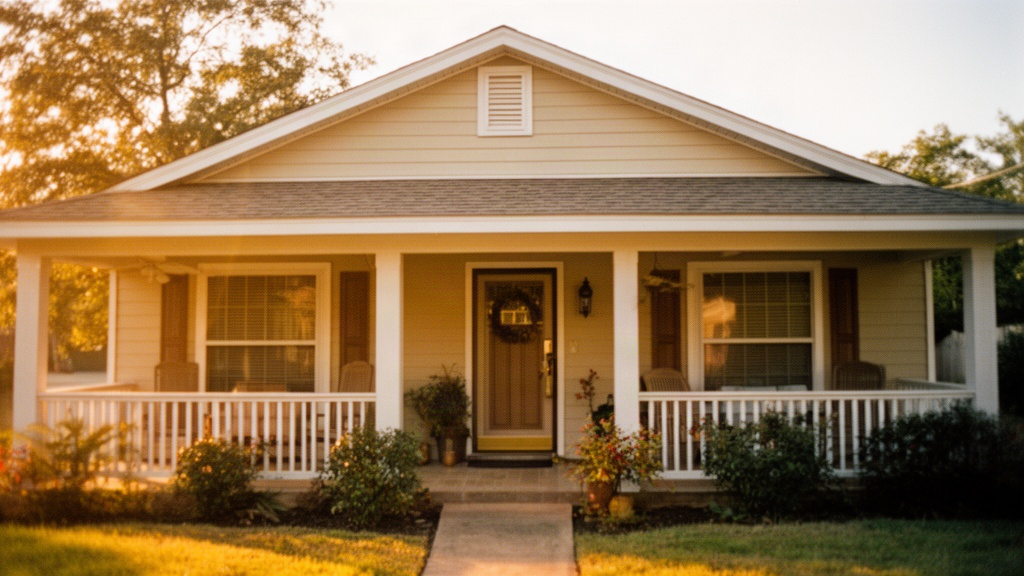
1. What Is the Stapleton Area of Denver and Why Do Buyers Consider It
The Stapleton area of Denver is now officially named Central Park, a rebranding that took effect in 2020. The name Stapleton still circulates widely in real estate searches and casual conversation, so you will see both used interchangeably. The neighborhood sits roughly 6 miles east of downtown Denver, built on the footprint of the old Stapleton International Airport, which closed in 1995. What replaced it is one of the largest urban infill developments in United States history, covering about 4,700 acres.
From Stapleton to Central Park: The Name Change and What It Means
The renaming matters for your property search. If you search for condos under the Stapleton label on major listing platforms, you may miss listings that have been updated to reflect Central Park. Use both terms when searching, or work with an agent who can pull the full MLS inventory regardless of what name the listing uses.
The neighborhood was master-planned from the ground up with a grid of streets, mixed-use retail corridors, and a network of parks totaling more than 1,100 acres of green space. Central Park itself, the namesake park, spans 80 acres and includes a recreation center, a splash pad, sports fields, and a 40-acre lake called Westerly Creek Reservoir. The planning DNA of the neighborhood is visible in its architecture: most buildings follow design standards that govern setbacks, materials, and front porch requirements.
What the Physical Neighborhood Looks Like Today
Central Park has a distinct urban-suburban texture that sets it apart from older Denver neighborhoods. The housing stock is almost entirely post-2000 construction, which means buyers get modern floor plans, energy-efficient systems, and open layouts. Condos in the area range from low-rise townhome-style buildings clustered near Eastbridge Town Center to mid-rise stacks closer to the light rail station at 40th and Airport Boulevard. The Eastbridge and Northfield retail corridors bring restaurants, a Target, a Whole Foods, and a handful of local shops within walking distance of most condo buildings.
For buyers relocating from Boulder, the contrast is immediate. Boulder's housing stock leans heavily toward older ranch homes, Victorians, and mid-century construction. Central Park condos offer newer builds at price points that are often lower than comparable square footage in Boulder, which is part of the appeal for buyers who work remotely or who split their time between the two cities.
2. Condo Prices and Market Conditions in Central Park Denver Right Now
Condo prices in Central Park have stabilized after the sharp run-up of the early 2020s. As of September 2026, the market is more balanced than it was two years ago, giving buyers more time to evaluate options and more room to negotiate. Understanding the current price tiers will help you set a realistic budget before you start touring.
What Condos Are Selling For in September 2026
Entry-level condos in Central Park, typically one-bedroom units under 800 square feet, are trading in the low-to-mid $300,000s as of September 2026. Two-bedroom condos with 1,000 to 1,300 square feet generally list between $380,000 and $480,000 depending on finish level, floor, and proximity to the park. Larger two-bedroom-plus-loft or three-bedroom units in the newer mid-rise buildings along the light rail corridor can reach $550,000 to $620,000.
Days on market for condos in Central Park have stretched to an average of around 30 to 45 days as of this fall, compared to under two weeks during the peak of 2022. That gives you time to schedule inspections, review HOA documents thoroughly, and make a more considered offer. For a broader look at how Denver's condo and housing market has shifted in 2026, the Denver real estate market trends analysis from Kenna Real Estate provides useful context on inventory levels and price movement across the metro.
How Central Park Condo Prices Compare to the Broader Denver Market
Central Park condos tend to price above the Denver metro condo median, which sits around $330,000 to $350,000 as of September 2026. The premium reflects the neighborhood's newer construction, walkable retail, and park access. However, Central Park condos still come in well below Boulder's condo median, which hovers closer to $550,000 to $600,000 for comparable square footage. That gap is one reason Boulder-based buyers and investors have been watching the Central Park market closely.
If you are comparing Central Park to other Denver neighborhoods, our Denver real estate market guide covering prices, neighborhoods, and timing breaks down how different parts of the city are performing and what buyers can realistically expect at various price points.
3. HOA Fees, Rules, and Financial Health: The Most Overlooked Part of Buying a Condo in Stapleton
HOA due diligence is the single most important step buyers skip when purchasing a condo in Central Park. Every condo in the neighborhood falls under at least two layers of HOA governance: the master Central Park community HOA, which covers the shared parks, trails, and infrastructure, and the individual building or sub-association HOA that manages your specific complex. Some buildings have a third layer. Understanding what each one charges and what it covers is not optional; it is essential to knowing your true monthly cost.
What HOA Fees Cover in Central Park Condos
The master community HOA fee for Central Park runs approximately $48 to $55 per month as of September 2026. That covers maintenance of the shared parks, trails, and community programming. Your building-level HOA adds on top of that and can range from $200 to $500 or more per month depending on the building's amenities, age, and reserve fund status. Buildings with rooftop decks, fitness centers, concierge services, or underground parking tend to sit at the higher end. Some fees include water and trash; others do not. Always request the full fee schedule before making an offer.
Combined HOA costs of $350 to $600 per month are common in Central Park condos. Add that to your mortgage payment and property taxes when calculating affordability. A $420,000 condo with a 20 percent down payment and a 6.8 percent interest rate in September 2026 carries a principal-and-interest payment of roughly $2,200 per month before taxes, insurance, and HOA fees.
How to Evaluate an HOA Before You Buy
Colorado law gives condo buyers a right of review period after receiving HOA documents, typically 3 to 5 business days, during which you can walk away without penalty. Use that window. The documents you need to read include the reserve study, the most recent budget, the meeting minutes from the last 12 months, and the rules and regulations. A reserve study tells you whether the HOA has set aside enough money to cover future major repairs like roof replacement, elevator maintenance, or parking structure work. An underfunded reserve is a red flag that could mean a special assessment, which is a one-time charge to all owners, sometimes running into the thousands.
Also check the rental cap. Some Central Park condo buildings restrict the percentage of units that can be rented out at any one time. If you plan to rent the unit eventually, or if you are buying as an investment, a rental cap could limit your options. Lenders also check rental caps: buildings with more than a certain percentage of investor-owned or renter-occupied units can become ineligible for conventional financing, which narrows your buyer pool when you go to sell.
4. Commute Times, Transit Options, and Getting Around from Central Park
Location is one of Central Park's most practical strengths. The neighborhood sits at the intersection of I-70 and Quebec Street, giving drivers direct access to downtown Denver in about 15 to 20 minutes under normal traffic conditions, and to Denver International Airport in roughly 20 to 25 minutes. For buyers who travel frequently or who have clients and colleagues flying in, that proximity to DIA is a genuine convenience.
Driving to Boulder from Central Park
The drive from Central Park to Boulder runs approximately 35 to 50 minutes depending on traffic. The most direct route takes US-36 west from I-270, a corridor that is well-known for congestion during peak hours. Westbound US-36 in the morning rush can push that commute toward 55 to 65 minutes on heavy days. Buyers who need to be in Boulder regularly should test the drive at their actual commute time before committing to a Central Park address.
One option that helps: the Flatiron Flyer bus rapid transit line runs from Boulder to downtown Denver with stops along US-36. From Central Park, you would need to drive or bike to a park-and-ride, but the BRT can cut the stress of the westbound commute for those who prefer not to drive. RTD's trip planner at rtd-denver.com gives current schedules and stop locations.
Light Rail and Bus Rapid Transit Access
Central Park has its own light rail station on RTD's A Line, which connects the neighborhood to Union Station in downtown Denver in about 20 minutes. The A Line also runs directly to Denver International Airport, making it one of the few Denver neighborhoods with a one-seat ride to the airport. Condos within a 10-minute walk of the 40th and Airport Boulevard station tend to command a modest premium over comparable units that require a car to reach the station.
For buyers who split time between Boulder and Denver, the transit picture matters. Boulder does not connect directly to Central Park via light rail; the Flatiron Flyer BRT is the most practical transit option for that corridor. If car-free or car-light living is a priority, verify the specific transit connections from the condo building you are considering rather than assuming the whole neighborhood has equal access.
5. What Boulder-Area Buyers Should Know Before Purchasing a Denver Condo
Buyers who are used to the Boulder market will encounter a few meaningful differences when buying a condo in Central Park. Knowing those differences ahead of time prevents surprises at the closing table and helps you structure an offer that holds up through inspection and financing.
Financing a Condo Is Different from Financing a House
Lenders treat condo financing differently than single-family home financing, and the rules are stricter. For a conventional loan backed by Fannie Mae or Freddie Mac, the condo project itself must be approved, not just the borrower. That means the lender will review the building's owner-occupancy ratio, its insurance coverage, its litigation history, and its reserve fund. If the building fails any of these checks, you may be limited to portfolio loans or FHA financing, both of which come with different rate structures and requirements.
FHA financing for condos requires the building to appear on HUD's approved condo list. Not all Central Park buildings are on that list. If you are planning an FHA purchase, confirm the specific building's approval status before you fall in love with a unit. Your lender can check this in a few minutes using HUD's online search tool.
For a broader look at whether this is the right moment to buy in the Denver metro, the article on timing a Denver home purchase covers current rate conditions, inventory trends, and how to think about the buy-versus-wait decision in September 2026.
Working with an Agent Who Knows Both Markets
Buying a condo in Central Park while living in Boulder requires an agent who can move quickly across both markets. The Denver MLS and the Boulder MLS are separate systems, and an agent licensed in Colorado can access both, but not every agent actively monitors both. If you are evaluating a Central Park condo as an alternative to a Boulder purchase, you want someone who can give you a straight comparison of what your budget gets you in each market rather than defaulting to the city where they do most of their work.
Central Park's condo market also has its own quirks that take time to learn. Certain buildings have known HOA issues; others have waitlists for parking spaces. Some sub-associations have pending litigation that would disqualify conventional financing. An agent who has closed transactions in the neighborhood will know these details before you spend time and money on an inspection.
The Central Park Denver first-time buyer guide from Lane Lyon is a useful reference for understanding the neighborhood's layout, builder history, and what to expect during the buying process in this specific community.
If you are also weighing whether to use a local Denver agent versus a large national brokerage for this purchase, the article on local Denver agents versus national brokerages lays out the practical differences and what they mean for a condo buyer specifically.
FAQ
Is buying a condo in the Stapleton area of Denver a good investment compared to buying in Boulder?
Central Park condos generally offer lower entry prices than comparable Boulder condos, with one-bedroom units starting in the low $300,000s versus Boulder's condo median closer to $550,000 to $600,000 as of September 2026. Whether that makes Central Park a stronger investment depends on your goals, your timeline, and how you plan to use the property. Central Park has the advantage of a newer housing stock, strong walkability, and direct light rail access to downtown Denver and DIA, all of which support long-term demand. Boulder's constrained land supply and development limits create a different set of demand dynamics. Comparing both markets with an agent who actively works in each is the most reliable way to evaluate the tradeoff for your specific situation.
What should I look for in an HOA before buying a condo in Central Park Denver?
The most critical documents are the reserve study, the current operating budget, and the meeting minutes from the past 12 months. The reserve study shows whether the HOA has set aside adequate funds for future major repairs; a reserve funded below 70 percent is generally considered a warning sign. Meeting minutes reveal whether there are ongoing disputes, pending litigation, or planned special assessments. You should also confirm the rental cap percentage, the owner-occupancy ratio (which affects your financing options), and exactly what the monthly fee covers, since some buildings include water and trash while others do not. Colorado law gives you a review period after receiving HOA documents, so use every day of it.
How far is Central Park Denver from Boulder, and is the commute manageable?
The drive from Central Park to Boulder is approximately 35 to 50 minutes under normal conditions, using US-36 west from I-270. During peak morning commute hours heading westbound into Boulder, that can stretch to 55 to 65 minutes on busy days. The Flatiron Flyer bus rapid transit line along US-36 offers an alternative for those who prefer not to drive, though you would need to reach a park-and-ride from Central Park first. The RTD A Line light rail from Central Park connects to downtown Denver in about 20 minutes but does not run directly to Boulder. Buyers who commute to Boulder several days a week should test the drive at their actual commute time before finalizing a decision.