

← Back to Blog
Buying
Buying a Home in Capitol Hill, Denver: Process, Costs and Timeline
By Amanda Duran
LIV Sotheby's International Realty
September 10, 2026 · 13 min read
Buying a home in Capitol Hill, Denver is one of the more nuanced purchases you can make along the Front Range, and it looks quite different from buying in Boulder, Broomfield, or the suburbs. This guide walks through every stage of the process, what you will actually spend beyond the purchase price, and a realistic timeline so you know what to expect before you ever write an offer.
1. What Makes Capitol Hill Different From Other Denver Neighborhoods
Capitol Hill is genuinely unlike any other pocket of Denver. It sits roughly one mile east of the State Capitol building, bounded loosely by Colfax Avenue to the north, 6th Avenue to the south, Broadway to the west, and Corona Street to the east. The density, the architecture, and the price points all behave differently here than they do in Washington Park, Park Hill, or the newer infill neighborhoods closer to I-25.
The Housing Stock
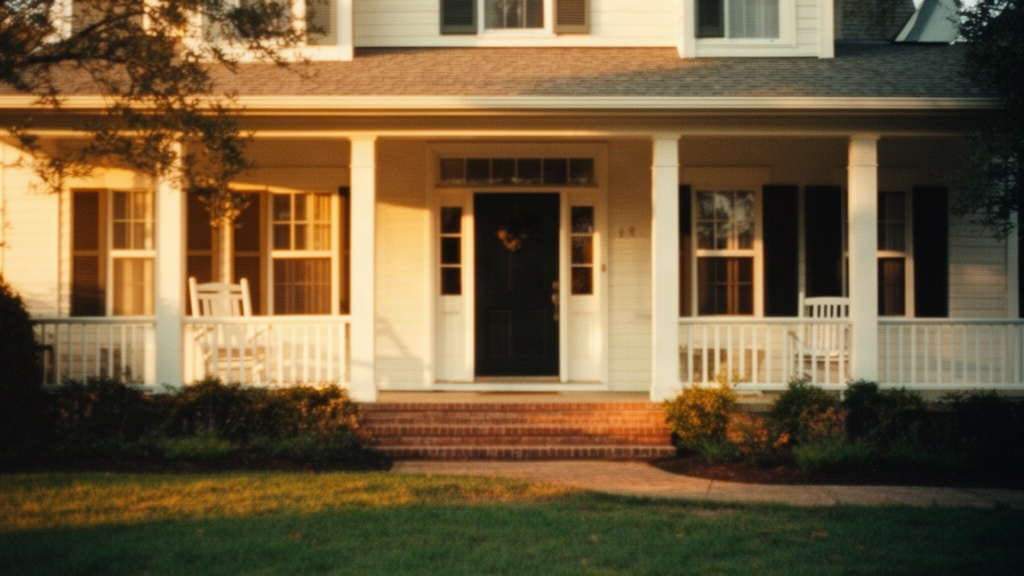
The overwhelming majority of homes in Capitol Hill were built between 1890 and 1940. You will find Victorian-era single-family homes, brick bungalows, and a large supply of low-rise condo buildings that were converted from apartment stock in the 1970s and 1980s. Many of the condos are in buildings with 4 to 20 units and carry HOA fees that reflect aging infrastructure. Detached single-family homes exist but are relatively rare; when they come to market they tend to sit on narrow lots of 3,000 to 4,500 square feet with detached garages accessed from the alley.
Buyers relocating from Boulder often notice that the lot sizes are considerably smaller than what they are used to seeing in Table Mesa or Martin Acres, and the square footage per dollar tends to skew toward vertical space rather than yard depth. That said, the walkability index is high: Cheesman Park, a 80-acre green space with a formal promenade and a popular farmers market, is within walking distance of most Capitol Hill addresses.
Proximity to Downtown and Commute Realities
Capitol Hill sits about 1.5 miles from the 16th Street Mall and roughly 25 miles southeast of downtown Boulder. Driving from Capitol Hill to Boulder via US-36 takes between 35 and 55 minutes depending on time of day, with peak westbound traffic on US-36 adding 15 to 20 minutes during the morning rush. RTD's Flatiron Flyer express bus runs from downtown Denver to Boulder's 28th Street Transit Center and is a practical option for commuters who prefer to skip the drive entirely.
For buyers who work in Denver and want a weekend connection to Boulder's outdoor amenities, Capitol Hill offers a reasonable middle point. The neighborhood is also served by several RTD bus routes along Colfax, Broadway, and 6th Avenue, which makes car-free commuting within Denver genuinely practical.
What the Market Looks Like Right Now
As of September 2026, Denver's broader market has shifted meaningfully toward buyers compared to the frenzied pace of 2022 and 2023. Inventory has expanded, days on market have stretched, and sellers in Capitol Hill are more willing to negotiate on price and concessions than they were two years ago. According to HousingWire's analysis of the Denver market, price cuts and extended days on market have become a defining feature of the Denver housing landscape in 2026. Capitol Hill condos in particular have seen longer sit times, which creates negotiating room for prepared buyers.
If you are weighing whether now is the right moment to buy, the broader context matters. This related article on whether it is a good time to buy a home in Denver walks through the current rate environment and inventory picture in more detail.
2. The Step-by-Step Process for Buying a Home in Capitol Hill, Denver
The process of buying a home in Capitol Hill follows Colorado's standard purchase contract framework, but several steps carry specific wrinkles when you are dealing with older condos, HOA-governed buildings, and a more balanced market. Here is how it unfolds from start to close.
Get Your Finances in Order Before You Tour
Pre-approval is not optional; it is the foundation of a credible offer in any Denver neighborhood. Lenders will want to see two years of tax returns, recent pay stubs, bank statements, and documentation of any gift funds if part of your down payment comes from family. For condo purchases specifically, your lender will also need to verify that the building itself is warrantable, meaning it meets Fannie Mae and Freddie Mac guidelines. Many of Capitol Hill's older converted buildings have owner-occupancy ratios or reserve fund balances that make conventional financing complicated, so confirming warrantability early saves significant time.
If a building is non-warrantable, your financing options narrow to portfolio loans or FHA loans, both of which carry their own eligibility requirements. Ask your lender to run the building through their condo approval checklist before you fall in love with a unit.
Work With an Agent Who Knows the Inventory
Capitol Hill's condo market has its own rhythm, and an agent who primarily works in new construction suburbs will miss nuances that matter. You want someone who can read an HOA financial statement, flag deferred maintenance in a 1920s brick building, and tell you which blocks along Colfax have active commercial redevelopment that could affect your resale value. Amanda Duran of LIV Sotheby's International Realty works across the Front Range, with deep familiarity in both Boulder and the Denver urban core, and can help you evaluate Capitol Hill properties against what comparable dollars would buy you closer to Boulder.
For more on what separates a genuinely experienced agent from one who is simply claiming to be, this guide on how to verify a Denver real estate agent's experience is worth reading before you commit to working with anyone.
Making an Offer in a Shifting Market
In September 2026, Capitol Hill is not the multiple-offer environment it was in 2021. Most listings are sitting for 20 to 45 days before going under contract, and it is common to negotiate 2 to 4 percent off the list price on condos that have been sitting. Colorado's standard contract gives buyers an inspection objection deadline, a due diligence documents deadline for HOA records, and a loan objection deadline, all of which are negotiated dates rather than fixed ones. Tightening those deadlines can strengthen your offer without raising your price.
For single-family homes in Capitol Hill, which are more scarce and tend to attract more competition, your offer strategy will look different. Your agent should pull sold comps from the past 60 to 90 days and show you the list-to-sale price ratios for detached homes specifically, since they behave differently from condos in the same zip code.
Inspection and Due Diligence in Older Buildings
Inspection is where Capitol Hill purchases can get complicated fast. A standard home inspection will cover the unit you are buying, but it will not tell you about the state of the building's shared systems: the boiler, the roof, the elevator if there is one, or the plumbing stack. Request the HOA's reserve study and the last two years of meeting minutes. A reserve study will tell you whether the association has enough money set aside to cover major repairs without a special assessment. If the reserve fund is underfunded and the roof is 20 years old, you could face a special assessment of several thousand dollars within a few years of closing.
For single-family homes, budget for a sewer scope in addition to the standard inspection. Capitol Hill's clay sewer laterals, many of which date to the early 1900s, are prone to root intrusion and bellying. A sewer scope costs around $150 to $250 and can surface a $5,000 to $15,000 repair before you close rather than after.
Closing Day
Colorado is an attorney-optional state, meaning you are not legally required to have an attorney at closing, though you can choose to hire one. Closings are handled by a title company, and you will sign a stack of documents covering the deed, the loan, and the settlement statement. You will need to wire your closing funds before or on the day of closing; personal checks are generally not accepted for amounts over a few hundred dollars. Bring a government-issued photo ID and confirm your wire instructions directly with the title company by phone, since wire fraud targeting real estate closings remains a documented risk.
3. Real Costs to Budget When Buying in Capitol Hill
The purchase price is only one part of what you will spend. Buyers in Capitol Hill regularly underestimate the total cash needed at closing and the ongoing monthly costs that follow. Here is a realistic breakdown.
Purchase Price Ranges in September 2026
As of September 2026, Capitol Hill condos are generally priced between $225,000 and $450,000 depending on size, floor, finishes, and parking. A one-bedroom unit in a 1970s-era building with updated kitchen and in-unit laundry typically lists in the $250,000 to $320,000 range. Two-bedroom condos with two bathrooms and deeded parking run $330,000 to $420,000. Detached single-family homes in Capitol Hill are considerably rarer; when they come to market they tend to list between $650,000 and $950,000 depending on lot size, renovation level, and proximity to Cheesman Park.
For context, those condo price points are meaningfully lower than what comparable square footage costs in Boulder's central neighborhoods, where one-bedroom condos near Pearl Street or University Hill regularly list above $450,000. Capitol Hill can appeal to buyers who want urban density at a lower entry point while staying connected to the Boulder corridor.
Closing Costs Broken Down
Closing costs in Colorado typically run between 2 and 4 percent of the purchase price for buyers using a mortgage. On a $300,000 Capitol Hill condo, that means budgeting $6,000 to $12,000 in closing costs on top of your down payment. A detailed breakdown of what those costs include is covered in this Denver buyer's guide to closing costs in 2026, which explains origination fees, title insurance, prepaid interest, and escrow setup in plain terms.
The main line items you will see on your closing disclosure include the lender origination fee (typically 0.5 to 1 percent of the loan), title insurance for the lender and optionally for yourself as the owner, prepaid homeowner's insurance for the first year, prepaid property taxes into escrow, and per-diem interest from closing date to month end. On a condo purchase you may also see an HOA transfer fee and a capital contribution fee, which some Capitol Hill associations charge at closing and which can run $200 to $1,000 depending on the building's bylaws.
Ongoing Ownership Costs Specific to Capitol Hill
HOA fees are a significant ongoing expense in Capitol Hill that buyers sometimes underweight. Monthly HOA fees in Capitol Hill condo buildings range from about $250 to $600 per month, with older buildings on the higher end because of boiler systems, shared laundry, and exterior maintenance costs. Some buildings include heat and water in the HOA fee, which offsets the higher number, but you should ask specifically what utilities are covered before comparing fees across buildings.
Denver property taxes are assessed at 6.95 percent of assessed value for residential properties, and the Denver Assessor's office reassesses values on a two-year cycle. On a $300,000 condo, annual property taxes typically fall in the $1,800 to $2,400 range depending on the current assessment. Homeowner's insurance for a condo covers your interior and personal property; the building's exterior and common areas are covered by the HOA's master policy, which you should request and review before closing.
4. How Long Does the Process Actually Take
Most buyers underestimate how long the full arc from first conversation to keys-in-hand takes. In Capitol Hill specifically, the timeline has some unique variables tied to condo financing and HOA document review.
Pre-Approval to Accepted Offer
Gathering documents, submitting a loan application, and receiving a pre-approval letter typically takes 3 to 10 business days with a responsive lender. Once pre-approved, the time it takes to find a property and get an offer accepted depends heavily on how specific your criteria are. In September 2026's Capitol Hill market, buyers are typically touring for 3 to 8 weeks before writing an offer that gets accepted. With more inventory sitting longer, you have time to be deliberate rather than reactive, which is a meaningful change from the pace of 2021 and 2022.
Under Contract to Closing
Once you are under contract, a conventional loan purchase in Colorado typically closes in 21 to 30 days. For condo purchases, add time if your lender needs to submit the building for condo project approval, a process that can take 5 to 10 additional business days. FHA condo loans require the building to be on HUD's approved condo list or go through a spot approval process, which can extend the timeline further. Budget for a 30 to 45 day closing period on Capitol Hill condo purchases to give yourself a reasonable buffer.
What Can Slow Things Down in Capitol Hill Specifically
Several Capitol Hill-specific factors can add days or weeks to a closing timeline. HOA document delivery can lag if the association's management company is slow to respond; Colorado law gives HOAs up to 14 calendar days to deliver the required documents after a request. Inspection negotiations in older buildings sometimes surface issues that require contractor bids before the buyer can decide whether to proceed, adding 3 to 5 days. And if a building's reserve fund is underfunded, your lender may require a higher down payment or decline the loan entirely, sending you back to the search phase.
The total timeline from starting your search to closing day, accounting for pre-approval, home search, offer negotiation, due diligence, and loan processing, is typically 2 to 4 months for a Capitol Hill purchase. Buyers who have their financing fully in order before they start touring tend to land on the shorter end of that range.
For a broader look at how Denver's market conditions are shaping buyer timelines across the city right now, the Denver real estate market guide covering prices, neighborhoods, and timing provides useful context alongside the Capitol Hill-specific picture.
5. What Boulder-Area Buyers Should Know Before Committing to Capitol Hill
Buyers based in Boulder who are considering Capitol Hill often have a specific reason: a job change, a desire to reduce commute time into Denver, or a price point that is difficult to hit in Boulder proper. There are a few practical considerations worth thinking through before you commit.
Parking and Storage
Deeded parking is not guaranteed in Capitol Hill condo buildings, and its presence or absence has a real effect on value and livability. Many buildings built before 1970 were designed when car ownership rates were lower, and some units have no dedicated parking at all. If you own a vehicle, confirm whether the unit includes a deeded space, a permitted space, or street parking only. Permit parking zones in Capitol Hill are designated and require a Denver resident permit, which costs about $50 per year but does not guarantee a spot directly in front of your building.
Comparing Capitol Hill to Boulder's Condo Market
Boulder's condo inventory near Pearl Street and the Hill tends to carry price premiums that reflect the city's constrained supply and the University of Colorado's influence on demand. A buyer who cannot find a two-bedroom condo in Boulder for under $500,000 may find that Capitol Hill offers a comparable urban experience at $80,000 to $150,000 less. The trade-off is the commute: if you work in Boulder, you are adding meaningful drive time or relying on RTD's Flatiron Flyer. That is a personal calculus worth running with real numbers before you start writing offers 25 miles from where you work.
Amanda Duran works with buyers across this exact corridor, from Boulder's central neighborhoods to Denver's urban core, and can help you model the true cost comparison, including commute costs, HOA fees, and property taxes, across both markets before you decide where to focus your search.
Resale Considerations
Capitol Hill condos have historically had slower appreciation than detached single-family homes in Denver, and the condo segment city-wide has been under more pricing pressure in 2026 than the single-family segment. That does not mean condos are a poor purchase; it means your resale timeline and strategy will look different than it would for a house. If you plan to hold the property for fewer than 5 years, factor in transaction costs on both ends, which typically run 8 to 10 percent of the sale price when you account for agent commissions, closing costs, and any needed repairs before listing.
FAQ
Can I use an FHA loan to buy a condo in Capitol Hill, Denver?
Yes, FHA loans are available for Capitol Hill condos, but the building must either be on HUD's approved condo project list or go through a spot approval process for the specific unit. Many older Capitol Hill buildings are not on the approved list, which means your lender needs to submit a spot approval application, a process that can add 1 to 3 weeks to your closing timeline. Check the HUD condo approval database before you fall in love with a unit, and ask your lender upfront whether they handle FHA spot approvals in-house. If the building does not qualify, you may need to use a conventional loan, a portfolio loan, or consider a different property.
How much should I budget for a down payment when buying in Capitol Hill?
The minimum down payment depends on your loan type: 3 percent for conventional loans through some programs, 3.5 percent for FHA, and 0 percent for VA loans if you are eligible. On a $300,000 Capitol Hill condo, a 3.5 percent FHA down payment is $10,500, while a 10 percent conventional down payment is $30,000. Keep in mind that putting down less than 20 percent on a conventional loan triggers private mortgage insurance, which adds roughly $50 to $150 per month to your payment depending on your loan size and credit profile. Beyond the down payment, budget separately for closing costs, inspection fees, and any immediate repairs or updates you want to make after closing.
Is buying a home in Capitol Hill, Denver a good option if I work in Boulder?
Capitol Hill is roughly 25 miles southeast of Boulder, and the commute via US-36 takes 35 to 55 minutes by car during normal conditions, with peak-hour traffic extending that to 60 to 75 minutes westbound in the morning. RTD's Flatiron Flyer express bus offers an alternative for buyers who prefer not to drive, with service running from downtown Denver to Boulder's 28th Street Transit Center. The price difference between Capitol Hill condos and comparable Boulder condos can be significant, often $80,000 to $150,000, so some buyers find the commute trade-off worthwhile. The decision depends on how often you need to be in Boulder physically, your tolerance for the commute, and whether the savings on purchase price outweigh the ongoing time and transportation costs.