

← Back to Blog
Market Trends
Cherry Creek, Denver Real Estate Market Guide: Prices, Neighborhoods and Timing for Boulder Buyers
By Amanda Duran
LIV Sotheby's International Realty
September 7, 2026 · 10 min read
If you are a Boulder resident eyeing Cherry Creek, Denver as your next move, or a buyer relocating to Colorado who is weighing both markets, this Cherry Creek Denver real estate market guide covers what you need to know: current prices, how the neighborhood is laid out, what the buying process looks like, and how to time your purchase in a market that has shifted noticeably since 2024.
1. What Cherry Creek, Denver Actually Is (and How It Compares to Boulder)
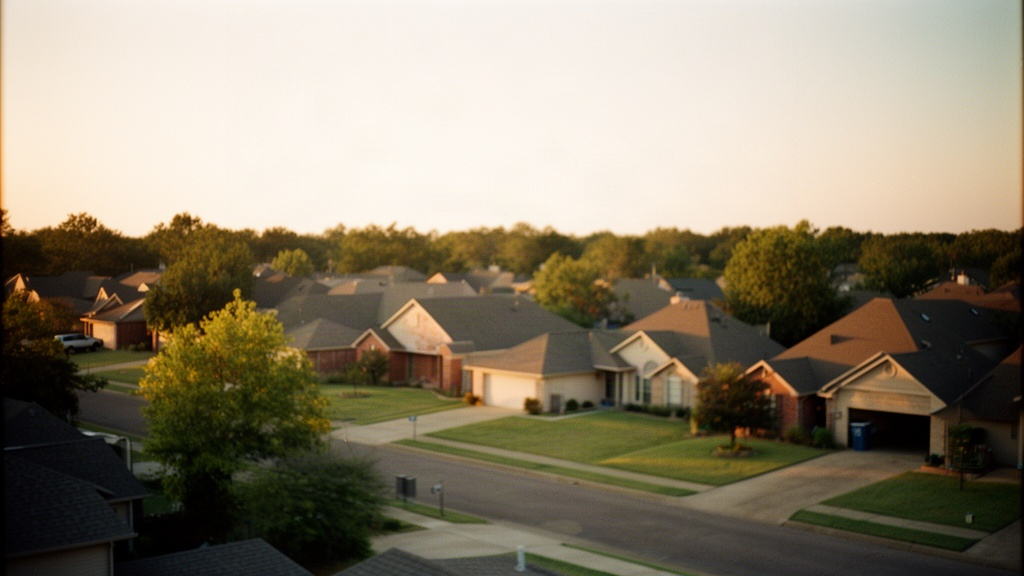
Cherry Creek is an upscale urban district sitting roughly 2 miles southeast of downtown Denver, bounded loosely by University Boulevard to the west, Colorado Boulevard to the east, 1st Avenue to the north, and the Cherry Creek Trail corridor to the south. It is a walkable, mixed-use area built around high-end retail, restaurants, galleries, and a dense concentration of condominiums and townhomes, with a smaller pocket of detached single-family homes tucked into the surrounding streets.
The Geography and Layout
The Cherry Creek Trail runs directly through the district and connects all the way northwest to Confluence Park near downtown Denver. That paved multi-use path is a major draw for buyers who want outdoor access without leaving the city. The Cherry Creek Shopping Center anchors the southern edge, while Cherry Creek North, the open-air retail and dining corridor along 2nd and 3rd Avenues, defines the neighborhood's walkable core. Streets like Milwaukee, Fillmore, and Josephine are lined with mid-rise condo buildings, townhomes, and the occasional Victorian-era house that survived Denver's development cycles.
How Cherry Creek Differs From Boulder's Market
Boulder buyers comparing the two markets will notice several structural differences. Boulder sits about 28 miles northwest of Cherry Creek via US-36, a commute that runs roughly 35 to 50 minutes depending on traffic. Boulder's housing stock skews heavily toward single-family homes on larger lots, with a strong supply of 1960s through 1980s ranch-style and split-level construction in neighborhoods like Table Mesa and Martin Acres, alongside newer infill in areas like Gunbarrel. Cherry Creek's stock is almost the inverse: the majority of available properties are condominiums and attached townhomes, with detached homes being a smaller and considerably more expensive slice of the market.
Boulder's open space boundary and building height restrictions keep density low and prices per square foot high. Cherry Creek achieves high prices through urban density and walkability rather than land scarcity. Both markets have seen softening since the 2022 peak, but the mechanisms and buyer pools are different enough that a Boulder buyer moving to Cherry Creek is essentially entering a new market with its own rules.
2. Cherry Creek Denver Real Estate Prices in 2026
Cherry Creek consistently carries some of the highest per-square-foot prices in metro Denver. As of September 2026, the market reflects a broader Denver trend of extended days on market and selective price reductions, which means buyers have more negotiating room than they did in 2021 or 2022, but Cherry Creek's floor remains elevated compared to most Denver submarkets.
Condos and Attached Homes
Condos are the dominant product type in Cherry Creek. Entry-level one-bedroom units in older mid-rise buildings along the perimeter of the district have been trading in the $450,000 to $575,000 range in 2026. Two-bedroom condos in well-maintained buildings with parking and amenities are more commonly priced between $650,000 and $950,000. Luxury high-rise units with views, concierge services, and premium finishes push well past $1.2 million, with some full-floor penthouses listed above $3 million. HOA fees in Cherry Creek condo buildings are a line item that Boulder buyers often underestimate: monthly dues of $600 to $1,200 are common, and some luxury buildings run higher.
For a detailed look at how Cherry Creek's condo and attached-home market has evolved through 2026, the team at Willow Home's Cherry Creek real estate overview provides useful price-trend context that complements what you will see in active MLS listings.
Single-Family Homes
Detached single-family homes in Cherry Creek proper are rare and command a significant premium. When they do come to market, they are typically older brick Tudor or Colonial-style homes on lots of 4,000 to 7,000 square feet, priced between $1.4 million and $2.8 million depending on condition, lot size, and whether they have been updated. Fully renovated homes with modern kitchens and primary suite additions at the upper end of that range move faster than condos right now, because the inventory of detached homes in the neighborhood is genuinely limited.
What Is Driving Price Movements Right Now
The broader Denver housing market has faced headwinds from elevated mortgage rates and a notable uptick in price reductions. HousingWire's coverage of the Denver market has documented how extended days on market and price cuts have become more common across metro Denver, and Cherry Creek is not immune. Listings that are priced aggressively relative to recent comparable sales are sitting longer. Sellers who price at or slightly below recent comps are still seeing activity. For Boulder buyers accustomed to the compressed Boulder market, this is a meaningful shift in how offers are structured.
Cherry Creek's price floor is supported by its walkability score, the concentration of high-income buyers who work in Denver's financial and professional services sectors, and the limited land available for new ground-up construction within the district's core. Those structural factors keep Cherry Creek from experiencing the same magnitude of correction seen in some Denver suburbs.
3. The Cherry Creek Neighborhood Breakdown: What to Expect Block by Block
Cherry Creek is not a single uniform neighborhood. The experience and housing stock shift noticeably depending on which part of the district you are looking in, and understanding those distinctions is essential before making an offer.
Cherry Creek North
Cherry Creek North is the open-air shopping and dining district running roughly from 1st Avenue north to 3rd Avenue, between University and Steele Street. The streets here are lined with boutiques, art galleries, and restaurants, and the residential buildings immediately adjacent to the retail corridor tend to be newer construction with concierge-level amenities. Buyers purchasing here are paying for walkability above almost everything else. A two-bedroom condo within two blocks of the core retail strip will typically carry a 10 to 15 percent premium over a comparable unit four or five blocks away.
Cherry Creek West and the Shopping District
The blocks west of University Boulevard and south toward 1st Avenue transition into a denser mix of older condo buildings and townhomes that were built primarily in the 1970s through 1990s. These properties offer more square footage per dollar than Cherry Creek North, and many have been updated with modern finishes. The Cherry Creek Shopping Center itself sits at the southern edge near 1st Avenue and Milwaukee Street, and condos within walking distance of the mall tend to attract buyers who want retail and dining access without the premium of the North corridor.
Proximity to Denver's Broader Grid
Cherry Creek sits at a useful intersection of Denver's geography. The Colorado Convention Center and the 16th Street Mall are about 15 minutes by car or a reasonable bike ride via the Cherry Creek Trail. Denver Health Medical Center is roughly 10 minutes west. Cherry Creek State Park, a 4,200-acre reservoir and recreation area with swimming, sailing, and trail access, is about 4 miles southeast via the trail. Buyers who want urban walkability with quick access to larger outdoor recreation will find Cherry Creek's location on the trail network a meaningful practical feature.
For Boulder buyers who are also exploring Denver's other established neighborhoods, our broader Denver real estate market guide for Boulder buyers covers how Cherry Creek fits into the wider metro context alongside neighborhoods like Capitol Hill, Wash Park, and Highlands.
4. Market Timing: When to Buy in Cherry Creek
September 2026 is a window where buyers in Cherry Creek have more leverage than at any point since 2019. Inventory has grown, days on market have stretched, and sellers are more willing to negotiate on price, closing costs, and inspection items than they were during the 2020 to 2022 run-up.
Current Inventory and Days on Market
Active condo inventory in Cherry Creek has been running higher in 2026 than in either 2024 or 2023, giving buyers more options and reducing the urgency that drove multiple-offer situations in prior years. Properties priced correctly are still moving within 20 to 35 days. Overpriced listings are sitting 60 to 90 days or longer before sellers make reductions. That gap between well-priced and overpriced properties is wider right now than it has been in years, which means buyers who do their homework on recent comparable sales are in a strong position to identify value.
Seller Concessions and Negotiating Room
Seller concessions toward closing costs and rate buydowns have become a real part of Cherry Creek negotiations in 2026. Buyers are routinely asking for, and receiving, contributions of $10,000 to $20,000 toward closing costs or mortgage rate buydown points on mid-range condo transactions. On higher-priced properties, those figures scale up. This is a meaningful shift from 2021, when sellers in Cherry Creek were routinely receiving offers above list price with no contingencies.
How Boulder Buyers Should Think About Timing
Boulder buyers who are selling a Boulder home to fund a Cherry Creek purchase should pay close attention to sequencing. Boulder's market, while also softer than its 2022 peak, still moves faster than Cherry Creek's condo market in many price bands. That means a Boulder seller may close and need to move quickly into a Cherry Creek purchase, or alternatively, may have more time than expected if their Cherry Creek target property is sitting. Getting pre-approved and understanding your bridge financing or contingency options before listing in Boulder is the practical first step.
For a broader read on where Denver's market stands heading into late 2026 and whether the timing favors buyers or sellers across the metro, the article on whether now is a good time to buy in Denver covers the rate and inventory dynamics in detail.
5. The Buying Process in Cherry Creek: Steps, Costs and Timelines
Buying a condo or home in Cherry Creek follows Colorado's standard purchase process, but there are Cherry Creek-specific factors, particularly around HOA review, condo financing rules, and the density of competing listings, that Boulder buyers should understand before writing an offer.
Pre-Approval and Budget Reality
Condo financing in Cherry Creek requires an extra layer of due diligence that single-family home purchases do not. Lenders will review the HOA's financial health, reserve fund adequacy, and the percentage of units that are owner-occupied versus rented. Buildings with high investor-to-owner ratios or underfunded reserves may not qualify for conventional Fannie Mae or Freddie Mac financing, which limits your loan options and can affect resale value down the road. Asking for the HOA's most recent reserve study and budget before making an offer is not optional; it is essential.
Budget for a total monthly housing cost that includes your mortgage principal and interest, HOA dues, property taxes (Denver's mill levy produces property tax bills that Boulder buyers may find lower on a dollar-for-dollar basis given different assessment ratios), and any parking or storage fees that are not included in the HOA. On a $750,000 condo with an $800 monthly HOA, the all-in monthly cost at current rates can easily exceed $5,500 to $6,200 depending on your down payment.
Making an Offer in a Shifting Market
In September 2026, most Cherry Creek condo offers are being written with standard inspection and financing contingencies, which was not the norm during the 2021 peak. Buyers are including inspection periods of 7 to 10 days and asking for HOA document review periods as well. Appraisal contingencies are also back in play on properties where the list price feels stretched relative to recent sales. Writing a clean offer with reasonable contingencies and a competitive but not inflated price is the current formula that works.
Closing Costs and What to Budget
Colorado buyers typically pay closing costs of 1.5 to 3 percent of the purchase price, covering lender fees, title insurance, recording fees, and prepaid items like homeowners insurance and property tax escrow. On a $750,000 Cherry Creek condo, that is roughly $11,250 to $22,500 out of pocket at closing beyond the down payment. As noted above, seller concessions toward closing costs are negotiable in the current market and worth requesting. Colorado's closing timeline from contract to close runs 21 to 45 days for most transactions, with the longer end applying when condo HOA document review or lender underwriting creates delays.
For a detailed breakdown of what to expect from the closing process when buying in Colorado, the article on how long it takes to close on a house in Boulder walks through the timeline step by step, and most of those timelines apply equally to a Cherry Creek purchase.
If you are also considering staying in Boulder and exploring newer construction options rather than moving to Denver, the overview of new housing developments and construction projects in Boulder in 2026 is worth a read before you commit to a direction.
FAQ
Is Cherry Creek, Denver a good market for Boulder buyers to consider in 2026?
Cherry Creek is a distinct market from Boulder, and whether it fits a given buyer depends on their priorities. The district offers urban walkability, trail access, and a dense concentration of condos and townhomes that Boulder's lower-density market does not replicate. In September 2026, inventory is higher and seller concessions are more available than in recent years, which creates genuine buying opportunities for well-prepared buyers. The key considerations are HOA financial health, condo financing eligibility, and total monthly cost when dues are factored in. Buyers relocating from Boulder should research the specific buildings they are interested in, not just the neighborhood broadly.
What is the price difference between Cherry Creek condos and Boulder condos in 2026?
Cherry Creek condos in the $450,000 to $950,000 range are broadly comparable in price to Boulder condos in similar brackets, though the product types differ. Boulder's attached-home inventory skews toward smaller complexes and townhomes with more outdoor space, while Cherry Creek's stock includes larger mid-rise and high-rise buildings with more shared amenities. Cherry Creek HOA fees tend to run higher than Boulder's due to the amenity packages in urban high-rise buildings, which affects the true cost of ownership even when list prices look similar. Buyers comparing the two markets should model total monthly costs, not just purchase prices, to make an accurate comparison.
Do I need a Denver-area agent to buy in Cherry Creek, or can my Boulder agent help?
Any Colorado-licensed real estate agent can write a contract and represent a buyer anywhere in the state, but local market knowledge matters significantly in a neighborhood like Cherry Creek where building-by-building differences in HOA health, financing eligibility, and price-per-square-foot value can be substantial. An agent who actively works the Cherry Creek market will know which buildings have pending special assessments, which have strong reserve funds, and which buildings lenders are currently treating as non-warrantable. Amanda Duran of LIV Sotheby's International Realty serves buyers across both the Boulder and Denver metro markets and can provide that building-level insight alongside the Boulder market context that relocation buyers need.