
← Back to Blog
Neighborhoods
What Is It Actually Like to Live in the Weston Neighbourhood of York Day to Day
By Amanda Ferri-Magrone
Gervasi Real Estate Group
September 22, 2026 · 10 min read
If you are trying to understand what it is like to live in the Weston neighbourhood of York day to day, the short answer is this: it is a dense, transit-connected community with a mix of century-old housing stock, independent businesses along Weston Road, and green space that most newcomers do not expect. This guide covers everything from your morning commute to weekend routines so you can decide whether Weston fits the way you actually live.
1. The Physical Shape of Weston
Weston sits in the northwestern part of York, bounded roughly by Lawrence Avenue West to the south, Sheppard Avenue West to the north, the Humber River valley to the west, and the rail corridor to the east. It is one of the oldest communities in what is now the City of Toronto, having existed as a separate village before amalgamation, and that history shows up in the built form every single day.
Where Weston Sits in York
Weston is roughly 15 kilometres northwest of downtown Toronto. That distance matters when you are planning your commute or thinking about how far you are from the waterfront, the financial district, or the major hospital corridors. The neighbourhood straddles the boundary between the old City of York and what was once the Town of Weston, so you will hear both names used interchangeably by longtime residents.
For a thorough overview of the neighbourhood's boundaries and key features, the Weston neighbourhood guide on Wahi provides a useful visual reference alongside current listing data.
What the Streets and Housing Actually Look Like
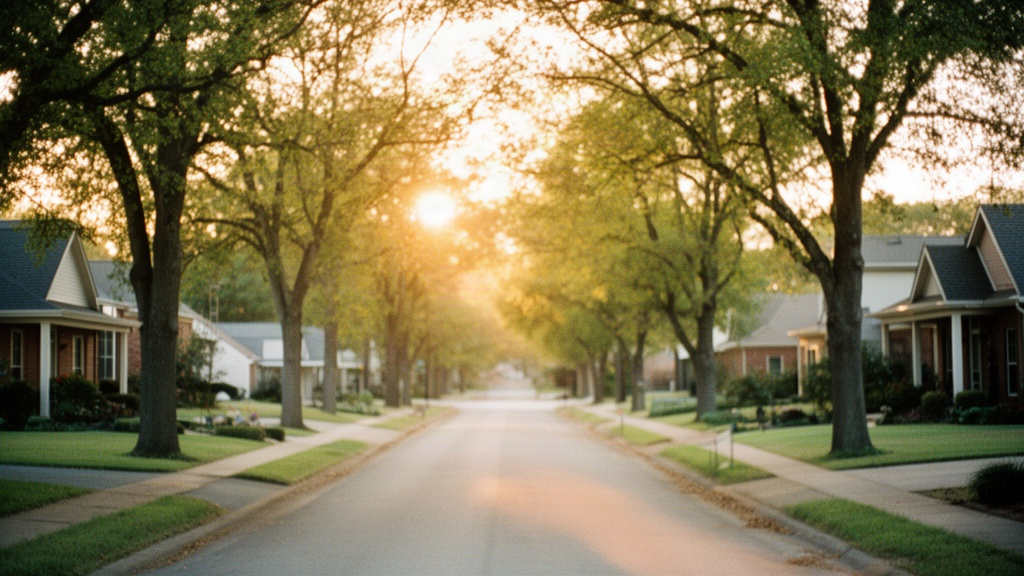
Walk almost any residential block in Weston and you will find a mix of early twentieth-century detached brick homes, post-war semis, and the occasional purpose-built rental low-rise from the 1960s and 1970s. Lots are typically narrow, running 25 to 35 feet wide with deep backyards. Many homes have front porches, mature street trees, and laneways running behind them. The streets are laid out on a traditional grid, which makes the neighbourhood easy to navigate on foot or by bicycle.
Weston Road itself is the main commercial spine, running north to south through the heart of the neighbourhood. It has a small-town main street quality that is unusual for a community this close to a major city core.
2. Getting Around Every Day
Transit is one of the most practical reasons people choose Weston. The neighbourhood has access to both the TTC bus network and the Kitchener GO line, which makes it one of the better-connected parts of York for people who commute without a car.
Transit Options from Weston
Weston GO Station on Lawrence Avenue West is the neighbourhood's most significant transit asset. Trains on the Kitchener corridor run frequently during peak hours and can get you to Union Station in approximately 20 to 25 minutes depending on the service. The Eglinton Crosstown LRT, which has been extending service through 2025 and 2026, does not run directly through Weston but connections via bus to Mount Dennis Station bring the LRT within reach.
TTC bus routes along Weston Road (route 89) and Lawrence Avenue West (route 52) provide surface transit coverage across the neighbourhood. For trips to the subway, the Jane Street bus (route 35) connects to Bloor-Danforth at Jane Station in roughly 20 minutes from the southern edge of Weston. Day-to-day, most residents without a car use a combination of GO train and TTC buses depending on where they are headed.
Driving and Parking Realities
Driving from Weston to downtown Toronto during morning rush hour takes roughly 35 to 50 minutes depending on the route and conditions. Highway 400 is accessible via Lawrence Avenue West or Sheppard Avenue West, which opens up routes north toward Vaughan and Brampton. Weston Road itself can back up during peak hours, particularly near Lawrence, so residents who drive tend to learn the neighbourhood's side streets quickly.
Parking is generally available on residential streets without permits in most blocks, and most detached and semi-detached homes have a private driveway. Street parking on Weston Road is metered near the commercial core.
3. Shopping, Eating, and Running Errands
Living in the Weston neighbourhood of York day to day means most of your routine errands happen within walking distance. The commercial strip along Weston Road has a density of independent shops, food businesses, and service providers that keeps daily life functional without needing a car for basics.
Weston Road and Local Shops
The stretch of Weston Road between Lawrence Avenue and John Street is the commercial heart of the neighbourhood. You will find Caribbean and West African food businesses, barbershops, pharmacies, a post office, and a mix of quick-service restaurants. There is a genuine variety of cuisine available within a few blocks, reflecting the neighbourhood's diverse population.
The neighbourhood does not have a large-format shopping mall, so for big-box retail, most residents head to the Yorkgate Mall area near Jane and Finch, or to the Stockyards District on St. Clair Avenue West, which is approximately a 10-minute drive south. Both areas have major grocery chains, home improvement stores, and electronics retailers.
Grocery and Daily Essentials
Grocery options within Weston itself include a No Frills on Lawrence Avenue West and several smaller independent grocery stores on Weston Road that carry Caribbean, African, and South Asian products not easily found in chain supermarkets. For a larger Loblaws, Metro, or FreshCo, residents typically drive or take transit to nearby commercial nodes. The walk score in the core of Weston is high enough that most residents report handling day-to-day errands without a car on most days.
4. Green Space and Outdoor Life
One of the things that surprises people about living in Weston is how much green space is accessible from the neighbourhood. The Humber River valley forms the entire western boundary, and the trail system that runs through it is one of the longest continuous green corridors in the city.
Humber River and the Trail System
The Humber River Recreational Trail runs along the river's east bank and connects Weston to both Etobicoke to the south and the greenbelt communities to the north. From the Weston Road bridge, you can walk or cycle south along the trail and reach the lakeshore in roughly 90 minutes on a bicycle. The valley itself is wide enough that once you are in it, the urban environment largely disappears. Birding, fishing, and trail running are all common activities here.
The Humber River also provides a visual and acoustic buffer from the rail corridor on the east side of the neighbourhood. Homes on the western streets of Weston often have views of the valley, and some back directly onto the ravine edge.
Local Parks and Recreation Facilities
Weston Lions Park, located near Weston Road and Lawrence Avenue, has a splash pad, a playground, a baseball diamond, and open lawn space. The Weston Memorial Community Centre on Little Avenue provides an indoor pool, gymnasium, and fitness facilities managed by the City of Toronto. Membership and drop-in fees follow the City's standard recreation pricing, which is tiered by income for qualifying residents.
Cruickshank Park, further north near Sheppard, offers additional green space with sports fields and a more open, less-developed character. For residents who prioritize outdoor access, Weston's proximity to the Humber valley means there is genuinely more natural space here than in many other parts of York.
5. Housing Stock and What Buyers Find Here
Weston offers a range of housing types at price points that are notably lower than comparable communities closer to the subway. That gap has been narrowing as GO train ridership has grown and the neighbourhood has attracted more buyer attention, but as of September 2026, Weston remains one of the more accessible entry points into York's housing market.
If you want a broader look at the York housing market across all neighbourhoods, the guide to homes for sale in York, Canada covers current inventory, price ranges, and what buyers are finding across the area right now.
Detached and Semi-Detached Homes
The majority of Weston's residential properties are detached and semi-detached homes built between roughly 1910 and 1960. These are typically two-storey brick homes with three to four bedrooms, a finished or partially finished basement, and a detached garage or long private driveway. Many have been renovated in recent decades, though original character details like hardwood floors, plaster ceilings, and stained glass transoms survive in a good number of them.
Buyers looking for a detached home with a yard and a driveway at a price point below the city median have consistently found Weston to be one of the few remaining neighbourhoods in York where that combination is achievable. Semis here tend to be larger than semis in comparable price brackets elsewhere in the city, owing to the older building stock and wider original lot configurations.
Condos and Rentals
Weston has a smaller condo market than neighbourhoods closer to the subway or downtown, but purpose-built rental buildings from the mid-twentieth century provide a rental stock that is often more spacious than newer condo units. New condo development has been proposed and approved for several sites along Weston Road and near the GO station, and some of those projects have moved into construction or pre-construction phases through 2025 and 2026. This means the tenure mix of the neighbourhood is shifting gradually.
What Prices Look Like in September 2026
As of September 2026, detached homes in Weston are generally trading in the range of $850,000 to $1,100,000, with well-renovated properties on larger lots or with valley views pushing above that ceiling. Semi-detached homes typically fall between $750,000 and $950,000. These figures reflect the broader correction and stabilization that York's market has experienced through 2025 and into 2026, and they represent meaningful value relative to comparable housing stock in Roncesvalles, Bloor West Village, or Corso Italia.
For additional context on the HoodQ neighbourhood data profile for Weston, which includes infrastructure, services, and other factual indicators, the Weston HoodQ neighbourhood guide provides a data-driven breakdown that buyers often find useful when comparing areas.
6. Community Feel and Day-to-Day Rhythm
Understanding what it is like to live in the Weston neighbourhood of York day to day means paying attention to the rhythms of the place, not just the infrastructure. Weston has a distinct local identity that sets it apart from the more anonymous parts of the city.
The Commercial Strip and Local Events
The Weston Village BIA (Business Improvement Area) organizes events along Weston Road throughout the year, including a Farmers Market that runs seasonally in Weston Lions Park and a holiday lighting program in December. These are not large-scale productions, but they reinforce the village character that longtime residents cite as one of the neighbourhood's defining qualities. The BIA has also been active in streetscape improvements along the main commercial strip.
The Weston Public Library branch on Weston Road is a community anchor, hosting programming for all ages and serving as a gathering point for residents who use it as a third space between home and work. The branch was renovated in recent years and has expanded its digital resources and community meeting room capacity.
Schools and Services
Weston is served by both the Toronto District School Board and the Toronto Catholic District School Board, with several elementary and secondary schools located within the neighbourhood's boundaries. If school options are a priority in your decision, the Toronto District School Board and Toronto Catholic District School Board both publish detailed program and boundary information on their websites, and the Ontario Ministry of Education's School Information Finder is the most reliable tool for researching what is available at a specific address.
Medical services in the area include a walk-in clinic on Weston Road and proximity to Humber River Hospital, which is located in the neighbouring community of Downsview and is accessible by transit in under 20 minutes from most parts of Weston. Several dental offices, physiotherapy clinics, and pharmacies operate on or near the main commercial strip.
The neighbourhood also has a number of places of worship representing a wide range of traditions, which reflects the cultural breadth of the community. These institutions often serve as social infrastructure as much as religious ones, hosting community dinners, food banks, and newcomer support programs.
FAQ
Is Weston a good neighbourhood to buy a house in York right now?
Whether Weston is the right fit depends on your specific priorities, and that is a personal decision worth researching carefully. What is factually true as of September 2026 is that Weston offers detached and semi-detached homes at price points below comparable housing in many other parts of York, combined with GO train access to Union Station in roughly 20 to 25 minutes. The neighbourhood has a functioning commercial strip, substantial green space along the Humber River, and a community centre with an indoor pool. Buyers who prioritize a yard, a driveway, and transit access often find Weston worth a serious look. Amanda Ferri-Magrone can walk you through current inventory and recent sales so you have a clear picture of what your budget gets you here.
How long does it take to get downtown from Weston?
By GO train from Weston GO Station on the Kitchener corridor, the trip to Union Station takes approximately 20 to 25 minutes during peak service windows. By TTC bus connecting to the subway, the total travel time to downtown is typically 45 to 60 minutes depending on your starting point in the neighbourhood and which subway line you connect to. Driving to the financial district during morning rush hour takes roughly 35 to 50 minutes. The GO train is widely considered the fastest and most reliable option for a daily downtown commute from Weston.
What kind of housing is most common in Weston, York?
The dominant housing form in Weston is the two-storey detached or semi-detached brick home built between approximately 1910 and 1960. These homes typically have three to four bedrooms, a basement, and either a detached garage or a private driveway. Lot widths generally run 25 to 35 feet with deep backyards. Purpose-built rental apartment buildings from the 1960s and 1970s make up a meaningful portion of the rental stock, and new condo developments are currently under construction or in pre-construction near the GO station and along Weston Road. The overall housing mix is more varied than many people expect before they visit the neighbourhood.