
← Back to Blog
Market Trends
Woodbridge, York, Canada Real Estate Market Guide: Prices, Neighborhoods and Timing
By Amanda Ferri-Magrone
Gervasi Real Estate Group
September 24, 2026 · 11 min read
If you are researching the Woodbridge real estate market in York, Canada, this guide covers what you actually need to know: current prices, the physical character of each major neighbourhood, what the housing stock looks like, and how to think about timing your purchase or sale in September 2026.
1. Where Woodbridge Sits in the York Region Picture
Woodbridge is a community within the City of Vaughan, which is itself one of the nine municipalities that make up York Region in Ontario, Canada. Understanding that layering matters when you are reading market data, because statistics are sometimes reported at the Vaughan level and sometimes at the broader York Region level, and the numbers can look quite different depending on which lens you use.
Woodbridge Within Vaughan and York Region
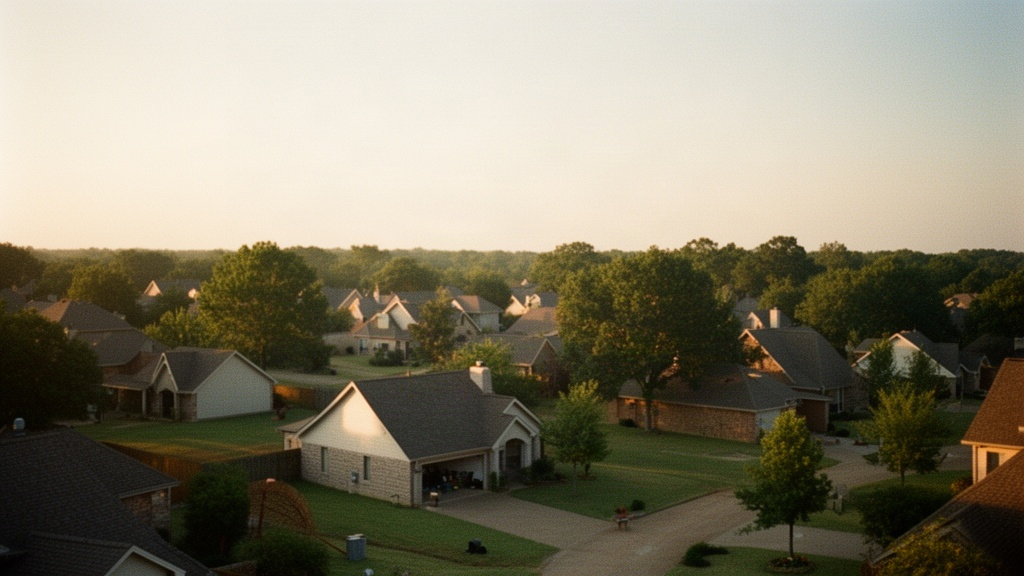
Woodbridge occupies the southwestern corner of Vaughan, bordered roughly by Highway 400 to the east, Highway 7 to the south, and the Humber River valley to the west. The community grew substantially through the 1990s and 2000s, which means most of its residential stock consists of brick detached homes, semis, and freehold townhouses built between roughly 1988 and 2010, with a newer wave of stacked townhouses and mid-rise condos added since 2015.
For buyers and sellers researching the broader Vaughan and York Region context, the REMAX York Region Housing Market Outlook provides a useful macro view of where the region is heading, which helps frame the Woodbridge-specific numbers below.
How Woodbridge Differs From Other York Communities
Compared to communities like Thornhill or Richmond Hill further east in York Region, Woodbridge has a denser concentration of Italian-Canadian businesses, restaurants, and cultural institutions along Islington Avenue and Rutherford Road. The Boyd Conservation Area, which runs along the Humber River through the western edge of Woodbridge, gives the community a natural boundary that most York Region suburbs lack: several kilometres of ravine trail, picnic areas, and forested paths within a short drive of most residential streets.
Woodbridge is also one of the few communities in York Region where you can walk to a commercial main street from a detached home. The Woodbridge Village area around Islington Avenue and Woodbridge Avenue has bakeries, independent shops, and restaurants within a short walk of older residential streets, which is a physical characteristic that distinguishes it from the more car-dependent pockets of Vellore Village or Sonoma Heights.
2. Woodbridge Real Estate Prices in September 2026
Prices in Woodbridge currently sit above the York Region average for detached homes, reflecting the community's established infrastructure, lot sizes, and proximity to Highway 400 and Highway 407. The Woodbridge, York, Canada real estate market guide numbers below are drawn from Vaughan-area transaction data as of September 2026 and should be used as orientation, not as a substitute for a current comparative market analysis on a specific property.
Detached Home Prices
Detached homes in Woodbridge are currently trading in a wide range depending on the pocket. Older detached homes in the Woodbridge core and along the Islington corridor, typically two-storey brick builds from the late 1980s and early 1990s on lots of 40 to 50 feet wide, are generally listing in the $1.15 million to $1.45 million range as of September 2026. Newer detached homes in Vellore Village and Sonoma Heights, which tend to have larger footprints and double-car garages, are generally priced from $1.4 million to $1.9 million depending on square footage and lot depth.
The upper end of the Woodbridge detached market, particularly estate-style homes in Pine Valley Drive corridors with lots of 60 feet or wider, can reach $2.2 million to $2.8 million. These properties typically feature stone exteriors, three-car garages, and finished basements, and they tend to sit on the market longer than mid-range product because the buyer pool is narrower.
Townhouses and Semi-Detached Homes
Freehold townhouses in Woodbridge represent a significant portion of the market and offer buyers a detached-style lifestyle at a lower entry point. These properties, most of which are three-storey builds with an attached garage, are currently trading in the $900,000 to $1.15 million range. Semi-detached homes, which are somewhat less common in Woodbridge than in older parts of York Region like Weston, are generally priced between $950,000 and $1.2 million depending on the street and condition.
Freehold towns in Woodbridge typically come with private driveways and no condo fees, which makes them attractive to buyers who want to avoid monthly maintenance costs. The trade-off is that maintenance responsibilities, including roofing, driveway, and exterior upkeep, fall entirely on the owner.
Condos and Stacked Towns
The condo segment in Woodbridge is smaller than in downtown Vaughan or the Highway 7 corridor, but it has grown noticeably since 2018. Stacked townhouses and low-rise condo units in the Woodbridge area are currently priced from roughly $650,000 for a one-bedroom-plus-den to $850,000 for a two-bedroom unit with parking. Monthly condo fees on these properties typically run between $400 and $650 depending on the building's amenities and age.
For a broader view of current Vaughan pricing trends that contextualizes these Woodbridge figures, Zolo's Vaughan Housing Market Report for September 2026 tracks active listings, average days on market, and sale-to-list ratios in near real time and is worth bookmarking if you are monitoring the market closely.
3. Woodbridge Neighbourhood Features and Housing Stock
Woodbridge is not a single neighbourhood but a collection of distinct pockets, each with its own street layout, era of construction, lot sizes, and proximity to amenities. Knowing the physical differences between these areas helps you interpret price differences and set realistic expectations before you start viewing properties.
Islington Woods and Sonoma Heights
Islington Woods sits in the northwest corner of Woodbridge and is characterized by curvilinear streets, mature tree canopy, and detached homes built primarily between 1990 and 2002. Lot sizes here tend to run 40 to 55 feet wide, and the homes are generally two-storey brick builds ranging from 2,000 to 3,200 square feet of above-grade living space. The area borders the Boyd Conservation Area, so several streets back onto green space or ravine lots, which command a premium of roughly $100,000 to $200,000 over comparable interior lots.
Sonoma Heights, located east of Islington Avenue and south of Major Mackenzie Drive, was developed slightly later, with most homes built between 2000 and 2010. The street grid here is more of a traditional subdivision pattern, with crescents and courts feeding off collector roads. The housing stock skews slightly larger than Islington Woods, with many homes in the 2,500 to 3,800 square foot range and double-car garages standard on most lots.
Vellore Village
Vellore Village is the newest major residential pocket in Woodbridge, with development concentrated between 2005 and the present day. The neighbourhood sits north of Highway 400 and Rutherford Road and is anchored by the Vaughan Mills Shopping Centre, which puts a large-format retail node within a short drive of most streets. Detached homes here are generally larger than older Woodbridge stock, with many builds exceeding 3,000 square feet, and the area also has a significant inventory of freehold townhouses and stacked towns that were built to serve the growing demand for lower entry-price product.
Vellore Village is also the pocket of Woodbridge with the most new condo and townhouse development currently underway. If you want to understand what is being built and where, the article on new condo and housing developments in York, Canada covers the current pipeline in detail.
Pine Valley and Woodbridge Core
The Pine Valley Drive corridor in western Woodbridge contains some of the largest and most architecturally distinctive residential lots in the community. Homes along and near Pine Valley Drive are frequently custom or semi-custom builds on lots of 60 to 100 feet wide, with stone or brick exteriors, three-car garages, and finished lower levels. This is the segment of the Woodbridge market where you see the most architectural variation, from traditional Georgian-style builds to contemporary flat-roof designs.
The Woodbridge core, centred around Islington Avenue and Woodbridge Avenue, is the oldest part of the community. Homes here are a mix of post-war bungalows, 1970s splits, and 1980s two-storeys on narrower lots, often 30 to 40 feet wide. These properties attract buyers who want to be within walking distance of the village commercial area, and they also attract investors who see the older bungalow stock as a candidate for renovation or replacement.
4. Market Conditions and Timing for Buyers and Sellers
The Woodbridge market in September 2026 is operating in a more balanced environment than the extreme seller conditions of 2021 and 2022, but it is not a buyer's market across the board. Well-priced detached homes in the $1.2 million to $1.6 million range are still moving within two to three weeks, while overpriced listings and properties with significant deferred maintenance are sitting for 45 to 60 days or longer.
What the Current Market Feels Like
Inventory in Woodbridge has been higher in 2026 than in the previous two years, which means buyers have more options and more negotiating room than they did in 2023 and 2024. Multiple-offer situations still occur on move-in-ready properties priced sharply, but they are not the norm the way they were during the peak. Conditional offers on financing and home inspection are being accepted again on most listings, which is a meaningful shift for buyers who felt squeezed out of the market during the no-conditions era.
When to List and When to Offer
For sellers, the September and October window in Woodbridge has historically been one of the two strongest listing periods in the year, alongside the spring market in March and April. Buyer activity tends to pick up after the Labour Day weekend and sustains through mid-November before tapering into the holiday season. If you are weighing whether to list now or wait until spring, the article on whether to list your home in September 2026 or wait until spring walks through the trade-offs in detail.
For buyers, the fall market in Woodbridge offers a practical advantage: properties that did not sell in the spring and summer are often re-listed with adjusted prices or motivated sellers, and new listings come to market with sellers who have realistic expectations shaped by what they watched happen to their neighbours' properties over the summer.
What Is Driving Demand in Woodbridge Right Now
Several structural factors continue to support demand in Woodbridge specifically. Highway 400 access connects the community to downtown Toronto in roughly 30 to 45 minutes in off-peak conditions, and the Highway 407 interchange at Islington Avenue gives residents a toll-road option for reaching Mississauga, Brampton, and points east without travelling through the 400-401 interchange. The Vaughan Metropolitan Centre subway station, which is a short drive east on Highway 7, extended the TTC's Line 1 into Vaughan and gave Woodbridge residents a viable transit option to downtown Toronto without driving the full distance.
The Woodbridge area also benefits from a concentration of commercial and light industrial employment along the Highway 400 corridor, which means some residents work within a 10 to 15 minute drive of home. That local employment base partially insulates the community from pure commuter-market dynamics and supports year-round demand that does not depend entirely on downtown Toronto job conditions.
5. Practical Buying and Selling Considerations in Woodbridge
Understanding the Woodbridge market is only part of what you need to navigate a transaction successfully. The costs and timelines involved in buying or selling in York Region carry their own complexity, and being prepared for them before you start avoids surprises that can derail a deal.
Costs Beyond the Purchase Price
Buyers in Woodbridge need to budget for Ontario Land Transfer Tax, which on a $1.4 million purchase works out to approximately $26,475 for a non-first-time buyer. First-time buyers receive a provincial rebate of up to $4,000, which reduces that figure meaningfully. For a full breakdown of what to expect, the article on land transfer tax costs when buying a home in York, Ontario explains the calculation in plain terms.
Beyond land transfer tax, buyers should budget for legal fees (typically $1,500 to $2,500), title insurance (roughly $300 to $500), a home inspection ($450 to $700 for a detached home of average size), and moving costs. The complete picture of closing costs for a Woodbridge purchase is covered in the article on closing costs beyond the purchase price when buying a house in York, Canada.
Property Taxes in York
Property taxes on a detached home in Woodbridge assessed at $1.4 million are currently running in the range of $7,000 to $9,500 per year, depending on the City of Vaughan's tax rate and the specific assessed value assigned by MPAC. The assessed value used for tax purposes is often lower than the current market value, which means buyers sometimes pay less in property tax than the purchase price alone would suggest. For a detailed look at how property taxes work across York, the article on property taxes for a detached house in York, Canada is worth reading before you finalize your monthly budget.
Working With a Local Agent
The Woodbridge market has enough micro-variation between pockets that comparable sales from one street can be misleading when applied to a property three blocks away. A ravine lot in Islington Woods, a backing-onto-park lot in Sonoma Heights, and an interior lot in Vellore Village can all be the same size on paper but carry very different values in practice. Having an agent who knows which streets command premiums and why is not a luxury in this market; it is the difference between paying the right price and overpaying by $80,000 to $150,000.
For buyers specifically, the guide on who to hire when buying a home in Vaughan and York, Canada explains what to look for in a buyer's agent and why local expertise in a specific community matters more than a large team or a high transaction volume spread across the entire GTA.
FAQ
What is the average home price in Woodbridge, York, Canada right now?
As of September 2026, detached homes in Woodbridge are generally trading between $1.15 million and $1.9 million depending on the pocket, with estate-style homes on the Pine Valley corridor reaching $2.2 million to $2.8 million. Freehold townhouses are broadly in the $900,000 to $1.15 million range, and condo and stacked-town units start around $650,000. These are orientation figures; the actual value of any specific property depends on its condition, lot, street, and what comparable homes have sold for in the past 60 to 90 days. A current comparative market analysis from a local agent is the only reliable way to price a specific property accurately.
Is it a good time to buy in Woodbridge in September 2026?
The fall market in Woodbridge offers buyers more inventory and more negotiating room than the spring market typically does, and conditional offers on financing and inspection are being accepted on most listings as of September 2026. Properties that did not sell during the summer are often re-listed with adjusted expectations, and sellers who come to market in September are generally motivated to close before year-end. Whether it is the right time for you specifically depends on your financing, your timeline, and what product is available in your price range, all of which are worth discussing with a local agent who can show you what is active and what has recently sold.
What are the main differences between Woodbridge neighbourhoods when it comes to housing stock and price?
The Woodbridge core and Islington Woods areas contain the oldest residential stock, typically 1980s and 1990s two-storey brick homes on 40 to 50 foot lots, and they tend to be priced lower than newer pockets. Sonoma Heights and Vellore Village offer larger homes built from 2000 onward, often with double-car garages and more square footage, and they price accordingly. The Pine Valley corridor contains the largest and most custom-built properties in the community, on wider lots, and commands the highest prices. Knowing which pocket matches your budget and lifestyle priorities before you start viewing properties will save you significant time and prevent you from comparing properties that are not actually comparable.