
← Back to Blog
Market Trends
York, Canada Has the Most Experience Real Estate Market Guide: Prices, Neighborhoods and Timing
By Amanda Ferri-Magrone
Gervasi Real Estate Group
September 28, 2026 · 11 min read
York, Canada has the most experience real estate market guide you will find if you want real numbers, real neighborhood details, and honest timing advice, not generic talking points that could apply to any city in the country. This guide covers what properties are actually selling for across York's distinct communities in September 2026, how long homes are sitting before they sell, and what the physical landscape of each area looks like so you can make a grounded decision. Whether you are buying, selling, or relocating, the specifics here are meant to replace guesswork with local knowledge.
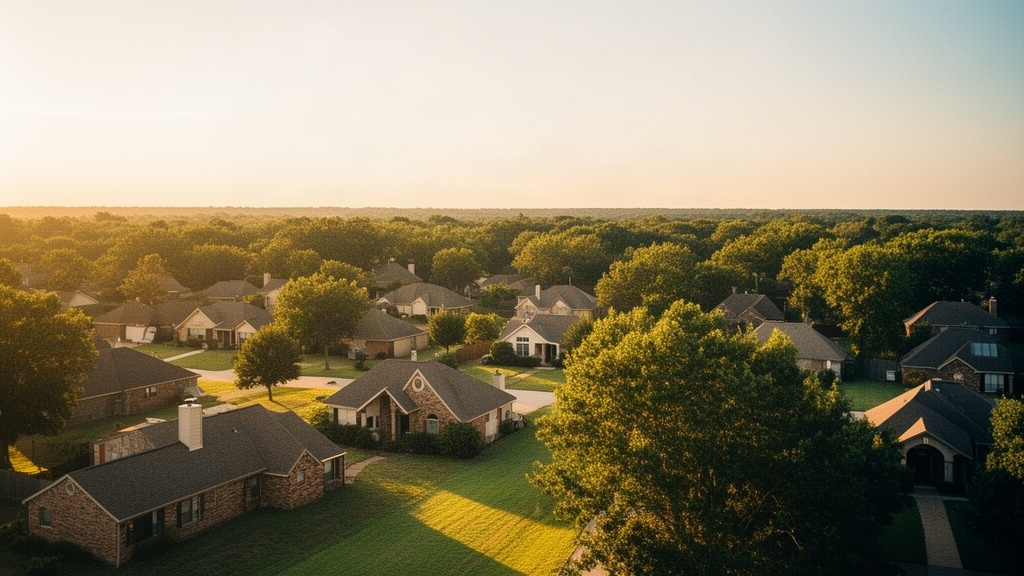
1. What the York, Canada Real Estate Market Looks Like Right Now
York's market in September 2026 is active but measured. The frenzied multiple-offer environment that defined 2021 and early 2022 has settled into a market where buyers have more time to think and sellers who price accurately still move their properties within a reasonable window. That balance is meaningful for anyone making a decision right now.
Current Price Ranges Across Property Types
Detached homes across York Region are trading in a wide band depending on location and lot size. In the inner communities closer to Toronto's border, detached houses on standard 25 to 40 foot lots are generally ranging from the high $800,000s to the low $1.2 million range as of September 2026. Move further north into communities like Thornhill or Woodbridge and detached homes on larger lots, often 50 feet or wider, push into the $1.3 million to $1.8 million range, with executive and custom builds going considerably higher.
Semi-detached properties remain one of the most competitive segments in York. Well-maintained semis in areas like Weston and the Mount Dennis corridor are drawing buyers in the $750,000 to $950,000 range. Townhouses, both freehold and condo-townhouse formats, are sitting between $650,000 and $950,000 depending on whether they have a garage, finished basement, and proximity to a GO or TTC station. Condos, particularly in the North York portion of the York Region boundary, are ranging from $520,000 for a one-bedroom to $850,000 and above for a two-bedroom-plus-den with parking.
For a deeper look at how these numbers break down by property type, the York Region Housing Market Outlook from RE/MAX Canada offers a useful regional overview you can cross-reference with what you are seeing in specific neighbourhoods.
How Long Homes Are Sitting on Market
Days on market is one of the most honest signals in any local market. In York right now, correctly priced detached and semi-detached homes are generally selling within 14 to 28 days of listing. Properties that come to market overpriced by even 5 to 8 percent are sitting 45 days or longer and often requiring a price reduction before attracting an offer, which changes the negotiating dynamic considerably.
The condo segment is taking longer on average, with many units sitting 30 to 50 days before conditional or firm offers come in. This is partly a reflection of increased inventory in the condo category across the broader Toronto and York Region corridor in 2026, which gives condo buyers more negotiating room than they had two or three years ago.
2. York's Key Communities: What the Housing Stock Actually Looks Like
York is not a single neighbourhood; it is a layered geography of older urban communities, mid-century suburbs, and newer master-planned developments. Understanding what the housing stock physically looks like in each area helps buyers set realistic expectations and helps sellers understand where their property fits in the market.
Weston and Mount Dennis
Weston sits along the Humber River and carries a housing stock that is largely pre-1960, with two-storey brick detached homes, brick semis, and a smattering of wartime bungalows on 25 to 33 foot lots. The neighbourhood has direct access to the Weston GO station, which puts Union Station roughly 25 minutes away by train. Prices for detached homes here are generally in the $850,000 to $1.1 million range as of September 2026, making it one of the more accessible entry points for a detached property within York's boundaries.
Mount Dennis, immediately to the east of Weston, has a similar brick housing stock from the 1940s through 1960s. The Eglinton Crosstown LRT, which has been a long-running infrastructure project, connects Mount Dennis to the broader transit grid. The combination of transit access and relatively lower entry prices compared to more northern York communities has kept buyer interest steady in this area. For more on navigating the schools question in this part of York, see the guide on finding your zoned school by address in Mount Dennis, which walks through how to look up school boundaries directly through the Toronto District School Board.
Thornhill and Woodbridge
Thornhill straddles the boundary between the City of Vaughan and the Town of Markham, with the western portion falling under Vaughan and the eastern portion under Markham. The housing stock here is predominantly 1980s through early 2000s construction: two-storey brick detached homes on 40 to 60 foot lots, often with double-car garages, finished basements, and mature trees along the boulevards. Prices in Thornhill for detached homes are currently ranging from roughly $1.2 million to $1.8 million depending on the specific street, lot depth, and whether the home has been updated.
Woodbridge, in the City of Vaughan, has a mix of 1970s through 1990s detached homes alongside newer builds from the 2000s and 2010s. Lot sizes here tend to be generous by York standards, with many properties sitting on 50 foot lots or wider. The Vaughan Metropolitan Centre subway station, at the northern terminus of the TTC's Line 1 extension, is roughly a 10 to 15 minute drive from most Woodbridge streets, making it a transit-accessible option for commuters who prefer to drive to the station rather than walk. If you want a full breakdown of what the Woodbridge market looks like in detail, the dedicated guide covers it thoroughly.
North York Pockets Within the York Region Boundary
The northern stretches of North York, particularly around Yonge Street north of Sheppard Avenue, contain a dense mix of high-rise condominiums, low-rise stacked townhouses, and older bungalows on large lots that attract builders. This area is one of the most transit-rich parts of the York corridor, with subway access on both the Yonge-University line and the Sheppard line. Buyers considering condos in this zone will find a wide range of building ages, from 1980s concrete towers to glass-and-steel buildings completed within the last five years, each with very different maintenance fee structures and amenity packages.
If you are weighing a condo purchase in this part of York, the guide on buying a condo in North York covers what to look for in the status certificate, maintenance fee trends, and what questions to ask before you make an offer.
3. What Drives Prices in York: The Local Factors That Actually Matter
Price in York is not determined by a single factor; it is the result of several overlapping variables that interact differently depending on the street and property type. Knowing which variables carry the most weight in a specific sub-market is where local experience translates directly into money, either saved or earned.
Transit Access and Commute Infrastructure
Proximity to GO stations, subway stops, and major bus rapid transit corridors has a measurable effect on property values across York. Homes within a 10-minute walk of a GO station in Weston, for example, command a premium over comparable homes that require a 20-minute bus ride to reach the same station. The Barrie GO line running through Weston, the Yonge-University subway extension into Vaughan, and the Eglinton Crosstown LRT all create transit catchment zones where prices cluster higher.
For buyers who plan to commute downtown, the difference between a 25-minute GO train ride and a 55-minute bus-and-subway journey is not just a lifestyle consideration; it shows up in resale value. Properties in the Weston GO catchment area have historically sold at a 4 to 7 percent premium over comparable homes in areas without direct rail access, based on transaction patterns observed across the corridor.
Lot Size, Housing Era, and Architecture
Lot size is one of the most straightforward price drivers in York's ground-level housing market. A 50-foot lot in Woodbridge or Thornhill carries land value that a 25-foot lot in Weston does not, even if the house sitting on each lot is similar in size and condition. Builders and investors are acutely aware of this, which is why 50-foot or wider lots in any York community attract a premium that sometimes exceeds the value of the existing structure.
Housing era also matters because it determines what a buyer is walking into from a maintenance standpoint. A 1940s brick home in Weston may have original knob-and-tube wiring, cast-iron plumbing, and a furnace nearing end of life. A 1995-built home in Thornhill may have newer mechanicals but an older kitchen and bathrooms. A 2015-built home in Woodbridge may require almost no immediate capital expenditure. Each scenario carries a different true cost of ownership, and buyers who factor that in negotiate more effectively.
New Development Activity
York Region has seen significant new condominium and townhouse development over the past decade, and that pipeline continues to shape the resale market in 2026. When a large number of new condo units register and deliver occupancy in a concentrated area, it temporarily increases resale inventory in that micro-market as investors who bought pre-construction decide to list. This dynamic has been visible in parts of North York and in the Vaughan Metropolitan Centre area, where new supply has kept price growth in the condo segment more moderate than in the detached and semi-detached categories.
4. Timing the York Market: When to Buy and When to List
Timing in real estate is never about finding a perfect moment; it is about understanding the rhythm of the local market and positioning yourself within it strategically. York's market has seasonal patterns that are consistent enough to plan around, even if the specifics shift year to year.
The September Window for Sellers
September is one of the stronger listing months in York, and right now the market reflects that. Buyers who paused their search over the summer are re-entering the market in September and October, motivated by the desire to be settled before the holiday season and before the end of the year. Sellers who list in September face less competition than they will in the spring rush, and they are dealing with buyers who are serious rather than casually browsing.
The decision to list now versus waiting until spring involves more variables than just the calendar. Mortgage rate expectations, your own carrying costs, and whether the spring market brings more competition from comparable listings all factor in. For a structured look at that decision, the article on whether to list in September 2026 or wait until spring walks through the trade-offs specific to York's market conditions this fall.
What Buyers Should Know About Inventory Cycles
York's inventory typically peaks in spring, between March and May, and again in September and October. The summer months of July and August see fewer listings, which can create a false sense of scarcity. Buyers who wait until October or November often find that sellers are more motivated, having missed the prime September window, and that there is slightly more room to negotiate on price or conditions.
December and January are the slowest months for new listings in York, but they are not dead months. Serious sellers who list in December tend to be genuinely motivated, and buyers willing to search during the holiday period often encounter less competition for the properties that are available. The trade-off is a smaller selection, which can be frustrating if you are looking for a specific property type in a specific community.
5. Practical Steps Whether You Are Buying or Selling in York
York's market rewards preparation. Whether you are on the buying or selling side, the steps you take before you go active in the market determine how much leverage you have once you are in it.
For Buyers: Getting Positioned Before You Offer
The most common mistake buyers make in York is starting their property search before they have a mortgage pre-approval in hand. In a market where well-priced homes in Thornhill or Weston can receive two or three offers within the first week of listing, showing up without financing confirmation puts you in a weaker position than buyers who are ready to move. A pre-approval also clarifies your actual budget, which often differs from what an online calculator suggests once the lender looks at your full financial picture.
Beyond financing, buyers benefit from understanding the full cost picture before they start making offers. Land transfer tax in Ontario applies at both the provincial and, for properties within Toronto's boundaries, the municipal level. Legal fees, home inspection costs, title insurance, and moving expenses add up quickly. The guide on closing costs beyond the purchase price in York lays out what to budget for so there are no surprises at the lawyer's office.
For Sellers: Pricing With Precision
Pricing a home in York is not a matter of adding a percentage to what you paid or matching the number your neighbour got two years ago. It requires a current comparative market analysis that looks at what comparable properties have actually sold for in the last 60 to 90 days, adjusted for differences in lot size, condition, finishes, and location within the neighbourhood. A home on a quiet cul-de-sac in Thornhill prices differently than an otherwise identical home on a high-traffic arterial road, even if they are three blocks apart.
Sellers who engage an experienced local agent before they list, even weeks before the sign goes up, consistently achieve better outcomes than those who call an agent the week they want to list. Preparation time allows for strategic staging, pre-listing inspections that remove buyer objections, and a marketing plan that builds anticipation before the property hits MLS. The article on whether to call an agent before listing your home in York explains exactly why that lead time matters and what happens during it.
For a broader look at how York's market fits into the wider Canadian real estate picture in 2026, MoneySense's national real estate overview provides useful context on where York Region sits relative to other Canadian markets in terms of price trajectory and long-term fundamentals.
FAQ
What is the average home price in York, Canada right now?
As of September 2026, average prices in York vary significantly by community and property type. Detached homes in inner communities like Weston are generally ranging from the high $800,000s to around $1.1 million, while detached homes in Thornhill and Woodbridge are typically between $1.2 million and $1.8 million. Semis and freehold townhouses are trading in the $650,000 to $950,000 range depending on location and condition, and condos are ranging from roughly $520,000 for a one-bedroom to $850,000 and above for larger units with parking. These figures reflect active market conditions and shift with new comparable sales, so a current comparative market analysis from a local agent gives the most accurate picture for a specific property.
Is September 2026 a good time to sell a home in York?
September is historically one of the stronger months to list in York because buyers who paused their search over summer return to the market motivated to close before the end of the year. In September 2026, that pattern is holding, with buyer activity picking up and inventory still relatively contained compared to the spring peak. Sellers who price accurately and present their homes well are generally receiving offers within two to four weeks. The key risk in any fall listing is overpricing, since buyers in September are informed and have access to recent comparable sales data, and an overpriced home that sits past October loses momentum heading into the slower winter period.
How do I know which York neighbourhood to buy in?
The right community in York depends on your specific priorities: commute distance, property type, lot size, price range, and proximity to amenities like parks, libraries, and community centres. Weston and Mount Dennis offer older brick housing stock with direct GO train access to Union Station in roughly 25 minutes. Thornhill and Woodbridge offer larger lots, newer construction, and a quieter suburban environment with highway access. North York's northern stretches offer the densest transit access and the widest range of condo options. For school zoning information, use the Toronto District School Board or York Region District School Board's address lookup tools directly, since boundaries change and only the board's own data is current. Spending time in each community at different times of day, and walking the streets near properties you are considering, gives you information that no online search can replicate.