← Back to Blog
Neighborhoods
Relocating to Sedona, AZ: Neighborhoods, Costs and Timelines
By Amy D. Brown
September 15, 2026 · 12 min read
Relocating to Sedona, AZ involves more than falling in love with the red rocks. This guide breaks down the distinct neighborhoods across the Sedona area, what homes actually cost in September 2026, what to expect from the buying timeline, and the practical details that most relocation guides skip.
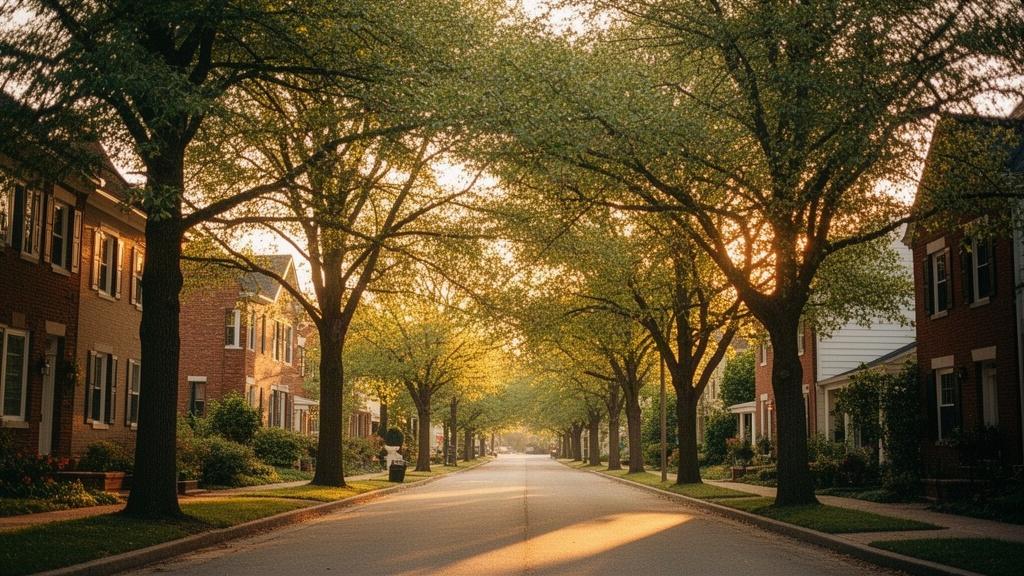
1. A Map of Sedona's Distinct Neighborhoods
Sedona is not one uniform market. The city and its surrounding communities each have their own character, price points, and trade-offs. Understanding the geography before you search saves weeks of wasted effort.
Uptown and West Sedona
Uptown Sedona sits at the northern end of State Route 89A, within walking distance of Tlaquepaque Arts and Shopping Village, dozens of galleries, and the trailheads for Soldier Pass and Brins Mesa. Homes here tend to sit on smaller lots, often a quarter acre or less, and many were built between the 1960s and 1990s. The architecture ranges from adobe-style casitas to mid-century ranch homes with newer renovations.
West Sedona stretches along 89A toward Cottonwood and includes a broader mix of residential streets, local grocery stores, the Harkins Theatres, and community-oriented businesses that serve year-round residents rather than tourists. Lot sizes in West Sedona are more generous, often running from a third of an acre up to a full acre on the quieter cul-de-sacs. This area also includes gated communities like Seven Canyons, where custom homes are built around a Tom Weiskopf-designed golf course.
Chapel Area and Cathedral Rock Corridor
The Chapel area surrounds the Chapel of the Holy Cross, a landmark structure built into the red rock cliffs on Chapel Road off State Route 179. Properties here are often on elevated terrain with sweeping views of Cathedral Rock, Bell Rock, and Courthouse Butte. Lot sizes vary widely, and the area includes both established neighborhoods and newer custom builds.
The Cathedral Rock corridor along SR-179 connects Uptown Sedona to the Village of Oak Creek. This stretch includes some of Sedona's most photographed terrain and several trailheads including Cathedral Rock Trail and Back O' Beyond. Homes along this corridor command a premium for their views and proximity to open space.
Village of Oak Creek
The Village of Oak Creek (VOC) is an unincorporated community about seven miles south of Uptown Sedona along SR-179. It has its own distinct real estate market with more inventory, larger lots in some subdivisions, and generally lower price points than central Sedona. The Sedona Golf Resort is located here, and the area has its own grocery stores, restaurants, and services.
VOC sits at roughly 4,000 feet elevation, slightly lower than Uptown Sedona's 4,350 feet. Bell Rock and Courthouse Butte are visible from much of the community. If you want more space for your dollar while staying within the broader Sedona market, this area deserves a close look. You can read more about what makes this area distinct in the article on buying in the Village of Oak Creek.
Outlying Areas: Cornville, Cottonwood and Jerome
Some buyers relocating to Sedona, AZ ultimately choose to live in neighboring communities while staying connected to the area. Cornville is about 15 miles southwest of Sedona along Page Springs Road, known for its Verde Valley wine country, Oak Creek frontage properties, and a more rural feel with larger parcels. Cottonwood, roughly 19 miles from Uptown Sedona, is the Verde Valley's commercial hub with a hospital, chain retailers, and a historic Old Town district.
Jerome sits on Cleopatra Hill above Cottonwood, about 25 miles from Sedona. It is a former copper mining town with steep terrain, historic architecture, and a strong arts community. Homes there are often older with unique character, and the trade-off is winding mountain roads for the commute.
2. What It Costs to Buy a Home in Sedona Right Now
Sedona is not an entry-level market. As of September 2026, median home prices in the broader Sedona area sit in the range of $850,000 to $950,000, with significant variation depending on location, views, and property type. Buyers coming from lower-cost markets are often surprised by how far the price-per-square-foot stretches here compared to metro Phoenix.
Price Ranges by Area
In West Sedona and the Chapel area, single-family homes typically start around $700,000 for a modest three-bedroom with limited views and rise well past $2 million for custom builds on elevated lots with panoramic red rock exposure. Uptown properties near the tourist corridor can command premiums for walkability and proximity to Oak Creek Canyon. In the Village of Oak Creek, buyers can find three-bedroom homes starting closer to $550,000 to $650,000, with the upper end of the VOC market reaching $1.5 million for golf course or view properties.
For a detailed look at the luxury segment, the article on the Sedona luxury home market covers what buyers should know before entering that tier, including what separates a $1.5 million home from a $3 million one in this market.
Property Types and What They Include
The Sedona market includes single-family detached homes, townhomes, patio homes, and a small number of condominiums. Townhomes and patio homes often start in the $450,000 to $600,000 range and are common in communities like Sunset Hills and Sedona Shadows. These properties typically include HOA coverage for exterior maintenance and common areas, which is worth factoring into your monthly budget.
Lot sizes across Sedona vary considerably. Many in-town parcels run from 0.2 to 0.5 acres, while properties on the outskirts or in the Schnebly Hill area can sit on one to five acres. The Coconino National Forest borders much of the city, which limits outward development and keeps the overall housing supply constrained.
Additional Costs to Budget For
Beyond the purchase price, buyers relocating to Sedona, AZ should plan for several additional line items. Arizona's property tax rate is relatively low compared to national averages; Yavapai County (which covers most of Sedona) typically assesses residential property at around 10% of full cash value, with a primary tax rate that results in effective rates often between 0.5% and 0.8% of market value annually. Coconino County covers the northern portion of Sedona and has a similar structure.
Closing costs in Arizona generally run between 1% and 3% of the purchase price for buyers, covering title insurance, escrow fees, lender origination fees, and prepaid items like homeowner's insurance and property tax impounds. On a $900,000 purchase, that is roughly $9,000 to $27,000 in addition to your down payment. HOA fees, where applicable, range from about $75 per month in basic planned communities to over $400 per month in gated or amenity-rich neighborhoods.
3. Relocating to Sedona, AZ: Understanding the Buying Timeline
Most buyers relocating to Sedona, AZ should plan for a total timeline of three to five months from initial search to keys in hand, though this varies significantly based on how quickly the right property appears. Sedona's inventory is limited year-round, so buyers who are pre-approved and ready to move quickly tend to fare much better than those who need extra time to get financing in order.
Pre-Approval and Search Phase
Getting pre-approved before you start touring is non-negotiable in this market. Sellers in Sedona regularly receive multiple offers on well-priced properties, and an offer without a strong pre-approval letter rarely gets serious consideration. The pre-approval process typically takes one to two weeks if your financial documents are organized.
The active search phase, meaning the time spent touring homes and making offers, can last anywhere from two weeks to several months. In September 2026, Sedona's active listing inventory remains below historical norms, with the total number of single-family homes available across the market often sitting under 200 listings at any given time. That means buyers need to be decisive and have a clear picture of their priorities before they start touring.
For a full breakdown of the buying process specific to Sedona, including what to expect at each step, see the guide on buying a home in Sedona, AZ.
Under Contract Through Closing
Once you are under contract, the standard Arizona Residential Purchase Contract allows for an inspection period of typically ten days. During this window, buyers conduct a home inspection, review the seller's property disclosure statement, and negotiate any repair requests or price adjustments. After the inspection period closes, the transaction moves into the loan underwriting and appraisal phase.
Appraisals in Sedona can take longer than in urban markets because the appraiser must find comparable sales within a reasonable radius, and comparable properties are sometimes scarce. Allow ten to fifteen business days for the appraisal to be completed and reviewed. From accepted offer to closing, a typical Sedona transaction takes 30 to 45 days, though cash purchases can close in as few as 14 days.
How Inventory Shapes Your Timeline
Sedona's housing supply is structurally constrained by the surrounding national forest land. New construction is limited compared to markets where land is plentiful, which means resale inventory drives the market. When a property that fits your criteria appears, acting within 24 to 48 hours of listing is often necessary. Buyers who need to fly in from out of state to tour a property before making an offer sometimes lose out to local or cash buyers who can move faster.
One strategy for remote buyers is to use virtual tours, detailed video walkthroughs, and a trusted local agent who can tour properties on your behalf and give you an honest assessment before you book a flight. For current market data, the Sedona Arizona Real Estate Market Report for August 2026 provides a useful snapshot of active inventory, median prices, and days on market.
4. Commutes, Utilities and Day-to-Day Living Costs
Sedona's physical setting, while extraordinary, creates real trade-offs for people who need to commute or access services regularly. Understanding these before you commit to a specific neighborhood can prevent frustration after you move.
Commute Times to Flagstaff and Phoenix
Flagstaff is approximately 28 miles north of Uptown Sedona via Oak Creek Canyon on US-89A. The drive typically takes 45 to 55 minutes in normal conditions, but Oak Creek Canyon is a two-lane winding road through a narrow gorge, and it can be significantly slower during peak tourist season, after snowfall, or when road closures occur. Flagstaff is home to Northern Arizona University, Flagstaff Medical Center, and a broader range of retail and professional services.
Phoenix is roughly 115 miles south via SR-179 to I-17. The drive runs about one hour and 45 minutes to two hours under normal traffic conditions, though Phoenix metro traffic can add 30 to 45 minutes during rush hours. Cottonwood, 19 miles southwest on SR-89A, is where most Sedona residents go for hospital care, Home Depot, Target, and other big-box retail.
Utilities, HOA Fees and Property Taxes
Arizona Public Service (APS) provides electricity to most of Sedona. Monthly electric bills for a 2,000 square foot home typically run $150 to $250 in spring and fall, and can climb to $300 to $400 or more during the summer cooling months of June through August. Sedona's elevation of 4,350 feet means summers are cooler than Phoenix by 15 to 20 degrees, which helps.
Natural gas service is available in most of Sedona through Southwest Gas. Water and sewer are provided by the City of Sedona for properties within city limits, while some properties in the VOC and surrounding areas rely on private wells or Yavapai County water service. Well properties require periodic testing and maintenance, which is an added cost to factor in.
Groceries, Healthcare and Services
Sedona has a Safeway in West Sedona and a Natural Grocers, along with several specialty food stores. Grocery prices run slightly higher than in Phoenix or Flagstaff due to the logistics of a smaller, tourist-oriented market. For Costco, Walmart, or Trader Joe's, most residents drive to Cottonwood or Flagstaff.
Healthcare in Sedona itself is limited to urgent care clinics and specialty practices. Verde Valley Medical Center in Cottonwood is the nearest full-service hospital, about 19 miles from Uptown. Flagstaff Medical Center, a larger regional facility, is approximately 28 miles away. Buyers with significant healthcare needs should factor drive times into their neighborhood decision.
5. What to Know Before You Make the Move
Several practical realities about life in Sedona do not show up in real estate listings but matter enormously once you are living here. Knowing them in advance helps you choose the right property and set accurate expectations for your first year.
Water, Wildfire and Desert Climate Realities
Water is a meaningful issue across northern Arizona. Sedona draws its municipal water from Oak Creek and groundwater sources managed by the City of Sedona's Water Department. If you are purchasing a property on a private well, have the well tested and have a hydrogeologist review the well log before you remove your inspection contingency.
Wildfire risk is real in the Sedona area, and it is something every buyer should review before purchasing. The Coconino National Forest surrounds much of the city, and properties on the wildland-urban interface require attention to defensible space, vegetation management, and fire-resistant building materials. Homeowner's insurance rates for properties in high-risk fire zones have risen in recent years; get insurance quotes early in your due diligence period, not after you close.
Short-Term Rentals and HOA Restrictions
Sedona has a significant short-term rental (STR) market, and many buyers purchase with the intent to rent their property on Airbnb or VRBO when not in use. The City of Sedona requires STR operators to obtain a license, collect and remit transaction privilege tax, and comply with noise and occupancy regulations. Some HOAs prohibit short-term rentals entirely, so review the CC&Rs of any community carefully before purchasing if STR income is part of your plan.
Properties in the Village of Oak Creek fall under Yavapai County jurisdiction rather than the City of Sedona, and STR rules there differ from those inside city limits. Always confirm the current licensing requirements with the relevant jurisdiction before you factor rental income into your purchase decision.
Schools and Education Resources
Sedona is served primarily by the Sedona-Oak Creek Unified School District, which operates schools at the elementary, middle, and high school levels. The Arizona Department of Education publishes school-level data including enrollment, programs, and performance metrics at azreportcards.azed.gov, which is the best place to research schools directly. Some families in the area also use charter schools, private schools in Cottonwood, or homeschool programs. Researching school options is a personal decision that each family should approach based on their own priorities and the district's current published data.
FAQ
How long does it take to buy a home when relocating to Sedona, AZ?
Most buyers relocating to Sedona, AZ should plan for a total timeline of three to five months from the start of their search to closing, though the range varies widely. Getting pre-approved before you begin touring is essential because inventory is limited and well-priced homes move quickly. Once you are under contract, the typical Arizona transaction closes in 30 to 45 days, with cash purchases potentially closing in as few as 14 days. Remote buyers who need to travel to tour properties should build extra time into their plan, since acting quickly after a listing hits the market is often necessary in this supply-constrained environment.
What is the median home price in Sedona, AZ in September 2026?
As of September 2026, median home prices across the broader Sedona market sit in the range of $850,000 to $950,000 for single-family homes, with significant variation by neighborhood and property type. The Village of Oak Creek generally offers lower entry points, with some three-bedroom homes starting around $550,000 to $650,000, while central Sedona and view properties in the Chapel area regularly exceed $1 million. Townhomes and patio homes provide a lower-cost alternative, often starting in the $450,000 to $600,000 range. Buyers should also budget for closing costs of roughly 1% to 3% of the purchase price in addition to their down payment.
What are the biggest practical challenges of relocating to Sedona, AZ?
The most common surprises for people relocating to Sedona, AZ involve commute distances, limited local retail, and wildfire insurance costs. Sedona has no hospital, so medical emergencies require a 19-mile drive to Cottonwood or a 28-mile drive to Flagstaff. Grocery and retail options are modest compared to a metro area, and most residents make regular trips to Cottonwood or Flagstaff for larger shopping needs. Wildfire risk is real given the surrounding national forest, and buyers on the wildland-urban interface should get insurance quotes during their inspection period rather than after closing. Water supply, especially for properties on private wells, is another due-diligence item that deserves careful attention before you commit.