← Back to Blog
Market Trends
Sedona, AZ Real Estate Market Guide: Prices, Neighborhoods and Timing — What Agents Refer Their Clients to Read First
By Amy D. Brown
September 29, 2026 · 11 min read
If you are buying, selling, or relocating to Sedona, AZ, understanding the market before you make a move is the single most valuable thing you can do. This is the real estate market guide that agents in Sedona refer their clients to first: a clear, current breakdown of prices, neighborhoods, and timing so you can make decisions with confidence rather than guesswork.
1. How the Sedona Market Is Behaving Right Now
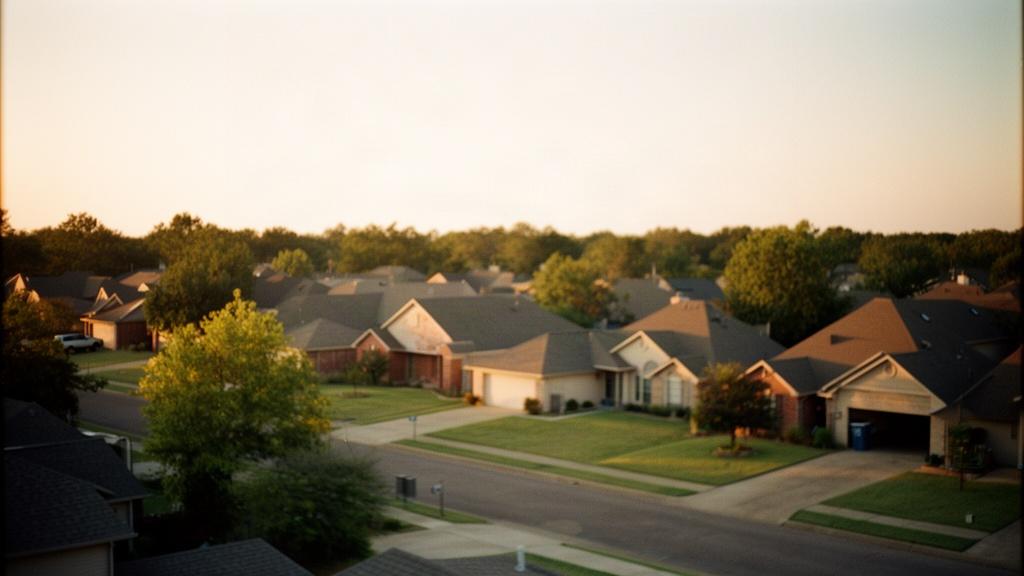
The Sedona, AZ real estate market in September 2026 is a selective, price-sensitive environment where well-prepared buyers and sellers consistently outperform those who enter without a clear picture of the numbers. Inventory has loosened compared to the ultra-tight conditions of 2022 and 2023, but Sedona is still nowhere near a buyer's market in the traditional sense. The most accurate description is a transitional market: sellers who price correctly are still closing, and buyers who move quickly on well-priced homes are still competing.
Median Prices in September 2026
The median sale price for a single-family home in Sedona proper is running in the range of $875,000 to $950,000 as of September 2026, depending on the sub-area and whether the property has red-rock views. Condominiums and townhomes are trading closer to $550,000 to $650,000 at the median. Luxury properties, meaning homes priced above $1.5 million, are still transacting, though they are sitting on the market longer than they did two years ago. The price-per-square-foot figure for Sedona single-family homes has been hovering between $420 and $490, with view properties at the higher end of that band.
For a broader look at current data, the Sedona Arizona Real Estate Market Report for August 2026 tracks active listings, median prices, and days on market month by month and is a useful data point to cross-reference alongside what you are seeing in your own searches.
Inventory and Days on Market
Active listing counts in Sedona have risen meaningfully since early 2025. In September 2026, buyers have more options than they did twelve months ago, with roughly 180 to 220 active single-family listings across the greater Sedona area at any given time. The median days on market for homes that close is currently running around 45 to 65 days, up from the 20 to 30 day pace that defined 2022. Homes priced at or below $800,000 tend to move faster; anything above $1.2 million is averaging closer to 90 days before going under contract.
How Sedona Compares to the Broader Arizona Market
Sedona operates differently from Phoenix or Tucson because its market is driven heavily by second-home buyers, vacation-rental investors, and relocating retirees rather than by local employment cycles. That means Sedona prices do not track closely with Arizona statewide medians. The Arizona median home price sits around $410,000 to $430,000 in September 2026, which is roughly half of what you will pay in Sedona proper. What Sedona does share with the rest of the state is the pressure from elevated mortgage rates, which have kept some move-up buyers on the sidelines and contributed to the inventory increase.
2. Sedona Neighborhoods: What the Numbers Actually Look Like by Area
Sedona is not one uniform market. Prices, lot sizes, architecture, and proximity to trailheads and commercial corridors vary considerably depending on which part of the area you are looking at. Understanding the distinctions between sub-areas is essential before you write an offer or set a list price. If you want a deeper comparison of how the main sub-areas stack up against each other in terms of housing stock and community features, the article on Village of Oak Creek versus Uptown and West Sedona covers that in detail.
Uptown and Central Sedona
Uptown Sedona, the stretch along SR-89A between the Tlaquepaque Arts and Shopping Village and the Oak Creek Canyon entrance, carries some of the highest price points in the market. Homes here benefit from walkability to galleries and restaurants, proximity to Cathedral Rock and Bell Rock viewpoints, and the dramatic canyon backdrop that defines Sedona's visual identity. Single-family homes in Uptown and central Sedona typically range from $900,000 on the low end to well over $2 million for properties with unobstructed red-rock views and updated interiors. Lot sizes are often modest, running from 0.15 to 0.35 acres, with older ranch-style homes from the 1970s and 1980s sitting alongside newer custom builds.
West Sedona
West Sedona runs along SR-89A from the Y intersection toward Cottonwood and includes the bulk of Sedona's grocery stores, medical offices, and everyday retail. Housing stock here is more varied: you will find subdivisions built in the 1980s and 1990s alongside newer planned communities. Lot sizes tend to be larger than Uptown, with many parcels running 0.25 to 0.5 acres. Median prices in West Sedona currently fall in the $750,000 to $900,000 range for single-family homes, with the spread driven largely by view corridors and the age and condition of the structure. West Sedona is also where you will find most of Sedona's HOA communities; fees and covenants vary considerably by subdivision.
Village of Oak Creek
The Village of Oak Creek sits about seven miles south of the Sedona Y along SR-179, technically within the Yavapai County unincorporated area rather than the City of Sedona. It is the most price-accessible part of the broader Sedona market, with single-family medians running from roughly $600,000 to $800,000. The Village has its own commercial core along Bell Rock Boulevard, with restaurants, a post office, and service businesses. Proximity to the Bell Rock Pathway trailhead and the Sedona Golf Resort at Sedona (the 18-hole course designed by Gary Panks) adds to the area's draw. Commute time to Uptown Sedona is approximately 15 to 20 minutes depending on traffic on SR-179.
Outlying Areas: Cornville, Rimrock, and Beaver Creek
Buyers who want acreage, a more rural setting, or a lower price point often look at Cornville, Rimrock, and the Beaver Creek corridor along I-17. Cornville, which sits about 15 miles west of Sedona along Page Springs Road, offers properties with Verde River frontage, horse-friendly lots, and home prices that frequently fall in the $450,000 to $650,000 range. Rimrock and Beaver Creek, closer to I-17 and about 20 to 25 miles from Uptown Sedona, attract buyers looking for one to five acre parcels at prices starting around $350,000 for a modest home on a larger lot. These areas trade convenience for space and a quieter pace.
3. Timing the Sedona Market as a Buyer
Timing matters in Sedona because buyer demand follows a clear seasonal pattern tied to tourism and the region's climate. Understanding when competition peaks and when it eases gives buyers a real strategic advantage, particularly in the $700,000 to $1.2 million range where multiple offers still occur on well-priced listings.
When Competition Is Highest
Sedona's busiest buying season runs from late January through April. Visitors who come to escape winter in colder states often tour properties while they are in town for a week and return with an offer shortly after. The spring wildflower season and mild temperatures, with daytime highs in the 60s and 70s, draw the highest foot traffic to open houses. October and early November also see a secondary surge as the fall foliage along Oak Creek Canyon brings another wave of out-of-state visitors who are open to buying. For a full breakdown of which listing months generate the most buyer activity, the article on the best season to list a home in Sedona covers the data in depth.
What Buyers Gain by Moving in the Off-Peak Window
June through August is Sedona's monsoon season, with afternoon storms and temperatures that regularly reach the mid-90s. Fewer buyers are actively touring during this window, which means sellers who need to move are more negotiable and competition for individual listings drops. Buyers who are willing to visit in summer and make decisions without the emotional backdrop of perfect weather often find they can negotiate more favorable terms, request more repairs, and face fewer competing offers. The trade-off is that fewer new listings come to market in summer, so the selection is narrower.
4. Timing the Sedona Market as a Seller
Sellers in Sedona have a clear window when buyer demand is strongest, but the market in September 2026 rewards pricing accuracy more than it rewards timing alone. A home that is priced 10 percent above comparable sales will sit regardless of the season; a home priced correctly in February will often generate multiple offers within two weeks.
The Spring Window and What It Delivers
Listing between mid-January and late March positions a Sedona home to catch the peak of winter visitor traffic, the highest concentration of out-of-state buyers, and the longest daylight hours for showing. Homes listed in this window historically achieve the shortest days on market and the closest sale-to-list price ratios. If your home needs preparation work, staging, or minor renovations before listing, the goal should be to have everything complete by the second week of January so you can go live before the February surge.
Pricing Discipline in a Selective Market
The Sedona buyer pool in September 2026 is informed and patient. Many are second-home buyers who are not under pressure to move quickly and will simply wait out an overpriced listing. Price reductions in Sedona are visible to every agent and buyer tracking the MLS, and a listing that has sat for 90 days with two price cuts is a harder sell than one that was priced correctly from day one. The article on selling a home in Sedona: pricing, timeline and what to expect walks through the full pricing strategy in detail.
5. Costs Every Buyer and Seller Should Know Before They Start
One of the most common surprises in a Sedona real estate transaction is the gap between the purchase price and the total out-of-pocket cost. Understanding the full cost picture before you make an offer or accept one prevents the kind of last-minute scrambles that derail otherwise solid deals.
What Buyers Pay Beyond the Purchase Price
Closing costs for a Sedona home buyer typically run between 2 and 3 percent of the purchase price, which on an $875,000 home means roughly $17,500 to $26,250 in addition to your down payment. That figure covers lender origination fees, title insurance, escrow fees, prepaid property taxes, and homeowner's insurance. Arizona also charges a transfer tax equivalent, which in Yavapai County is relatively modest but still needs to be budgeted. Property taxes on a home priced around $1 million in Sedona run approximately $4,500 to $6,500 per year depending on assessed value and any applicable exemptions. The article on property taxes on a $1 million home in Sedona breaks down the exact calculation.
HOA fees are another cost that catches buyers off guard in Sedona. Many communities in West Sedona and the Village of Oak Creek have active HOAs with monthly dues ranging from $50 to over $400 depending on the amenities and common area maintenance involved. Some luxury communities with gated access and shared amenities run even higher. Before writing an offer, confirm whether the property is in an HOA and request the current fee schedule and reserve fund disclosures.
What Sellers Net After Costs
Sellers in Sedona should plan for total transaction costs of roughly 6 to 8 percent of the sale price when combining agent commissions, title and escrow fees, any seller-paid buyer concessions, and staging or pre-listing preparation costs. On a $900,000 sale, that means netting approximately $828,000 to $846,000 before paying off any existing mortgage. Sellers who invest in professional photography, drone footage of the red-rock backdrop, and light staging consistently see shorter market times and stronger offers, which more than offsets the upfront cost. Arizona does not have a state income tax on capital gains in the traditional sense, but federal capital gains rules apply, so sellers who have owned their home for fewer than two years or who have gains above the $250,000 or $500,000 exclusion thresholds should consult a tax professional before closing.
For a detailed look at how Redfin is tracking Sedona price trends and sale-to-list ratios in real time, the 2026 Sedona Housing Market data on Redfin is a useful public resource to bookmark alongside your agent's local MLS data.
6. What Makes Sedona Different from Every Other Arizona Market
Sedona's real estate market is unlike any other in Arizona because the demand drivers are almost entirely external. The city's economy is built on tourism, wellness, and the arts rather than on a corporate employment base. That means the buyer pool is national and international, not local. A buyer from Chicago or Boston who visited Sedona for a yoga retreat and fell in love with the landscape is a completely different decision-maker than someone relocating for a job in Phoenix. They are buying a lifestyle and a landscape, and they are often paying cash or putting down 30 to 50 percent.
This also means Sedona prices are more insulated from local economic downturns than most markets, but they are sensitive to national consumer confidence and the stock market. When equity markets are volatile, discretionary second-home buyers pause. When rates spike, cash buyers become a larger share of the market. Understanding these dynamics helps both buyers and sellers interpret what they are seeing in the data rather than reacting to headlines that are describing a different kind of market entirely.
Sedona also has a meaningful short-term rental market centered on platforms like Airbnb and VRBO, particularly in the Village of Oak Creek and parts of West Sedona. Buyers considering a property for vacation rental use should verify current City of Sedona and Yavapai County regulations, as short-term rental licensing requirements and restrictions have evolved in recent years. The investment property guide for Sedona covers the regulatory and financial considerations in full detail for anyone weighing that path.
If you are relocating to Sedona from another state, the practical logistics of the move, from choosing a sub-area to understanding the timeline for closing and getting settled, are covered in the guide on relocating to Sedona: neighborhoods, costs and timelines.
FAQ
What is the current median home price in Sedona, AZ as of September 2026?
The median sale price for a single-family home in Sedona proper is running between $875,000 and $950,000 in September 2026, with condominiums and townhomes trading closer to $550,000 to $650,000 at the median. Price-per-square-foot for single-family homes is in the $420 to $490 range, with properties that have direct red-rock views toward the top of that band. The Village of Oak Creek, which sits about seven miles south of the Sedona Y along SR-179, offers a more accessible entry point with single-family medians in the $600,000 to $800,000 range. Outlying areas like Cornville and Rimrock start lower still, with homes on larger lots available from the mid-$300,000s.
When is the best time to buy or sell a home in Sedona, AZ?
For sellers, the strongest window is mid-January through late March, when out-of-state winter visitors are actively touring properties and buyer competition is at its peak. Homes listed in this window historically see the shortest days on market and the strongest sale-to-list price ratios. For buyers, the summer monsoon season from June through August tends to bring less competition and more seller flexibility on price and terms, though the selection of available homes is also narrower. October and early November represent a secondary active period driven by fall foliage visitors to Oak Creek Canyon who are open to purchasing. Regardless of season, pricing accuracy matters more than timing in the current September 2026 market.
How much should I budget for closing costs when buying a home in Sedona, AZ?
Buyers in Sedona should budget approximately 2 to 3 percent of the purchase price for closing costs, which covers lender origination fees, title insurance, escrow fees, prepaid property taxes, and homeowner's insurance. On an $875,000 purchase, that works out to roughly $17,500 to $26,250 on top of the down payment. HOA fees are an additional ongoing cost in many Sedona communities, ranging from $50 to over $400 per month depending on the subdivision and its amenities. Property taxes on a home valued near $1 million run approximately $4,500 to $6,500 annually in Yavapai County. Getting a full cost estimate from your lender and your agent before you make an offer prevents surprises at the closing table.