
← Back to Blog
Market Trends
Bryant, Arkansas Today Real Estate Market Guide: Prices, Neighborhoods and Timing
By Amy Eden
Coldwell Banker RPM Group
September 27, 2026 · 11 min read
If you are trying to make sense of the Bryant, Arkansas today real estate market, this guide covers everything in one place: what homes are selling for right now in September 2026, how the city's distinct pockets of housing stock differ from one another, what inventory looks like, and how to time your move. Bryant has grown into one of the most active real estate markets in the greater Little Rock metro, and the details matter when you are spending or receiving hundreds of thousands of dollars.
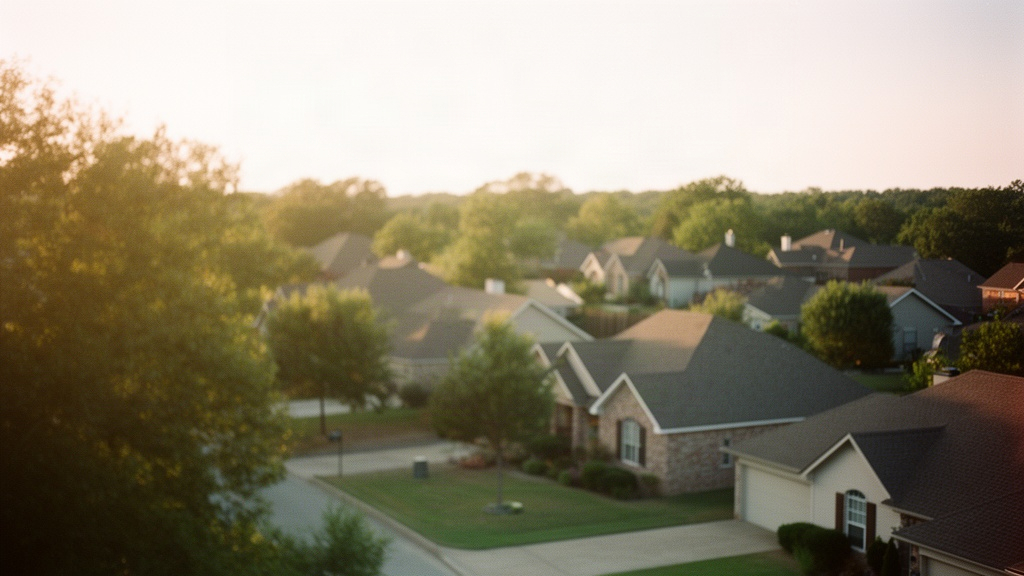
1. Where Home Prices Stand in Bryant Right Now
The median home sale price in Bryant sits in the low-to-mid $300,000s as of September 2026. That figure has held relatively steady through the first three quarters of 2026 after a period of rapid appreciation between 2021 and 2024. Price per square foot for a typical single-family home in Bryant currently runs between $130 and $165, depending on age, finish level, and lot size.
Entry-level homes, typically three-bedroom, two-bathroom houses built in the 1990s on lots of around a quarter acre, are trading in the $220,000 to $265,000 range. Move-up homes with four bedrooms, bonus rooms, and updated kitchens are concentrated between $300,000 and $420,000. Custom builds on larger lots at the edges of the city, particularly toward the Bryant School District's newer development corridors, can push past $500,000.
Median Sale Price and Price Per Square Foot
Breaking the numbers down by price tier gives buyers and sellers a clearer picture. Homes under $250,000 in Bryant move quickly, often receiving multiple offers within the first week of listing. The $300,000 to $380,000 range sees the highest transaction volume. Homes priced above $450,000 tend to sit longer, sometimes 45 to 60 days, as the pool of qualified buyers narrows at that level.
For a detailed look at exactly what prices are doing month over month, see What Are Home Prices Doing in Bryant Arkansas Right Now in September 2026, which tracks the specific data points buyers and sellers need before making an offer or setting a list price.
How Bryant Compares Within the Little Rock Metro
Bryant sits about 15 miles southwest of downtown Little Rock along Interstate 30. That location gives it a suburban character with its own city services, its own school district, and its own commercial corridor along Alcoa Road and Highway 5. Home prices in Bryant run noticeably lower than comparable square footage in west Little Rock zip codes like 72211 or 72223, which makes it a destination for buyers who want newer construction and more space without the price premium of the city's western suburbs.
According to statewide housing data tracked by Norada Real Estate's Arkansas Housing Market Forecast, Arkansas as a whole has seen price growth moderate from the double-digit annual gains of 2022 and 2023 toward a steadier 3 to 5 percent annual appreciation pace in 2026. Bryant has tracked closely with that statewide trend.
2. Bryant's Housing Stock: What You Will Actually Find
Bryant's housing supply is dominated by single-family detached homes built between 1985 and 2015, with a growing share of new construction added in the years since. You will find very few high-rise condos or mid-rise apartment conversions here. The city's residential character is firmly suburban, with subdivisions organized around cul-de-sacs, tree-lined streets, and lots that typically range from 0.18 to 0.5 acres.
Established Subdivisions and Older Neighborhoods
The areas closest to Highway 5 and Alcoa Road contain much of Bryant's older housing stock, built primarily in the late 1980s and through the 1990s. These homes typically run 1,400 to 2,000 square feet, feature brick exteriors, and sit on established lots with mature trees. Many have been updated by successive owners, so you will find a mix of move-in-ready properties and homes that still carry original fixtures and layouts. Prices in these sections generally start in the low $200,000s and top out around $290,000 for well-maintained examples.
Buyers who prioritize lot size and mature landscaping over brand-new finishes often find strong value in these established sections. Homes here tend to have more outdoor space relative to price than newer construction, and the neighborhoods are fully built out, meaning there is no construction traffic or unfinished common areas to contend with.
Newer Construction and Active Developments
Bryant has seen consistent new construction activity along its southern and eastern growth corridors, particularly off Collegeville Road and in subdivisions stretching toward the Saline County line. Builders active in these areas in 2026 are delivering four-bedroom homes in the 2,000 to 2,800 square foot range, with open floor plans, quartz countertops, LVP flooring, and two-car garages. Base prices on new builds start around $310,000 and climb past $420,000 for larger lots or premium elevation packages.
One practical consideration with new construction in Bryant is the timeline. Spec homes that are already framed or nearly complete can close in 30 to 60 days. To-be-built contracts typically run five to eight months from contract to keys. Buyers who need to sell a current home before closing should plan carefully around that window, and working with a local agent who knows which builders are running on schedule matters more than most buyers realize.
Shannon Hills and the City's Western Edge
Shannon Hills is a small city that sits adjacent to Bryant's western boundary and shares much of the same commercial infrastructure along Alcoa Road. Homes in Shannon Hills are predominantly ranch-style and split-level construction from the 1970s and 1980s, priced generally between $160,000 and $240,000. The lots tend to be larger than in newer Bryant subdivisions, and many properties have detached garages or workshop space. Buyers comparing Bryant and Shannon Hills options will find meaningfully different price points for similar square footage.
For a closer look at real estate options specifically in that area, the article on finding the best real estate agent in the Shannon Hills area of Bryant covers what buyers and sellers there should know before they start.
3. Inventory, Days on Market, and What They Mean for You
Bryant's active listing count in September 2026 reflects a market that has loosened somewhat from the extreme scarcity of 2022 but remains tilted toward sellers in the most popular price bands. Buyers have more choices than they did two years ago, but well-priced homes in the $250,000 to $350,000 range still move faster than the broader market average.
How Much Supply Is Out There Right Now
Active listings in Bryant currently represent roughly 1.8 to 2.4 months of supply when measured against the pace of recent closings. A balanced market sits around five to six months of supply, so Bryant is still running below that threshold. That said, the days-on-market figure has climbed from the 10 to 15 day averages seen in 2022. Homes in Bryant are now averaging closer to 28 to 40 days on market across all price points, with the fastest absorption still happening under $300,000.
Inventory peaks in Bryant during the spring and early summer months, typically April through June, when the largest number of sellers list simultaneously. Fall listings, including what is available right now in September 2026, tend to be fewer in total number but often represent motivated sellers who have a genuine reason to move before year-end. For a full breakdown of how inventory shifts by season, see the article on when inventory is highest for homes for sale in Bryant Arkansas.
What Absorption Rate Tells Buyers and Sellers
Absorption rate measures how long it would take to sell every home currently listed if no new homes came to market. When that number is below three months, sellers generally have pricing leverage. When it climbs above six months, buyers gain negotiating room. Bryant's current absorption rate of under 2.5 months means sellers in most price ranges can still expect close-to-list-price offers, but the frenzied bidding wars of 2022 are not the norm anymore.
For sellers, this environment rewards accurate pricing from day one. Homes that come out overpriced by even 5 percent are sitting noticeably longer and eventually selling for less than they would have at a correct initial price. The article on selling a home in Bryant: pricing, timeline and what to expect walks through exactly how to set a competitive list price in the current market.
4. Timing the Bryant Market: When to Buy and When to Sell
The best time to buy or sell in Bryant depends on your personal situation more than on any single market condition, but understanding the seasonal and rate-driven patterns gives you a real edge. Right now in September 2026, the market is in its fall transition, which historically brings a modest dip in competition from other buyers while keeping motivated sellers at the table.
Seasonal Patterns in Bryant Listings
Bryant follows the same broad seasonal rhythm as most Southern markets, with a few local nuances worth knowing. Listing activity picks up in late February and accelerates through May. June and July see high volume but also the most buyer competition. August brings a brief lull as families finish back-to-school transitions. September and October offer a secondary window where buyers face less competition than spring but still find a reasonable selection of homes.
November and December see the fewest listings, but the sellers who do list during those months are typically highly motivated. Buyers willing to search during the holiday period sometimes find better negotiating room on price and terms than they would in any other month of the year. That pattern holds in Bryant as reliably as it does anywhere in the metro.
Rate Environment and Purchasing Power in 2026
Mortgage rates in 2026 have settled into a range that is meaningfully lower than the peaks of late 2023 but still well above the sub-3-percent environment of 2020 and 2021. Thirty-year conventional rates are currently running in the mid-6-percent range for well-qualified buyers, with FHA and VA options available at comparable or slightly lower rates depending on lender and loan structure. On a $310,000 purchase with 5 percent down, that translates to a principal and interest payment of roughly $1,900 to $1,970 per month, before taxes and insurance.
The statewide picture supports cautious optimism for buyers. Analysis from Innago's Arkansas Housing Market Trends and Forecast for 2026 notes that Arkansas has avoided the sharp price corrections seen in some overheated Sun Belt markets, which means buyers in Bryant are not walking into a declining-value situation. Prices are stable and appreciation is modest, which is a reasonable environment to make a long-term purchase.
For sellers, the rate environment matters because it shapes who your buyer pool is. Move-up buyers who locked in 3-percent mortgages in 2020 or 2021 are still rate-locked to some degree, which has kept some would-be sellers on the sidelines. That dynamic has actually helped maintain lower inventory levels and supported prices in Bryant throughout 2026.
5. Costs, Taxes, and What to Budget Beyond the Purchase Price
The purchase price is only part of what you will spend when buying a home in Bryant. Property taxes, closing costs, homeowners insurance, and potential HOA fees all factor into your true monthly cost of ownership. Running these numbers before you make an offer is essential, not optional.
Property Taxes on a Typical Bryant Home
Bryant sits in Saline County, which has one of the lower effective property tax rates in the Little Rock metro area. On a home assessed at $300,000, annual property taxes in Bryant typically run between $1,800 and $2,400, depending on the specific millage rate for your location within the city and school district boundaries. Arkansas's homestead tax credit reduces the assessed value on a primary residence by $350, which provides a modest but real reduction in the annual bill.
For a full breakdown of how property taxes are calculated in Bryant, including the Saline County millage rates and how to apply for the homestead credit, see the dedicated article on property taxes on a $300,000 home in Bryant, Arkansas.
Closing Costs and Other Upfront Expenses
Buyers in Bryant should budget closing costs of approximately 2 to 3 percent of the purchase price, on top of their down payment. On a $320,000 home, that means setting aside $6,400 to $9,600 for lender fees, title insurance, appraisal, prepaid homeowners insurance, and the initial escrow deposit for taxes. These costs vary by lender and loan type, so getting a Loan Estimate from your lender early in the process is the only way to know your specific number.
Sellers in Bryant typically pay 5 to 6 percent of the sale price in total commissions, plus any concessions negotiated with the buyer. Transfer taxes in Arkansas are relatively low compared to many other states, which is a meaningful advantage for sellers netting proceeds. The article on closing costs for buyers purchasing a home in Bryant provides a full line-item breakdown of what to expect at the closing table.
Homeowners insurance in Bryant runs roughly $1,200 to $1,800 per year for a typical single-family home, though homes with older roofs or in areas with greater storm exposure can run higher. Arkansas sits in a region with real tornado and severe weather risk, so insurance carriers price accordingly. Getting quotes from multiple carriers before closing is worth the time it takes.
HOA fees in Bryant vary widely by subdivision. Many of the older established neighborhoods have no HOA at all. Newer planned communities, particularly those with pools, clubhouses, or maintained common areas, may charge between $300 and $600 per year. A handful of newer developments with premium amenity packages run higher. Always confirm HOA status and fee structure before making an offer, since these costs affect your monthly budget and your ability to make certain modifications to the property.
FAQ
Is Bryant, Arkansas a buyer's market or a seller's market right now in September 2026?
Bryant is currently a mild seller's market, with active inventory representing roughly 1.8 to 2.4 months of supply against recent sales pace. A balanced market sits at five to six months, so sellers in the most popular price bands still hold some pricing leverage. That said, the extreme conditions of 2022 are gone; buyers have more negotiating room than they did then, especially on homes priced above $400,000 or those that have been sitting on the market for more than 30 days. The market varies noticeably by price tier, so understanding where your target range falls is more useful than any single headline number.
What is the typical commute from Bryant to Little Rock, and does it affect home values?
Bryant sits approximately 15 miles southwest of downtown Little Rock via Interstate 30, and the typical off-peak commute runs 20 to 25 minutes. During morning and evening rush hours, that can stretch to 35 to 50 minutes depending on traffic conditions near the I-30 and I-430 interchange. The commute is a real consideration for buyers who work in Little Rock daily, and it is one reason Bryant's prices run lower than comparable homes in west Little Rock neighborhoods closer to major employment centers. For a detailed look at commute patterns and what to expect at different times of day, the article on how far Bryant is from Little Rock and what the commute is like during rush hour covers the specifics. Many Bryant residents find the tradeoff of lower home prices and more space for a longer commute works well for their household.
How do I know if a Bryant home is priced correctly before I make an offer?
The most reliable way to evaluate a listing price is to review recent comparable sales, called comps, of similar homes in the same part of Bryant that closed within the last 90 days. Key variables to match include square footage within about 10 percent, bedroom and bathroom count, lot size, age of the home, and whether it has been updated. Price per square foot is a useful starting point but can be misleading if the comps differ significantly in size or condition. A local agent with active experience in Bryant's specific subdivisions will have access to the full MLS data and can pull a comparative market analysis before you write an offer. That analysis is the clearest signal of whether a home is priced at market, above it, or below it.