← Back to Blog
Local Living
What Is It Actually Like to Live in Bel Air, Maryland Day to Day: Things to Do, Parks, and Community Feel
By Anastasia Zivkovic Palmer
September 24, 2026 · 11 min read
If you are thinking about buying a home in Bel Air, Maryland, you probably want to know what day-to-day life actually looks like beyond the real estate listing photos. This guide covers the parks, local events, dining, outdoor spaces, and community rhythms that shape what it feels like to live here, so you can make a genuinely informed decision before you move.
1. The Layout of Bel Air and How You Get Around It
Bel Air is the county seat of Harford County, Maryland, sitting about 25 miles northeast of downtown Baltimore. The town itself is compact enough that most errands, restaurants, and parks are within a 10-minute drive of any address inside the town limits, and a meaningful number of residents walk or bike to destinations along the main corridors.
Downtown Bel Air and the Main Street Corridor
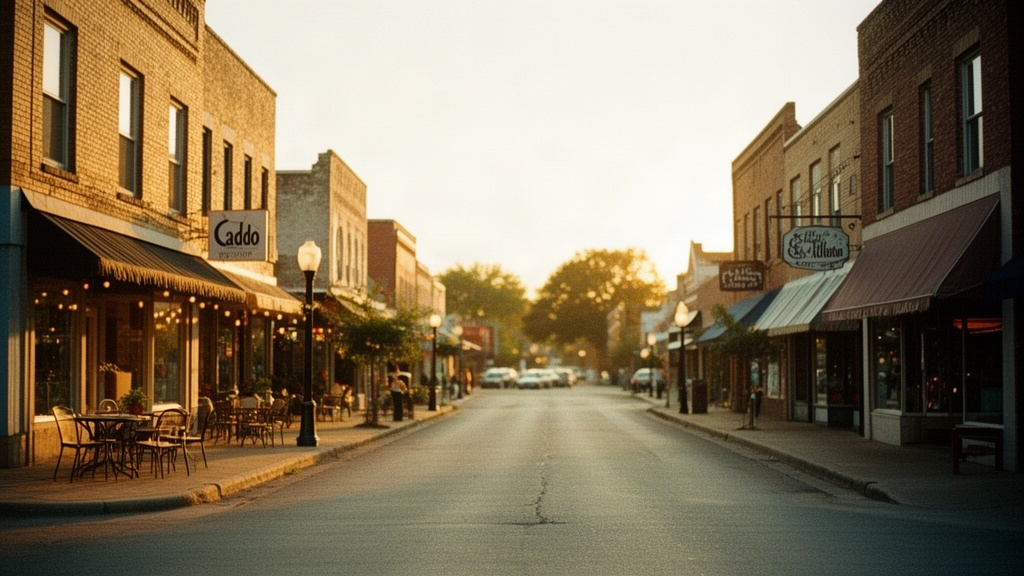
The heart of daily life runs along Main Street and Churchville Road. This stretch concentrates the town's independent restaurants, coffee shops, law offices, and small retailers into a walkable few blocks. The Bel Air Armory, built in 1915, anchors the southern end of Main Street and now serves as an event venue. The courthouse complex sits nearby, a reminder that this is a working county seat with genuine civic foot traffic on weekday mornings.
The town boundary is relatively small, covering roughly 4.5 square miles, but it is surrounded by the broader Bel Air North and Bel Air South communities that most people refer to collectively when they say they live in Bel Air. Those unincorporated areas add significant residential density and push the practical service area well beyond the town limits.
Getting Around Town Without a Highway
Bel Air does not have a highway running through it, which shapes the pace of the town considerably. Route 1 (Belair Road) and Route 24 are the primary surface roads. Traffic on Route 1 can back up during morning and evening commute windows, particularly near the intersection with Route 24 and around the Bel Air South shopping areas. Most residents factor an extra 5 to 10 minutes into local trips during peak hours. For the Baltimore commute, Maryland Route 24 connects south to I-95 at Abingdon in roughly 15 minutes under normal conditions.
2. Parks and Outdoor Life in Bel Air, Maryland
Outdoor access is one of the most consistent things residents mention when describing what it is like to live in Bel Air, Maryland day to day. The town and surrounding Harford County maintain a network of parks, trails, and open spaces that give residents genuine options for weekday walks, weekend recreation, and everything in between. The Town of Bel Air's Parks and Recreation department manages several facilities directly within the town limits, with Harford County managing additional regional parks nearby.
Ma and Pa Heritage Trail
The Ma and Pa Heritage Trail is the trail most Bel Air residents reference first. It follows the historic corridor of the Maryland and Pennsylvania Railroad through the heart of town, running roughly 2.1 miles through a wooded, paved path that connects Kenmore Avenue near downtown to the trailhead at Plumtree Road. The surface is smooth enough for strollers, road bikes, and wheelchairs. On weekday mornings the trail sees a steady flow of walkers and joggers; on weekend afternoons it gets noticeably busier, particularly near the Main Street crossing.
The trail passes through a section of mature tree canopy that makes it feel removed from the surrounding commercial corridors even when you are only a few hundred feet from Route 1. Several benches and small rest areas are placed along the route. Plans to extend the trail further north have been discussed at the county level for several years, though as of September 2026 the 2.1-mile segment remains the active portion.
Rockfield Park
Rockfield Park, located off Tollgate Road, is the largest park directly within the town limits. It covers approximately 44 acres and includes athletic fields for baseball, softball, and soccer, a community pool operated seasonally, tennis and pickleball courts, a playground, and a picnic pavilion that can be reserved for private events. The pool draws a consistent crowd from late May through Labor Day. Rockfield is also where the town hosts several of its outdoor community events throughout the year.
The park's layout is open enough that it functions as a general gathering space even when no organized activity is scheduled. Residents use the grassy areas for pickup games, dog walks (on leash), and casual afternoon outings. The Town of Bel Air's Parks and Recreation page lists current facility hours, pool schedules, and permit information for anyone planning a visit or event.
Shamrock Park and Other Neighborhood Greenspaces
Shamrock Park, off Shamrock Avenue near the center of town, is a smaller neighborhood park with a playground and open lawn. It serves the surrounding residential streets and tends to be quieter than Rockfield, making it a practical option for a short outing without driving. Beyond the town limits, Harford County's parks system adds significant options within a short drive: Anita C. Leight Estuary Center in Abingdon is about 15 minutes south and sits along the Otter Point Creek, offering kayak launches and nature programming. Winters Run and the surrounding county green corridors provide additional trail access for residents who want longer routes.
3. Things to Do in Bel Air Day to Day
Day-to-day life in Bel Air, Maryland offers more local texture than a quick drive through Route 1 might suggest. The town has built a genuine independent business culture alongside the national chains, and the calendar of community events keeps the downtown active across all four seasons.
Dining and Coffee on Main Street
Main Street holds a rotating mix of independent restaurants, wine bars, and coffee shops. Laurrapin Grille on Main Street has been a fixture for years, known for its seasonal American menu. Cocina Cantina brings a Mexican kitchen to the corridor. Several smaller breakfast and lunch spots operate along the side streets, and the coffee culture is strong enough that residents have multiple independent options beyond the national chains on Route 1. The density of dining options within a few walkable blocks is one of the things that surprises people who expect a purely suburban experience.
The broader Bel Air area, including the shopping centers along Route 24 and Route 1, adds chain restaurants and fast-casual options that cover most everyday preferences. Total dining options within a 5-mile radius number well into the dozens. Residents rarely feel the need to drive to Baltimore just for a meal, though the city is close enough to make that a practical option for a night out.
Local Shopping and Farmers Markets
The Bel Air Farmers Market runs on Saturday mornings in the parking area near the courthouse from May through November. It draws roughly 30 to 40 vendors on a typical Saturday, selling produce, baked goods, prepared foods, and local crafts. The market is a consistent weekly anchor for a portion of the community and tends to be busy between 8 and 11 a.m. For everyday retail, the Bel Air area has a Target, multiple grocery chains including Giant and Safeway, a Wegmans in the nearby Abingdon area (about 12 minutes south on Route 24), and a range of specialty shops inside the town limits.
Arts, Entertainment, and Seasonal Events
The Bel Air Armory hosts concerts, markets, and private events throughout the year. The town's Main Street programming office organizes seasonal events including a summer concert series in Rockfield Park, a fall festival on Main Street, and holiday lighting events in late November and December. These are free or low-cost and draw residents from both inside the town limits and the surrounding Bel Air North and South communities.
The Harford County Equestrian Center in nearby Bel Air is a working equestrian facility that hosts shows and events. The nearby Harford Mall, while smaller than it was in its peak years, still anchors a retail corridor along Route 22 that includes a movie theater, making it a practical option for an evening out without leaving the county.
4. Community Feel and What Makes Bel Air Distinct
The community feel in Bel Air, Maryland is one of the most consistent things people mention when describing what it is like to live here day to day. It operates at a pace that is noticeably slower than Baltimore City but more active and connected than many purely suburban communities of similar size.
Small-Town Rhythm Inside a Growing County Seat
Bel Air has a population of roughly 11,000 inside the town limits, but the broader Bel Air area including Bel Air North and Bel Air South brings the functional community to around 60,000 to 70,000 people. That scale means you get the civic infrastructure of a mid-sized community, including a public library branch, a full hospital (University of Maryland Upper Chesapeake Medical Center, about 2 miles from downtown), and a range of professional services, while the downtown itself still feels human-scaled. You can walk into a locally owned restaurant on a Tuesday night and recognize someone from the farmers market.
Civic Events and Local Traditions
Bel Air has maintained a set of civic traditions that give the community a sense of continuity across years. The Fourth of July parade along Main Street is one of the largest in Harford County and draws crowds from well outside the town. The annual Bel Air Festival for the Arts, typically held in the fall, brings local and regional artists to the downtown corridor and has run for several decades. The Bel Air Back Porch Music Series brings outdoor live music to the downtown area during warmer months. These are not manufactured events designed to attract tourism; they are genuinely community-oriented and reflect how residents actually use the space.
What New Residents Notice First
People relocating to Bel Air from larger metro areas consistently note that the pace of interaction is different here. Neighbors introduce themselves. Local business owners know their regulars. The town has a physical Main Street that functions as one, not just a name on a strip mall. That said, Bel Air is not isolated: Baltimore's cultural institutions, sports venues, and airport are all within 30 to 45 minutes depending on traffic, which means residents can access a major metro without living inside one.
If you are relocating from outside Maryland and want a deeper sense of what the transition looks like, the guide on relocating from out of state to Bel Air covers the logistics and local context worth knowing before you commit.
5. Practical Day-to-Day Considerations Before You Move
Understanding what living in Bel Air, Maryland feels like day to day also means understanding the practical infrastructure that supports it. The town is well-served in most categories, but there are a few specifics worth knowing before you sign a purchase contract.
Grocery, Healthcare, and Everyday Errands
University of Maryland Upper Chesapeake Medical Center is a full-service hospital located on Conowingo Road, about 2 miles from the center of town. It has an emergency department, surgical services, and a range of specialty clinics. Several urgent care facilities are scattered across the Route 1 and Route 24 corridors for non-emergency needs. Grocery access is strong: Giant, Safeway, and Aldi are all within the Bel Air area, and the Wegmans in Abingdon is a 10 to 12 minute drive south on Route 24. A Costco is located in the Abingdon corridor as well, making larger stock-up runs practical without a long drive.
Proximity to Baltimore and the I-95 Corridor
The Baltimore commute is a real factor for many Bel Air residents. Route 24 south connects to I-95 at Abingdon, and from there downtown Baltimore is roughly 30 to 35 miles. In light traffic that drive runs about 40 minutes; during peak morning hours (7 to 9 a.m.) it can stretch to 55 to 70 minutes depending on conditions near the White Marsh interchange and the I-695 merge. The commute guide for Bel Air to Baltimore covers this in detail, including realistic timing by route and time of day.
For a detailed look at commute times and route options, the article on commuting from Bel Air to Baltimore City breaks down the realistic numbers by route and departure time.
Housing Context for New Residents
Housing in Bel Air ranges from older Cape Cods and colonials built in the 1950s through 1980s in the established neighborhoods near downtown, to newer construction townhomes and single-family homes in the Bel Air North and South communities. As of September 2026, the median home price in the Bel Air area sits in the low-to-mid $400,000s for single-family homes, with townhomes typically ranging from the upper $200,000s to the mid $300,000s. Inventory remains tight relative to demand, which has kept prices stable even as mortgage rates have fluctuated. Lot sizes inside the town limits tend to be smaller, typically a quarter acre or less, while properties further out in Bel Air North can run to a half acre or more.
If you want to understand what the buying process looks like in this market, the guide on buying a home in Bel Air, Maryland walks through the process, costs, and realistic timeline from offer to close.
For a broader overview of what Bel Air has to offer residents beyond the parks and events covered here, the Homes.com local guide to Bel Air, MD compiles additional data on the town's demographics, commute patterns, and neighborhood characteristics.
FAQ
Is there enough to do in Bel Air, Maryland without driving to Baltimore?
For most daily and weekly activities, yes. Bel Air has a functioning downtown with independent restaurants, a farmers market, a seasonal concert series, and multiple parks within the town limits. The Bel Air Armory hosts regular events, and the broader Harford County area adds equestrian facilities, nature centers, and the Harford Mall with a movie theater. Baltimore is close enough for a night out or a weekend trip, but most residents do not feel the need to make that drive for routine activities.
What are the best parks in Bel Air, Maryland for everyday outdoor use?
Rockfield Park on Tollgate Road is the largest within the town limits and includes athletic fields, a community pool, tennis and pickleball courts, and picnic areas across about 44 acres. The Ma and Pa Heritage Trail is a 2.1-mile paved path through the center of town that connects neighborhoods to downtown and is well-suited for walking, jogging, and cycling. Shamrock Park near the town center is smaller and quieter. Just outside town, Harford County's parks system adds additional trail and water access options within a short drive.
What is the community feel like in Bel Air, Maryland compared to a typical suburb?
Bel Air functions more like a small city with genuine civic infrastructure than a purely residential suburb. It has a working Main Street, a county courthouse, a full hospital nearby, and a calendar of community events that residents actually attend rather than scroll past. The town hosts one of Harford County's largest Fourth of July parades, a long-running arts festival, and a summer music series. Residents who have relocated from larger metro areas often note that the pace of interaction is more personal here, with neighbors and local business owners forming recognizable faces in daily life.