← Back to Blog
Buying
What New Construction Developments Are Being Built in Powell Ohio in 2026
By ANDREW NEWCOMB
October 2, 2026 · 10 min read
Powell, Ohio is in the middle of one of its most active construction periods in recent memory. If you are wondering what new construction developments are being built in Powell Ohio in 2026, the answer spans residential subdivisions, a redesigned downtown district, a major medical facility, and a sweeping new zoning code that will shape growth for years ahead. This article breaks down every significant project underway right now so you can make a well-informed decision about buying, selling, or relocating here.
1. The M/I Homes Subdivision: Nearly 400 New Homes Coming to Powell
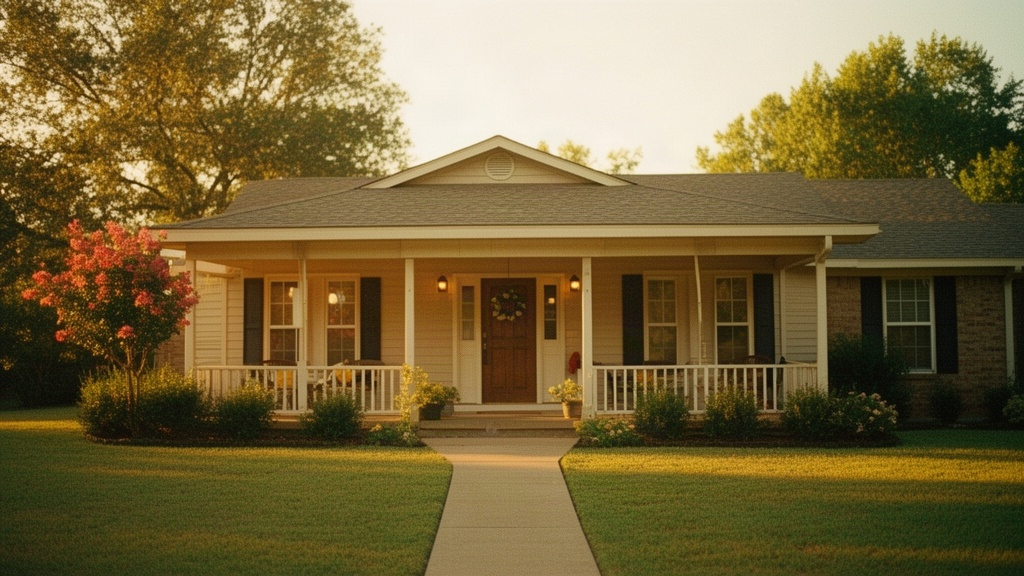
The single largest residential development underway in Powell right now is a new M/I Homes neighborhood that will deliver close to 400 single-family homes. M/I Homes broke ground on this project in 2026, making it the most significant addition to Powell's housing stock in several years. The site sits within Powell's city limits and feeds into the broader Delaware County growth corridor along US-23 and SR-750.
What the Project Includes
According to reporting from NBC4i, M/I Homes is kicking off construction on a neighborhood that will bring nearly 400 homes to the Powell area. M/I is one of the larger regional builders operating in central Ohio, and their Powell project is expected to roll out in phases over multiple years. Phase-by-phase delivery is common with projects of this scale, meaning some homes will be available for purchase and move-in well before the full community is complete.
M/I Homes typically builds in the $500,000 to $800,000 range in the Powell and Dublin corridor, though specific pricing for this development will depend on the floor plans, lot premiums, and structural options selected. Buyers interested in this community should expect to work directly with the builder's on-site sales team for contract negotiations, but having an independent buyer's agent review the purchase agreement before signing is a step that protects your interests. Builder contracts are written to favor the builder, and the on-site rep represents the builder, not you.
Pricing and Product Types
Powell's resale market currently runs from roughly $450,000 for a mid-sized colonial to well over $900,000 for larger homes on half-acre-plus lots in established subdivisions like Scioto Reserve or Heritage Place. New construction in this development will likely land in that same general band, with base prices competitive against resale but with options and lot premiums that can push final costs considerably higher. Buyers comparing new construction against resale should factor in landscaping, window treatments, finished basements, and other items that resale homes often include but new builds do not.
What This Means for Buyers and Sellers
Nearly 400 new homes entering the Powell market over the next few years represents a meaningful increase in supply. For buyers, this creates options that did not exist before, including the ability to customize finishes and choose a lot. For sellers of existing homes, it introduces more competition, particularly for homes in the $500,000 to $750,000 range where new construction will compete most directly. Understanding how your home is positioned against incoming new inventory is something worth discussing with a local agent before you list.
If you are thinking about selling your Powell home and want to understand how new construction affects your timing and pricing strategy, the article Who Should I Call First Before Listing My Home in Powell, Ohio walks through exactly that decision.
2. Powell's New Downtown District and the Urban Housing Component
Powell is actively redesigning its downtown core, and attached to that effort is a new category of housing for the city: urban-style homes built close to the street, near walkable retail and the brewery district. This is a departure from the traditional large-lot single-family subdivisions that have defined Powell's residential character for decades. The downtown project signals that the city is intentionally broadening its housing mix.
The Downtown Redesign Plan
Powell's downtown redesign centers on the stretch near Liberty Street and Olentangy Street, which already hosts local restaurants, shops, and the Powell Craft Brewery area. The city's vision is to create a more walkable, mixed-use district where residents can live, shop, and dine without needing to drive. Infrastructure improvements to streetscaping, parking, and pedestrian access are part of the broader plan accompanying the new housing.
Urban-Style Homes Near the Brewery District
According to NBC4i coverage of the downtown project, new urban-style homes are planned near the Powell brewery area as the city reshapes its downtown district. These homes are designed with a smaller footprint and a closer relationship to the street compared to the larger colonials and two-story traditionals that dominate Powell's established subdivisions. Exact unit counts and pricing were still being finalized at the time of initial reporting, but the project represents a new product type for Powell buyers.
Buyers drawn to walkable, lower-maintenance living with proximity to Powell's growing restaurant and retail scene will want to watch this development closely as more details emerge. Powell's downtown is roughly a five-minute drive from the Columbus Zoo and Aquarium on Powell Road, and the downtown district itself sits within the city's historic commercial core, which gives the area a sense of established character even as new construction fills in around it.
How This Changes the Powell Housing Mix
Until recently, Powell's housing stock was almost entirely single-family detached homes on lots ranging from a quarter acre to over an acre, concentrated in subdivisions built between the late 1980s and mid-2010s. The downtown urban homes introduce a product type that does not currently exist in meaningful numbers within Powell's city limits. For buyers who have been priced out of Powell's larger homes or who simply want less maintenance, this could open a path into the city that was not available before.
For a broader look at Powell's existing neighborhoods and what the current housing stock looks like across different parts of the city, the guide on neighborhoods and subdivisions in Powell, Ohio covers the established communities in detail.
3. Ohio State Wexner Medical Center's New Outpatient Facility in Powell
One of the most significant non-residential construction projects in Powell right now is a new Ohio State University Wexner Medical Center outpatient care facility. This is not a small clinic. It is a full outpatient care center that brings Ohio State's medical system directly into Powell, eliminating the need for residents to drive to Columbus or Dublin for many specialist and diagnostic services.
What Is Being Built and Where
The Ohio State Wexner Medical Center and the City of Powell jointly marked the start of construction on Outpatient Care Powell, a facility that will serve Delaware County residents with a wide range of outpatient medical services. The project represents a major institutional investment in Powell as a long-term growth node within the Columbus metropolitan area. Ohio State's decision to build here rather than in an already-dense suburb reflects Powell's trajectory as a destination for continued residential and commercial expansion.
Why This Project Matters for the Broader Market
Major medical infrastructure tends to anchor surrounding real estate values over the long term. When a health system of Ohio State's scale commits to building a permanent outpatient facility in a community, it signals confidence in that community's population growth and economic stability. For buyers evaluating Powell against other northern Columbus suburbs like Westerville, Lewis Center, or Dublin, the presence of an OSU medical facility within the city limits is a concrete amenity that many other suburbs do not have.
The facility will also bring employment to the area, which historically correlates with increased housing demand in the surrounding zip codes. Powell sits in the 43065 zip code, and Delaware County as a whole has been one of the fastest-growing counties in Ohio for over a decade. The OSU project adds another layer of institutional momentum to that trend.
4. Powell's New Zoning Code and What It Means for Future Development
Powell finalized a new zoning code in 2026, and it is the most comprehensive update to the city's land use rules in years. Zoning codes determine what can be built, where, and at what density. This update directly shapes which new construction developments are possible in Powell going forward, and it signals the city's intent to accommodate more housing types while maintaining the character of established residential areas.
Key Changes in the 2026 Zoning Overhaul
According to the Delaware Gazette, Powell spent much of 2026 finalizing its new zoning code, with the process involving public input sessions and planning commission review. The updated code is designed to align with Powell's long-range comprehensive plan, which anticipates continued population growth and the need for more diverse housing options. Key themes in the new code include provisions for mixed-use development near the downtown corridor, updated standards for residential density in appropriate locations, and clearer guidelines for commercial development along the city's major corridors like US-23 and Sawmill Parkway.
The new zoning framework makes the downtown urban housing project and future mixed-use development legally possible in ways that the old code may have restricted. It also creates a more predictable environment for builders and developers, which tends to accelerate the pace of new construction applications. Buyers and investors watching the Powell market should understand that the zoning update is not just administrative housekeeping. It is the legal infrastructure that enables the physical growth you are seeing on the ground right now.
How Zoning Affects New Construction Buyers
If you are buying a new construction home in Powell, zoning matters in two direct ways. First, it determines what can be built adjacent to or near the home you are considering, which affects long-term neighborhood character. Second, it affects how quickly developers can move through the approval process, which influences delivery timelines on new homes. A home in a community with approved zoning and a recorded plat will typically deliver faster than one still navigating the entitlement process.
Buyers who want to understand how the 2026 market conditions tie into new construction timing and pricing can also reference the Powell, Ohio real estate market guide for 2026, which covers price trends, inventory levels, and what is driving demand across the city right now.
5. How to Navigate New Construction as a Buyer or Seller in Powell Right Now
New construction developments change the dynamics of the Powell market in concrete ways, and navigating them well requires a different approach than buying or selling a resale home. Understanding the distinctions before you start the process saves time, money, and frustration.
Buying New Construction vs. Resale in Powell
New construction in Powell currently offers something the resale market rarely does: the ability to choose finishes, floor plans, and in some cases lot orientation. The trade-off is time. A new build from contract to closing can take nine to fourteen months depending on the builder's backlog, material availability, and where in the construction queue your home falls. Resale homes in Powell, by contrast, typically close in thirty to forty-five days once under contract.
New construction contracts also differ significantly from standard Ohio purchase agreements. Builders use their own contracts, which typically include provisions that protect the builder's ability to change specifications, adjust pricing for materials, and extend delivery timelines without penalty. Having an experienced buyer's agent review the contract before you sign is not optional if you want to protect your earnest money and understand what you are actually agreeing to. The article on who handles new construction home purchases in Powell, Ohio explains how that representation works in practice.
Resale homes in Powell's established subdivisions, including Scioto Reserve, Heritage Place, Worthington Hills, and The Reserve at Scioto Country Club, often come with mature landscaping, finished basements, upgraded kitchens, and other improvements that a base-price new build will not include. When comparing a $650,000 resale against a $620,000 new build base price, the true cost comparison requires adding structural options, design center upgrades, lot premiums, and landscaping to the new build number before making a fair assessment.
What Sellers Should Know When New Inventory Is Rising
When nearly 400 new homes begin entering the Powell market in phases, sellers of existing homes face more competition than they did in 2024 or early 2025. Buyers who might have settled for a resale home now have the option to wait for a new build. That dynamic puts pressure on resale pricing, particularly for homes that need updates or that lack the open floor plans and primary suite configurations that newer builds emphasize.
Sellers who price correctly from day one and present their home in strong condition can still compete effectively. Resale homes offer immediate occupancy, established landscaping, and often larger lot sizes than new construction communities deliver. Those are real advantages that buyers with short timelines or who value outdoor space will prioritize. The key is knowing how to position those advantages in your pricing and marketing strategy, which is where working with a Powell-specific agent makes a measurable difference.
For sellers thinking about timing relative to new construction activity, the guide on selling a home in Powell, Ohio with a tight deadline covers how to approach pricing and timelines when market conditions are shifting.
FAQ
When will the M/I Homes development in Powell be completed?
The M/I Homes project near Powell is being delivered in phases, which is standard for a development of nearly 400 homes. Phase one homes may be available for purchase and occupancy within one to two years of groundbreaking, while later phases will follow as infrastructure and site work progress. Exact phase timelines depend on permitting, material availability, and sales pace. Buyers interested in specific delivery windows should contact M/I Homes directly for the most current phase schedule, and having an independent agent alongside you during that conversation ensures you understand what commitments are actually in writing.
Does buying a new construction home in Powell require a real estate agent?
Technically no, but skipping independent representation is a significant financial risk. The builder's on-site sales team works for the builder, not for you, and the contracts they present are written to protect the builder's interests. An experienced buyer's agent who knows the Powell market can review the contract, negotiate on your behalf for upgrades or closing cost contributions, and flag terms that could cost you money if the build runs long or specifications change. In most cases, the builder pays the buyer's agent commission, so representation costs you nothing out of pocket while providing meaningful protection throughout the process.
How does Powell's new zoning code affect buyers looking at new construction?
Powell's 2026 zoning code update creates clearer rules for what can be built in different parts of the city, including provisions for mixed-use and higher-density development near the downtown corridor. For buyers, this matters because the zoning of land adjacent to a new construction community determines what could be built there in the future. A home backing up to land zoned for mixed-use commercial development has a different long-term outlook than one backing up to land zoned for single-family residential. Before going under contract on any new build, it is worth having your agent pull the current zoning map for surrounding parcels so you understand the full picture of what the neighborhood could look like in ten years.