← Back to Blog
Market Trends
Powell Ohio Real Estate Market Guide: Prices, Neighborhoods, Timing
By ANDREW NEWCOMB
September 1, 2026 · 10 min read
If you are buying, selling, or relocating to Powell, Ohio, this real estate market guide covers everything you need to make a confident decision: current prices, what different parts of town offer, how long homes are sitting on the market, and when to move. Powell sits in northern Delaware County, roughly 20 miles north of downtown Columbus, and its housing market has its own rhythm that rewards buyers and sellers who understand it before they act.
1. What the Powell, Ohio Real Estate Market Looks Like Right Now
Powell is a competitive housing market. As of September 2026, the median sale price for a single-family home in Powell sits in the range of $550,000 to $590,000, depending on the subdivision, lot size, and finish level. That figure represents meaningful appreciation from the $490,000 range seen in mid-2024, driven by consistent demand and a limited supply of resale homes coming to market.
For broader context on how Powell tracked through the first part of the year, the Powell Ohio Real Estate Market: Q1 2026 Breakdown documented the tightening inventory and upward price pressure that carried into the summer months. Those trends have largely held through September 2026.
Median Home Prices in September 2026
Entry-level homes in Powell, typically smaller colonials or ranch-style houses in established neighborhoods, are priced from roughly $380,000 to $450,000. Mid-range homes with four bedrooms, finished basements, and two-car garages cluster between $490,000 and $620,000. The upper tier, which includes custom builds on larger lots in communities like Scioto Reserve or River Oaks, starts around $700,000 and extends well past $1 million for newer construction with premium finishes.
How Fast Homes Are Selling
Days on market in Powell currently average between 18 and 28 days for well-priced listings. Homes that are updated, priced accurately, and staged well are still seeing multiple-offer situations within the first weekend. Overpriced listings, on the other hand, are sitting longer and often requiring price reductions before they move. The gap between a well-prepared listing and a poorly priced one is wider now than it was in 2021 and 2022, when almost anything sold quickly regardless of condition.
Inventory Levels and What They Mean for You
Active inventory in Powell remains below a balanced market threshold. A balanced market typically carries four to six months of supply; Powell has been running closer to two to three months through most of 2026. That means sellers retain an advantage, but buyers who are pre-approved and decisive can still find opportunities, particularly in the late summer and early fall window when competition from other buyers eases slightly.
2. Powell Neighborhoods: What Each Part of Town Offers
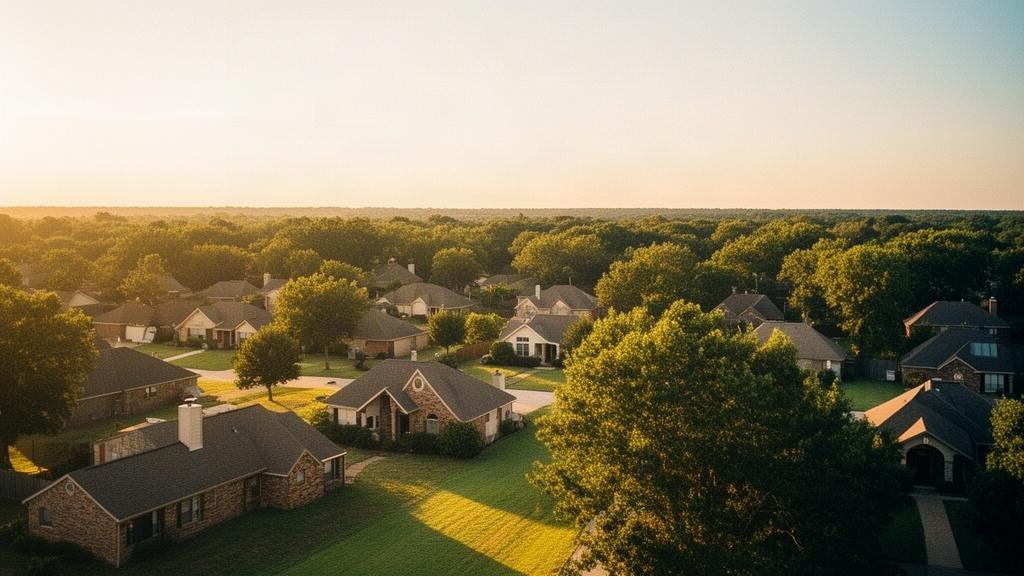
Powell covers a relatively compact geography but contains a range of housing types, lot sizes, and architectural styles. Understanding what each part of town physically offers helps buyers narrow their search and helps sellers position their home accurately when it comes time to list.
Historic Downtown Powell and the Village Core
The original village of Powell, centered on Liberty Street and Olentangy Street, contains a mix of older ranch homes, Cape Cods, and two-story colonials on lots ranging from a quarter acre to just under an acre. Many of these homes were built between the 1950s and the 1980s, and a significant number have been renovated or expanded over the decades. Prices in this area vary considerably based on update level, with fully renovated homes pushing into the $500,000 range and original-condition properties offering entry points closer to $380,000.
The walkable proximity to the Historic Village District, with its restaurants, boutiques, and community events like the Powell Festival of Balloons, is a feature buyers consistently mention when choosing this part of town. The Olentangy Trail also runs near the village core, connecting pedestrians and cyclists to a broader regional trail network.
Estates and Larger-Lot Communities
Communities like Scioto Reserve, River Oaks, and Wedgewood Hills represent Powell's larger-lot and custom-home segment. Scioto Reserve wraps around the Scioto Reserve Country Club golf course and features homes typically ranging from 3,000 to 5,500 square feet on lots of half an acre or more. River Oaks sits along the Scioto River corridor and offers wooded homesites with a quieter, more private feel. Prices in these communities generally start around $650,000 and move upward based on age, square footage, and the extent of any recent updates.
Wedgewood Hills is a well-established community with mature tree canopy and homes built primarily in the 1990s and early 2000s. It attracts buyers who want generous square footage and lot size without the price premium of newer construction. Homes here typically sell in the $550,000 to $750,000 range depending on condition and updates.
Newer Subdivisions Along the Perimeter
The northern and eastern edges of Powell have seen the most new construction activity over the past decade. Communities like Tartan Fields, which surrounds the Tartan Fields Golf Club, and newer developments off Seldom Seen Road and Home Road offer more recently built homes with open floor plans, three-car garages, and modern kitchen layouts. Tartan Fields homes typically range from $700,000 to over $1.2 million. Smaller newer subdivisions in the $450,000 to $550,000 range also exist along Powell's perimeter for buyers who want newer construction without the country-club price point.
3. Commute Times, Amenities, and What Makes Powell Distinct
Powell's location in northern Delaware County gives residents practical access to Columbus employment centers while maintaining a smaller-town atmosphere. That combination is one of the most consistent reasons buyers relocating from outside the Columbus metro cite when they choose Powell over other northern suburbs.
Getting Around from Powell
From central Powell, the drive to the Polaris Fashion Place area takes roughly 10 to 15 minutes via US-23 South or SR-750. Downtown Columbus is approximately 25 to 35 minutes depending on time of day and which route you take. The Dublin tech corridor along Emerald Parkway is about 15 to 20 minutes southwest. For residents working in the Easton or New Albany areas, the commute runs 35 to 45 minutes, largely via I-270 East.
The Columbus Zoo and Aquarium sits just minutes south of Powell on Powell Road, making it a notable local landmark and a frequent destination for residents. The zoo's presence also contributes to the area's name recognition among people relocating to central Ohio from other states.
Parks, Trails, and the Olentangy River Greenway
The Olentangy Trail runs through the heart of Powell and connects to a paved trail network extending more than 15 miles south toward Columbus and north toward Delaware. Homeowners near the trail frequently list access to it as a deciding factor in their purchase. Powell Community Park on Seldom Seen Road includes athletic fields, a splash pad, and open green space. Antrim Park and Highbanks Metro Park are both within a short drive and offer additional trail mileage and natural areas along the Olentangy River corridor.
Shopping, Dining, and the Historic Village District
Powell's Historic Village District along Liberty Street hosts locally owned restaurants, coffee shops, and specialty retailers. The Polaris area, roughly 10 minutes south, adds big-box retail, a major entertainment district, and a wide range of dining options. Kroger, Giant Eagle, and Meijer locations serve Powell residents with grocery options within a five-mile radius. The combination of walkable local retail in the village and larger commercial options nearby is a practical feature that buyers frequently mention during home searches.
4. Powell, Ohio Real Estate Market Timing: When to Buy or Sell
Timing matters in Powell, but it is not the only variable. The market has seasonal rhythms that consistently favor sellers in spring and create modest opportunities for buyers in late summer and fall. Understanding those rhythms helps both sides of a transaction make smarter decisions about when to act.
The Spring Market and What It Means for Sellers
March through June is historically the strongest listing window in Powell. Buyer activity peaks as school-year timing drives households to close and move before fall. Listings that hit the market in late March or April with professional photos, accurate pricing, and clean presentation consistently attract the most competitive offers. Sellers who wait until July or August often find fewer competing buyers and longer days on market, though well-priced homes still sell in any season.
Buying in Summer and Fall
Late summer and fall offer buyers a slightly less competitive environment. September through November in Powell tends to see fewer multiple-offer situations than the spring peak, and sellers who listed in spring without success are often more willing to negotiate on price or terms. Buyers who are pre-approved and ready to move quickly can find value in this window, particularly on homes that have been on the market for 30 days or more.
What the 2026 Market Cycle Looks Like
The Powell market in 2026 has been characterized by steady demand, constrained inventory, and prices that have continued to appreciate modestly rather than spike. The frenzied pace of 2021 and 2022 has not returned, but Powell has not experienced the correction some markets saw in 2023 either. For a detailed look at how the summer market played out heading into fall, the Powell Ohio Real Estate Market Report for August 2026 provides a useful data snapshot. The broader takeaway for buyers and sellers entering the market this fall is that Powell remains a supply-constrained market where preparation and accurate pricing matter more than trying to time a dramatic shift.
5. What Buyers and Sellers Should Know Before They Act
Whether you are buying or selling in Powell, the steps you take before going active in the market have an outsized impact on your outcome. The following guidance is specific to how the Powell market operates in September 2026, not generic advice that applies anywhere.
Tips for Buyers Entering the Powell Market
Get fully pre-approved, not just pre-qualified, before you tour homes. In Powell, desirable listings at the $500,000 to $650,000 price point can move within days of hitting the market, and sellers in this range expect buyers to come in with a lender letter that reflects a completed credit and income review. Know your must-haves versus nice-to-haves before you start touring, because the pace of the market does not leave much room for extended deliberation once you find a home you want.
Understand the Delaware County school district boundaries before you search. Powell is served primarily by Olentangy Local School District, with some portions falling under other district lines depending on exact location. For school information, the Ohio Department of Education's online resources and the Olentangy Local School District's own website are the appropriate places to research attendance zones and school details. That research is yours to do based on your own priorities.
Tips for Sellers Listing in Powell
Pricing accuracy is the single most important variable for sellers right now. Buyers in Powell are informed. They are tracking active listings and recent sales, and they will notice if your home is priced above comparable sales. A home that sits for three or four weeks in this market starts to carry a stigma that is difficult to overcome even with a price reduction. The better path is to price correctly from day one and let the market respond.
Presentation matters at every price point. Professional photography, a clean exterior, and decluttered interiors are baseline expectations in Powell's $500,000-plus market. Homes that skip these steps consistently sell for less and take longer than comparable properties that invest in preparation. If your home has deferred maintenance items, address them before listing rather than offering a credit at closing; buyers in this market typically prefer move-in-ready homes over discounted fixer opportunities.
Working with a Local Expert
The Powell market has enough nuance, from subdivision-specific pricing to the difference in buyer demand between a Tartan Fields home and a village-core ranch, that working with an agent who knows the area in detail is a meaningful advantage. Andrew Newcomb works specifically in Powell and the surrounding Delaware County communities, and he brings current, transaction-level knowledge of how this market is actually behaving right now, not just what the broad Columbus metro numbers suggest.
FAQ
What is the median home price in Powell, Ohio right now?
As of September 2026, the median sale price for a single-family home in Powell, Ohio is in the range of $550,000 to $590,000. Entry-level homes in established neighborhoods start around $380,000 to $450,000, while larger custom homes in communities like Scioto Reserve or Tartan Fields regularly sell above $700,000. Prices have appreciated steadily through 2026, supported by limited inventory and consistent buyer demand. The exact price range for any specific home depends on the neighborhood, lot size, square footage, and condition.
How long are homes sitting on the market in Powell, Ohio?
Well-priced, well-presented homes in Powell are currently averaging between 18 and 28 days on market as of September 2026. Homes in the most in-demand price ranges, particularly $490,000 to $650,000, can receive offers within the first weekend if they are priced accurately and presented well. Homes that are overpriced or in need of updates tend to sit considerably longer and often require price reductions before they sell. The gap between prepared and unprepared listings is more pronounced now than it was during the peak market years of 2021 and 2022.
What school district serves Powell, Ohio, and where can I find more information?
Most of Powell, Ohio falls within the Olentangy Local School District, though exact attendance zones can vary based on your specific address. Some portions of the Powell area may fall under different district boundaries. For accurate and current school information, the Ohio Department of Education's website and the Olentangy Local School District's own site are the appropriate resources to consult. Attendance zone boundaries can change, so it is worth confirming the specific school assignments for any address you are seriously considering before making a purchase decision. An agent familiar with the area can help you identify the right resources for that research.