← Back to Blog
Market Trends
Chesterfield County, Virginia Real Estate Market Guide: Prices, Neighborhoods and Timing
By Andrew Weeks
September 28, 2026 · 9 min read
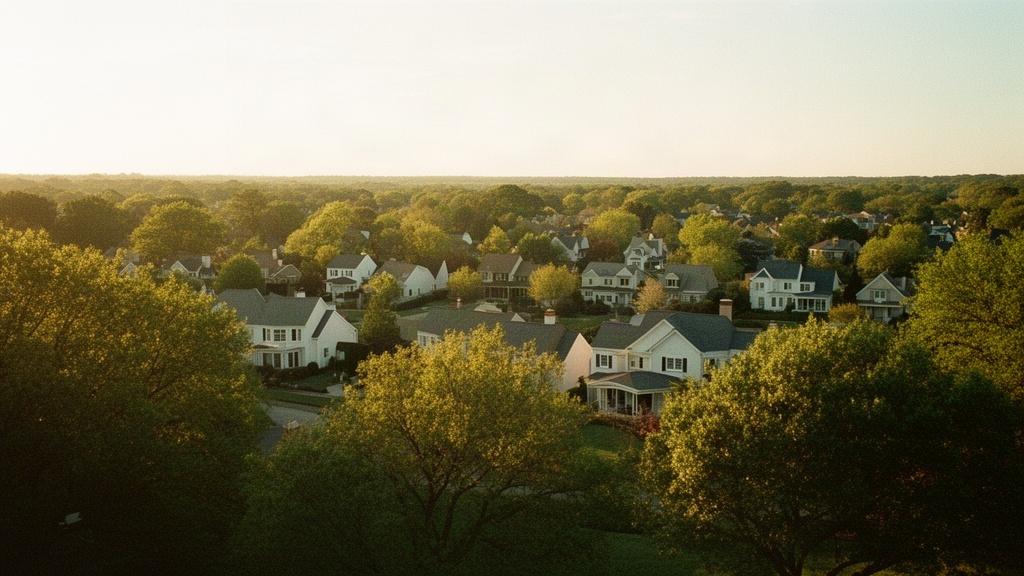
Chesterfield County sits directly south of Richmond, Virginia, and it has become one of the most active real estate markets in the entire metro area. This guide covers current home prices, the county's distinct neighborhoods, what the housing stock looks like, and how timing affects your decision to buy or sell here in September 2026.
1. What Home Prices Look Like in Chesterfield County Right Now
Chesterfield County home prices have risen steadily through 2026. As of September 2026, the median sale price for a single-family home in the county sits in the range of $390,000 to $420,000, depending on the submarket. That figure represents meaningful appreciation from the $340,000 to $360,000 range that defined much of 2024, driven by sustained demand and limited resale inventory.
Median Prices and Recent Trends
Entry-level detached homes in Chesterfield, typically three bedrooms with a single-car garage on lots between 0.15 and 0.25 acres, are trading in the $310,000 to $360,000 range in established subdivisions. Move-up homes with four bedrooms, finished basements, and larger lots in the 0.3 to 0.5 acre range are consistently landing between $420,000 and $550,000. Homes on larger parcels, in waterfront communities, or with premium finishes are regularly crossing $600,000 and above.
Days on market in Chesterfield have stretched slightly compared to the frenzied pace of 2022 and 2023, but well-priced homes in desirable pockets are still going under contract within one to two weeks. Overpriced listings are sitting longer, sometimes 45 to 60 days, which gives buyers more room to negotiate than they had two years ago.
How Chesterfield Compares to the Broader Richmond Metro
Chesterfield County generally offers more square footage per dollar than Richmond City proper, particularly compared to neighborhoods like the Fan District or Museum District where older rowhouses and semi-detached homes command high prices per square foot for smaller footprints. Buyers who need three or four bedrooms and a yard tend to find Chesterfield's value proposition compelling. Virginia REALTORS research on statewide home price trends shows that the Richmond metro has outpaced many Virginia markets in price growth, and Chesterfield has been a significant contributor to that trend.
2. Chesterfield County Neighborhoods: What Each Area Offers
Chesterfield County covers roughly 440 square miles and contains several distinct communities, each with its own character, housing stock, and price range. Understanding the differences between these areas is one of the most important steps in narrowing your search, whether you are buying, selling, or relocating to the county.
Midlothian and the Route 60 Corridor
Midlothian is one of the most established parts of Chesterfield County, anchored by the Midlothian Turnpike corridor and extending south toward Coalfield Road. The area contains a wide mix of housing built from the 1970s through the 2000s, including colonial and transitional-style homes on lots ranging from a quarter acre to nearly an acre in some of the older subdivisions. Stonebridge, the redeveloped former Cloverleaf Mall site, has added restaurants, retail, and a movie theater to the area's walkable commercial core.
Median prices in the Midlothian 23113 zip code have been running in the $450,000 to $520,000 range through 2026, reflecting the area's mature tree canopy, larger lot sizes, and proximity to Swift Creek Reservoir. Homes here tend to sell quickly when priced correctly, often with multiple offers.
Brandermill and Woodlake
Brandermill and Woodlake are planned communities built around Swift Creek Reservoir, offering waterfront and water-view lots, walking trails, community pools, and boat access. Brandermill, developed starting in the 1970s, has a more varied architectural mix including contemporaries, ranches, and colonials on wooded lots. Woodlake, developed primarily in the 1980s and 1990s, features larger homes with more uniform streetscapes.
Waterfront lots in Brandermill and Woodlake carry a premium, with prices on the water regularly reaching $600,000 to $800,000 or more. Interior homes without water access in these communities typically trade between $380,000 and $520,000. Homeowner association fees apply in both communities and cover amenity maintenance, so buyers should factor those into their monthly budget. If you are purchasing a home near water in this area, understanding flood zone designations is worth your time; the article on flood zone risks near the James River covers how those designations affect insurance costs across the Richmond metro.
Chester and the Route 10 Corridor
Chester sits in the northeastern part of Chesterfield County along Route 10 and Interstate 95, making it one of the most accessible parts of the county for commuters heading toward Richmond City or toward the Tri-Cities area to the south. The housing stock here skews toward ranches and colonials built between the 1960s and 1990s, with lot sizes typically running between a quarter and a half acre.
Chester's price point is generally more accessible than Midlothian, with median prices in the 23831 zip code running closer to $330,000 to $380,000 as of September 2026. That makes it one of the more attainable entry points into Chesterfield County for buyers who need the county's larger lot sizes but are working with a tighter budget.
Ettrick, Matoaca and the Southern End
The southern portions of Chesterfield County, including the Ettrick and Matoaca areas near the Appomattox River, offer a more rural character with larger parcels and lower price points. Homes here often sit on one to five acres, and buyers looking for land, privacy, or agricultural use will find more options in this part of the county than anywhere else in the metro area at comparable prices.
Median prices in the Matoaca and southern Chesterfield areas are generally in the $280,000 to $360,000 range, though newer construction on larger lots can push well above that. Virginia State University's campus in Ettrick adds a consistent thread of activity to that community throughout the year.
3. Housing Stock: What You Will Actually Find for Sale
Chesterfield County's housing inventory is dominated by detached single-family homes, which make up the vast majority of what comes to market. Townhomes and condos exist but represent a smaller slice of the market, concentrated near commercial corridors in Midlothian and along Ironbridge Road.
Single-Family Homes and Lot Sizes
The county's resale inventory is heavily weighted toward colonials and transitional-style homes built between 1985 and 2010. These homes typically run 1,800 to 3,200 square feet, with three to five bedrooms, attached two-car garages, and finished or unfinished basements. Brick-front facades are common in the mid-range price tier. Older ranch homes from the 1960s and 1970s appear throughout Chester and the northern end of the county, often on larger lots with mature trees.
New Construction and Established Subdivisions
New construction remains active in Chesterfield County, particularly in the Moseley and Goochland border areas to the west, and in pockets near Winterpock Road. Builders including Ryan Homes, HHHunt, and Stanley Martin have active communities in the county, with new single-family homes typically starting in the $380,000 to $430,000 range for base configurations and climbing to $550,000 or more with upgrades and larger lots.
One important note for buyers considering new construction: builder contracts differ significantly from standard resale contracts, and the builder's sales agent represents the builder, not you. Having your own representation during the new construction process matters more than many buyers realize. The broader guide on what closing costs to expect as a buyer in Richmond in 2026 covers how those figures can differ between resale and new construction purchases.
4. Commute Times and Getting Around Chesterfield County
Commute time is one of the most practical factors in choosing where to live in Chesterfield County, and it varies significantly depending on which part of the county you are in and where you are heading. Understanding those differences before you commit to a neighborhood can save you real frustration.
Routes Into Downtown Richmond
From Chester, the drive to downtown Richmond via I-95 North typically runs 20 to 30 minutes outside of peak hours and 35 to 50 minutes during morning rush. From Midlothian, the Route 60 corridor into the city takes 25 to 35 minutes in normal traffic and can stretch to 45 minutes or more during the peak 7:30 to 9:00 a.m. window. From the Brandermill and Woodlake area, drivers typically add another five to ten minutes compared to the Midlothian Turnpike route.
The detailed breakdown of what the Chesterfield County commute into downtown Richmond actually looks like during morning rush hour is covered in depth in a dedicated article on commuting from Chesterfield County into downtown Richmond, which walks through specific routes, bottlenecks, and realistic time estimates by submarket.
Public Transit and Alternative Options
GRTC Transit System operates bus routes into Chesterfield County from Richmond, though coverage is more limited than within the city itself. Most Chesterfield residents rely on personal vehicles for daily transportation. The county has invested in expanding its trail network, including connections to the Virginia Capital Trail and internal greenways in communities like Brandermill, but these are primarily recreational rather than commuter infrastructure.
5. Timing the Chesterfield County Market: When to Buy and When to Sell
Timing matters in Chesterfield County, and the seasonal patterns here are real and consistent. Understanding those patterns helps both buyers and sellers make decisions that work in their favor rather than against them.
Seasonal Patterns in Chesterfield
Listing activity in Chesterfield County peaks between March and June, when the largest volume of homes comes to market and buyer competition is at its highest. This spring surge is consistent year over year and reflects the broader Richmond metro pattern. Summer activity remains solid through July, then softens in August as families settle before the school year. September, which is where the market sits right now, marks the beginning of the fall window.
The fall window, roughly September through November, is often underestimated. Inventory is lower than spring, but buyers active in the fall tend to be serious and motivated. Sellers who list in September and October face less competition from other listings than they would in April, which can work in their favor on pricing. Virginia REALTORS' 2026 housing market predictions noted that inventory constraints across the state would continue to support seller leverage even in traditionally slower months, and that dynamic has held through the first three quarters of 2026.
What Buyers and Sellers Should Know Right Now
For buyers in September 2026, the Chesterfield market offers slightly more breathing room than the peak spring frenzy, but do not mistake that for a buyer's market. Well-priced homes are still moving quickly, and mortgage rates remain a significant factor in purchasing power. Getting pre-approved before you start touring homes is not optional here; sellers and their agents take pre-approval seriously, and you will lose homes without it.
For sellers, the fall window through November is a legitimate opportunity to move your home without competing against the 40 to 50 new listings per week that characterize the spring peak. Pricing accurately from day one matters more than ever; buyers in 2026 are more informed and more cautious about overpaying than they were in 2021 and 2022, and homes that start too high and reduce later tend to attract lower offers than homes priced correctly from the start.
If you are also evaluating Henrico County as part of your search, the guide on who to hire to help buy a home in Henrico County covers what to look for in representation on that side of the metro.
FAQ
What is the median home price in Chesterfield County, Virginia in 2026?
As of September 2026, the median sale price for a single-family home in Chesterfield County ranges from approximately $390,000 to $420,000 depending on the specific submarket. Entry-level homes in Chester and southern Chesterfield are available in the $310,000 to $360,000 range, while established areas like Midlothian and Brandermill push median prices closer to $450,000 to $520,000. Waterfront properties on Swift Creek Reservoir regularly exceed $600,000. Prices have risen meaningfully from the $340,000 to $360,000 range that defined much of 2024, driven by sustained demand and limited resale inventory across the county.
Is Chesterfield County a buyer's market or a seller's market right now?
In September 2026, Chesterfield County remains tilted toward sellers, though the extreme competition of 2021 and 2022 has eased. Well-priced homes in desirable pockets are still going under contract within one to two weeks, often with multiple offers. Homes that are overpriced relative to the market are sitting longer, sometimes 45 to 60 days, giving buyers more room to negotiate on those specific properties. Buyers should be pre-approved before touring homes, as sellers and listing agents in this market expect it. Overall, inventory remains tight enough that sellers who price accurately hold the advantage.
What are the main differences between Midlothian, Chester, and the Brandermill area in Chesterfield County?
Midlothian is one of the more established and higher-priced parts of the county, with mature subdivisions, larger lots, and a median price range around $450,000 to $520,000 in the 23113 zip code. Chester sits in the northeastern corner of the county along I-95 and Route 10, offering more accessible price points in the $330,000 to $380,000 range and strong commuter access to Richmond City and the Tri-Cities. Brandermill and Woodlake are planned communities built around Swift Creek Reservoir, with a wide price range depending on water access: interior homes trade between $380,000 and $520,000, while waterfront lots regularly reach $600,000 to $800,000 or more. Each area has distinct housing stock, lot sizes, and community amenities, so the right choice depends heavily on your priorities and budget.