← Back to Blog
Market Trends
What New Development and Construction Projects Are Happening in Richmond, Virginia This Year
By Andrew Weeks
September 12, 2026 · 12 min read
Richmond, Virginia is in the middle of one of its most active construction cycles in recent memory, and if you are buying, selling, or relocating here in 2026, what gets built matters directly to your decision. New development reshapes commute patterns, adds walkable retail, changes what neighboring homes are worth, and creates entirely new pockets of inventory. This guide breaks down the most significant new development and construction projects happening in Richmond, Virginia this year, neighborhood by neighborhood.
1. Why Richmond's Development Boom Matters to Buyers and Sellers Right Now
Richmond is not building in a vacuum. The new development and construction projects happening in Richmond, Virginia this year are directly connected to what homes cost, how long they sit on the market, and which corridors are attracting the most buyer interest. Understanding the pipeline is not just useful for developers. It is one of the most practical things a buyer or seller can know.
Richmond has been cited among the metro areas drawing national attention for housing demand in 2026. NAR's Realtor Magazine identified Richmond as a market worth watching this year, pointing to its relative affordability compared to larger East Coast metros, its job base anchored by state government, health systems, and a growing tech sector, and its inventory of older housing stock that continues to attract renovation and infill investment.
How New Construction Affects Home Values Nearby
New construction raises the floor on what buyers expect from a neighborhood. When a corridor adds walkable retail, new apartment buildings with ground-floor restaurants, or renovated streetscapes, the resale homes within a few blocks typically see increased demand. That dynamic is playing out right now in Scott's Addition, Manchester, and along sections of Broad Street, where mixed-use projects have been delivering new amenities steadily over the past several years and continue to do so in 2026.
The flip side is also real. Large multifamily projects can add rental supply to a corridor, which sometimes moderates rent growth and can shift the balance between renter and owner populations in a given area. For buyers evaluating a specific block, knowing what is permitted and under construction nearby is part of doing proper due diligence.
What the Pipeline Tells You About Where the Market Is Heading
Permitted construction and active project financing are forward-looking signals. When developers secure construction loans and break ground in a particular corridor, it reflects their read on where demand is moving. In Richmond right now, the corridors attracting the most new capital are the Boulevard and Scott's Addition area, the Manchester waterfront, and the suburban growth edges in western Henrico and central Chesterfield. Buyers who understand that context can make more confident decisions about where to purchase.
2. Major Mixed-Use and Multifamily Projects Reshaping Richmond in 2026
The most visible construction activity in Richmond this year is concentrated in mixed-use and multifamily development. These projects combine residential units with retail, restaurant, or office space on the ground floor, and they are fundamentally changing what several Richmond corridors look and feel like. Richmond's mixed-use momentum has attracted coverage from commercial real estate outlets tracking the city's retail market transformation, and the pace of delivery in 2026 reflects years of entitlement and financing work coming to fruition at once.
Industry reporting has noted that Richmond's mixed-use boom is fueling the city's retail market, with developers betting that new residents in mixed-use buildings will support ground-floor tenants in ways that standalone retail no longer can. That model has proven out in Scott's Addition and is now being replicated in Manchester and along portions of Broad Street.
Scott's Addition and the Boulevard Corridor
Scott's Addition remains the densest zone of active construction inside Richmond city limits in 2026. The neighborhood, bounded roughly by Broad Street to the north, the Diamond District site to the west, and the Fan to the east, has added several hundred apartment units over the past few years and continues to see new projects come out of the ground. The former Diamond baseball stadium site is the single largest redevelopment opportunity in the corridor, and planning for that mixed-use project has been a defining story for Richmond's development community.
The Diamond District project envisions a new baseball stadium for the Flying Squirrels alongside thousands of residential units, hotel rooms, retail space, and office square footage spread across multiple city blocks. Construction phasing means buyers and renters will see this area transform incrementally over the next several years, but the groundwork being laid in 2026 will shape the Boulevard corridor for decades. Resale condos and townhomes in adjacent blocks of Scott's Addition have been tracking well above the city's overall median, reflecting the demand that new amenities generate.
Manchester and the South Side of the James
Manchester, directly across the James River from downtown via the Mayo Bridge, is one of the most active multifamily construction zones in the region. Several large apartment projects have delivered in Manchester over the past two years, and additional buildings are currently under construction or in final permitting in 2026. The neighborhood's industrial building stock, which includes converted warehouses now housing breweries, studios, and creative offices, has made it a draw for renters and buyers who want proximity to downtown without paying downtown prices.
A notable example of the multifamily pipeline in this part of the city is the 299-unit development that Middleburg Communities and HGI secured construction financing for in Richmond. That project reflects the scale of institutional confidence in the Manchester and South Side corridor as a place where new residential supply will find tenants and buyers. For anyone evaluating a purchase in Manchester or the surrounding blocks, knowing that additional supply is coming is an important part of the picture.
Downtown and the Broad Street Corridor
Downtown Richmond has seen a steady conversion of older office buildings into residential units over the past several years, and that trend continues in 2026. Several properties along East Broad Street and in the central business district have been or are being repositioned as apartments or condominiums, adding inventory to a part of the city that has historically had limited for-sale housing options. The Coliseum demolition and subsequent planning for that site has also kept a significant block of downtown in active discussion, with various mixed-use proposals circulating through the city's planning process.
Broad Street west of downtown, running through the Arts District and toward Scott's Addition, continues to attract ground-floor retail tenants in newly constructed or renovated buildings. New restaurants, fitness studios, and service retail have opened in spaces that were vacant or underutilized just a few years ago, and additional construction is filling remaining gaps in 2026.
3. New Single-Family and Townhome Construction in the Richmond Metro
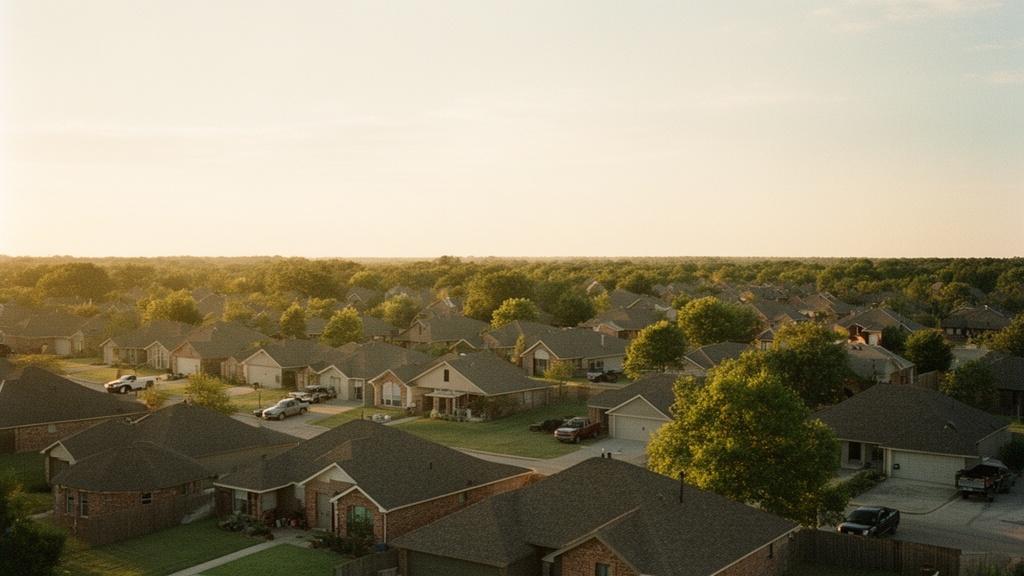
For buyers specifically looking for new construction homes rather than apartment buildings, the most active areas are in Henrico and Chesterfield counties, with a smaller but meaningful volume of infill construction happening inside Richmond city limits. National and regional builders are active across the metro, and the range of product types, from entry-level townhomes priced in the low $300,000s to single-family homes in the $500,000 to $700,000 range, reflects the breadth of buyer demand.
Henrico County's Western Growth Edge
Western Henrico, particularly the areas around Short Pump, Goochland County's eastern edge, and the Route 250 and Interstate 64 corridor, continues to see active new subdivision construction in 2026. Builders including Ryan Homes, NVR, and several regional custom builders are delivering product in communities that offer larger lot sizes than you find inside the city, with commute times to downtown Richmond typically running 25 to 40 minutes depending on traffic and exact location. Short Pump Town Center and the surrounding retail infrastructure make this corridor particularly convenient for buyers who want suburban square footage without sacrificing access to shopping and dining.
New townhome communities in western Henrico have been absorbing a significant share of first-time buyer demand, offering attached product typically priced between $310,000 and $420,000 with low-maintenance exteriors and proximity to major employment centers along the West Broad Street corridor. If you are weighing this area, the guide on finding a buyer's agent in Short Pump covers what to look for in an agent who knows this specific market well.
Chesterfield County's Expanding Subdivisions
Chesterfield County is delivering some of the highest volumes of new single-family construction in the entire Richmond metro in 2026. The areas around Midlothian, Moseley, and the Route 360 corridor south of the James River have seen multiple large subdivision projects either break ground or continue delivering lots this year. Builders are offering homes ranging from roughly 1,800 to over 3,500 square feet, with base prices generally running from the mid-$300,000s to the mid-$600,000s depending on size, lot, and finish level.
Chesterfield's appeal for new construction buyers includes lower property tax rates compared to Richmond city, larger lots, and newer school facilities. For a detailed breakdown of how taxes compare across jurisdictions, the article on property taxes in Richmond city versus Henrico County gives you the numbers you need to compare carrying costs across the metro.
Infill Construction Inside the City Limits
Inside Richmond city limits, new single-family and townhome construction is primarily infill, meaning builders are developing individual lots or small clusters of lots within established neighborhoods rather than building large subdivisions. Neighborhoods seeing notable infill activity in 2026 include Church Hill, Fulton, Swansboro, and portions of the Northside along Brook Road. These homes tend to be priced between $350,000 and $550,000 for new construction, though custom projects on premium lots in established corridors can exceed $700,000.
Infill construction in Church Hill and Fulton is particularly notable because it is happening alongside significant public investment in streetscapes and parks in that part of the city. Buyers who purchase new construction in these areas are getting modern building systems and warranties while being embedded in neighborhoods with established street grids, mature trees, and proximity to the James River waterfront and Chimborazo Park.
4. Infrastructure and Public Projects That Affect Where People Buy
Private development does not happen in isolation. Public infrastructure investment, including road improvements, trail extensions, and park upgrades, directly influences which corridors attract private capital and which neighborhoods see rising buyer demand. Several public projects underway or advancing in Richmond in 2026 are worth knowing about if you are evaluating where to buy.
Road and Transit Improvements in 2026
The Interstate 95 and Interstate 64 interchange reconstruction project, one of the largest highway projects in Richmond's recent history, continues to affect traffic patterns in the city's eastern approach in 2026. Buyers considering homes in the eastern Henrico or Mechanicsville corridors should factor current and projected construction impacts into their commute assessments. VDOT publishes current project timelines and lane closure schedules that are worth checking directly.
GRTC, Richmond's regional transit authority, continues to expand its Pulse bus rapid transit service along the Broad Street corridor, and planning discussions about extending rapid transit coverage into additional corridors remain active. For buyers who are weighing car-free or car-light living, the Pulse route from Willow Lawn to Rocketts Landing is currently the most practical transit spine in the region, connecting several of the city's most active development corridors.
Parks, Trails, and Riverfront Investment
Richmond's riverfront trail system continues to expand in 2026, with new connections being built along both the north and south banks of the James River. The Virginia Capital Trail, which runs 52 miles from Richmond to Williamsburg along the south bank of the James and Route 5, has been a significant amenity for buyers in the Varina and eastern Henrico areas. Additional greenway connections in Manchester and along Rocketts Landing are being extended this year, adding walkable and bikeable access to neighborhoods that previously required a car for most errands.
Byrd Park, Maymont, and the James River Park System collectively represent over 500 acres of public green space within the city, and the city's parks department has ongoing capital projects in 2026 focused on improving trail surfaces, adding restroom facilities, and expanding parking access at several trailheads. Buyers who value outdoor access will find that Richmond's park infrastructure is a genuine differentiator compared to similarly priced metros.
5. What All This Construction Means If You Are Buying or Selling in Richmond Right Now
Knowing which projects are underway is useful, but the more important question is what to do with that information. Whether you are buying a resale home near a new development, purchasing new construction directly from a builder, or selling a home in a corridor that is changing, the construction landscape in Richmond this year affects your strategy.
Buying Near New Development: What to Weigh
Construction noise and traffic are temporary, but the amenities that follow are permanent. Buyers who purchased in Scott's Addition or Manchester three to five years ago dealt with active construction sites on nearby parcels. Those same buyers now have walkable restaurants, coffee shops, and green spaces that did not exist when they moved in. Understanding the timeline of a specific project, and what it will look like when complete, is essential context for evaluating a purchase today.
When buying new construction directly from a builder, the negotiating dynamics are different from a resale purchase. Builders typically have less flexibility on price but more flexibility on upgrades, closing cost contributions, and rate buydowns, especially later in a phase when they are trying to sell the last several homes before moving to the next section. An experienced buyer's agent who knows the local builder landscape can help you navigate those conversations effectively. The guide on homes for sale in Richmond, Virginia in 2026 covers the broader buying landscape, including what to expect from inventory and pricing across different parts of the metro.
Selling Near New Development: How to Position Your Home
Sellers in corridors with active new development have a compelling story to tell, but only if they tell it correctly. A listing that highlights proximity to the Diamond District redevelopment, the expanding Manchester waterfront, or a new greenway connection is speaking directly to what buyers in those corridors are searching for. Pricing a resale home appropriately relative to new construction comps in the same area requires knowing both the builder pricing and the finish level differences between new and existing product.
If you are selling in a corridor where new multifamily construction is adding significant rental supply, the positioning conversation is different. Buyers evaluating owner-occupied purchases in those areas may have questions about long-term demand and the owner-to-renter ratio on specific blocks. Having clear, factual answers to those questions, backed by an agent who knows the local development pipeline in detail, makes a meaningful difference in how your listing is received.
For sellers weighing timing and strategy, the article on selling a home in Richmond, Virginia covers how to choose the right agent and approach for the current market conditions.
FAQ
Where is the most active new construction happening in Richmond, Virginia in 2026?
The highest concentration of active construction in Richmond city proper is in Scott's Addition, the Boulevard corridor, and Manchester on the south bank of the James River. In the broader metro, western Henrico County around Short Pump and the Midlothian corridor in Chesterfield County are seeing the most new single-family and townhome subdivision activity. Each of these areas has a different product type and price range, so the right answer for any individual buyer depends on what they are looking for in terms of home type, commute, and budget.
Does buying near a new development in Richmond affect my home's future value?
It can, in either direction, depending on what is being built and how close it is. Mixed-use projects that add walkable retail and public amenities have historically supported rising resale values in adjacent blocks, as seen in Scott's Addition over the past several years. Large rental-only multifamily projects can increase the renter concentration on a block, which some buyers weigh differently than owner-occupied housing. The most important thing is to research the specific permitted uses and timelines for any project near a home you are considering, rather than making assumptions based on general trends.
Can I negotiate with a builder on a new construction home in Richmond?
Yes, though the levers are different from a resale negotiation. Builders in the Richmond metro typically hold firm on base price, particularly early in a phase when demand is strong, but they often have room to offer upgrade credits, lot premiums waived, or contributions toward closing costs or rate buydowns. Later in a phase, when a builder is selling the final homes before moving to the next section, there can be more flexibility on price as well. Working with a buyer's agent who has relationships with local builders and knows current incentive structures puts you in a much stronger position than walking into a sales office without representation.