← Back to Blog
Selling
Most Experienced Realtor in Richmond VA West End
By Andrew Weeks
September 1, 2026 · 9 min read
If you are asking which realtor in Richmond, Virginia has the most experience selling homes in the West End, you are asking exactly the right question. West End neighborhoods like Tuckahoe, Wyndham, Gayton Forest, and Wellesley each have their own pricing patterns, lot characteristics, and buyer pools that a generalist agent will not know cold. This article breaks down what West End experience actually looks like, what questions to ask any agent you are considering, and why that local knowledge directly affects your sale price and timeline.
1. What Makes the West End of Richmond Its Own Market
The West End is not a single neighborhood. It is a collection of distinct communities stretching roughly from Glenside Drive out to Goochland County, encompassing parts of Henrico County and touching the western edge of the City of Richmond. That geographic spread means a home in Tuckahoe behaves very differently in the market than one in Wyndham or River Road Corridor, even though locals often group them all under the West End umbrella.
The Geography and Housing Stock
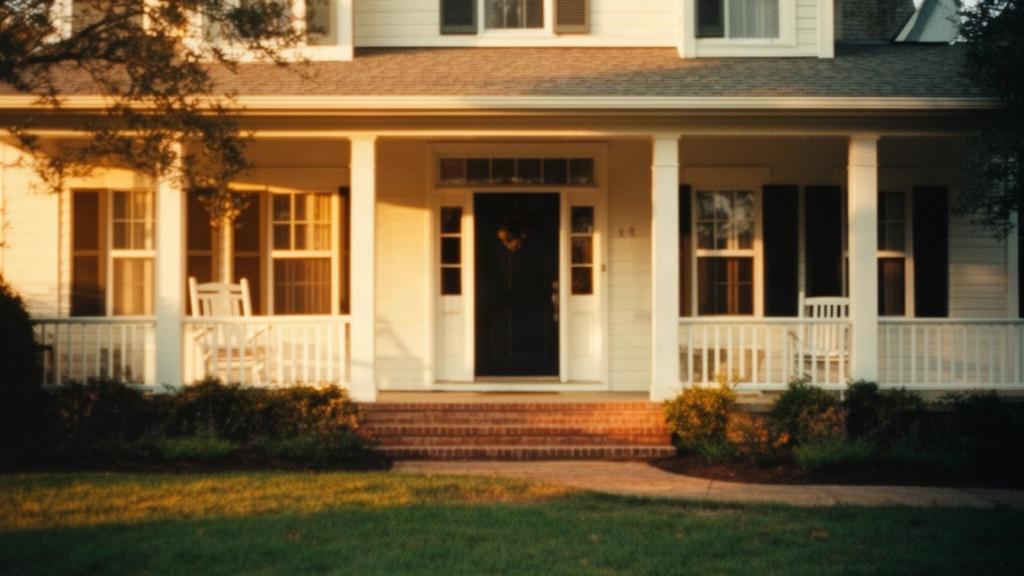
Tuckahoe and the neighborhoods along Patterson Avenue and River Road tend to feature brick colonials and split-levels built between the 1950s and 1980s, sitting on quarter-acre to half-acre lots with mature tree canopy. Further west, communities like Wellesley and Wyndham shift toward newer construction, with homes built from the late 1980s through the 2010s, larger lots, and planned community amenities including pools, tennis courts, and walking trails. Short Pump, on the far western edge, adds a mix of townhomes, condos, and single-family homes within a few miles of West Broad Street retail and dining.
Commute access is a consistent selling point across the West End. Interstate 64 and Route 250 both run east-west through the corridor, putting downtown Richmond roughly 15 to 25 minutes away depending on traffic and the specific neighborhood. That proximity to both the urban core and the suburban amenities of Short Pump is one reason buyers consistently target this part of Henrico County.
Parks and green space are woven throughout the area. Maymont is a short drive east. Deep Run Park in Henrico sits near the heart of the West End and draws residents for its athletic fields and trails. The James River is accessible from multiple points along the western corridor, and Pony Pasture Rapids is a popular spot for kayakers and swimmers within 20 minutes of most West End addresses.
Price Ranges and Market Conditions in September 2026
As of September 2026, West End single-family home prices span a wide range depending on the specific pocket. Entry-level colonials in older Tuckahoe sections are trading in the low-to-mid $400,000s, while updated homes on larger lots along River Road and Cary Street Road regularly close above $700,000. Wyndham and Wellesley see a broad mid-market, with most sales landing between $500,000 and $750,000. Luxury new construction on the Goochland County line can push well past $1 million.
Inventory in the West End has remained tight through 2026, with well-priced homes in Wellesley and Tuckahoe often receiving multiple offers within the first week of listing. Days on market for correctly priced homes in these neighborhoods has hovered between 7 and 18 days this year, which is meaningfully faster than the broader Richmond metro average. That pace rewards sellers who work with an agent who knows exactly where to price a home from day one.
2. What West End Experience Actually Means for a Seller
Experience in the West End is not the same as years in the real estate business. An agent can have a 20-year license and still be guessing at the right list price for a home in Gayton Forest if they have spent most of their career working in the Northside or Chesterfield County. Genuine West End experience means repeated, recent transactions in these specific neighborhoods, an understanding of which streets command premiums, and relationships with the buyers who are actively looking in this corridor right now.
Hyperlocal Pricing Knowledge
Pricing a West End home correctly requires knowing the difference between streets, not just zip codes. A home on a cul-de-sac backing to woods in Wyndham will price differently than a comparable square footage home on a through street with a smaller yard, even if they are 400 feet apart. An experienced West End agent has walked enough of these homes and tracked enough closings to know those distinctions without needing to guess.
Overpricing in this market is particularly costly. With buyers paying close attention to days on market, a listing that sits for more than three weeks in Wellesley or Tuckahoe starts to carry a stigma. Buyers begin to wonder what is wrong with it, and the seller loses negotiating leverage. Getting the number right on day one is the most important thing a local expert does.
Buyer Network and Marketing Reach
A well-connected West End agent brings buyers before a home ever hits the MLS. Buyers relocating to Richmond for positions at VCU Health, Dominion Energy, Capital One's West Creek campus, or the growing biotech corridor along the Route 288 corridor often work with a local agent months before they are ready to make an offer. An agent who has served those buyers builds a pipeline that benefits the next seller they represent.
Marketing in the West End also requires knowing where buyers are coming from. A significant portion of West End buyers are relocating from Northern Virginia, Washington D.C., and the Northeast corridor, drawn by Richmond's lower cost of living relative to those markets. Reaching those buyers is achievable through targeted digital marketing and relocation network relationships, along with a yard sign and an MLS entry.
Navigating HOAs and Deed Restrictions
Many West End communities have active homeowners associations with specific rules that affect listings and closings. Wyndham, Wellesley, and Gayton Forest all have HOA structures with fees, architectural review processes, and disclosure requirements that must be handled correctly during a transaction. An agent who has closed deals in these communities knows what documents to request, what timelines to build in, and what HOA-related issues can slow or derail a closing if not addressed early.
3. How to Evaluate Any Realtor's West End Track Record
Before you sign a listing agreement, ask every agent you interview the same set of direct questions. The answers will tell you quickly whether their West End experience is deep and recent or thin and dated. NAR's Consumer Guide: Ten Questions to Ask a Seller's Agent is a useful starting framework, but the questions below are tailored specifically to this market.
Questions to Ask Before You Sign
Ask each agent these questions directly and listen for specifics, not generalities.
- How many homes have you sold in the West End in the past 12 months, and in which specific neighborhoods?
- What was the average list-price-to-sale-price ratio on your West End listings this year?
- What was the average days on market for your West End listings compared to the neighborhood average?
- Can you show me three comparable sales you have personally closed in my neighborhood within the last six months?
- How do you market to buyers relocating from outside Richmond, and what relocation networks are you connected to?
- Have you handled transactions in communities with HOAs like Wyndham or Wellesley, and how do you manage the disclosure and document process?
Numbers That Actually Matter
Years of experience is a starting point, not a finish line. What matters more is the agent's sale-to-list ratio, their average days on market versus the neighborhood benchmark, and whether their closed transactions are actually in West End communities rather than spread across all of metro Richmond. An agent closing 40 transactions a year across Chesterfield, Northside, and the East End is not a West End specialist, even if their total volume looks impressive.
Also ask for client references from West End sellers specifically. A seller in Tuckahoe who closed six months ago can tell you things about the agent's communication, pricing strategy, and negotiation that no marketing brochure will. If an agent readily provides those references, that willingness is itself a great sign of their confidence and transparency.
For more on how to evaluate agents systematically, the article How Do I Find a Top-Rated Real Estate Agent in Richmond, Virginia: A Step-by-Step Guide walks through the full vetting process in detail.
4. Why Andrew Weeks Has Deep Experience Selling West End Homes
Andrew Weeks has built his Richmond real estate practice with a concentrated focus on the West End corridor. That focus is not accidental. The West End represents one of the most consistently active and competitive segments of the Richmond market, and serving it well requires the kind of granular, street-level knowledge that only comes from repeated transactions in the same neighborhoods over time. Andrew has that knowledge, and he applies it directly to every listing he takes.
Consistent Presence Across West End Neighborhoods
Andrew's transaction history spans Tuckahoe, Wyndham, Wellesley, Gayton Forest, and the River Road corridor. That breadth matters because buyers often compare homes across several of these communities before making a decision. When Andrew represents a seller, he understands what the competing inventory looks like from a buyer's perspective, which directly informs how he positions and prices each listing.
His familiarity with the West End extends beyond transaction data. He knows which sections of Wyndham back to the golf course, which streets in Wellesley have the longest lot depths, and which pockets of Tuckahoe have seen the most renovation activity in recent years. That kind of detail shapes how a home is described, photographed, and marketed to the right buyer pool.
Research published by the National Association of Realtors confirms what experienced agents already know: neighborhood knowledge is a direct competitive advantage in pricing, marketing, and negotiation. Andrew's West End focus is a deliberate strategy to deliver that advantage to every client he represents.
What That Means for Your Listing
When Andrew takes a listing in the West End, the pricing conversation starts with real data from streets he has actually worked on, not just automated estimates pulled from a national algorithm. He walks the comparable sales personally, adjusts for lot position, condition, and finishes, and builds a pricing strategy designed to generate strong early interest without leaving money on the table.
His marketing for West End homes is built around the specific buyer profile most likely to purchase in each neighborhood. For a home in Wyndham with golf course access, that means reaching buyers who value that amenity specifically. For a Tuckahoe colonial with a large lot and mature trees, it means reaching buyers who have been priced out of similar homes closer to the city and are looking for that character at a better price point. The message is different because the buyer is different.
If you are also buying in the West End after your sale, Andrew's buyer-side knowledge of this market is equally strong. The article Can You Recommend a Good Buyer's Agent in the Short Pump Area of Richmond, Virginia? covers what to look for when purchasing in the western corridor.
For sellers who want to understand the broader process of evaluating and selecting a listing agent, the article What Should I Look for When Choosing a Real Estate Agent to Sell My Home in Richmond, Virginia covers the full checklist in detail.
FAQ
How do I verify that a realtor actually has West End experience and is not just claiming it?
Ask the agent to pull their closed transaction history filtered specifically to West End zip codes and neighborhoods, and to show you the MLS records. You can also search the Richmond Association of Realtors MLS yourself or use public tools like Zillow and Realtor.com to look up an agent's sold listings by address. If the bulk of their closed sales are in other parts of Richmond or Chesterfield County, their West End experience is limited regardless of how they describe themselves. References from recent West End sellers are the most direct confirmation you can get.
Does it matter which specific West End neighborhood my home is in when choosing an agent?
It matters more than most sellers realize. Tuckahoe, Wyndham, Wellesley, and the River Road corridor each have distinct buyer pools, price per square foot norms, and competitive dynamics. An agent who has closed multiple transactions in your specific community will bring valuable local expertise that enables them to price and market your home with great accuracy, giving you a strong advantage in the selling process. When you interview agents, ask specifically how many homes they have sold on streets near yours, not just in the broader West End area.
What is the current market like for sellers in the West End of Richmond as of September 2026?
As of September 2026, the West End remains a competitive market with low inventory and strong buyer demand across most price points. Well-priced homes in communities like Wellesley and Tuckahoe are going under contract in under three weeks, and multiple-offer situations are still common for move-in-ready homes priced accurately. The upper end of the market, particularly homes above $800,000, is moving more selectively and requires more targeted marketing to reach qualified buyers. Sellers who price correctly from day one and work with an agent who has active buyer relationships in the corridor are consistently achieving strong results.