← Back to Blog
Neighborhoods
Greeley, Colorado Hillside Area Real Estate Market Guide: Prices, Neighborhoods and Timing
By Andy Sanburg
September 11, 2026 · 10 min read
If you are researching the Hillside area of Greeley, Colorado, you are looking at one of the city's most established residential pockets, and knowing the local market details before you make a move can save you thousands. This guide covers current prices, what the housing stock actually looks like, how Hillside compares to the broader Greeley market, and the timing factors that matter most for buyers and sellers right now in September 2026.
1. What Is the Hillside Area of Greeley, Colorado?
Hillside is one of Greeley's older, more established residential areas, sitting in the central and south-central part of the city near the University of Northern Colorado campus. Its location gives residents walkable access to UNC's campus edge, Glenmere Park, and the retail and dining corridor along 16th Street and 10th Avenue, all without requiring a car for everyday errands.
Where Hillside Sits in Greeley
Hillside occupies the blocks roughly between 10th Avenue to the north, 20th Avenue to the south, and 11th Street to 23rd Street running east to west. That positioning places it within a short drive of downtown Greeley's Lincoln Park, the Weld County Courthouse, and the Greeley Recreation Center on 65th Avenue. The area is also about 55 to 60 miles from downtown Denver via US 85 or I-25 through Fort Collins, which is relevant for anyone commuting along the Northern Colorado corridor.
For a full picture of that commute, the guide on commute times from Greeley to Denver breaks down realistic drive times, traffic patterns, and alternative routes that Hillside residents use regularly.
What the Streets and Homes Look Like
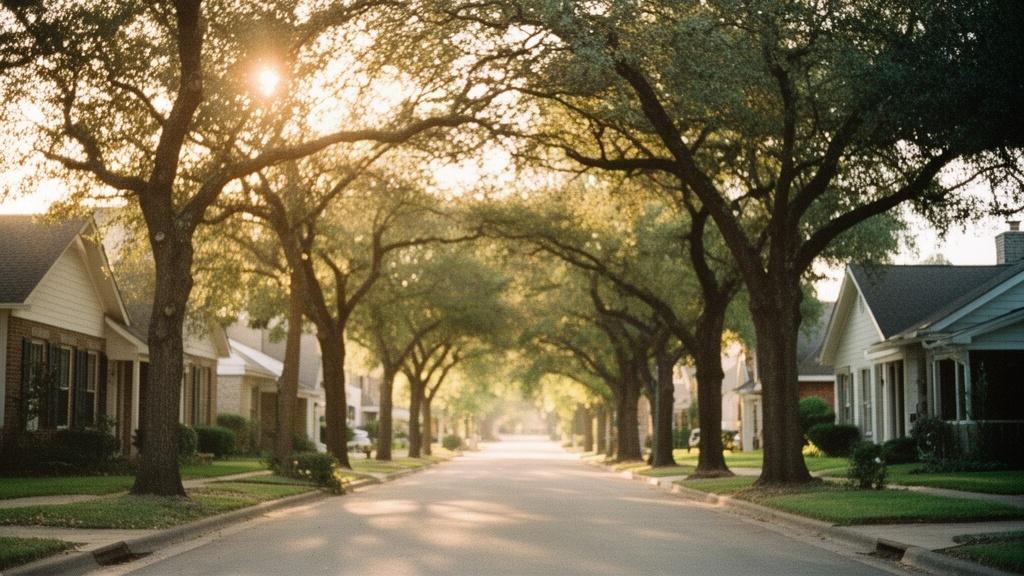
Hillside streets are lined with mature cottonwood and elm trees that give the area a canopied feel uncommon in Greeley's newer subdivisions. Sidewalks are consistent throughout, and the block layout is a traditional grid, which makes the area easy to navigate on foot or by bicycle. Glenmere Park, a 20-acre city park with a pond, walking paths, and a bandshell, borders the neighborhood to the west and is one of Greeley's most used green spaces.
2. Hillside Real Estate Prices in Greeley Right Now
As of September 2026, homes in the Hillside area of Greeley are trading in a range that reflects the neighborhood's older housing stock and central location. Entry-level properties, typically smaller bungalows and ranch-style homes built between the 1940s and 1970s, are listed and selling between roughly $285,000 and $360,000. Larger two-story homes with updated interiors on wider lots are moving in the $375,000 to $460,000 range. Fully renovated properties with new mechanical systems, kitchens, and bathrooms occasionally push past $480,000.
Current Price Ranges by Property Type
- Smaller bungalows and ranch homes (1940s to 1970s): Approximately $285,000 to $360,000 as of September 2026, depending on condition and lot size.
- Mid-size two-story homes with updates: Typically listed between $375,000 and $460,000, with price driven heavily by kitchen and bathroom renovation quality.
- Fully renovated properties with new systems: Can reach $480,000 or above, particularly on lots that back to Glenmere Park or sit on wider corner parcels.
- Average days on market in Hillside: Well-priced listings in move-in condition are going under contract in roughly 18 to 30 days in September 2026, while properties needing work are sitting longer, often 45 to 60 days.
How Hillside Prices Compare to the Broader Greeley Market
The broader Greeley market has a median home price hovering around $390,000 to $410,000 in September 2026, according to current market data. Hillside's lower end sits below that city median, which reflects the age and size of many of its homes rather than any difference in location desirability. Newer subdivisions on Greeley's west and southwest sides, such as those near Promontory or along the 83rd Avenue corridor, often carry higher price tags because the homes are larger and more recently built.
For broader context on where Greeley prices stand citywide, Redfin's Greeley housing market page tracks median sale prices, price per square foot, and months of supply with data updated regularly, which is a useful benchmark to check alongside any specific Hillside listing you are considering.
3. Housing Stock and Neighborhood Features in Hillside
Hillside's housing stock is almost entirely single-family residential, built across several decades from the late 1930s through the early 1980s. That span of construction means buyers will find a genuine mix of architectural styles on the same block, which gives the area a character that newer master-planned communities in Greeley do not replicate.
Architecture and Lot Sizes
The most common styles in Hillside are post-war ranch homes, brick bungalows, and modest two-story colonials. Lot sizes typically run between 6,000 and 9,500 square feet, which is generous compared to the 4,500 to 6,000 square foot lots common in Greeley's newer planned communities. Many properties have detached garages accessed from alley easements running behind the homes, a feature that preserves the streetscape and provides extra storage or workshop space.
Interior square footage in Hillside homes ranges widely. Smaller bungalows run 900 to 1,200 square feet. Mid-range ranch and two-story homes fall between 1,400 and 1,900 square feet. A smaller number of larger homes on the neighborhood's perimeter reach 2,200 to 2,600 square feet. Finished basements are common in homes built after 1955, adding livable square footage that does not always appear in the above-grade figures listed on a property sheet.
Nearby Amenities and Landmarks
Glenmere Park is the anchor green space for the Hillside area. The park's pond, paved loop path, and open lawn make it a year-round destination, and the adjacent Glenmere Pool operates seasonally from late May through August. The University of Northern Colorado campus, with its Bear statue landmark, public library branch, and Nottingham Field athletic complex, is within walking distance of the neighborhood's northern edge.
Grocery and retail access is straightforward from Hillside. King Soopers on 23rd Avenue is under two miles away, and the Safeway on 10th Street is similarly close. The Greeley Mall on 23rd Avenue, which anchors the city's central retail corridor, is about a five-minute drive east. For dining, the stretch of 9th Street near downtown Greeley includes local restaurants, coffee shops, and the Weld County Courthouse Square, which hosts the weekly Greeley Farmers Market through October.
Buyers relocating to Greeley from out of state often have detailed questions about how Hillside fits into the city's broader neighborhood picture. The full relocation guide for Greeley covers costs, timelines, and what to expect when moving from another state, which pairs well with the neighborhood-specific detail in this article.
4. Timing the Hillside Market: When to Buy or Sell
Timing in the Hillside area follows Greeley's broader seasonal rhythm, but with some nuances specific to a neighborhood adjacent to a university campus. Understanding those patterns helps buyers avoid overpaying during peak competition and helps sellers choose a list date that maximizes their exposure.
Seasonal Patterns in Greeley
Greeley's busiest listing season runs from late March through June, when inventory peaks and buyer competition is highest. That spring window typically produces the most multiple-offer situations and the fewest seller concessions. July and August see continued activity but with some softening as families settle before the school year. September, where the market sits right now, is a transitional month: motivated sellers are still active, buyer pools thin slightly compared to spring, and negotiating room opens up on properties that did not sell during the summer.
The UNC academic calendar adds a layer to Hillside's timing. August and early September bring a wave of activity from faculty, staff, and graduate students seeking housing near campus, which can briefly tighten rental and for-sale inventory in the immediate Hillside area. Sellers who list in late July or early August sometimes benefit from that demand. Buyers, on the other hand, may find slightly less competition in October and November after that campus-driven wave passes.
What September 2026 Conditions Mean for You
Right now in September 2026, the Hillside market is in a position where buyers have more leverage than they did in the spring, but inventory remains limited because Greeley overall has not seen a surge of new listings. Mortgage rates in the mid-to-upper 6% range have kept some potential sellers in place, which constrains supply and prevents prices from dropping sharply even as buyer urgency cools. That combination means prices are holding but days on market are stretching, creating a window where buyers can negotiate inspection repairs and closing cost contributions that were nearly impossible to get six months ago.
For sellers, the data suggests pricing precisely matters more right now than at any point in the last two years. Hillside homes that come to market at or slightly below recent comparable sales are still moving within three to four weeks. Homes priced above comparable sales are sitting and accumulating price reductions, which signals weakness to buyers and ultimately results in a lower final sale price than a correct initial list price would have produced.
If you are weighing whether to act this fall or wait until spring 2027, this detailed breakdown of fall versus spring timing in Greeley lays out the tradeoffs with specific local data that applies directly to neighborhoods like Hillside.
5. Practical Steps for Buyers and Sellers in the Hillside Area
The Hillside area rewards buyers and sellers who do their homework on the specific characteristics of older Greeley housing stock. The steps below reflect what actually moves the needle in this part of the city, not generic real estate advice that applies anywhere.
What Buyers Should Know Before Making an Offer
- Budget for deferred maintenance: Homes built before 1975 in Hillside frequently have original electrical panels, galvanized plumbing, or aging roofs. A thorough inspection and a realistic repair budget protect you from surprise costs in the first year of ownership.
- Check the basement carefully: Finished basements add real value in Hillside, but older basement walls in this part of Greeley sometimes show moisture intrusion or settlement cracks that require sump pump systems or foundation repairs. Have your inspector assess the basement walls and floor specifically.
- Verify the alley garage situation: Many Hillside properties have detached garages accessed from rear alleys. Confirm the garage is permitted, insured, and structurally sound, since these structures are sometimes excluded from seller disclosures if they predate city permit records.
- Pull comparable sales from the last 90 days: Hillside has enough transaction volume that a 90-day comparable window gives a reliable price anchor. Comps older than six months may not reflect the current September 2026 rate environment and should be weighted less heavily.
- Get pre-approved before touring: Even in a slower seasonal window, well-priced Hillside homes attract multiple showings quickly. A pre-approval letter from a lender familiar with Weld County transactions strengthens your offer and shortens your timeline to closing.
What Sellers Should Do Before Listing
- Address visible deferred maintenance first: Buyers of older Hillside homes are already expecting some age-related issues. Visible problems like peeling exterior paint, a sagging gutter, or a cracked driveway signal neglect and give buyers a reason to reduce their offer before they even step inside.
- Highlight the lot and outdoor space: Hillside's larger lots are a genuine selling point relative to newer Greeley subdivisions. Clean landscaping, a defined patio or deck area, and a tidy alley garage presentation all photograph well and increase perceived value.
- Price to the current comparable sales, not to your purchase price: In September 2026, buyers are informed and rate-sensitive. A price that reflects actual recent Hillside sales will generate showings and offers. A price anchored to what you paid or what the market did in 2022 will sit.
- Consider a pre-listing inspection: For older Hillside homes, a pre-listing inspection lets you identify and disclose issues proactively, which reduces the chance of a deal falling apart after a buyer's inspection and gives you control over repair costs.
For a broader look at the seller process in Greeley, including pricing strategy and what to expect at each stage of a transaction, the Greeley seller's guide covers the full timeline from pre-listing preparation through closing day.
FAQ
What makes the Hillside area of Greeley different from newer subdivisions on the city's west side?
Hillside is built on a traditional street grid with mature tree canopy, alley-accessed detached garages, and lot sizes that typically run 6,000 to 9,500 square feet, which is larger than what most of Greeley's newer planned communities offer. The housing stock dates from the late 1930s through the early 1980s, so buyers get brick bungalows, post-war ranch homes, and modest two-story colonials rather than the open-concept new builds found in areas like Promontory or along the 83rd Avenue corridor. The proximity to Glenmere Park, the University of Northern Colorado campus, and downtown Greeley's 9th Street dining and retail corridor gives Hillside a walkable, urban-adjacent character that newer west-side subdivisions do not replicate. The tradeoff is that older homes require more attention to mechanical systems, roofing, and plumbing, which is why inspection due diligence matters more in Hillside than in a new construction purchase.
Is September 2026 a good time to buy a home in the Hillside area of Greeley?
September 2026 presents a more negotiable environment than the spring 2026 market did, with days on market stretching to 18 to 45 days on most Hillside listings and sellers more open to inspection repair requests and closing cost contributions. Buyer competition has eased from the spring peak, but Hillside inventory remains limited because the rate environment has kept many potential sellers from listing. That means prices have not dropped sharply, but buyers have more room to negotiate terms than they did six months ago. If you find a well-priced Hillside home that meets your needs in September, the conditions favor moving forward rather than waiting, since spring 2027 will likely bring renewed buyer competition that narrows your negotiating leverage.
What should I budget for beyond the purchase price when buying in Hillside, Greeley?
Beyond the purchase price, buyers in Hillside should budget for a home inspection ($400 to $600 for a typical older home in this area), a radon test ($150 to $200, since Weld County has elevated radon levels), and an appraisal fee ($600 to $800 in the current market). Closing costs in Colorado typically run 2% to 3% of the loan amount, covering title insurance, lender fees, and prepaid property taxes and insurance. For older Hillside homes specifically, it is prudent to set aside an additional $5,000 to $15,000 as a repair reserve for the first year, since homes built before 1975 frequently have deferred maintenance on roofing, electrical panels, or plumbing that a thorough inspection will surface. Your lender can provide a detailed loan estimate that itemizes all closing costs specific to your purchase price and loan type.