← Back to Blog
Neighborhoods
What Is It Like to Live in the West Greeley Area Near the New Developments off 71st Avenue
By Andy Sanburg
September 25, 2026 · 10 min read
If you have been wondering what is it like to live in the West Greeley area near the new developments off 71st Avenue, the short answer is this: it is one of the most actively changing pockets of Greeley right now, with brand-new construction sitting alongside established streets, a growing retail corridor, and straightforward access to US-34 and US-85. This guide covers housing stock, price ranges, commute distances, everyday amenities, and what buyers should realistically expect before making a move to this part of town.
1. Where West Greeley and 71st Avenue Actually Are
West Greeley sits at the city's growing western edge, roughly between 35th Avenue and 71st Avenue along the US-34 Business corridor. 71st Avenue itself runs north-south and has become a primary spine for the newest residential construction in Greeley, connecting the US-34 Business Route near Centerplace of Greeley to the neighborhoods pushing toward the Weld County open plains to the north.
The Physical Layout
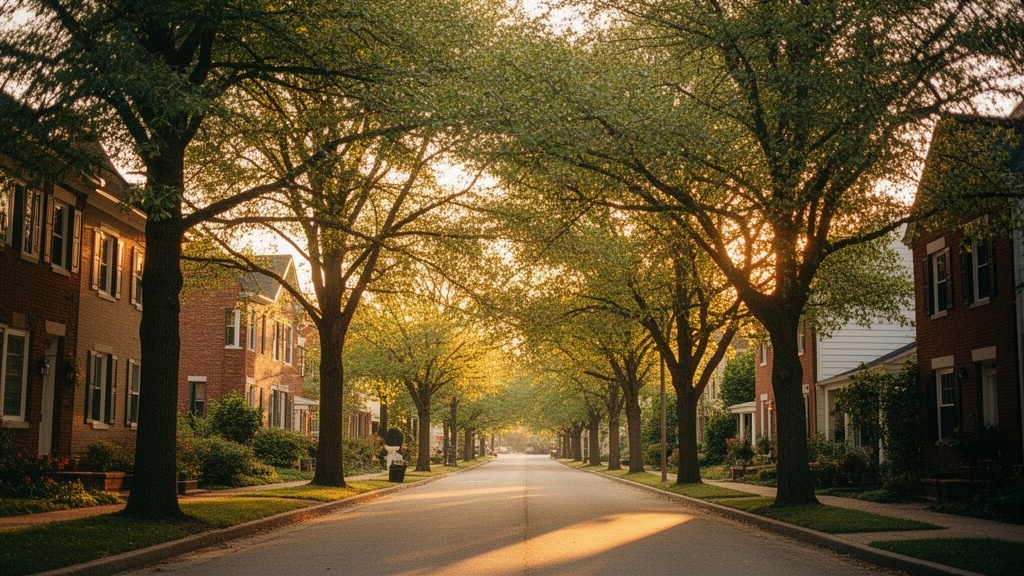
The terrain here is classic Northern Colorado high plains. Lots are flat, streets are wide, and the views to the west on a clear day stretch toward the Rockies and Longs Peak. The area west of 59th Avenue and north of US-34 Business has seen the heaviest builder activity over the past several years, with subdivisions extending farther north toward 83rd Avenue and beyond as Greeley's city limits have grown.
Unlike the older, more established neighborhoods near downtown Greeley or the Hillside area to the east, the streets around 71st Avenue were largely undeveloped farmland as recently as 2015. What you see today is the result of a sustained building boom that accelerated through the early 2020s and has continued into 2026.
What 71st Avenue Connects To
71st Avenue feeds directly into US-34 Business, which runs east into central Greeley and west toward Loveland. From the northern end of 71st, you can reach 83rd Avenue, which connects to US-85 heading north toward Windsor and south toward Evans and Platteville. That intersection of road access is a key reason builders have targeted this corridor: residents can reach multiple employment centers without funneling through downtown Greeley.
2. The New Developments Reshaping This Part of Town
The west Greeley area near 71st Avenue is home to some of the largest active residential communities in all of Weld County right now. Builders including Richmond American Homes, D.R. Horton, Landmark Homes, and Oakwood Homes have all planted flags in this corridor, offering product ranging from entry-level attached townhomes to larger single-family homes on standard suburban lots.
Builder Activity and Community Names
Several named communities have taken shape along and near 71st Avenue. Promontory, Westmoor, and Turning Leaf are among the subdivisions that have added significant inventory to this part of Greeley over the past several years. Some of these communities are still actively selling new phases as of September 2026, meaning buyers can purchase directly from a builder with options to choose finishes, floor plans, and lot positions. For a broader look at what is currently under construction across Greeley, NoCo New Builds maintains an updated list of active communities and available inventory.
The pace of new permits in this corridor has been notable. Greeley as a whole has consistently ranked among the faster-growing cities along the Front Range, and the 71st Avenue area has absorbed a large share of that growth because the land is available, the infrastructure has been extended, and the price points are accessible relative to Fort Collins or Loveland.
Home Sizes, Styles and Price Ranges
New construction homes in west Greeley near 71st Avenue generally run from roughly 1,400 square feet on the smaller end to just over 3,000 square feet for the larger two-story plans. Architecturally, you are looking at contemporary suburban construction: open floor plans, attached two- or three-car garages, main-floor primary suites on select plans, and unfinished basements that buyers can finish later. Exterior styles lean toward a mix of stone accents, lap siding, and board-and-batten details.
Price ranges in September 2026 vary by builder and finish level, but the broad range for new single-family homes in this corridor sits between approximately $380,000 and $580,000. Entry-level attached townhomes from some builders start closer to $320,000. Resale homes in the same general area, particularly those built between 2016 and 2022, tend to list in the $360,000 to $500,000 range depending on size, lot, and upgrades. Buyers comparing new construction to resale will find that builder incentives, including rate buydowns and closing cost contributions, have been a meaningful factor in this market in 2026.
3. Day-to-Day Living: Amenities, Errands and Green Space
Living in the west Greeley area near 71st Avenue means your daily errands are handled mostly along the US-34 Business corridor, which has developed into a dense retail strip over the past decade. The concentration of stores, restaurants, and services along this route means residents rarely need to drive more than five to ten minutes to cover most daily needs.
Retail, Groceries and Dining
Centerplace of Greeley, located near 47th Avenue and US-34 Business, anchors the western retail corridor. It includes a Walmart Supercenter, Target, Home Depot, Best Buy, and a range of national chain restaurants and fast casual options. Residents closer to 71st Avenue are roughly two to three miles from this hub, which translates to a five-minute drive under normal traffic conditions.
Grocery options include King Soopers locations along the US-34 Business corridor, with additional options at Sam's Club near Centerplace. The dining scene in this part of Greeley skews toward national chains rather than independent local restaurants, though downtown Greeley, about four to five miles east, has a more developed independent restaurant and brewery scene including Crabtree Brewing and Brix Taphouse.
Medical access is solid. UCHealth Greeley Hospital is located on 16th Street Road, roughly six miles from the 71st Avenue corridor. Banner Health also operates clinics in Greeley. For urgent care, there are several options along the US-34 Business strip that are reachable in under ten minutes from most of the new developments.
Parks and Outdoor Space
The newer subdivisions along 71st Avenue typically include small neighborhood parks and open space tracts built into the plat as part of Greeley's development requirements. These are pocket parks with turf, playground equipment, and walking paths rather than large regional parks. They are within walking distance for residents in the same subdivision.
For larger outdoor recreation, Island Grove Regional Park is approximately four miles east in central Greeley and includes event facilities, athletic fields, and open lawn space. Glenmere Park, with its lake and walking loop, is about five miles from the 71st Avenue area. Residents who want trail access closer to the mountains typically drive west on US-34 toward Loveland and Estes Park, both of which are under 45 miles from west Greeley.
4. Commutes and Getting Around from West Greeley
Commute times from the west Greeley area near 71st Avenue are one of the more practical considerations for buyers weighing this location. The good news is that the road access here is genuinely strong for a suburban Weld County location, with US-34 and US-85 both within a short drive.
Driving to Fort Collins, Loveland and Windsor
Fort Collins is approximately 25 miles from the 71st Avenue corridor via US-34 west to I-25 north, a drive that typically takes 30 to 40 minutes outside of peak hours. Loveland is closer, roughly 20 miles via US-34 west, and the drive usually runs 25 to 35 minutes. Windsor, a popular neighboring community, is about 12 miles north via US-85 and typically takes 15 to 20 minutes. These distances make west Greeley a realistic base for people who work in any of those communities but want more purchasing power in the housing market.
Evans and Milliken are both south and southeast of Greeley, each reachable in 15 to 20 minutes. Johnstown is roughly 18 miles south via US-85 and I-25, about a 20 to 25 minute drive under normal conditions.
The Denver Commute from West Greeley
Denver is approximately 55 miles from west Greeley, and the most common route is US-34 west to I-25 south. Under light traffic, the drive runs about 55 to 65 minutes. During peak morning commute hours heading south toward Denver, that can stretch to 80 to 100 minutes depending on conditions around the I-25 and US-34 interchange near Loveland. Buyers who commute to Denver daily should factor that in carefully. For a deeper look at what the Greeley-to-Denver commute actually looks like in practice, this site has a dedicated article covering
Remote and hybrid workers have been a significant buyer segment in west Greeley precisely because the Denver commute is manageable two or three days a week, even if it would be taxing five days a week.
5. The West Greeley Housing Market Right Now
As of September 2026, the west Greeley market near 71st Avenue reflects conditions that are more balanced than the intense seller's market of 2021 and 2022, but still competitive for move-in-ready homes priced accurately. Inventory has grown compared to two years ago, giving buyers more options and slightly more negotiating room, particularly with resale homes that have been sitting longer.
New Construction vs. Resale
New construction in this corridor comes with builder warranties, modern energy codes, and the ability to choose finishes, but it also comes with longer closing timelines. Spec homes (already built and ready to close) are available from several builders right now and can close in 30 to 45 days. To-be-built homes with full customization can take four to eight months depending on the builder's backlog. Resale homes in the same area tend to offer more mature landscaping, established HOA communities, and sometimes larger lot sizes than what current builders are platting.
For a current read on how long homes in Greeley are sitting before going under contract, including data specific to western Greeley, the article on days on market in Greeley breaks down the current pace by price band.
What Buyers Should Know Before Writing an Offer
HOA fees are a reality in most of the newer west Greeley subdivisions. Monthly HOA dues in this corridor typically run between $40 and $120 per month depending on the community, and they usually cover common area maintenance, snow removal on shared paths, and community park upkeep. Metro districts, which are a common financing mechanism for infrastructure in new Colorado developments, are also present in several of these communities and add an additional property tax line item. Buyers should ask specifically about metro district mill levies before making an offer, as they can add several hundred dollars per year to the effective carrying cost of a home.
Closing costs in Greeley follow standard Colorado norms. For a full breakdown of what to expect at the closing table, the guide on closing costs for a Greeley home purchase covers the numbers in detail.
If you are considering buying in west Greeley and want to understand the full purchasing process, the guide on buying a home in Greeley, Colorado walks through the process, costs, and realistic timelines from start to close.
6. Schools, Research and Making Your Own Assessment
The west Greeley area near 71st Avenue falls within the Greeley-Evans School District 6, which serves the majority of Greeley and Evans. Which specific school a home is assigned to depends on the exact address, so buyers should verify attendance boundaries directly with District 6 rather than assuming based on subdivision name or location. The Colorado Department of Education website and the District 6 website both publish current attendance boundary maps and school performance data that you can review independently.
School assignment is a personal research step every buyer should take directly. Andy Sanburg can provide the address of any home you are considering, which you can then plug into District 6's boundary lookup tool to confirm the assigned school. For private school options, Greeley has several independent and faith-based schools, and the Colorado Department of Education maintains a directory.
For a broader orientation to living in Greeley, including how the west side compares physically to other parts of the city in terms of housing stock and infrastructure, the Greeley area guide at Kenna Real Estate provides a useful overview of the city's different sections.
If you are relocating from outside Colorado and want a more comprehensive picture of how west Greeley fits into the broader Northern Colorado landscape, the article on relocating to Greeley from out of state covers the practical details that matter most to people moving from another state.
FAQ
Are there still new homes available to buy near 71st Avenue in west Greeley right now?
As of September 2026, yes. Several builders remain active in the west Greeley corridor near 71st Avenue, with both spec homes ready for quick closing and to-be-built opportunities where buyers can select floor plans and finishes. Spec inventory moves quickly when priced competitively, so checking directly with builders or working with a local agent who tracks new release dates is the most reliable way to see what is currently available. Builder incentives including mortgage rate buydowns and closing cost contributions have been part of the picture in 2026, so it is worth asking about those when you visit model homes.
What are metro districts and do they affect homes near the 71st Avenue developments?
A metro district is a special taxing district that Colorado municipalities use to finance the roads, utilities, and infrastructure needed for new development. Homeowners in a metro district pay an additional mill levy on top of standard Weld County and Greeley property taxes, which can add anywhere from a few hundred to over a thousand dollars per year depending on the specific district's mill levy rate. Many of the newer subdivisions in west Greeley near 71st Avenue are within one or more metro districts, so buyers should ask the builder or listing agent for the full property tax estimate including all applicable districts before making an offer. This is different from HOA dues and is not optional once you own the home.
How does the west Greeley area near 71st Avenue compare to older parts of Greeley in terms of housing?
The two areas are quite different in character. Older Greeley neighborhoods, particularly those near downtown, the University of Northern Colorado campus, and the Hillside area to the east, feature housing stock from the 1950s through the 1990s, with mature trees, smaller lots, and more architectural variety including ranch homes, two-stories, and bungalows. West Greeley near 71st Avenue is almost entirely post-2010 construction, with newer mechanical systems, open floor plans, attached garages, and HOA-maintained common areas, but without the established landscaping and tree canopy that older neighborhoods have. Price per square foot can be similar between the two areas, though new construction carries builder warranty coverage that resale homes do not. The right choice depends on what a buyer prioritizes in their daily living environment.