← Back to Blog
Market Trends
Dover, Florida real estate market guide: prices, neighborhoods and timing
By Angel Purcell
Dalton Wade
September 2, 2026 · 11 min read
If you are trying to understand the Dover, Florida real estate market, whether you are buying, selling, or relocating, this guide covers what you actually need to know: current price ranges, what the housing stock looks like across different parts of Dover, how the broader Tampa Bay market is affecting this community, and when the timing tends to work in your favor.
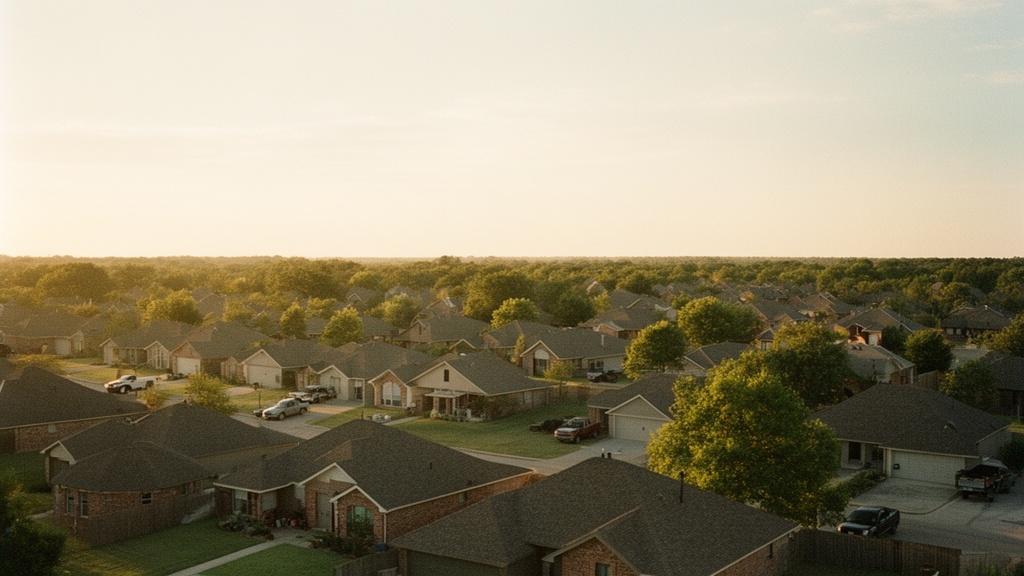
1. What Dover, Florida Looks Like as a Real Estate Market
Dover is an unincorporated community in eastern Hillsborough County, sitting roughly 15 miles east of downtown Tampa and about 8 miles northwest of Brandon. It is not a city with its own government or boundary signs on every corner, but it is a well-defined real estate market with its own price dynamics, housing character, and buyer pool.
Where Dover Sits Geographically
Dover is bounded loosely by State Road 60 to the south, the community of Seffner to the west, Plant City to the east, and the Thonotosassa area to the north. Interstate 4 runs along the southern edge of the broader area, giving residents access to both Tampa and Lakeland without driving through dense city traffic. The Selmon Expressway and Interstate 75 are also reachable within 20 to 25 minutes, which matters for anyone commuting toward Riverview or South Tampa.
The Character of Dover's Housing Stock
Dover's housing stock is genuinely varied. You will find everything from older ranch-style homes on half-acre to multi-acre lots, to newer construction subdivisions with community amenities, to custom-built properties on agricultural land. This variety is one of the defining features of the Dover market: it is not a single-style suburb. Homes with private wells and septic systems sit alongside properties on county water and sewer, and lot sizes range from under a quarter acre in planned communities to five-plus acres in the rural corridors.
Construction eras span from the 1960s and 1970s for older ranch homes on larger parcels, through the 1990s and early 2000s for established subdivisions, to homes built within the last five years in newer phases along roads like Gallagher Road and McIntosh Road. Each era brings different considerations around roof age, HVAC systems, and insurance costs, all of which affect how buyers should approach their offers.
2. Current Prices in the Dover, Florida Real Estate Market
As of September 2026, Dover home prices reflect the broader stabilization happening across Hillsborough County, with values holding firm rather than climbing sharply as they did in 2021 and 2022. Buyers have more negotiating room than they did two years ago, but well-priced, well-maintained homes are still moving at a reasonable pace.
Median Home Prices as of September 2026
Median sale prices in the Dover zip code (33527) currently sit in the range of $390,000 to $440,000 for single-family homes, depending on lot size, construction year, and condition. Smaller homes on standard subdivision lots at around 1,400 to 1,800 square feet tend to price between $330,000 and $390,000. Larger homes with four or more bedrooms, updated kitchens, and half-acre or larger lots regularly list in the $450,000 to $600,000 range. Properties with acreage, barns, or agricultural features can push well above $600,000 depending on the land.
Price Per Square Foot and Lot Premiums
Price per square foot in Dover currently runs roughly $185 to $230 for standard subdivision homes. Newer construction with open floor plans, modern finishes, and community pools tends to hit the higher end of that range. Older homes with original kitchens and bathrooms often land closer to $185 per square foot, which can represent solid value if the buyer is comfortable with updating. Lot premiums are real in Dover: a home on two acres versus a home on a quarter-acre lot of similar square footage can differ by $80,000 to $150,000 or more, because the land itself is scarce and in demand.
How Dover Compares Within Hillsborough County
Dover prices run below Brandon and Valrico on a per-square-foot basis, largely because Dover carries more rural character and has less retail density immediately surrounding it. That gap has been narrowing as buyers priced out of Brandon and Riverview look eastward. Plant City to the east is comparable in price for similar lot sizes, though Plant City has its own distinct downtown and commercial core. Dover's appeal is its land, its relative quiet, and its commute access without the premium of a city address.
3. Dover's Neighborhoods: Features, Lot Sizes and Price Ranges
Dover does not have named neighborhoods in the traditional sense, but distinct pockets of the community have their own character, price points, and buyer appeal. Understanding those pockets is central to any honest Dover, Florida real estate market guide.
Rural and Semi-Rural Corridors
The areas north of State Road 60 and along roads like McIntosh Road, Gallagher Road, and Knights Griffin Road carry the most rural character. Homes here often sit on one to ten acres, many with detached garages, pole barns, or room for horses and livestock. Properties in this corridor frequently rely on private wells and septic systems, which means buyers need to budget for inspections of those systems specifically. Prices for a three-bedroom home on two or more acres in this area currently range from approximately $420,000 to $650,000, with outliers above that for larger acreage or updated homes.
The Lithia area borders Dover to the southeast and shares some of this rural character. If you are weighing properties that straddle the Dover and Lithia boundary, this article on finding the right agent for homes near the Lithia area of Dover covers what to look for when the property lines get blurry.
Established Subdivisions Near Sydney Road
The Sydney Road corridor and surrounding streets hold a mix of subdivisions built primarily between the late 1980s and early 2000s. These neighborhoods tend to have smaller lots, typically a quarter to a third of an acre, with homes ranging from 1,400 to 2,400 square feet. Many of these homes have been updated by long-term owners, and you will find a mix of original and renovated kitchens and bathrooms. Prices in this corridor generally run from $330,000 to $420,000, making it one of the more accessible entry points into the Dover market.
Homes in this part of Dover are typically on county water and sewer, which simplifies the inspection process and removes the maintenance variable of a private well. HOA fees, where they exist, tend to be modest, often under $200 per year for the older communities.
Newer Planned Communities Along Gallagher Road
Newer construction communities have been expanding along Gallagher Road and adjacent corridors over the past several years. These developments feature homes built from roughly 2018 through 2026, with open-concept layouts, higher ceilings, and community amenities such as pools and playgrounds. Lot sizes in these communities are typically smaller, from 5,000 to 8,000 square feet, but the homes themselves are larger, often 2,000 to 3,200 square feet. Prices range from approximately $400,000 to $560,000 depending on the builder, floor plan, and upgrade level.
One consideration in newer communities: CDD fees. Some developments in this part of Hillsborough County carry Community Development District fees that appear on the property tax bill rather than as a separate HOA line item. Buyers should ask specifically about CDD fees when evaluating any newer construction home in Dover, because they can add $1,500 to $3,500 or more per year to the total carrying cost.
4. Commute Times, Amenities and What Draws People to Dover
Dover's appeal as a real estate market is closely tied to what it offers relative to its location. Understanding the practical day-to-day picture helps buyers decide whether Dover fits their lifestyle before they start scheduling showings.
Getting to Tampa and Brandon from Dover
The drive from central Dover to downtown Tampa runs approximately 30 to 40 minutes in normal traffic via I-4 west to I-275, or via State Road 60 west through Brandon. During peak morning commute hours, that can stretch to 45 to 55 minutes depending on your specific origin point and destination. Brandon's retail core, including Westfield Brandon mall, Lowe's, and a full range of restaurants and medical offices, is roughly 10 to 15 minutes from most Dover addresses. Tampa International Airport is about 35 to 45 minutes in moderate traffic.
Lakeland to the east is approximately 20 to 30 minutes via I-4, which matters for buyers whose employers are in the Polk County corridor. Dover genuinely sits at a geographic midpoint between the two metro areas, and some residents use that to their advantage depending on where their work takes them week to week.
Local Amenities and Landmarks
Dover itself is not a commercial hub, which is part of its character. The community has a few local businesses, a Dollar General, and a scattering of agricultural operations that give the area a working-land feel. The Dover Community Park on McIntosh Road provides a local outdoor space with sports fields and open areas. The Hillsborough River State Park is accessible within about 20 minutes north, offering hiking trails, canoeing, and camping along the river.
For everyday shopping, most Dover residents head to Brandon or Plant City. Brandon has a Costco, multiple grocery chains, and a broad selection of dining. Plant City, about 15 minutes east, is known for its historic downtown and the Florida Strawberry Festival grounds, which draw visitors each spring. Neither destination requires a long drive, which keeps Dover's rural feel without isolating residents from services.
Schools: How to Research Them Yourself
Dover is served by Hillsborough County Public Schools. Rather than relying on third-party rating sites, the most accurate way to research school assignments and performance is directly through the Hillsborough County School District's website, which allows you to look up the schools assigned to any specific address. The Florida Department of Education also publishes school report cards annually at fldoe.org, which gives you state-level data you can evaluate on your own terms. School assignment is a personal decision, and the best approach is to visit the schools you are considering and speak with the district directly.
5. Timing the Dover, Florida Market: When to Buy and When to Sell
Timing is one of the most common questions in any Dover, Florida real estate market guide, and the honest answer is that timing depends on whether you are buying or selling, what your personal timeline looks like, and what the broader market is doing right now.
Seasonal Patterns in Hillsborough County
Florida's real estate market does not follow the same seasonal pattern as northern states, but there are still rhythms. Listing activity in Hillsborough County tends to pick up in late January and run through May, with a second smaller wave in September and October as the summer heat eases. The July and August period is typically slower for showings, partly because of heat and partly because families are managing back-to-school transitions. September, the current month, sits at the start of that fall pickup, which means buyers have been gaining negotiating leverage over the summer and may carry some of that into October.
For sellers, listing in late September through November can work well because inventory tends to thin out as competing sellers wait for spring, which means less competition for the listings that are active. Buyers who are serious in the fall are often highly motivated and pre-approved, which reduces the risk of deals falling apart.
What the Broader Florida Market Is Doing Right Now
Florida's housing market entered 2026 at an inflection point after several years of rapid appreciation followed by a cooling period. According to Florida Realtors, the market was showing signs of stabilization as summer 2026 approached, with inventory levels rising in many markets and days on market stretching longer than the pandemic-era lows. That dynamic has reached Dover: homes that are priced correctly are still selling, but overpriced listings are sitting longer and requiring price reductions.
For context on how the Tampa Bay corridor specifically fits into this statewide picture, HousingWire's analysis of Florida's major metros notes that Tampa has seen inventory increases that are giving buyers more options than they had in 2022 or 2023, while prices have held relatively firm compared to some other Florida metros. Dover, sitting in Hillsborough County's eastern edge, is participating in that same dynamic.
Practical Timing Advice for Buyers and Sellers
For buyers in Dover right now, the current environment offers more breathing room than the past few years. Homes are sitting on the market longer, which creates space to do proper due diligence, negotiate inspection repairs, and in some cases negotiate on price. Interest rates remain a factor, and locking in a rate when you find the right home is still a meaningful decision. Waiting for rates to drop significantly before buying is a gamble, because lower rates historically bring more buyers back into the market and push prices up.
For sellers, pricing accurately from day one matters more than it did in 2021 when almost anything sold quickly. A home that sits for 60 or 90 days in Dover's current market will generate questions from buyers about what is wrong with it, even if the answer is simply that it was overpriced. Working with an agent who has current, hyperlocal data on Dover specifically, not just Hillsborough County broadly, is the difference between a clean sale and a prolonged listing.
If you are preparing to sell and want to understand what questions to ask before signing anything, this guide on what to ask a Dover agent before signing a listing agreement walks through the key conversations to have upfront.
If you are a buyer still figuring out how to evaluate agents for this specific market, the buyer's guide to homes for sale in Dover covers how to approach your search from the start.
FAQ
What is the average home price in Dover, Florida right now?
As of September 2026, the median sale price for single-family homes in Dover's 33527 zip code runs roughly $390,000 to $440,000 depending on lot size, age, and condition. Smaller homes on standard subdivision lots tend to price in the $330,000 to $390,000 range, while larger homes on half-acre or bigger lots regularly list from $450,000 to $600,000. Properties with acreage or agricultural features can exceed $600,000. Price per square foot currently runs approximately $185 to $230, with newer construction and updated homes at the higher end of that range. These figures shift with inventory and interest rate conditions, so pulling current comparables with a local agent is the most reliable way to get an accurate picture.
Is Dover, Florida a good place to buy land or a home with acreage?
Dover has a meaningful supply of properties on larger lots, from half an acre up to ten or more acres, which is one of the features that distinguishes it from more densely developed suburbs like Brandon or Riverview. Many of the rural and semi-rural properties in Dover's northern corridors along McIntosh Road and Knights Griffin Road include pole barns, pasture, and space for horses or other livestock. Buyers interested in acreage should be prepared to inspect private wells and septic systems carefully, as many of these properties are not on county utilities. Working with an agent who knows how to evaluate rural properties specifically, including well flow tests and drain field inspections, is important in this segment of the market.
How long does it take to sell a home in Dover, Florida in the current market?
In September 2026, well-priced homes in Dover are typically going under contract within 20 to 45 days of listing, though that range varies depending on price point, condition, and how accurately the home is priced relative to recent comparables. Homes priced above market are sitting considerably longer, sometimes 60 to 90 days or more, and often requiring price reductions before attracting offers. The fall season, from September through November, tends to bring motivated buyers who are serious about closing before the end of the year. Sellers who invest in pre-listing preparation, including fresh paint, landscaping, and addressing deferred maintenance, consistently see shorter days on market and stronger offers than those who list without preparation.