← Back to Blog
Buying
Homes for Sale in Chicago: A Complete Buyer's Guide to the 2026 Market
By Ani Ani
September 9, 2026 · 11 min read
If you are searching for homes for sale in Chicago, you are entering one of the most layered and locally specific real estate markets in the country. Prices, inventory, and competition vary block by block, from the six-flat greystones of Logan Square to the lakefront condos of Streeterville. This guide breaks down what the market looks like right now in September 2026, what different areas of the city offer, and what you need to know before you make an offer.
1. What the Chicago Housing Market Looks Like Right Now
Chicago's housing market in September 2026 is active but more measured than the frenzy of previous years. Inventory has ticked up compared to 2025, giving buyers slightly more options, but well-priced homes in desirable areas still move quickly. The city-wide median home price currently sits around $340,000, though that number masks enormous variation across the city's 77 community areas.
Current Prices and Inventory
Homes for sale in Chicago are spending an average of around 30 to 45 days on the market city-wide as of September 2026. That figure drops significantly in high-demand corridors like Lincoln Park, Wicker Park, and parts of Hyde Park, where well-priced listings can receive multiple offers within the first week. Months of supply has climbed modestly to roughly 2.5 to 3 months, which still favors sellers but gives buyers more negotiating room than they had in 2024.
Attached properties, meaning condos and townhomes, have seen softer price growth than detached single-family homes. The condo segment has been weighed down in some buildings by rising HOA fees and special assessment concerns, particularly in older high-rise towers along the lakefront. Detached homes with yards remain the most competitive segment, especially in neighborhoods within a 30-minute commute to the Loop via the CTA or Metra.
How Chicago Compares to National Trends
Nationally, the housing market has been fragmenting along regional lines throughout 2026. Chicago has held up relatively well compared to Sun Belt metros that saw sharper price corrections. According to HousingWire's analysis of regional market divergence, Midwest cities like Chicago are benefiting from more stable price foundations and less speculative overbuilding than coastal or southern markets. That means buyers here are less likely to overpay at the top of a bubble, and sellers are less likely to face steep discounts.
Mortgage rates remain a factor for everyone. Rates in the high-6-percent range have softened buyer purchasing power compared to 2021 lows, but Chicago's lower entry-level price points relative to cities like New York, Los Angeles, or Boston mean monthly payments are more manageable here on comparable income levels. A $340,000 home in Chicago at current rates carries a significantly lower monthly payment than a median-priced home in most other major metros.
2. Types of Homes for Sale in Chicago and What They Cost
Chicago's housing stock is one of the most architecturally diverse of any American city. You will find everything from 1890s Greystone two-flats to mid-century brick bungalows to new construction townhomes to glass-and-steel high-rise condos overlooking Lake Michigan. Understanding what each property type offers, and what it costs, is the first step to narrowing your search.
Single-Family Homes
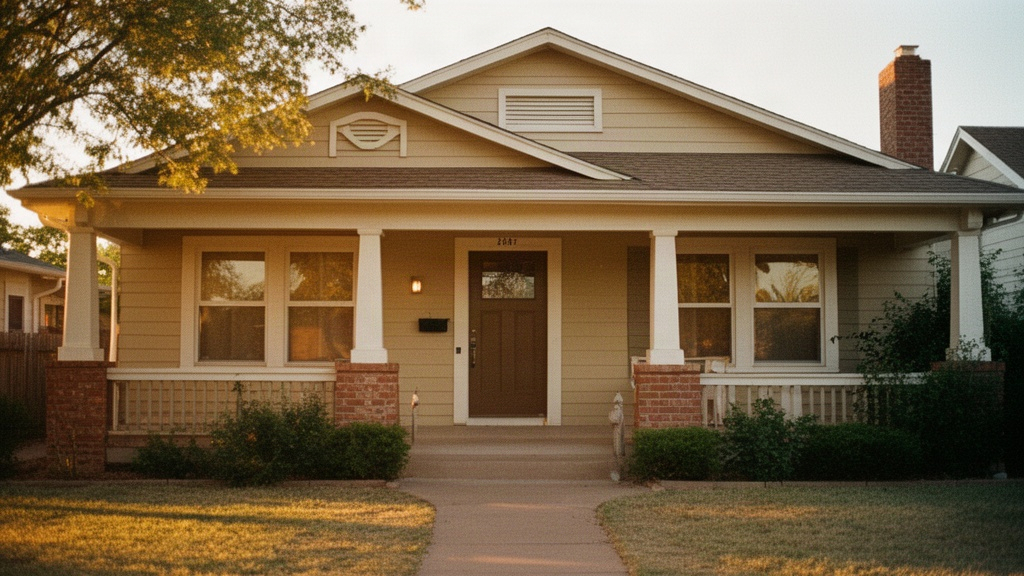
Detached single-family homes in Chicago range from roughly $200,000 on the far South and West Sides to well over $2 million in Lincoln Park, Lakeview, and the Gold Coast. The classic Chicago bungalow, a one-and-a-half-story brick home built predominantly between 1910 and 1940, makes up a significant share of the city's single-family stock. These homes typically offer 1,000 to 1,500 square feet, a full basement, and a small rear yard. In neighborhoods like Beverly, Bridgeport, and Norwood Park, bungalows sell in the $250,000 to $450,000 range depending on condition and lot size.
Larger Victorian-era frame homes and brick Greystone single-families appear frequently in neighborhoods like Pilsen, Ukrainian Village, and Bucktown. These properties often feature high ceilings, original woodwork, and deep lots. Prices in those corridors currently run from about $450,000 to $900,000 for fully renovated examples, with unrenovated properties offering more entry-level opportunities for buyers willing to take on updates.
Condos and Townhomes
Condos represent a large share of homes for sale in Chicago, particularly in the Loop, Streeterville, River North, and the South Loop. Entry-level studio and one-bedroom units in mid-rise buildings start around $150,000 to $220,000. Two-bedroom condos in the same neighborhoods typically run $280,000 to $550,000. Luxury high-rise units with lake views and full amenity packages can reach $1 million and above.
HOA fees are a critical part of the condo budget calculation. In older buildings along Lake Shore Drive, monthly assessments can run $800 to $1,500 or more and may include utilities. Newer mid-rise buildings in neighborhoods like the West Loop and Fulton Market tend to have lower assessments in the $300 to $600 range. Always review the building's reserve fund study and meeting minutes before making an offer, because underfunded reserves are one of the most common sources of surprise special assessments.
Two-Flats and Multi-Unit Buildings
The two-flat and three-flat is a Chicago institution. These owner-occupied multi-unit buildings allow buyers to live in one unit and rent the others, which can offset mortgage costs substantially. Two-flats in neighborhoods like Logan Square, Avondale, and Irving Park currently list from about $550,000 to $900,000 depending on lot size, unit condition, and rental income. Three-flats in similar locations run $700,000 to $1.2 million. Buyers purchasing a two-flat or three-flat as a primary residence can often qualify for conventional financing with as little as 5 percent down.
3. Chicago Neighborhoods: What Each Area Offers Buyers
Chicago is a city of distinct neighborhoods, each with its own architectural character, transit access, price range, and amenity mix. No two are interchangeable. The overview below focuses on factual features so you can identify which areas to research further based on your priorities. For school information, the Chicago Public Schools district website and the Illinois State Board of Education publish detailed data you can review directly.
The North Side
Lincoln Park, Lakeview, and Roscoe Village sit along the northern lakefront and offer dense transit access via the Red and Brown CTA lines. Lincoln Park itself borders a 1,200-acre park system that includes the free Lincoln Park Zoo, the Chicago History Museum, and direct lakefront trail access. Single-family homes here range from about $900,000 to over $3 million. Lakeview offers a wider range, with condos starting around $200,000 and larger single-families reaching $1.5 million or more.
Logan Square and Avondale, further northwest, offer the Blue Line for downtown commutes of roughly 25 to 35 minutes to the Loop. The housing stock here is a mix of two-flats, greystones, and renovated single-families. Prices in Logan Square currently run from about $400,000 for condos to $1.1 million for larger detached homes. Avondale sits adjacent and offers similar architecture at somewhat lower price points, with many homes in the $350,000 to $700,000 range.
The West Side
The West Loop and Fulton Market have seen significant new construction and commercial development over the past decade. The area now anchors Chicago's restaurant and tech corridor, with Google's Midwest headquarters located on North Morgan Street. New construction condos and townhomes here list from about $450,000 to well over $1 million. The Green and Pink CTA lines serve the area, and the Loop is roughly a 10-minute train ride or a 20-minute walk.
Oak Park, while technically a separate municipality just west of the city limits, is frequently searched alongside Chicago listings. It sits about 10 miles from the Loop and is served by the Metra Union Pacific West line with a commute of roughly 25 minutes. The village is known for its Frank Lloyd Wright historic district, with 25 Wright-designed structures concentrated within walking distance of the Prairie Avenue Historic District. Homes here range from about $300,000 for smaller bungalows to over $1 million for larger Prairie-style properties.
The South Side and Near South
Hyde Park is one of Chicago's most architecturally rich neighborhoods, home to the University of Chicago campus, the Museum of Science and Industry, and Promontory Point on the lakefront. Single-family homes here range from about $350,000 to $1.2 million, with a large inventory of courtyard apartment buildings and vintage condos rounding out the attached market. The Metra Electric line connects Hyde Park to Millennium Station in the Loop in about 20 minutes.
Beverly and Morgan Park on the far South Side offer some of the largest lot sizes within city limits. Tudor Revival, Prairie-style, and Craftsman homes on 50-foot-wide lots are common here, and prices remain among the most accessible for detached single-family homes in the city, typically running from about $200,000 to $500,000. The Metra Rock Island line serves the area with a commute to the Loop of roughly 30 to 40 minutes.
The Loop and Near North
The Loop itself is predominantly a condo and high-rise rental market, with Millennium Park, the Chicago Riverwalk, and the Art Institute of Chicago all within walking distance. Condo prices in the Loop start around $175,000 for studios and climb past $600,000 for larger two-bedroom units in newer buildings. Streeterville and the Gold Coast, immediately north along the lakefront, carry some of the city's highest price points, with luxury condos regularly listing above $1 million and penthouses reaching $5 million or more.
4. What Buyers Need to Know Before Making an Offer
Buying a home in Chicago involves several steps and costs that differ from other markets. Understanding them before you start touring homes puts you in a much stronger position when it comes time to write an offer.
Getting Pre-Approved in Chicago
A pre-approval letter is non-negotiable in Chicago's current market. Listing agents in competitive areas will not schedule showings without one, and sellers will not entertain offers that do not include documentation of financing. Illinois Housing Development Authority (IHDA) programs offer down payment assistance for first-time buyers, with grants and forgivable loans available for qualified applicants purchasing in Cook County. The IHDA Access Forgivable program, for example, provides 4 percent of the purchase price toward down payment and closing costs.
Understanding Property Taxes
Cook County property taxes are one of the most important numbers to verify before closing. Chicago sits in Cook County, which has one of the higher effective property tax rates among major Illinois counties. Effective rates in Chicago typically run between 1.8 and 2.5 percent of assessed value, though the exact figure depends on the property's classification, any exemptions in place, and the specific township. A $400,000 home in Chicago can carry annual property taxes of $7,000 to $10,000 or more. Always ask for the most recent tax bill and verify whether the current owner's exemptions, such as the Homeowner Exemption or Senior Freeze, are factored into that figure, because those exemptions do not automatically transfer to a new buyer.
Inspections and What to Watch For
Chicago's older housing stock means inspections are especially important. Knob-and-tube wiring, galvanized plumbing, and aging flat roofs are common in homes built before 1950. For two-flats and three-flats, a thorough inspection of all units, the boiler, and the common areas is essential. Chicago also requires a sewer scope inspection for many transactions because tree root intrusion into older clay tile sewer lines is a widespread issue, particularly in North Side neighborhoods with mature tree canopies. Budget $400 to $600 for a general inspection and an additional $150 to $250 for a sewer scope.
5. What Sellers Should Know About the Chicago Market in 2026
Sellers in Chicago are in a generally favorable position in September 2026, but the market rewards preparation. Overpriced listings are sitting longer and eventually reducing, while accurately priced, well-presented homes are still moving in under 30 days in many neighborhoods. Understanding what drives buyer decisions right now is key to a smooth sale.
Pricing Strategy
Chicago home prices have been climbing, but not uniformly. According to HousingWire's coverage of the Chicago housing market, supply constraints have kept upward pressure on prices in the city even as national volume has softened. That means sellers who price based on recent comparable sales, rather than aspirational numbers, are the ones seeing competitive offers. An experienced local agent can pull hyper-local comp data at the neighborhood level, not just the zip code level, which makes a meaningful difference in a city as varied as Chicago.
Timing Your Listing
Chicago's market tends to peak in spring, with the highest buyer activity running from late March through June. September is actually a strong secondary window. Buyers who did not find a home in the spring are still active, inventory is lower than it was in summer, and the urgency to close before the school year is underway motivates faster decisions. Sellers who list in September and October often face less competition from other listings than they would have in May.
Preparing Your Home
In Chicago's brick-heavy housing stock, curb appeal often comes down to tuck-pointing, clean masonry, and a well-maintained front stoop. Interior updates that consistently move the needle include refinished hardwood floors, updated kitchens with quartz or stone counters, and modernized bathrooms. Staging matters more than many sellers expect: professionally staged homes in Chicago typically sell faster and closer to list price than unstaged equivalents. Your agent should be able to connect you with a local stager who understands what buyers in your specific neighborhood are looking for.
FAQ
What is the average home price in Chicago right now?
As of September 2026, the city-wide median home price in Chicago is approximately $340,000, though this varies widely by neighborhood and property type. Condos in the Loop can start below $200,000, while detached single-family homes in Lincoln Park or Lakeview regularly exceed $1 million. The most affordable detached homes are found on the far South and West Sides, where prices can start around $150,000 to $200,000 for properties needing renovation. Working with a local agent who tracks neighborhood-level data, rather than city-wide averages, gives you a much more accurate picture of what your budget can achieve in a specific area.
How competitive is the Chicago housing market for buyers in 2026?
Competition varies considerably depending on the neighborhood and price point. In high-demand areas like Wicker Park, Lincoln Square, and parts of Hyde Park, well-priced homes are still receiving multiple offers within the first week of listing. In other parts of the city, buyers have more time and negotiating room. City-wide, homes are averaging roughly 30 to 45 days on market, which is longer than the peak years of 2021 and 2022 but still relatively brisk by historical standards. Buyers who are pre-approved, flexible on closing timelines, and working with an agent who can move quickly are at a significant advantage in competitive situations.
Are there first-time buyer programs available for homes for sale in Chicago?
Yes, several programs apply to buyers purchasing homes in Chicago. The Illinois Housing Development Authority offers the IHDA Access Forgivable program, which provides 4 percent of the purchase price (up to $6,000) toward down payment and closing costs as a forgivable loan. The City of Chicago also administers the Chicago Home Buyer Assistance Program, which offers up to $20,000 in down payment assistance for income-qualified buyers purchasing in certain areas. Additionally, FHA loans allow down payments as low as 3.5 percent, and some lenders offer conventional loans with as little as 3 percent down for first-time buyers. An experienced local agent can connect you with lenders who specialize in these programs and know how to structure offers that compete effectively even when you are using assistance funds.