← Back to Blog
Buying
Buying a Home in Bethany Beach, DE: Process, Costs and Timeline — What to Know Before You Close
By Ann Raskauskas
Bethany Area Realty, LLC
September 15, 2026 · 11 min read
Buying a home in Bethany Beach, DE involves a process, set of costs, and a timeline that look different from purchasing inland in Delaware, and knowing what to expect before you start can save you thousands of dollars and weeks of frustration. This guide covers every stage from mortgage pre-approval through closing day, with real numbers drawn from the Bethany Beach market as it stands in September 2026. Whether you are relocating from out of state, converting a rental into a primary residence, or purchasing a second home near the boardwalk, this is the detail you need.
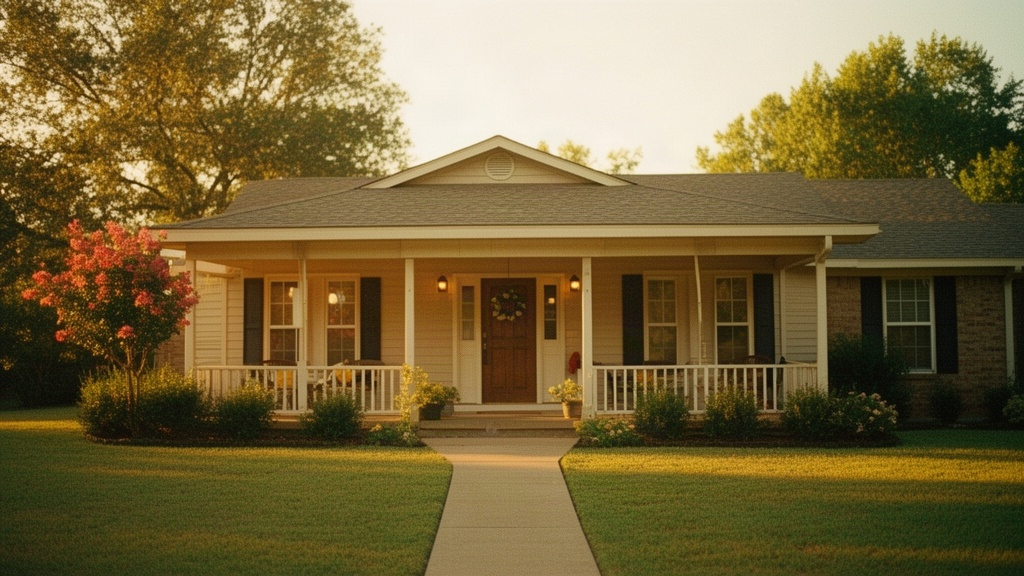
1. What the Bethany Beach Market Looks Like Right Now
The Bethany Beach market is active and inventory-constrained in September 2026. Buyers who come prepared move faster and negotiate better than those who start shopping before they have their financing in order. Understanding the local landscape first is the most practical thing you can do.
Median Prices and Inventory
As of September 2026, median home prices in Bethany Beach proper are running in the range of $700,000 to $900,000, with oceanfront and ocean-block properties regularly exceeding $1.5 million and sometimes reaching $3 million or more depending on lot size and direct beach access. Properties within a few blocks of the Atlantic Avenue boardwalk command a significant premium over those situated west of Route 1. The town of Bethany Beach itself is geographically small, covering roughly one square mile, so even a few blocks of distance from the water can mean a $200,000 to $400,000 difference in list price.
Inventory has remained tight through the summer season and into early fall. Sellers who priced accurately in July and August saw multiple offers within the first two weeks. Homes that sat longer were typically overpriced relative to comparable sales or had condition issues that surfaced during inspection. The surrounding communities of South Bethany, Fenwick Island, and Ocean View offer additional inventory at varying price points, which is worth exploring if your budget or timeline is firm. You can read more about how those communities compare in the neighborhoods guide for Bethany Beach and surrounding areas.
Property Types You Will Encounter
Bethany Beach housing stock is dominated by single-family beach cottages, raised-construction homes built on pilings, and newer coastal contemporary builds that have replaced older cottages over the past two decades. Townhomes and condominiums exist but are far less common here than in Rehoboth Beach to the north. Many properties are held as vacation rentals, which means buyers purchasing a home that has been rented should review existing rental agreements carefully before closing. Delaware law has specific rules about honoring active rental bookings after a property sale, and your agent and attorney will walk you through those obligations.
New construction is also an option in the broader Bethany Beach area, particularly in communities west of Route 1 in communities like Millville and Ocean View. If you want a full picture of what is being built right now, the new construction guide for Bethany Beach in 2026 covers active developments, builder incentives, and what to watch for in new-build contracts.
2. The Step-by-Step Buying Process in Bethany Beach
Buying a home in Bethany Beach, DE follows Delaware's standard purchase process, but with coastal-specific wrinkles around flood zones, rental income, and seasonal timing that can catch out-of-state buyers off guard. Here is how the process unfolds from first step through closing.
Pre-Approval and Lender Selection
Pre-approval is the first concrete step, and in a market like Bethany Beach it is non-negotiable before you tour homes. Sellers here are accustomed to serious buyers and will rarely accept an offer that is not accompanied by a lender pre-approval letter or proof of funds for cash purchases. If you are financing a second home or investment property, note that lenders apply different underwriting standards: second-home loans typically require a minimum 10 percent down payment and a slightly higher interest rate than primary residence loans, while investment property loans often require 20 to 25 percent down.
Flood insurance requirements also affect which lenders will finance certain properties. Many Bethany Beach homes sit within FEMA Special Flood Hazard Areas, which means federally backed loans require flood insurance as a condition of the mortgage. Getting a flood insurance quote before you make an offer is a smart move, because the annual premium can run anywhere from $1,200 to $6,000 or more depending on the property's base flood elevation and the coverage amount required by your lender.
Working With a Local Agent
A buyer's agent who knows the Bethany Beach market is not a luxury; it is a practical necessity. The town's inventory is small enough that the best properties sometimes change hands before they hit the public MLS, through agent networks and off-market conversations. A local agent also knows which streets flood during nor'easters, which HOA communities carry high fees, and which properties have rental income histories that will hold up under lender scrutiny. Ann Raskauskas of Bethany Area Realty, LLC has worked this market for years and brings that granular, block-by-block knowledge to every buyer she works with.
Making an Offer and Negotiating
Delaware uses a standard purchase agreement form, and most Bethany Beach transactions include an earnest money deposit of one to three percent of the purchase price. On a $750,000 property, that means $7,500 to $22,500 deposited into escrow within a few days of offer acceptance. The earnest money is credited toward your closing costs at settlement, so it is not an additional expense, but it is at risk if you back out of the contract without a valid contingency.
Common contingencies in a Bethany Beach offer include financing, home inspection, and appraisal. In competitive multiple-offer situations, some buyers waive the appraisal contingency if they are confident in the value and have cash reserves to cover a gap between appraised value and purchase price. Your agent will help you decide which contingencies to keep and which to modify based on the specific property and the level of competition you are facing.
Inspections and Due Diligence
Inspections at the beach require more than the standard general home inspection. Coastal properties are exposed to salt air, wind-driven moisture, and periodic flooding, all of which accelerate wear on roofing, siding, HVAC systems, and structural components. Budget for a general inspection ($400 to $600), a separate wind mitigation inspection if you want documentation for insurance discounts, a sewer scope if the property is on public sewer, and a well and septic inspection if it is not. For older cottages, a structural engineer's review of the pilings or foundation is money well spent.
Delaware gives buyers a ten-day inspection period by default in the standard contract, though this can be negotiated. After inspections, you can request repairs, ask for a price reduction, or accept the property as-is. Sellers in a strong market are less inclined to make extensive repairs, so buyers should focus inspection negotiations on material defects rather than cosmetic items.
From Contract to Closing
After inspections are resolved, the lender orders an appraisal and the title company begins the title search. Delaware is an attorney state for real estate closings, which means a licensed Delaware attorney must conduct the settlement. Your agent will refer you to local settlement attorneys who are familiar with Sussex County transactions. The closing itself typically takes one to two hours and can be done in person or, in many cases, with a remote online notarization if you are purchasing from out of state.
For a broader overview of how Delaware's purchase process works step by step, this guide to buying a house in Delaware provides a solid statewide framework that complements the Bethany-specific details covered here.
3. The Full Cost Breakdown: What Buying Actually Costs Here
The sticker price is only part of what you will spend when buying a home in Bethany Beach, DE. Between closing costs, insurance, and the ongoing costs of owning a coastal property, buyers who plan only around the purchase price often find themselves stretched in year one.
Purchase Price and Down Payment
For a primary residence purchase, conventional loans allow down payments as low as three to five percent for qualified buyers, though a 20 percent down payment eliminates private mortgage insurance (PMI) and reduces your monthly payment substantially. On a $800,000 purchase, a 20 percent down payment is $160,000. A five percent down payment is $40,000, but you would add PMI of roughly $150 to $300 per month until you reach 20 percent equity. For second homes, plan on a minimum of 10 percent down, and for investment properties, 20 to 25 percent is the standard lender requirement.
Closing Costs in Delaware
Delaware's closing costs are moderate compared to neighboring states, but they are not trivial. Buyers should plan on two to four percent of the purchase price in closing costs, which on an $800,000 home means $16,000 to $32,000. The main components include the Delaware realty transfer tax, lender fees, title insurance, attorney fees, and prepaid items like homeowner's insurance and property tax escrow.
Delaware's realty transfer tax is three percent of the purchase price, split evenly between buyer and seller at 1.5 percent each by convention, though this is negotiable. On an $800,000 purchase, the buyer's share of the transfer tax is $12,000. Title insurance for the buyer's lender policy runs roughly $1,500 to $2,500 depending on the purchase price. Attorney fees for a standard residential closing in Sussex County typically range from $500 to $1,200. Lender origination fees vary by lender and loan type but commonly run 0.5 to one percent of the loan amount.
Delaware does not have a state income tax on Social Security benefits and has no sales tax, which benefits buyers who plan to make Bethany Beach a primary or retirement residence. Property taxes in Sussex County are among the lowest in the mid-Atlantic region. A home assessed at $800,000 might carry an annual property tax bill of $1,500 to $2,500 depending on the specific municipality and any applicable exemptions, which is a meaningful advantage compared to similar coastal properties in New Jersey or Maryland.
Ongoing Ownership Costs Specific to Bethany Beach
Coastal ownership carries costs that inland buyers often underestimate. Homeowner's insurance for a beach property is significantly higher than for an equivalent inland home. A standard HO-3 policy on an $800,000 Bethany Beach home can run $3,000 to $6,000 annually, and that figure does not include flood insurance. If the property is in a FEMA flood zone, flood insurance through the National Flood Insurance Program (NFIP) or a private carrier adds another $1,200 to $6,000 per year depending on the property's elevation certificate and coverage level.
HOA fees apply to many Bethany Beach communities and can range from $300 per year in a simple road-maintenance association to $4,000 or more annually in a community with amenities like a pool, tennis courts, or private beach access. Maintenance costs for coastal properties are higher than inland equivalents: salt air accelerates corrosion on HVAC equipment, exterior hardware, and roofing, so budget for more frequent replacements. An annual exterior wash, regular HVAC servicing, and periodic deck refinishing are standard upkeep costs for a Bethany Beach home. For a deeper look at the ownership costs that first-time Delaware buyers frequently overlook, this resource on hidden costs of owning a home in Delaware is worth reading before you finalize your budget.
4. Realistic Timeline for Buying a Home in Bethany Beach
From the day you start the pre-approval process to the day you receive keys, buying a home in Bethany Beach, DE typically takes 60 to 120 days for a financed purchase, and 30 to 60 days for a cash purchase. The range depends on how quickly you find the right property, how competitive the offer situation is, and how smoothly the lender and title processes move.
Pre-Approval Through Offer Accepted
Pre-approval takes three to seven business days with a responsive lender if you have your documents ready: two years of tax returns, recent pay stubs or proof of income, bank statements, and documentation for any other assets you are using toward the down payment. Once pre-approved, how long it takes to find the right home varies widely. Some buyers find their property within two weeks of starting their search; others take three to six months, particularly if they have specific requirements around location, size, or price. In September 2026, inventory in Bethany Beach is transitioning from the peak summer season, which sometimes brings motivated sellers who did not transact during the busy summer window.
Once you find the right property and make an offer, negotiation and offer acceptance typically takes one to five days. In a multiple-offer situation, sellers may set a deadline for best-and-final offers, compressing that window. In a slower negotiation, back-and-forth on price and terms can stretch over a week or more.
Contract Period and Closing Day
After offer acceptance, the contract period in a financed transaction runs 30 to 45 days in most Bethany Beach deals, though 45 to 60 days is common when buyers need more time for inspections, a complex appraisal, or lender underwriting. The inspection contingency period is typically the first ten days. The appraisal is ordered by the lender shortly after inspections are resolved and usually takes one to two weeks to complete. Lender underwriting and final loan approval runs another one to two weeks. Title search and settlement preparation happen in parallel with underwriting, so these timelines overlap rather than stack.
Cash purchases can close in as few as two weeks if the buyer is motivated and the title search is clean. Cash offers are common in the Bethany Beach market, particularly for oceanfront and high-value properties, and sellers often favor them because they eliminate the appraisal and financing contingency risk. If you are a financed buyer competing against cash offers, your agent can help you structure your offer to be as competitive as possible without overextending your contingency waivers.
For sellers who are also buying in this market, the coordination of a simultaneous sale and purchase adds complexity to the timeline. You can read more about what the selling side of a Bethany Beach transaction looks like, including typical days on market and pricing strategy, in the article on how long it takes to sell a home in Bethany Beach this time of year.
FAQ
Do I need a Delaware attorney to close on a home in Bethany Beach?
Yes. Delaware is an attorney state, which means a licensed Delaware attorney must conduct the real estate settlement. This is different from states where a title company or escrow officer handles closing without an attorney present. In Sussex County, settlement attorneys are familiar with coastal property transactions, including the nuances of flood zone properties, rental agreement transfers, and HOA documentation. Your buyer's agent will typically refer you to attorneys they have worked with successfully, and attorney fees for a standard residential closing in the Bethany Beach area generally run $500 to $1,200. If you are purchasing remotely, many Delaware settlement attorneys now offer remote online notarization, so you do not have to be physically present at the closing table.
How much should I budget for flood insurance when buying in Bethany Beach?
Flood insurance costs in Bethany Beach vary significantly based on the property's FEMA flood zone designation, its base flood elevation (BFE), and the coverage amount your lender requires. Properties in AE or VE flood zones, which include many ocean-block and oceanfront homes, carry higher premiums than those in lower-risk X zones further from the water. Through the National Flood Insurance Program (NFIP), annual premiums for a Bethany Beach home can range from roughly $1,200 for a well-elevated property in a moderate-risk zone to $6,000 or more for a lower-elevation home in a high-risk zone. Private flood insurance carriers sometimes offer lower premiums for well-elevated properties, so it is worth getting quotes from both the NFIP and private carriers before you finalize your budget. An elevation certificate, which your agent or the seller may already have on file, is the key document that drives the premium calculation.
Is fall a good time to buy a home in Bethany Beach, DE?
September and October in Bethany Beach bring a meaningful shift in the market. Summer buyers who did not find their property during the peak season have often moved on, which means less competition for the homes still on the market. Sellers who listed in June or July and did not sell are sometimes more motivated to negotiate on price or terms by September. Inventory does not expand dramatically in the fall, but the buyer pool thins out, which can work in your favor. One consideration: some sellers in a vacation market pull their listings in the fall and relist the following spring, so if you see a property you like in September, waiting to see if the price drops further carries the risk that the home comes off the market entirely. Working with a local agent who tracks these seasonal patterns closely is the best way to time your purchase strategically.