
← Back to Blog
Buying
Is Fall 2026 a Good Time to Buy a House in Layton Utah, or Should I Wait Until Spring?
By Annette Judd
Real Broker LLC · DRE# 8932026-AB00
September 25, 2026 · 10 min read
If you are asking whether fall 2026 is a good time to buy a house in Layton Utah or whether you should wait until spring, the honest answer depends on factors specific to this market right now, not on general advice you read online. This article breaks down what Layton's housing inventory, pricing, and interest rate environment actually look like in September 2026, what typically changes when spring arrives, and how to decide which season gives you the better outcome for your specific situation.
1. What the Layton Utah Housing Market Looks Like Right Now
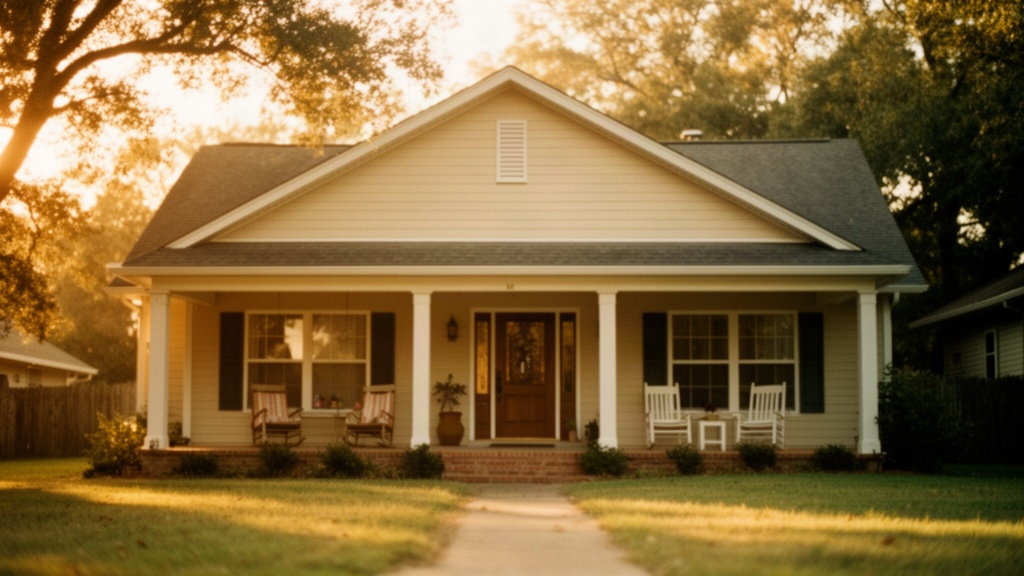
The Layton market in September 2026 is meaningfully different from the frenzied pace of 2021 and 2022, but it is not a buyer's free-for-all either. Median home prices in Layton are currently sitting in the low-to-mid $500,000s for single-family homes, with entry-level townhomes and condos along the Layton Hills corridor starting closer to $350,000 and larger homes on the east bench pushing past $700,000.
Days on market have stretched compared to two years ago. Homes in Layton that are priced accurately are still moving in roughly three to four weeks, but overpriced listings are sitting, and sellers are increasingly willing to negotiate on price, closing costs, and rate buydowns. That is a meaningful shift from conditions buyers faced in 2022 and early 2023.
Inventory and Price Trends in September 2026
Active listings in Layton are running higher than they were in September 2025, which gives buyers more to choose from without the panic of losing every offer. The mix of housing stock reflects Layton's range: you will find 1970s and 1980s ranch-style homes in the neighborhoods west of Interstate 15, newer two-story construction in the Hill Field Road and Gentile Street corridors, and larger lots with mountain views on the east side near the Wasatch foothills. Price per square foot varies considerably across these pockets, so knowing which area aligns with your budget matters.
For a deeper look at how pricing and property taxes play out on a specific purchase price, see How Much Are Property Taxes on a $500,000 Home in Layton, Utah? for a detailed breakdown of what you will owe annually once you close.
How Layton Compares to the Broader Davis County Market
Layton sits at the center of Davis County and benefits from its position between Salt Lake City to the south and Ogden to the north. The FrontRunner commuter rail station at Layton Station makes it a practical base for people working anywhere along the Wasatch Front without needing to drive. That connectivity keeps demand relatively stable year-round, which is one reason Layton does not see the same dramatic seasonal swings that more rural Utah markets experience.
Davis County as a whole has seen modest price softening in 2026 compared to the peak years, but Layton's inventory has not flooded the market the way some analysts predicted. The result is a market that leans slightly toward buyers right now, without the deep discounts you might find in slower markets elsewhere in the state.
2. Why Fall Can Work in a Buyer's Favor in Layton
Fall tends to reduce buyer competition in Layton, which translates directly into more negotiating room and less pressure to waive contingencies. Families who wanted to move before the school year started have already closed or stepped back from the market. What remains is a pool of serious buyers, not casual lookers, competing for homes that have often been sitting long enough that sellers are open to conversation.
Less Competition From Other Buyers
Fewer competing offers means you can take time to inspect properly, negotiate repairs, and ask for seller concessions toward closing costs or a mortgage rate buydown. In spring, those same requests often get rejected outright because the seller has three other offers on the table. Right now in Layton, buyers who come in prepared and pre-approved are in a position to ask for things that simply were not available 18 months ago.
Understanding what those concessions actually cost the seller and how they affect your net purchase price is worth reviewing before you write an offer. The article on typical closing costs for a home buyer in Layton, Utah walks through exactly what you should budget for on top of your down payment.
Seller Motivation Tends to Increase
Sellers who list in October and November in Layton are generally not testing the market. They are moving because of a job change, a life transition, or because they have already purchased their next home and are carrying two mortgages. That urgency creates genuine flexibility on price and terms. A seller who listed in April hoping for top dollar and is still on the market in October has usually recalibrated their expectations considerably.
National Data Points to Late September as a Strong Window
The timing data on this is not just anecdotal. According to a report published by RISMedia in September 2026, the end of September is statistically one of the best times of year to buy a home nationally, with buyers finding more price reductions, less competition, and better negotiating conditions than at any other point in the calendar. That national pattern plays out in Layton as well, where the late-September and October window consistently offers conditions that favor buyers.
A separate analysis from Realtor.com, covered by Inman in September 2026, found that homebuyers could save thousands of dollars by timing their search to the best week of the year to buy, with late September identified as that optimal window due to reduced competition and motivated sellers. For a buyer who is ready to move, this is not a window to ignore.
3. What Spring Typically Brings to the Layton Market
Spring in Layton brings more listings, but it also brings more buyers, and the two do not always cancel each other out. The net effect in most spring markets is upward pressure on prices and a return to faster-moving, more competitive offer situations. Whether that is good or bad for you depends entirely on your position.
More Listings, But More Competition
In a typical Layton spring, new listings start appearing in volume around mid-February and peak in April and May. Buyer activity spikes at the same time. Families want to close before summer so kids can start the new school year settled in. Relocating employees from Hill Air Force Base, which sits just south of Layton in Roy, often arrive in the spring transfer cycle. The combination of military relocations, local move-up buyers, and out-of-state arrivals creates the most competitive conditions of the year.
Price Pressure Picks Up in March and April
Historically, Layton home prices in March and April run higher than they do in October and November for comparable properties. The premium varies by neighborhood and year, but buyers who wait until spring often pay more per square foot for the same type of home they could have purchased in the fall. That price difference, compounded by potentially higher mortgage rates if the rate environment shifts, can add meaningfully to your total cost of ownership.
The Commuter Demand Factor
Layton's proximity to both Salt Lake City and Ogden, combined with FrontRunner rail access, drives demand from commuters who want to avoid downtown Salt Lake City housing costs. That buyer pool does not disappear in the fall, but it is most active in spring when lease renewals come up and people reassess their housing costs. If you are competing against that wave, your offer needs to be sharper and your contingencies tighter. Buying now sidesteps much of that pressure.
4. The Real Costs of Waiting: A Layton-Specific Look
Waiting until spring is not free. Every month you rent instead of own in Layton is a month you are paying someone else's mortgage and not building equity in a market where prices have historically trended upward over multi-year periods. The decision to wait needs to account for those real costs, not just the hope of finding a better deal in April.
What Six Months of Renting Costs You
Rental rates for a three-bedroom home in Layton currently run between $1,800 and $2,400 per month depending on location and condition. If you wait from October 2026 through April 2027, you are spending roughly $10,800 to $14,400 in rent with no equity return. That is money that, if applied to a mortgage payment, would have started building ownership stake from day one. The break-even math on waiting is rarely as favorable as it looks when you factor in what you spend in the meantime.
How Price Appreciation Affects Your Entry Point
Even modest appreciation between now and spring can shift your purchase price noticeably. On a $525,000 home, a three percent price increase by April 2027 adds $15,750 to your purchase price. That means a larger loan balance, a higher monthly payment, and more interest paid over the life of the loan. If you also lose the seller concessions available right now and face a more competitive offer environment, the spring scenario can cost you substantially more than the fall scenario even if rates stay flat.
Interest Rate Uncertainty Between Now and Spring
Nobody can tell you with certainty where mortgage rates will be in March or April 2027. Rates could drift lower if the Federal Reserve continues easing, or they could hold steady or move up if inflation data surprises. Buying now locks in today's rate environment. If rates drop meaningfully after you close, you can refinance. If they rise, you will be grateful you locked when you did. The asymmetry of that risk tends to favor acting when you are financially ready rather than waiting for a rate prediction to come true.
5. How to Decide: Fall 2026 vs Spring 2027 in Layton Utah
The right answer to whether fall 2026 is a good time to buy a house in Layton Utah or whether you should wait until spring is not the same for every buyer. It depends on your financial readiness, your flexibility on timing, and what you are trying to accomplish. Here is how to think through it clearly.
Questions to Ask Before You Decide
Start with your pre-approval status. If you are not pre-approved, neither fall nor spring matters yet because you are not actually ready to buy. Get pre-approved first, then make the timing decision from a position of strength.
Ask yourself whether you have a specific housing need that the current inventory satisfies. If you need a four-bedroom home with a three-car garage near the Layton Hills Mall area and there are three of those available right now, waiting six months does not guarantee a better selection. It might mean you are competing against five other buyers for the same type of property in April.
Consider your lease situation. If your lease ends in November or December, you may be facing a month-to-month premium or a forced move anyway. Aligning a home purchase with your lease end date makes financial sense and removes the double-housing-cost overlap that catches many buyers off guard.
If you are newer to the Layton market and want a thorough grounding in the process before you commit, the First-Time Buyer's Survival Guide to Layton, Utah covers the local steps, costs, and common mistakes in detail.
What a Strong Fall Offer Looks Like in Layton Right Now
A well-constructed offer in Layton this fall typically includes a solid pre-approval letter from a reputable lender, a realistic earnest money deposit, and a request for seller concessions framed around closing costs or a rate buydown rather than a raw price cut. Sellers are more receptive to concessions that keep the sale price intact for appraisal purposes while still putting money in the buyer's pocket. Knowing how to structure that request correctly is where an experienced local agent earns their value.
Inspection contingencies remain important and should not be waived in the current Layton market. Unlike the peak frenzy years, sellers are not in a position to demand clean offers with no inspection. Use that right. A proper inspection on a Layton home, especially older ranch-style construction from the 1970s and 1980s, can surface foundation, HVAC, or roofing issues that change the economics of the deal entirely.
For a full picture of what the buying process looks like from offer to keys in hand, see Buying a Home in Layton, Utah: Process, Costs and Timeline Explained, which walks through every stage in the sequence.
FAQ
Are home prices in Layton Utah expected to drop in 2026 or 2027?
Layton home prices in September 2026 are relatively stable, with modest softening compared to the 2022 peak but no significant decline. The combination of consistent demand from Hill Air Force Base personnel, FrontRunner commuter access, and limited new construction in established neighborhoods has kept prices from falling sharply. Most local market observers expect prices to hold or drift slightly upward through 2027 barring a significant economic shift. Buyers waiting for a dramatic price drop may find themselves waiting longer than they planned and paying more in rent in the meantime. If your goal is to buy at a lower price, negotiating seller concessions in the current fall market is a more reliable strategy than waiting for a market correction.
Does it matter which neighborhood in Layton I buy in when it comes to timing?
Timing matters differently across Layton's neighborhoods. The west side neighborhoods near Interstate 15 and Layton Hills Mall tend to move faster year-round due to price accessibility, so the fall window matters less there because demand stays relatively consistent. The east bench areas closer to the Wasatch foothills, where lots are larger and prices are higher, tend to have more pronounced seasonal slowdowns in fall and winter, which can give buyers more negotiating room on higher-priced properties. Mid-Layton areas near the Hill Field Road and Gentile Street corridors sit somewhere in between. Knowing which pocket you are targeting helps determine how much the seasonal timing actually affects your specific search. Annette Judd can walk you through current inventory and days-on-market data for each area so you can make an informed comparison.
Is it better to buy in Layton Utah in fall 2026 if I am relocating from out of state?
For out-of-state buyers relocating to Layton, fall 2026 offers some real advantages. You are less likely to be competing against multiple local buyers who can tour homes in person repeatedly, and sellers who have been on the market since spring are often willing to accommodate longer inspection periods and flexible closing timelines that help relocating buyers coordinate their move. The fall inventory in Layton still includes a meaningful range of property types, from townhomes near the FrontRunner station to larger single-family homes on the east side, so you are unlikely to find the selection too thin. Working with a local agent who can provide video walkthroughs, detailed neighborhood information, and real-time market data is especially important when you are making decisions from a distance. Annette Judd has helped relocating buyers navigate the Layton market and can provide the local context that makes a remote purchase feel far less uncertain.