← Back to Blog
Market Trends
Layton, Utah Real Estate Market Guide: Prices, Neighborhoods and Timing
By Annette Judd
Real Broker LLC · DRE# 8932026-AB00
September 2, 2026 · 11 min read
This Layton, Utah real estate market guide covers what buyers and sellers actually need to know in September 2026: current price ranges, what different parts of the city offer in terms of housing stock and commute access, and how to read the market so your timing works in your favor. Whether you are relocating from out of state, upsizing within Davis County, or preparing to list, the details here are specific to Layton and the surrounding area.
1. What the Layton Housing Market Looks Like Right Now
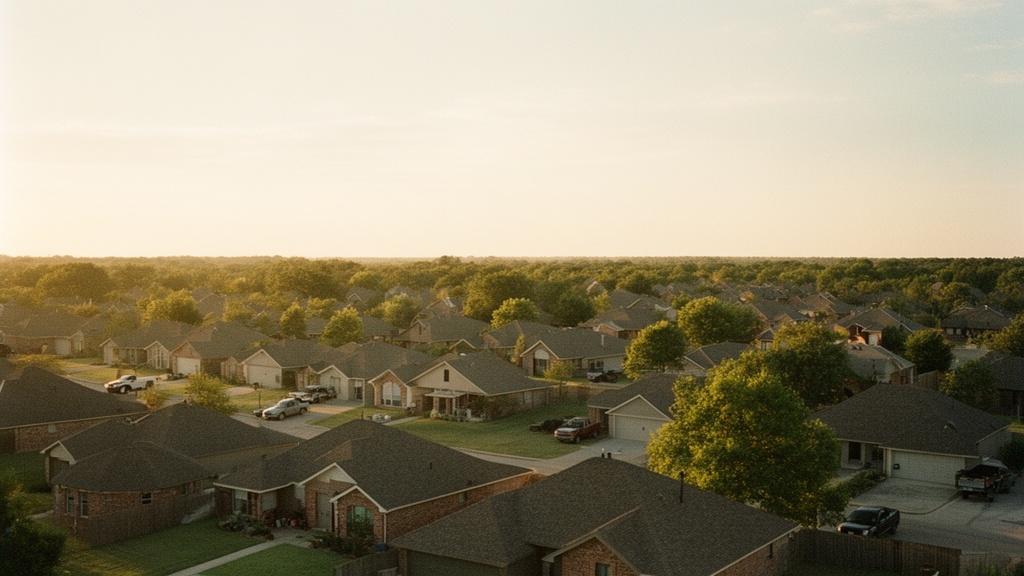
Layton's housing market in September 2026 sits in a moderate, balanced range compared to the peak frenzy of 2021 and 2022, but it has not softened into a buyer's windfall either. Demand from Hill Air Force Base personnel, commuters serving the Salt Lake metro, and relocating families keeps inventory from piling up the way it does in more rural Utah markets.
Median Prices and Price Per Square Foot
Median home prices in Layton currently land in the low-to-mid $400,000s for single-family homes, with price per square foot ranging from roughly $185 to $230 depending on lot size, age, and proximity to the Wasatch foothills. Townhomes and condos, which make up a meaningful share of newer construction along the I-15 corridor, typically list in the $290,000 to $370,000 range. Entry-level detached homes still exist in Layton, which is one reason the city draws first-time buyers who have been priced out of Salt Lake City and the southern Salt Lake suburbs.
For current price trend data, Redfin's Layton housing market page tracks median sale price, sale-to-list ratio, and months of supply on a rolling basis and is worth bookmarking if you are watching the market over several months.
Inventory and Days on Market
Inventory in Layton has loosened compared to 2022 but remains below the levels that would give buyers significant negotiating leverage across the board. Well-priced homes in the $380,000 to $450,000 range still move within two to three weeks. Homes above $550,000 are sitting longer, sometimes 45 to 60 days, as the pool of qualified buyers at that price point is narrower and more sensitive to mortgage rates.
How Layton Compares Within Davis County
Within Davis County, Layton generally prices below Farmington and Centerville to the south, which sit closer to the Salt Lake County line and carry a premium for that proximity. Layton prices are comparable to Kaysville immediately to the south and tend to run slightly above Syracuse and Clinton to the west, where newer but smaller-lot subdivisions dominate the inventory. That positioning makes Layton one of the more versatile markets in North Davis County: enough price depth to attract first-time buyers, enough established neighborhoods and lot sizes to hold move-up buyers as well.
For a broader look at how Layton buyers are approaching the North Davis County market, the North Davis County buyer's guide covers the surrounding cities and what distinguishes each one in terms of housing stock and price.
2. Layton Neighborhoods: Housing Stock, Lot Sizes and What Each Area Offers
Layton covers roughly 22 square miles and the housing stock shifts noticeably depending on which part of the city you are looking in. Understanding those differences before you start touring homes saves time and keeps your search focused on areas that match your priorities for lot size, commute, and price.
West Layton and the I-15 Corridor
West Layton, running along and west of I-15, holds a high concentration of newer construction built between 2000 and the present. Lots here tend to be smaller, typically 0.10 to 0.18 acres, and the homes themselves run larger in square footage, often 2,000 to 3,200 square feet, with two-car garages and open floor plans that reflect the last two decades of builder preferences. Townhome communities are concentrated in this corridor as well, particularly near the Layton Hills Mall area and along Antelope Drive, where retail density is high and walkability to daily errands is stronger than in other parts of the city.
East Layton Foothills
East Layton climbs toward the Wasatch Front and offers a noticeably different character. Lots are larger here, with many parcels running 0.25 to 0.50 acres, and the homes tend to be older, built between the 1970s and 1990s, with brick exteriors, mature trees, and established landscaping that newer subdivisions lack. Prices in the foothills can range from the mid-$400,000s for a well-maintained original home up to $700,000 or more for updated properties with mountain views and larger footprints. The trailhead access to the Bonneville Shoreline Trail and the proximity to Adams Canyon are tangible amenities that draw buyers who want outdoor access from their own neighborhood.
Central Layton Near Historic Downtown
The central core around Layton's historic Main Street area contains some of the city's oldest housing stock. Bungalows, ramblers, and mid-century ranches from the 1940s through the 1960s are common here, typically on lots ranging from 0.15 to 0.30 acres. These homes often appeal to buyers looking for character and established streetscapes rather than the uniform look of newer subdivisions. Prices in central Layton are often lower than the foothills on a per-square-foot basis, though condition varies widely and buyers should budget for updates on homes that have not been renovated.
North Layton Toward Kaysville
North Layton transitions into a mix of 1980s and 1990s subdivisions with quarter-acre lots, along with some newer infill development. This part of the city sits close to the Kaysville border and shares easy access to the Layton FrontRunner station, making it a practical choice for commuters who rely on rail. Prices here tend to track the city median closely, with less of the premium seen in the foothills and less of the discount sometimes found in older central Layton homes needing work.
For a more detailed breakdown of Layton's areas by amenity and housing type, the Layton neighborhoods and amenities guide covers each section of the city with additional specifics on parks, schools districts, and infrastructure.
3. Commute Times, Infrastructure and Why Location Within Layton Matters
Where you land within Layton has a real effect on your daily commute, and that in turn affects which neighborhoods hold their value and which ones require a trade-off. Buyers relocating from outside Utah often underestimate how much I-15 congestion varies by time of day and by direction of travel.
FrontRunner and Highway Access
The Layton FrontRunner commuter rail station, located near the intersection of I-15 and Antelope Drive, connects riders to Salt Lake City in roughly 40 to 45 minutes and to Ogden in about 20 minutes. Homes within a 10-minute drive of the station carry a quiet premium for buyers who prioritize the rail option, even if that premium is not always reflected in the listing price. For drivers, the I-15 on-ramps at Antelope Drive and Layton Parkway are the primary access points, and morning southbound traffic toward Salt Lake City can add 15 to 25 minutes to drive times during peak hours.
Distance to Salt Lake City and Ogden
Layton sits approximately 25 miles north of downtown Salt Lake City and about 15 miles south of downtown Ogden. That positioning makes it genuinely practical for commuters working in either city, which broadens the buyer pool and helps stabilize demand even when one employment center slows. Weber State University in Ogden, the University of Utah in Salt Lake, and the large healthcare systems in both cities all generate consistent commuter demand that flows through Layton.
Hill Air Force Base Proximity
Hill Air Force Base sits immediately west of Layton, and its presence shapes the local real estate market in a durable way. The base employs roughly 22,000 military and civilian personnel, many of whom live in Layton, Clinton, and Syracuse. That steady population creates consistent rental demand and repeat buyer activity as personnel rotate assignments, which helps keep vacancy rates low and supports home values even during broader market slowdowns. Buyers purchasing in west Layton should account for flight path noise from the base, which varies by location and wind direction.
4. Timing the Layton Market: When to Buy and When to Sell
Timing in real estate is rarely about finding a perfect moment; it is about understanding the rhythms of a specific market and positioning yourself to act when conditions align with your goals. Layton follows predictable seasonal patterns, but interest rate sensitivity has added a layer of complexity that did not exist to the same degree before 2022.
Seasonal Patterns in Layton
Layton's busiest listing period runs from late March through June, when inventory peaks and buyer competition is highest. Sellers who list in April and May typically see more showings and stronger offers than those who list in August or September, when school has started and buyer urgency drops. Conversely, buyers who shop in October through January often face less competition and find sellers more willing to negotiate on price or concessions, though the selection of available homes is smaller.
Rate Sensitivity and Buyer Demand
Mortgage rate movements have a sharper effect on Layton's market than many buyers expect, because a large share of active buyers here are stretching to the upper end of their qualification range. A half-point rate drop can bring a meaningful wave of newly qualified buyers into the $380,000 to $460,000 price band, which is exactly where Layton's inventory is most concentrated. Buyers who are pre-approved and ready to move quickly when rates dip even modestly tend to find better selection than those who wait to see if rates drop further.
What Sellers Should Watch
Sellers in Layton right now need to watch list price discipline closely. Homes priced within 2% to 3% of comparable sales are moving; homes priced 5% or more above comps are sitting and accumulating days on market, which weakens the seller's position when they eventually reduce. Buyers in September 2026 are doing their research and are aware of the difference between a well-priced home and an aspirational list price.
For a deeper look at the seller's timing decision specifically, the article on whether to sell now or wait in Layton walks through the factors that matter most depending on your situation.
5. What Buyers and Sellers Should Know Before Making a Move
Whether you are buying or selling in Layton, the steps you take before going active in the market determine most of your outcome. The market rewards preparation and penalizes hesitation, particularly in the mid-range price bands where multiple buyers are often watching the same properties.
Due Diligence Steps for Buyers
Buyers should get fully pre-approved, not just pre-qualified, before touring homes in Layton. A full pre-approval means the lender has reviewed income documents, tax returns, and credit, and the only remaining condition is the property appraisal. That distinction matters because sellers in Layton, particularly those with well-priced homes, are choosing between offers and a pre-qualified buyer carries more risk in their eyes than a fully underwritten one.
Beyond financing, buyers should research Davis County's property tax rates, which are applied to assessed value and can add $2,000 to $4,500 annually to housing costs depending on the home's value. HOA fees apply to many of the newer townhome and planned subdivision communities in west Layton and can range from $75 to $200 per month. Buyers relocating from out of state should also account for Utah's dry climate and its effect on wood framing, stucco exteriors, and landscaping costs, all of which differ from wetter regions.
For school district information, the Davis School District publishes enrollment data, school boundaries, and performance reports directly on its website. Reviewing that information directly from the district is the most reliable approach, as boundaries can shift and third-party rating sites sometimes use outdated data.
Pricing Strategy for Sellers
Sellers in Layton should anchor their list price to a comparative market analysis built on closed sales from the past 90 days within a half-mile radius, adjusted for square footage, lot size, condition, and upgrades. Active listings are not comps; they are competition. What matters is what buyers have actually paid, not what other sellers are hoping to get.
Presentation matters more in the current market than it did during the 2021 frenzy, when buyers were waiving inspections and buying sight-unseen. In September 2026, buyers are inspecting, comparing, and negotiating. Sellers who invest in professional photography, fresh paint, and minor repairs before listing consistently achieve better sale-to-list ratios than those who list as-is without preparation.
For a full walkthrough of what to expect when listing in Layton, including timeline and pricing mechanics, the guide to selling a home in Layton covers the process from preparation through closing.
Working With a Local Expert
The details in this guide reflect what the Layton market is doing right now, but every transaction has variables that a general guide cannot account for: the specific street, the condition of comparable homes, the seller's motivation, and the lender's timeline. Those variables are where local expertise pays off.
Annette Judd of Real Broker LLC works specifically in the Layton and North Davis County market and brings that ground-level knowledge to every buyer and seller she works with. Understanding which streets back to the HAFB flight path, which subdivisions have pending HOA assessments, and which neighborhoods are seeing the fastest absorption rates is the kind of information that only comes from consistent, active work in a specific market.
For additional context on what to look for when choosing an agent in this market, the article on how to verify a Layton agent's experience gives you a practical framework for evaluating any agent before you commit.
Long-term appreciation data for Layton is also worth reviewing before you buy. NeighborhoodScout's Layton real estate appreciation page tracks annualized appreciation going back several decades and provides useful context for buyers thinking about Layton as a long-term investment.
FAQ
What is the current median home price in Layton, Utah?
As of September 2026, the median price for a single-family home in Layton sits in the low-to-mid $400,000s, with price per square foot ranging from approximately $185 to $230 depending on location, lot size, and condition. Townhomes and condos typically list between $290,000 and $370,000. Prices vary meaningfully across the city, with east Layton foothills properties often commanding premiums over central and west Layton homes of comparable size. Checking a current market data source like Redfin or working with a local agent for a comparative market analysis will give you the most accurate number for a specific area.
Is Layton, Utah a good place to buy a home right now?
Layton's market in September 2026 is balanced enough that buyers have more time to evaluate homes than they did during the 2021 and 2022 peak, while still being competitive enough that well-priced homes in the $380,000 to $450,000 range move within two to three weeks. The city's proximity to Hill Air Force Base, two major highway corridors, and the FrontRunner commuter rail station supports consistent demand that tends to insulate the market from sharp downturns. Whether now is the right time for your specific situation depends on your financing readiness, timeline, and the price range you are targeting. Speaking with a local agent who tracks active absorption rates by neighborhood will give you the clearest picture.
Which part of Layton has the most affordable homes?
Central Layton near the historic downtown area and parts of west Layton along the I-15 corridor tend to offer the most accessible price points, particularly for buyers looking at older single-family homes or attached townhomes. Central Layton's bungalows and mid-century ramblers often list below the city median, though many require updating, so buyers should factor renovation costs into their budget. West Layton townhome communities offer newer construction at lower price points than detached homes, often in the $290,000 to $370,000 range. East Layton foothills properties with larger lots and mountain views carry the highest premiums in the city.