← Back to Blog
Market Trends
North Layton, Utah Real Estate Market Guide: Prices, Neighborhoods and Timing
By Annette Judd
Real Broker LLC · DRE# 8932026-AB00
October 10, 2026 · 11 min read
If you are focused specifically on the northern portion of Layton, this North Layton, Utah real estate market guide covers what you need to know about current prices, the distinct housing pockets in that corridor, and how timing plays into your decision right now in September 2026. North Layton sits between the Hill Air Force Base boundary and the Kaysville city line, giving it a character that differs noticeably from central or south Layton. Whether you are buying, selling, or relocating, the details here will help you move with confidence.
1. What Makes North Layton Its Own Real Estate Market
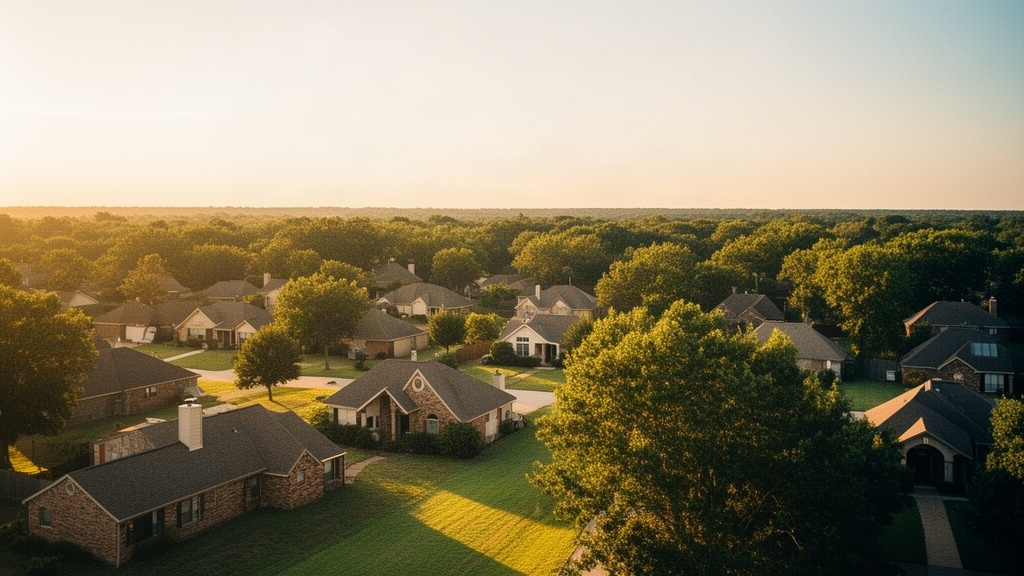
North Layton functions as its own distinct real estate pocket within Layton, Utah. It is bounded roughly by the Hill Air Force Base installation to the west, the Wasatch Front foothills to the east, Kaysville to the north, and the transition into central Layton around Antelope Drive to the south. That geography shapes everything from lot sizes to commute patterns to the types of homes available.
Geography and Boundaries
The northern edge of Layton along Highway 193 and Gentile Street connects directly to Kaysville, which means buyers in this zone often compare listings across both cities. For context on how this fits into the broader Davis County picture, the Homes for Sale in North Davis County buyer's guide on this site walks through how Layton, Kaysville, and Fruit Heights differ in price and housing type. North Layton specifically benefits from quick I-15 access via the Antelope Drive and Layton Parkway interchanges, putting downtown Salt Lake City roughly 30 to 35 minutes south under normal traffic conditions.
Ogden sits about 15 minutes north via I-15, and Hill Air Force Base is directly adjacent to the western edge of this corridor. That proximity to the base has historically kept demand in North Layton steady, because military personnel and civilian employees working at Hill frequently prioritize this part of the city for its short commute distances.
Housing Stock Overview
North Layton contains a wide mix of construction eras. You will find ranch-style homes built in the 1960s and 1970s on generous lots, often 0.20 to 0.35 acres, alongside subdivision developments from the 1990s and early 2000s that brought two-story colonials and split-levels with three to five bedrooms. Newer construction from the 2010s and 2020s appears in pockets near Valley View Drive and along the foothills, where developers have built townhomes and single-family homes on smaller lots to accommodate demand.
Finished basements are common across all eras here, adding livable square footage that does not always show up in the listed above-grade square footage. Buyers comparing price per square foot should ask specifically whether basement square footage is included in the listing figure, because that distinction can affect how two seemingly similar homes compare on paper.
2. Current Prices in North Layton
As of September 2026, single-family home prices in North Layton generally range from the low $400,000s for older ranch homes needing updates to the upper $600,000s for newer or fully renovated properties with mountain views. The middle of the market, updated three- and four-bedroom homes in established subdivisions, tends to cluster between $460,000 and $560,000 depending on lot size, finish level, and proximity to the foothills.
Median Home Prices as of September 2026
Across all of Layton, the median sale price for a single-family home has been running in the $470,000 to $510,000 range through mid-2026, consistent with the broader Utah market trend of modest appreciation after the sharp correction of 2023 and 2024. North Layton specifically tends to price slightly above the citywide median for updated inventory, because lot sizes are larger on average and the foothills-adjacent properties command a premium for their views and quiet streets.
Townhomes and attached units in North Layton, which appear in smaller numbers than detached homes, have been trading in the $320,000 to $400,000 range. These are particularly concentrated near the Layton Hills Mall corridor and along Highway 193, where infill development brought newer attached product in the 2015 to 2022 period.
Price Per Square Foot and What It Buys You
Price per square foot in North Layton currently runs roughly $185 to $230 for above-grade finished space in a typical single-family home. At $185 per square foot you are generally looking at a home built before 1985 with original or partially updated finishes. At $220 to $230 per square foot you are typically getting granite or quartz counters, updated bathrooms, newer HVAC, and possibly a finished basement that adds another 600 to 1,000 square feet of usable space below grade.
Lot premiums are real in this corridor. A 0.30-acre lot on a quiet cul-de-sac backing to open space can add $20,000 to $40,000 to the price compared to a similar home on a standard 0.18-acre interior lot. That premium is worth understanding before you write an offer, because it affects how you assess value and how you negotiate.
How North Layton Compares Within Davis County
North Layton prices sit below Kaysville and Fruit Heights for comparable square footage, largely because those cities carry smaller lot inventories and a perception of more rural character. Bountiful and North Salt Lake to the south carry higher price points due to their proximity to Salt Lake City. Within Layton itself, the northern corridor is priced competitively relative to south Layton, where newer master-planned communities have pushed median prices higher. For a broader look at how Utah's statewide market trends affect local pricing, the Utah Housing Market Trends and Forecast for 2026 provides useful context on inventory, absorption rates, and where Davis County fits in the state picture.
3. North Layton Neighborhoods: What Each Area Offers
North Layton is not a single uniform neighborhood. It contains several distinct pockets that differ in lot size, home age, street character, and proximity to amenities. Understanding those distinctions helps buyers target the right streets and helps sellers position their home accurately against nearby competition. For a broader look at how all of Layton's neighborhoods break down by housing type and amenities, the Layton, UT neighborhoods guide on this site covers the full city.
The Corridor Along Gentile Street
The streets north of Gentile Street running toward the Kaysville boundary include some of the oldest housing in North Layton, with many homes dating to the 1960s and 1970s. Lots here are often larger than newer subdivisions, frequently exceeding a quarter acre, and many properties have mature trees, detached garages, and the kind of yard space that newer construction rarely provides at this price point.
These homes attract buyers who want space and are willing to update kitchens and baths over time. Sellers in this pocket should pay close attention to condition and pricing relative to updated comps, because buyers comparing a 1970s original to a renovated home two streets over will factor the update cost into their offer.
North Layton Near Flint Street and Valley View Drive
The area around Flint Street and Valley View Drive contains a mix of 1990s and early 2000s construction, with two-story homes on standard lots ranging from 0.15 to 0.25 acres. These subdivisions have a more uniform streetscape and tend to have HOAs in some sections, which affects monthly costs and what exterior modifications are permitted.
Valley View Drive lives up to its name in several sections, with east-facing homes offering clear sightlines toward the Wasatch Range. That view premium is real and consistent across the North Layton market: homes with unobstructed mountain views sell faster and at higher prices than comparable homes facing west or backing to other structures.
Proximity to Layton Commons and Retail
Layton Commons Park, a 100-plus-acre municipal park near 1800 North, anchors the recreational profile of North Layton. The park includes sports fields, a splash pad, picnic areas, and walking paths. Homes within a half-mile of Layton Commons tend to sell with that proximity as a selling point, and it comes up frequently in buyer conversations about the area.
The Layton Hills Mall area along Highway 193 provides retail, dining, and services within a short drive of most North Layton addresses. Costco, Target, and a dense cluster of restaurants sit along this corridor. For buyers relocating from outside Utah, this is the commercial spine of North Layton and it is worth driving it before you commit to a specific street, because traffic patterns along Highway 193 during peak hours are worth experiencing firsthand.
4. Market Conditions and Timing for Buyers
Buyers in North Layton in September 2026 are navigating a market that has more inventory than the frenzied 2021 and 2022 period but still less than a fully balanced market. That means competition exists on well-priced, updated homes, but buyers are no longer routinely waiving inspections or writing offers $50,000 over list. The market has rebalanced enough that a prepared buyer with financing in order can negotiate reasonable terms.
Inventory Levels Right Now
Active listings in the North Layton zip codes (primarily 84040 and the northern portions of 84041) have been running at roughly two to three months of supply through the summer of 2026. That puts the market in mild seller's territory, meaning sellers have some advantage but buyers are not in a crisis situation. Homes priced correctly are going under contract in 14 to 30 days; overpriced homes are sitting 60 days or more and seeing price reductions.
New construction activity in North Layton has slowed compared to 2021 and 2022, which limits the resale competition from builder inventory. That is a meaningful distinction from some other parts of Davis County where builders are still actively delivering homes and competing directly with resale sellers on price and incentives.
Interest Rate Environment in September 2026
Mortgage rates in September 2026 remain a central factor in buyer purchasing power. Rates for a 30-year conventional loan have been fluctuating in the 6.2 to 6.8 percent range through mid-2026, down from the 7-plus percent peaks of 2023 but still meaningfully higher than the sub-3 percent environment of 2020 and 2021. On a $490,000 purchase with 10 percent down, the difference between 6.3 and 6.8 percent is roughly $150 per month in payment, which affects how much home a buyer can qualify for.
Buyers who locked rates in the 7.5 percent range in 2023 and 2024 and are now considering a move should run a fresh affordability calculation. The payment difference at current rates may open up more of the North Layton inventory than they expect.
When to Make Your Move
September is historically a transitional month in North Layton. The peak spring and summer buying season has wound down, which means less competition from other buyers but also fewer listings than May or June. Buyers who shop in September and October often find sellers who have been on the market since spring and are more motivated to negotiate on price or terms.
If you are planning to buy in early 2027, starting your search now lets you understand pricing, get pre-approved, and identify which streets and price points match your criteria before the spring 2027 rush brings more competition. The buyers who move fastest in spring are almost always the ones who did their homework the previous fall.
5. Timing for Sellers in North Layton
Sellers in North Layton in September 2026 are in a position where pricing accuracy matters more than it did in 2021. The market will absorb a well-prepared, correctly priced home in a reasonable timeframe, but the tolerance for aspirational pricing has largely disappeared. Buyers are doing their homework, and overpriced listings accumulate days on market quickly, which creates a perception problem that is hard to recover from even with a price reduction.
Seasonal Patterns That Affect North Layton Listings
The North Layton market follows a predictable seasonal rhythm. Listing activity picks up in late February and March as buyers come out of the winter pause. The peak showing and offer period runs from April through June. July and August bring continued activity but at a slightly slower pace as families focus on school preparation. September marks the beginning of the fall market, which is smaller in volume but still active, particularly for buyers who need to move before the end of the year.
Sellers who list in September and October face less competition from other listings than they would in May, which can be an advantage. The trade-off is a smaller pool of active buyers. For sellers with flexibility, listing in late February or March 2027 to catch the spring wave is worth considering. For sellers who need to move now, September is workable with the right price and presentation.
How to Price Competitively in This Corridor
Pricing in North Layton requires comparing homes within a tight geographic radius. A home on the east side of North Layton near the foothills is not directly comparable to a home on the west side near the base boundary, even if the square footage and bedroom count match. Lot size, view, street character, and proximity to specific amenities all affect where a home lands within the price range.
For a detailed look at how pricing strategy works in Layton specifically, the article on selling a home in Layton: pricing, timeline and what to expect covers the mechanics of setting an asking price, managing showings, and navigating the offer process from list to close.
What Buyers Are Prioritizing in This Area
In North Layton right now, buyers consistently prioritize updated kitchens, air conditioning (central AC is expected, not optional), RV parking or extra garage space, and finished basements. Homes without central air or with galley kitchens that have not been touched since the 1980s sit longer and sell at steeper discounts.
Sellers who invest in a fresh coat of neutral paint, updated light fixtures, and professional photos before listing consistently outperform neighbors who list without preparation. The gap in days on market and final sale price between prepared and unprepared listings in this corridor has been measurable and consistent through 2026.
FAQ
What zip codes cover North Layton, Utah?
North Layton falls primarily within zip codes 84040 and the northern sections of 84041. The 84040 zip code covers most of the area north of Antelope Drive up to the Kaysville boundary, while 84041 covers a broader swath of central and south Layton. When searching for listings specifically in North Layton, filtering by map boundaries rather than zip code alone gives you a more accurate picture, since both zip codes include areas outside the northern corridor. Annette Judd can help you set up a search filtered precisely to the streets and price points you care about.
Is North Layton a good area to buy a home right now?
Whether North Layton works for you depends on your priorities, budget, and timeline, and that is a personal decision only you can make. What the market data shows as of September 2026 is that inventory is moderate, prices have stabilized after the 2022 to 2024 correction, and competition on well-priced homes is real but not overwhelming. Buyers who are pre-approved and clear on their criteria are finding opportunities, particularly on homes that have been sitting on the market for 30 or more days. For information on school assignments in this area, the Davis School District website is the direct source. For neighborhood-level details, the Layton City website and Utah's state data resources provide factual, up-to-date information.
How long does it take to sell a home in North Layton in 2026?
As of September 2026, correctly priced and well-prepared homes in North Layton are going under contract in roughly 14 to 30 days. Homes that are overpriced relative to recent comparable sales, or that need significant updates without a corresponding price adjustment, are sitting 45 to 90 days or longer before selling or being withdrawn. The fall market from September through November tends to have fewer buyers than the spring peak, so days on market are typically a bit longer than they would be for a May listing. Sellers who price accurately from day one consistently outperform those who start high and reduce later, because the first two weeks of a listing generate the most buyer attention.