
← Back to Blog
Selling
Downsizing in Rio Grande, Florida: Options, Costs and Timing for Sellers Ready to Simplify
By Antonio Jimenez
eXp Realty
September 10, 2026 · 10 min read
Downsizing in Rio Grande, Florida looks different from downsizing almost anywhere else in the country. The housing stock here spans canal-front single-family homes, concrete block cottages, and newer smaller-footprint builds, all within a few miles of the Florida Keys corridor. This guide covers your real options, the actual costs involved, and how to time the process so you are not caught paying two mortgages or rushing a sale.
1. Is It the Right Time to Downsize?
Downsizing is the right move when the home you own costs more to maintain, heat, cool, or insure than it returns in daily value. That calculation hits especially hard in Monroe County, where wind insurance premiums and flood insurance costs can add thousands of dollars per year to the carrying cost of a larger property.
Signs the Timing Is Right
There is no single trigger, but several patterns repeat consistently among homeowners in Rio Grande who decide to downsize. Rooms that go unused for months at a time, insurance bills that have climbed past $4,000 or $5,000 annually, and maintenance projects that keep getting pushed back are all signals worth paying attention to. For a broader checklist of personal and financial signals, HomeLight's guide on when to downsize your home covers ten specific situations that commonly prompt the decision.
In Rio Grande specifically, the cost of homeownership scales quickly with square footage. A 2,400-square-foot canal-front home in the 33042 zip code can carry annual insurance costs of $6,000 to $10,000 or more depending on flood zone designation, elevation certificate status, and the age of the roof. A 1,200-square-foot concrete block home on higher ground in the same zip code can cut that figure nearly in half.
What the Rio Grande Market Looks Like Right Now
As of September 2026, Rio Grande sits in a market where sellers of mid-size single-family homes are still seeing strong interest from buyers relocating from South Florida and the mainland. Median home prices in the area have held above $600,000, which means homeowners who purchased a decade or more ago are sitting on substantial equity. That equity is the engine that makes downsizing financially powerful. For a current read on pricing, see the Rio Grande home prices update for September 2026.
Inventory of smaller homes under 1,400 square feet in Rio Grande and the surrounding Big Pine Key and Summerland Key areas remains tight. That scarcity means buyers in that size range face competition, but it also means sellers of larger homes have motivated buyers ready to absorb their listing.
2. Your Downsizing Options in Rio Grande and the Surrounding Area
People downsizing in Rio Grande have more options than the mainland because the Lower Keys offer a range of property types at very different price points and maintenance levels. Understanding what each option actually delivers, in terms of size, cost, and lifestyle, helps you match the move to what you want your next chapter to look like.
Smaller Single-Family Homes
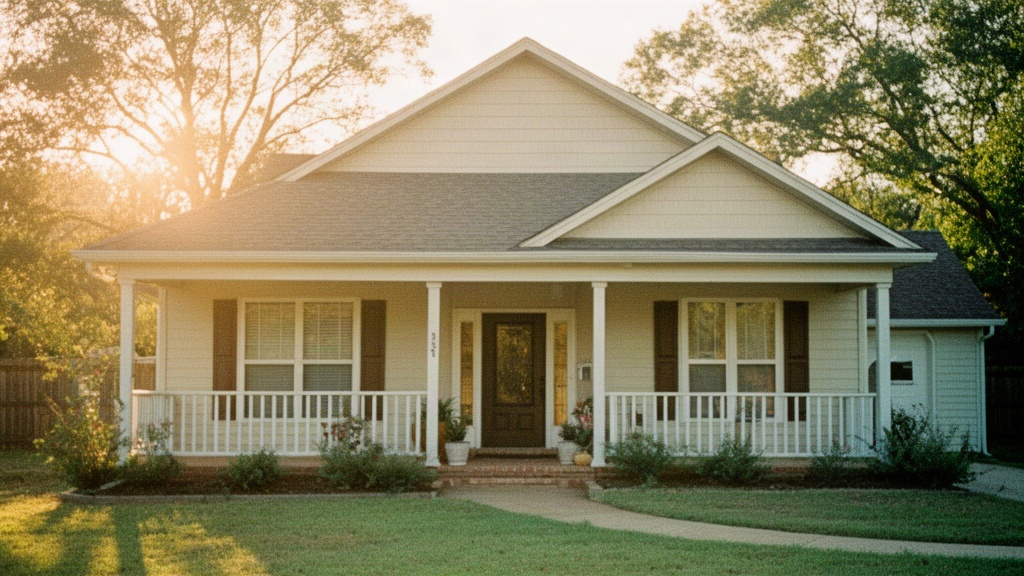
The most common downsize move in Rio Grande is from a three- or four-bedroom home to a two-bedroom concrete block home on a smaller lot. These homes, many built between the 1960s and 1990s, are typically 900 to 1,400 square feet, sit on lots of 5,000 to 7,500 square feet, and are priced between $450,000 and $650,000 depending on proximity to water, flood zone, and condition.
The appeal is straightforward: you keep the privacy and outdoor space of a single-family home, reduce your square footage by 30 to 50 percent, and often cut your insurance and utility costs significantly. Properties on the bay side of US-1 in Rio Grande tend to carry lower flood insurance costs than canal-front or oceanside properties, which is a meaningful factor in long-term affordability.
Condos and Townhomes Near the Keys Corridor
Condos and townhomes represent a smaller share of Rio Grande's inventory compared to Marathon or Key West, but they exist and they solve a specific problem. When exterior maintenance, landscaping, and roof responsibility shift to a homeowners association, the time and energy burden on the homeowner drops considerably.
Condo prices in the Lower Keys corridor range widely, from the mid-$300,000s for older one-bedroom units to over $700,000 for newer two-bedroom waterfront units. HOA fees in Monroe County condo communities often run $600 to $1,200 per month, so factor that into your monthly cost comparison when evaluating whether a condo is genuinely cheaper than your current home.
Manufactured and Modular Homes
Manufactured homes in Monroe County occupy a unique position in the market. Post-2000 HUD-code manufactured homes built to Florida's wind zone standards can be insured and financed through conventional lenders, and they offer a lower entry price than site-built homes in the same area. Prices for newer manufactured homes in the Lower Keys typically start around $250,000 to $350,000 for land-owned parcels.
One important distinction to understand: manufactured homes on leased land in mobile home parks do not build equity the same way that land-owned properties do. If you are moving equity out of your current home and want to preserve it, a land-owned manufactured home or a site-built property is the more direct path.
Renting as a Bridge Step
Some homeowners in Rio Grande choose to sell their larger home, bank the equity, and rent for six to twelve months before committing to a purchase. This approach gives you time to live in a smaller space, confirm what size and location actually work for you, and buy without the pressure of a simultaneous closing. The tradeoff is that rental inventory in Monroe County is limited and monthly rents for a two-bedroom unit in the Lower Keys commonly run $2,200 to $3,500.
3. The Real Costs of Downsizing
The financial picture of downsizing involves more than the difference between what you sell for and what you buy for. Transaction costs on both ends, plus the physical cost of moving and storing belongings, add up to a figure that surprises many sellers who have not done this before.
Selling Costs on Your Current Home
When you sell a home in Rio Grande, expect total closing costs on the sell side to run between 7 and 9 percent of the sale price. That includes real estate commission, title insurance, documentary stamp taxes (which in Florida are $0.70 per $100 of sale price), prorated taxes, and any negotiated seller concessions. On a $700,000 home, that is $49,000 to $63,000 coming off the top before you see net proceeds.
Pre-sale repairs and staging also factor in. Homes in the Keys that show deferred maintenance, particularly on roofs, AC systems, or dock structures, often need $5,000 to $20,000 in work before they are priced competitively. For a full breakdown of the selling process and what to expect, see the article on selling a home in Rio Grande, Florida.
Buying Costs on a Smaller Property
On the buy side, closing costs in Monroe County typically run 2 to 4 percent of the purchase price when financing. If you are purchasing with cash from your equity proceeds, you skip lender fees but still pay for title insurance, the deed documentary stamp, property inspection, and any HOA transfer fees. On a $500,000 purchase, budget $8,000 to $15,000 for buy-side closing costs.
Property taxes in Monroe County are calculated on assessed value, with the homestead exemption reducing the taxable value by $50,000 for primary residents. If you are moving from one homesteaded property to another in Florida, portability allows you to transfer your accumulated Save Our Homes cap savings to the new property, which can meaningfully reduce your new tax bill. The article on property taxes on a house in Rio Grande, Florida explains how portability works in detail.
Moving, Storage and Transition Costs
Moving in the Keys costs more than moving on the mainland because access is limited to US-1, which adds time and mileage for any moving company coming from Miami or the mainland. A local move within the Lower Keys typically runs $1,500 to $3,500 for a full-service mover. If you are shipping furniture to or from the mainland, budget $3,000 to $6,000 depending on volume.
Storage is a real cost that many downsizers underestimate. Climate-controlled storage units in Monroe County run $150 to $350 per month for a 10x10 unit, and $300 to $600 per month for a 10x20. If you need three to six months of storage while you sort through belongings or wait for your new home to be ready, that is $900 to $3,600 in carrying cost that does not show up in any closing disclosure.
4. How to Time a Downsize Without Getting Stuck
Timing a downsize well means coordinating the sale of your current home with the purchase of a smaller one so you are not carrying two mortgages or living out of boxes in a rental for longer than planned. In a market with limited inventory like Rio Grande, this requires a clear strategy before you list.
Sell First or Buy First?
Selling first gives you a firm number to work with and removes the contingency risk that comes with making an offer on a new home before your current one is under contract. The risk is that you may need to rent temporarily if you cannot find the right smaller home before your closing date. In the Lower Keys, where rentals are scarce, that gap can be stressful.
Buying first protects you from the rental gap but requires either a bridge loan or enough liquid assets to carry both properties during the overlap. Bridge loans in Florida typically carry interest rates 1 to 2 percent above conventional mortgage rates and are structured for terms of six to twelve months. They work well when you have strong equity and a clear timeline for selling.
A third option that works well in Rio Grande is negotiating a rent-back agreement with your buyer. You sell your home, close, and then rent it back from the new owner for 30 to 60 days while you finalize your next purchase. This gives you the certainty of a closed sale and the time to move without rushing.
Using Home Equity to Fund the Move
Most homeowners in Rio Grande who are downsizing have built substantial equity over the past decade. Applying that equity to a smaller purchase can eliminate a mortgage entirely or reduce the loan amount to a level where monthly payments are a fraction of what you currently carry. That shift in monthly cash flow is often the most immediate financial benefit of downsizing.
For homeowners 62 and older, a Home Equity Conversion Mortgage (HECM) is another tool worth understanding. A HECM for purchase allows eligible buyers to use a portion of the sale proceeds to buy a smaller home with an FHA-insured reverse mortgage, eliminating the monthly mortgage payment on the new property. This Inman overview of downsizing with a Home Equity Conversion Mortgage explains how the structure works and what buyers need to qualify.
Tax Considerations When You Sell
The federal capital gains exclusion allows single filers to exclude up to $250,000 in profit and married couples to exclude up to $500,000, provided the home has been your primary residence for at least two of the last five years. Given the appreciation Rio Grande has seen, some sellers will have gains that exceed the exclusion threshold. In those cases, working with a CPA before you list is worth the time and cost.
Florida does not have a state income tax, which means there is no state-level capital gains tax on your sale proceeds. That is a meaningful advantage for sellers who have lived in Florida throughout their ownership period, compared to sellers relocating from states with income taxes.
5. How Antonio Jimenez Helps People Downsize in Rio Grande
Helping people downsize in Rio Grande requires knowing both sides of the transaction at the same time: what your current home is worth in today's market and what smaller homes are realistically available to buy. Antonio Jimenez with eXp Realty works with sellers and buyers throughout the Lower Keys, and he understands the specific inventory patterns, insurance dynamics, and pricing nuances that make the Rio Grande market different from anywhere on the mainland.
The process Antonio uses when helping someone downsize starts with a no-pressure valuation of the current home, followed by a realistic look at what is available in the target size and price range. From there, the conversation shifts to sequencing: which closing happens first, how to structure contingencies, and how to protect the seller from the two most common downsizing mistakes, which are selling too quickly without a clear landing spot and waiting too long while carrying costs continue to climb.
For context on the broader market conditions shaping these decisions, the Rio Grande real estate market guide covers pricing trends, inventory levels, and what buyers and sellers are seeing across the Lower Keys right now.
FAQ
How much money do most people save by downsizing in Rio Grande, Florida?
The savings vary based on what you sell and what you buy, but homeowners who move from a 2,400-square-foot property to a 1,200-square-foot home in the same area commonly reduce their monthly carrying costs by $1,500 to $3,000. That figure includes lower insurance premiums, reduced utility bills, smaller property tax bills if the purchase price is lower, and in some cases the elimination of a mortgage payment entirely when equity from the sale covers the full purchase price. The savings are most dramatic for homeowners who are currently carrying both a mortgage and high flood and wind insurance premiums on a larger waterfront property.
When is the best time of year to sell a larger home and buy a smaller one in Rio Grande?
Buyer activity in the Lower Keys tends to pick up from November through April, when snowbirds and relocation buyers from the Northeast and Midwest are most active. Listing a larger home in October or November positions you to capture that demand at its peak. The challenge for downsizers is that smaller homes in Rio Grande also attract more competition during that same window, so you may be buying in a more competitive environment at the same time you are selling. Working with an agent who tracks both sides of the market simultaneously helps you find the specific window where your larger home has strong demand and your target smaller home has less competition.
Can I downsize within Rio Grande, or do I need to move to a different area?
Downsizing within Rio Grande is possible but requires patience because the inventory of smaller homes in the 33042 zip code is limited at any given time. There are typically fewer than a dozen single-family homes under 1,400 square feet available in the immediate Rio Grande area at once. Many downsizers expand their search to include nearby Big Pine Key, Summerland Key, Cudjoe Key, and Sugarloaf Key, all of which are within 10 to 20 minutes of Rio Grande on US-1 and offer similar housing stock at comparable or slightly lower price points. Being flexible on the specific community while staying within the Lower Keys corridor gives you a much larger pool of options without requiring a full relocation.