
← Back to Blog
Market Trends
Are There Any New Developments or Construction Projects Happening in Rio Grande, Florida in 2026?
By Antonio Jimenez
eXp Realty
September 9, 2026 · 11 min read
Yes, there are new developments and construction projects happening in Rio Grande, Florida in 2026, and the activity is meaningful enough to shape your buying or selling decisions right now. This article breaks down what is being built, where permits are being pulled, how state policy is affecting local supply, and what new construction actually costs compared to resale inventory in this part of Monroe County.
1. The Construction Landscape in Rio Grande Right Now
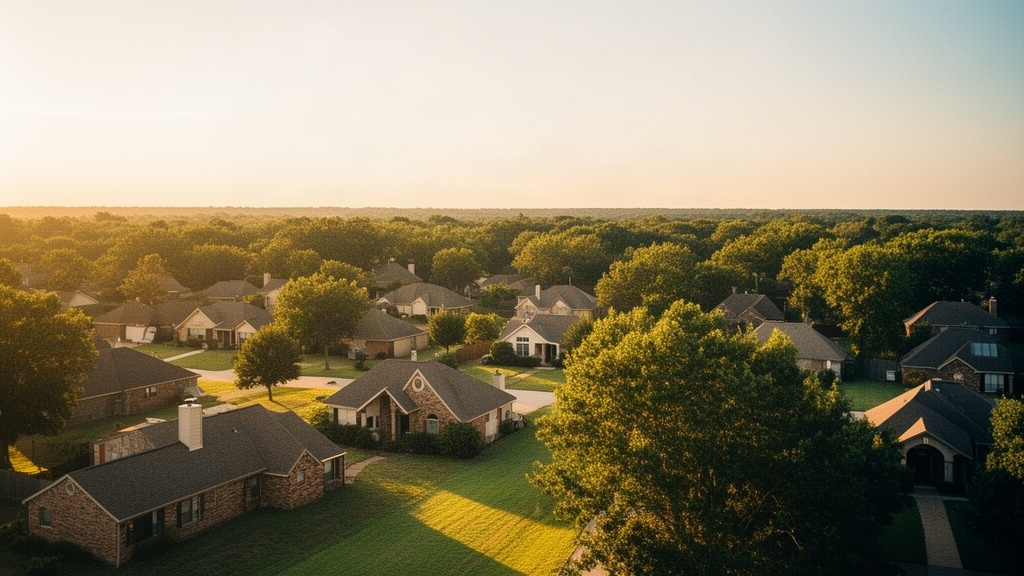
Construction activity in Rio Grande in 2026 is real but measured. Rio Grande sits in the middle Florida Keys corridor on Key Largo, unincorporated Monroe County, and the physical and regulatory constraints of building in this area keep large-scale subdivision development off the table. What you see instead is a steady flow of single-family new builds, teardown-and-rebuild projects on existing lots, and elevated replacement homes replacing older concrete block or wood-frame structures that have aged past their useful life.
What Kind of Building Is Happening
The dominant construction type in Rio Grande in 2026 is elevated single-family homes built to current Florida Building Code standards. These homes are designed with the Florida Keys' wind and flood requirements in mind: concrete block or CBS construction, impact-resistant windows and doors, and elevated foundations that lift the living area well above base flood elevation. Many are built on pilings, which is both a code requirement in certain flood zones and a practical choice given the proximity to Florida Bay and the Atlantic side of Key Largo.
Smaller-scale renovation and addition projects are also active throughout the area. Homeowners who purchased older properties along canals or near the water are pulling permits for additions, dock replacements, pool installations, and whole-home renovations. Monroe County's building department processes these permits through its standard review cycle, and permit activity data is publicly available through the county's online portal for anyone who wants to track what is being submitted in specific neighborhoods.
Where the Activity Is Concentrated
Canal-front and bay-side lots in Rio Grande see the most new construction interest. Older homes on those lots, particularly those built before the 1990s that carry high flood insurance costs due to their elevation certificates, are frequently purchased for teardown and replacement. The new structure typically sits four to eight feet higher, qualifies for lower flood insurance premiums under current FEMA rating methodology, and commands a significant price premium over the structure it replaced.
Inland lots in Rio Grande, particularly those in the Card Sound Road corridor and the neighborhoods east of US-1, also see periodic new construction activity, though at a lower rate than waterfront parcels. These builds tend to be more price-accessible, with finished homes in the $700,000 to $950,000 range depending on lot size, finishes, and whether the lot includes a boat slip or dock access.
2. How Florida's 2026 Housing Laws Are Affecting Rio Grande
State-level policy changes in 2026 are creating a new backdrop for construction activity across Florida, and Rio Grande is not insulated from those shifts. Two pieces of legislation in particular are worth understanding if you are buying new construction or tracking what gets built in this area.
HB 399 and Local Permitting
Florida's HB 399, which took effect in 2026, limits the ability of local governments to block or delay new housing development through certain zoning and permitting mechanisms. As Inman reported when the law passed, the legislation was designed to reduce the friction that has slowed housing supply growth in many Florida counties. In Monroe County, which already operates under a unique Rate of Growth Ordinance that controls how many new residential units can be permitted annually, the practical effect of HB 399 is nuanced. The ROGO system is a state-sanctioned program tied to hurricane evacuation capacity, so it operates under different legal authority than the local zoning rules HB 399 targets.
What this means for Rio Grande buyers and sellers: the ROGO allocation system continues to limit the total number of new residential building permits issued in Monroe County each year. As of September 2026, the county issues a limited number of ROGO points annually across all unincorporated areas, and competition for those allocations affects how quickly builders can break ground on new projects. This structural cap on supply is one reason why new construction in Rio Grande tends to be teardown-and-rebuild activity rather than raw land development.
Property Tax Changes for Developers
A separate development affecting builders across Florida involves changes to how property taxes are assessed on new construction projects. A Forbes analysis published in June 2026 explored what Florida's property tax amendment means for developers, noting that the changes could influence carrying costs during construction and affect how builders price finished homes. In a high-value market like the Florida Keys, where land costs alone can exceed $400,000 for a modest lot, any shift in the tax treatment of development-stage properties gets passed through to the buyer in the final sale price.
Buyers considering new construction in Rio Grande should ask builders directly how these tax changes are reflected in their pricing models. A builder who is absorbing higher carrying costs may price finished homes more aggressively, while others may offer less room for negotiation. Understanding this context before you make an offer gives you a stronger position at the table.
3. What New Construction Costs in Rio Grande in 2026
New construction pricing in Rio Grande reflects both the Keys premium and the elevated cost of building to current code. Hard construction costs per square foot for a code-compliant, impact-rated CBS home in Monroe County currently run between $350 and $500 per square foot of living area, before land, site preparation, permitting fees, and builder margin. That means a 1,800-square-foot new home carries a build cost of roughly $630,000 to $900,000 before the lot is factored in.
New Build Price Ranges
Finished new construction homes currently being marketed or recently completed in and around Rio Grande are pricing in a wide range based on lot type and finishes. Inland lots with no water access: finished homes are typically priced from the high $700,000s to around $1.1 million for a three-bedroom, two-bath layout. Canal-front lots with boat access: finished new builds generally start around $1.2 million and move well above $2 million for larger footprints with premium finishes and direct ocean or bay access. Open-water or bay-front lots: these are the rarest and most expensive parcels; new construction on these sites routinely exceeds $2.5 million and can reach $4 million or more depending on the view corridor and dock configuration.
These figures are consistent with broader Monroe County new construction trends as of September 2026. If you want to compare these numbers against the current resale market in Rio Grande, the existing homes for sale in Rio Grande, Florida article on this site covers active listing prices and what you get at each price point.
New Construction vs. Resale: Key Differences
New construction and resale homes in Rio Grande are genuinely different products, not just different ages of the same thing. A new build gives you current building code compliance, which in the Keys means a home engineered for 175-plus mph wind loads, a fresh elevation certificate that typically results in lower flood insurance premiums, and no deferred maintenance. A resale home, particularly one built before 2002, may require significant investment to bring it up to current standards, and its flood insurance cost under FEMA's Risk Rating 2.0 methodology can be substantially higher than a newer, elevated structure.
The tradeoff is price and timing. Resale homes in Rio Grande are often priced below new construction equivalents, and you can close and move in without waiting for a build to complete. Construction timelines in Monroe County currently run 12 to 24 months from permit issuance to certificate of occupancy, depending on contractor availability and inspection scheduling. For buyers who need to be in a home within six months, resale is the more practical path.
4. Infrastructure and Community Projects Near Rio Grande
Beyond private residential construction, there are public infrastructure and community projects in the Rio Grande area in 2026 that affect property values and daily life. These projects are worth tracking whether you already own property here or are evaluating a purchase.
Road and Utility Work
The Florida Department of Transportation continues ongoing maintenance and improvement work along US-1 through the Key Largo corridor, which is the primary artery connecting Rio Grande to Homestead to the north and Islamorada to the south. Resurfacing, bridge inspection cycles, and drainage improvements are recurring features of the US-1 corridor in this stretch. FDOT's project database, available on their public website, lists active and planned projects by county and milepost, which is a useful resource for anyone who wants to understand what construction activity might affect commute times or property access.
Monroe County Utilities is also actively managing wastewater system upgrades throughout the unincorporated Keys, including the Key Largo area. Properties that connect to the central wastewater system are freed from the cost and maintenance burden of on-site septic systems, and connection to the system can affect a property's value and its eligibility for certain renovation permits. If a property you are evaluating in Rio Grande is not yet connected, it is worth asking whether the connection is available and what the hookup fee schedule looks like.
Monroe County Planning Activity
Monroe County's Planning and Environmental Resources Department publishes its meeting agendas and approved development orders publicly, and reviewing these documents gives you a clear picture of what has been approved for construction in the Rio Grande area. As of September 2026, the county's planning board has been reviewing applications related to accessory dwelling unit additions, dock and seawall permits, and the occasional commercial renovation along US-1. Large-scale subdivision or multi-family development applications are rare in this part of the Keys due to the ROGO cap and the limited availability of vacant land.
The John Pennekamp Coral Reef State Park, which borders the Rio Grande area on the ocean side, does not generate private development activity, but it does anchor the area's character and draw consistent visitor traffic to the US-1 corridor. Commercial properties along US-1 near the park entrance have seen periodic renovation and tenant turnover as the tourism economy in the upper Keys remains active.
5. What New Development Means for Buyers and Sellers
Understanding the construction and development picture in Rio Grande in 2026 is not just background information; it directly affects the decisions you should be making right now whether you are buying or selling. Florida's homebuilding market is uneven across the state this year, as HousingWire has noted in its coverage of Florida as many separate homebuilding markets, and the Keys operate under constraints that make them behave very differently from high-growth markets like Orlando or Jacksonville.
Opportunities for Buyers
If you are buying in Rio Grande and open to new construction, the most realistic path is purchasing a lot with an older home and working with a licensed Keys contractor to plan a rebuild. Turnkey new construction inventory is limited because most builders in the area build on spec or custom-to-order rather than developing communities with multiple available units. Watching the permit pipeline, understanding which lots have existing ROGO allocations, and knowing which contractors are active in the area gives you a meaningful advantage.
Buyers who are flexible on timing and want a move-in-ready home should focus on the resale market, where there is more inventory and shorter closing timelines. New construction in Rio Grande is a longer-horizon strategy, typically 18 to 30 months from lot acquisition to occupancy when you factor in design, permitting, and construction. That timeline suits buyers who are planning ahead rather than those with an immediate housing need.
How Sellers Should Read the New Supply
For sellers, the limited pace of new construction in Rio Grande is generally a supportive factor for resale prices. Because the ROGO system constrains how many new permits can be issued annually, the resale market is not being flooded with competing new inventory the way it might be in an unconstrained market. Buyers who want to own in Rio Grande and cannot find or afford new construction turn to resale homes, which keeps demand reasonably steady.
That said, sellers of older homes with outdated elevation certificates or pre-2002 construction should be aware that buyers are increasingly cost-conscious about flood insurance. A buyer comparing your 1985 CBS home to a 2024 elevated new build will factor in the insurance cost difference, and that comparison can affect what they are willing to offer. Pricing your home to reflect its insurance cost reality, and being transparent about what an elevation certificate shows, helps you attract serious buyers rather than ones who back out after the inspection period.
If you are trying to understand where your property fits in the current market relative to new construction activity, Antonio Jimenez tracks this data closely and can walk you through what comparable new builds and resale homes are doing in the Rio Grande area right now.
FAQ
Are there any new developments or construction projects happening in Rio Grande, Florida in 2026?
Yes, construction activity in Rio Grande in 2026 is ongoing, primarily in the form of single-family new builds, teardown-and-rebuild projects on canal and waterfront lots, and renovation permits on existing homes. Large-scale subdivision development is constrained by Monroe County's Rate of Growth Ordinance, which limits the number of new residential building permits issued annually across unincorporated areas. The most common new construction projects involve elevated CBS homes built to current Florida Building Code standards, often replacing older structures on waterfront lots. Buyers interested in new construction should track the county's permit database and work with a local agent who monitors ROGO allocation activity.
How does Monroe County's Rate of Growth Ordinance affect new construction in Rio Grande?
Monroe County's Rate of Growth Ordinance, known as ROGO, is a state-sanctioned system that limits how many new residential building permits can be issued in unincorporated Monroe County each year. The cap is tied to hurricane evacuation capacity, which means it operates under different legal authority than the local zoning rules affected by Florida's 2026 HB 399 legislation. In practical terms, ROGO means that raw land development and large new communities are not feasible in Rio Grande the way they might be in other Florida counties. Most new residential construction in the area involves lots that already have existing ROGO allocations, typically through teardown-and-rebuild projects. This constraint on supply is one reason resale inventory remains competitively priced relative to new construction.
How long does it take to build a new home in Rio Grande, Florida?
Building a new home in Rio Grande currently takes between 12 and 24 months from permit issuance to certificate of occupancy, and that timeline does not include the time needed to acquire a lot, complete architectural drawings, and navigate the ROGO allocation process. Monroe County's building department processes permits for a jurisdiction with strict code requirements, including wind load ratings and flood zone compliance, which adds review time compared to mainland Florida counties. Contractor availability in the Keys can also extend timelines, as the pool of licensed builders familiar with Keys-specific construction requirements is smaller than in larger markets. Buyers considering a custom build should budget for a total timeline of 18 to 30 months from lot purchase to move-in when accounting for all pre-construction steps.