← Back to Blog
Buying
Buying a Home in Knoxville: How New Construction Purchases Work, What They Cost, and How Long They Take
By April Arnold
Exp Realty · DRE# 377109 & 0225272699
September 27, 2026 · 12 min read
Buying a home in Knoxville through new construction is a different experience than purchasing a resale property, and most buyers underestimate how different it really is. From navigating builder contracts and design center upgrades to understanding what the final price actually includes, the process has its own rules. This guide covers every stage of a new construction purchase in East Tennessee, including realistic costs and timelines specific to the Knoxville market.
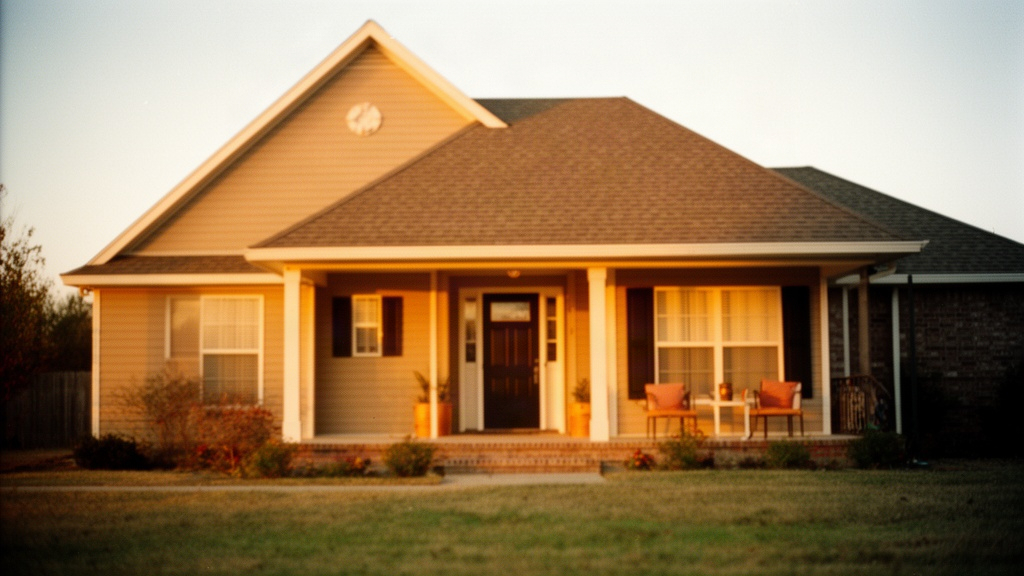
1. Why New Construction Is a Real Option in Knoxville Right Now
New construction is one of the most active segments of the Knoxville housing market in September 2026. Resale inventory in Knox County has remained tight for several years, which has pushed more buyers toward builder communities as a practical path to homeownership. If you have been searching for a resale home and losing out to competing offers or finding nothing that fits, new construction may be worth a serious look.
According to the National Association of Realtors, the 2026 new-home market has created a window of opportunity for buyers that did not exist in the frenzied years prior, with builders offering more incentives and extended rate buy-down programs than they have in recent memory. That shift is visible in the Knoxville area, where several builders are currently offering closing cost assistance and mortgage rate incentives to move inventory.
What Builders Are Active in the Knoxville Area
The Knoxville metro is served by a mix of national production builders and regional custom builders. National builders with active communities in and around Knox County include Clayton Properties Group brands, Goodall Homes, and Smith Douglas Homes. Regional builders such as Signature Homes and various local custom builders round out the options. Each operates differently, which matters when you get to the contract stage.
Where New Construction Is Concentrated
Active new construction communities in the broader Knoxville market are concentrated in several corridors. Hardin Valley in northwest Knox County has seen significant builder activity, with communities offering townhomes starting around $280,000 and single-family homes ranging from the mid-$300,000s into the $500,000s. Farragut and west Knoxville continue to attract higher-end new construction, with base prices commonly starting in the $450,000 to $550,000 range for detached homes on smaller lots. Powell and Halls in north Knox County offer more affordable entry points, with some communities starting in the low-to-mid $300,000s. Loudon County, including Lenoir City and the Tellico Village area, has a substantial number of active communities as well.
If you are relocating to East Tennessee and want a broader picture of where people are landing, the East Tennessee relocation guide covers the full range of communities, price points, and commute considerations across the region.
2. The New Construction Purchase Process Step by Step
Buying a home in Knoxville through new construction follows a sequence that is more structured than a resale transaction, and each stage has its own decisions and deadlines. Understanding the sequence before you walk into a model home puts you in a much stronger position.
Choosing a Community and Floor Plan
Your first decision is which community and which floor plan to pursue. Most builders in the Knoxville area offer three to eight floor plans per community, with square footage typically ranging from around 1,400 square feet for entry-level townhomes to 3,500 square feet or more for move-up single-family homes. Walk multiple model homes before committing. Pay attention to ceiling heights, window placement, and how natural light moves through the home, because those elements are structural and cannot be changed after the fact.
Lot selection within the community also matters more than most buyers expect. Corner lots, cul-de-sac lots, lots that back to greenspace or a pond, and lots on higher ground within the community all carry premiums. In Hardin Valley and west Knoxville communities, lot premiums can range from $5,000 to $30,000 or more depending on the view and position. A flat interior lot is typically the base price; anything with a desirable feature adds cost.
Signing the Builder Contract
Builder contracts are written to protect the builder, not the buyer. Unlike the Tennessee Association of Realtors standard purchase agreement used in resale transactions, builder contracts are proprietary documents drafted by the builder's legal team. They typically include limited inspection rights, strict deadlines for design selections, clauses that allow the builder to change materials due to availability, and earnest money terms that heavily favor the builder if you back out.
Earnest money on new construction in the Knoxville market typically runs between $3,000 and $10,000 for production builders, though some custom builders require one to three percent of the contract price upfront. Read the cancellation clause carefully. Most builder contracts allow you to cancel during a short due-diligence window, but after that window closes, your earnest money is at risk. Having a buyer's agent review the contract before you sign is one of the most important steps you can take.
The Design Center Appointment
Most production builders in the Knoxville area schedule a design center appointment within two to four weeks of contract signing. This is where you select flooring, cabinets, countertops, fixtures, exterior finishes, and any structural upgrades. The design center experience can feel exciting, but it is also where costs escalate quickly. Buyers who walk in without a budget ceiling routinely add $30,000 to $80,000 in upgrades during a single appointment.
Structural upgrades, such as adding a third-car garage bay, extending the covered porch, or adding a bonus room above the garage, must be selected at the design center stage because they affect the framing. Cosmetic upgrades like countertop material and cabinet hardware can theoretically be changed later, but doing so after closing costs significantly more than selecting them at the builder's design center price. Decide in advance which upgrades are truly important to you and which ones you can add yourself after closing for less money.
Construction Phases and Walkthroughs
After the design appointment, construction begins and the builder will typically allow you to visit the site during certain phases. Most builders in the Knoxville area schedule a pre-drywall walkthrough, which is the single most important visit you can make. At that stage, you can see the framing, plumbing rough-in, electrical rough-in, and HVAC ductwork before the walls close. Bring a trusted inspector or have your agent arrange an independent inspection at this phase. Issues caught before drywall are far easier and cheaper to correct.
The final walkthrough, called the orientation or blue-tape walk, happens one to two weeks before closing. This is when you document cosmetic issues, confirm all selections were installed correctly, and learn how the home's systems operate. Bring a detailed checklist. Builders typically have a warranty process for items noted at this stage, but getting them in writing before closing is essential.
3. What New Construction Actually Costs in East Tennessee
The advertised base price of a new construction home in Knoxville is rarely the price you actually pay. Understanding the layers of cost before you start shopping prevents sticker shock at the design center and at the closing table.
Base Price vs. Total Price
The base price covers the structure, standard finishes, and a standard lot. In the Knoxville market as of September 2026, base prices for production new construction run roughly as follows: entry-level townhomes in communities like those in Hardin Valley or Powell start around $270,000 to $310,000; single-family homes in north and east Knox County communities typically start in the $330,000 to $390,000 range; west Knoxville and Farragut communities commonly start in the $430,000 to $550,000 range for detached homes; and custom builds on private lots can start anywhere from $500,000 to well over $1 million depending on the land and specifications.
Upgrades, Lot Premiums, and Hidden Costs
Beyond the base price, buyers in the Knoxville area should budget for several additional cost categories. Design center upgrades commonly add 10 to 25 percent to the base price for buyers who want mid-grade to upper-grade finishes. Lot premiums for desirable positions within the community add $5,000 to $30,000 or more. Structural options such as a covered rear porch extension, a finished basement, or an additional bathroom add cost on top of that.
HOA fees are another line item that surprises many new construction buyers. Most planned communities in Knox County charge monthly HOA fees ranging from $40 to $150 per month for standard amenities like lawn maintenance of common areas, a community pool, and a clubhouse. Some communities with more extensive amenities run higher. For a detailed breakdown of what HOA fees look like in newer Knoxville-area communities, the article on HOA fees in newer subdivisions around Hardin Valley covers the specifics.
Closing Costs on a New Build
Closing costs on a new construction purchase in Tennessee are similar in structure to resale closing costs but have a few differences. Buyers typically pay between 2 and 4 percent of the purchase price in closing costs. On a $400,000 new construction home, that is $8,000 to $16,000 in addition to your down payment. Tennessee charges a state deed transfer tax, and you will pay lender fees, title insurance, and prepaid items like homeowner's insurance and property tax escrow.
One notable difference with new construction: many builders offer closing cost incentives if you use their preferred lender. These incentives are real and can be worth $5,000 to $15,000, but you should still get a competing quote from an outside lender before committing. The builder's preferred lender rate is not always the best rate available, and the incentive does not always offset a higher interest rate over the life of the loan. For a full breakdown of Tennessee-specific closing cost line items, the article on closing costs for buyers in Tennessee explains each fee in detail.
4. New Construction Timelines in the Knoxville Market
Timeline is one of the biggest variables in buying a home in Knoxville through new construction, and it depends heavily on whether you are buying a spec home or a to-be-built home. Both paths lead to the same destination, but on very different schedules.
Spec Homes vs. To-Be-Built
A spec home, short for speculative home, is one the builder started constructing before finding a buyer. These homes are often partially or fully complete when you purchase them. If the home is already finished, you can close in as little as 30 to 45 days, similar to a resale transaction. The tradeoff is that the selections have already been made; you get what was chosen for the spec, which may or may not match your preferences.
A to-be-built home starts construction after you sign the contract and complete your design selections. In the Knoxville market as of September 2026, typical build times for production builders run six to ten months from the start of framing, depending on the builder, the floor plan size, and the complexity of your selections. Custom homes on private lots take longer, commonly 12 to 18 months from permit to close, and sometimes longer for larger or more complex projects.
What Can Delay Your Closing
Builder delays are common and the contract typically protects the builder, not you, when they occur. The most frequent causes of delay in the Knoxville area include permit backlogs at the Knox County or city level, material availability issues for specific selections, subcontractor scheduling conflicts, and weather delays during foundation and framing phases. East Tennessee winters are mild compared to much of the country, but heavy rain periods in spring can slow exterior work.
If you have a hard move-out deadline from your current home, build a buffer into your planning. Assume the builder's stated completion date could slip by four to eight weeks, and plan your lease end date or current home sale accordingly. If you are selling a home to fund the new construction purchase, coordinating those two closings requires careful timing. The article on selling a home in East Tennessee covers the pricing and timeline considerations on the sell side.
5. Why You Need Your Own Agent on a New Construction Purchase
Many buyers walk into a model home without their own representation and assume the builder's on-site agent will look out for their interests. That assumption is incorrect. The on-site sales agent is employed by the builder and is legally obligated to represent the builder's interests. They are skilled at their job, which is selling homes for the builder at the best possible terms for the builder.
The Builder's Agent Works for the Builder
The on-site agent will not volunteer information that might discourage you from buying, such as known issues with a particular lot, upcoming changes to the community plan, or the fact that the same floor plan sold for less in a neighboring phase. They also will not negotiate the contract on your behalf or advise you on which upgrades are overpriced relative to what you could do yourself after closing. That is not a criticism of on-site agents; it is simply a description of their role.
What a Buyer's Agent Does on New Construction
A buyer's agent who is experienced with new construction in the Knoxville market brings several specific advantages. They review the builder contract before you sign and flag clauses that could cost you money or flexibility. They know which upgrades builders commonly mark up significantly and which are reasonably priced. They coordinate independent inspections at the pre-drywall and final walkthrough stages. They help you compare builder incentives against outside financing options. And critically, they are present at every builder meeting to document what was promised.
In most cases, the builder pays the buyer's agent commission as part of the transaction, so having your own representation costs you nothing out of pocket. The National Association of Realtors' consumer guide to buying land and building a new home is a useful reference for understanding your rights and the process at each stage, and it reinforces why independent representation matters throughout the build.
One important rule: bring your agent with you on your very first visit to the model home. Most builders require that an agent be registered on your first visit in order for them to be recognized as your representative. If you visit the model home alone first and then try to add an agent later, the builder may refuse to honor the representation, leaving you without independent advocacy for the rest of the transaction.
FAQ
Can I negotiate the price on a new construction home in Knoxville?
Yes, but the negotiation looks different than on a resale home. Production builders in the Knoxville area rarely reduce the base price because doing so affects the comparable sales data for the entire community, which impacts their future sales. Instead, they tend to negotiate through incentives: closing cost contributions, free upgrades at the design center, mortgage rate buy-downs through their preferred lender, or lot premium reductions. The amount of negotiating room depends on how much inventory the builder is sitting on and how close they are to the end of a phase. As of September 2026, several Knoxville-area builders are offering meaningful incentives to move finished spec inventory, which gives buyers more leverage than existed in 2022 or 2023. Having a buyer's agent who knows which builders are motivated is a significant advantage at this stage.
Do I need a home inspection on a new construction home in East Tennessee?
Yes, and many buyers skip this step under the mistaken belief that a new home is automatically built correctly. New construction homes in Knox County and surrounding counties are inspected by municipal or county building inspectors, but those inspections verify code compliance, not quality or craftsmanship. An independent home inspector looks at the home from your perspective as the buyer and will often catch issues that pass code but will cause problems down the road, such as improperly graded drainage, HVAC ductwork with inadequate sealing, or minor framing issues. The pre-drywall inspection is the most valuable one because it allows corrections before the walls close. A final inspection before closing catches cosmetic and mechanical issues. The combined cost of both inspections typically runs $400 to $700 in the Knoxville area, which is a small investment relative to the purchase price.
How does buying a new construction home in Knoxville affect my property taxes?
Property taxes on new construction in Knox County are calculated based on the assessed value of the completed home, which is set by the Knox County Assessor of Property after the home is finished and the deed is recorded. In the year of closing, your tax bill may be prorated based on when the home was completed and the land value alone for part of the year, which can make the first year's tax bill lower than expected. The following year, the full assessed value of the improved property applies. Knox County property tax rates as of 2026 run approximately $2.12 per $100 of assessed value, with assessed value set at 25 percent of appraised value for residential property. On a $400,000 home, that works out to roughly $2,120 per year in county property taxes before any applicable city taxes. If you are comparing Knox County to neighboring Blount County or Loudon County, tax rates vary, so it is worth running the numbers for the specific community you are considering.