← Back to Blog
Market Trends
Chattanooga Real Estate Market Guide: Prices, Neighborhoods and Timing
By April Arnold
Exp Realty · DRE# 377109 & 0225272699
September 24, 2026 · 12 min read
This Chattanooga real estate market guide covers what buyers, sellers, and people relocating to East Tennessee actually need to know: current price ranges, how different parts of the city are priced, what inventory looks like right now in September 2026, and how to time your move. Chattanooga sits at the southern end of East Tennessee along the Tennessee River, and its market has its own rhythm that is distinct from Knoxville or Johnson City. Read on for the numbers, the neighborhoods, and the strategic details that help you make a confident decision.
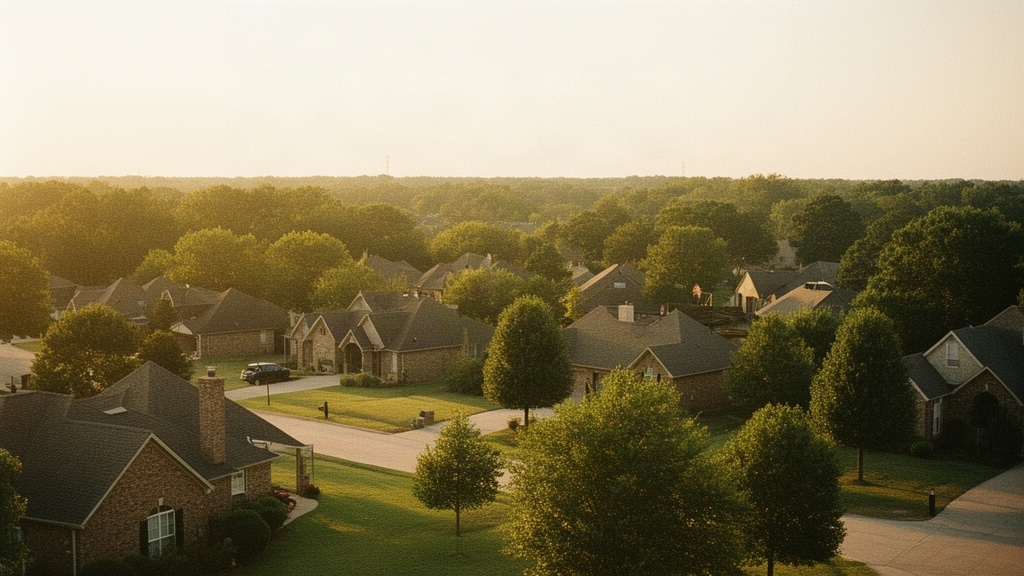
1. What the Chattanooga Market Looks Like Right Now
The Chattanooga housing market is active and competitive in September 2026, with median home prices sitting in the $310,000 to $340,000 range across Hamilton County depending on property type and location. That figure reflects a market that has appreciated meaningfully over the past several years while remaining more accessible than many comparable mid-size cities in the Southeast.
Median Prices and Inventory
Inventory remains tight. Months of supply in the Chattanooga metro hovers around two to three months as of September 2026, which keeps the market tilted toward sellers on well-priced listings. Entry-level homes priced below $275,000 tend to receive multiple offers within the first week. Move-up homes in the $375,000 to $550,000 range are moving steadily but with slightly more negotiating room.
New construction has added supply in outer suburbs like Ooltewah, Apison, and Collegedale, which has helped moderate price growth in the mid-range segment. Townhomes and condos in urban Chattanooga, particularly near the North Shore and downtown, are priced between $250,000 and $450,000 and appeal to buyers who want walkable access to the Tennessee Riverwalk and the restaurants and shops along Frazier Avenue.
How Chattanooga Compares to Recent Years
Chattanooga was among the metros that posted strong price gains nationally. According to NAR data on Chattanooga's local market performance, the metro demonstrated consistent year-over-year appreciation through 2024, a trend that has continued into 2026 at a more moderate pace. Buyers who purchased in 2021 or 2022 have seen substantial equity growth, and sellers entering the market now are generally in a strong position.
Price growth in 2026 has moderated to roughly three to five percent annually compared to the double-digit surges seen in 2021 and 2022. That steadier pace reflects a market finding equilibrium rather than cooling off. Days on market for the average listing in Hamilton County currently run between 25 and 40 days, up from the sub-two-week averages seen during peak demand, but still well below pre-2020 norms.
2. Chattanooga Neighborhoods: What Each Area Offers
Chattanooga's geography shapes its neighborhoods in ways that matter to buyers. The Tennessee River runs through the center of the city, Lookout Mountain rises to the southwest, Signal Mountain sits to the northwest, and the valleys and ridgelines in between create distinct pockets with their own price points, housing stock, and commute profiles.
North Shore and Riverview
North Shore sits directly across the Market Street Bridge from downtown Chattanooga. The housing stock here is a mix of historic bungalows built in the 1920s through 1940s, renovated Craftsman-style homes, and newer infill construction. Prices on North Shore typically range from $350,000 to $700,000 for single-family homes, with some fully renovated properties exceeding that range. The Tennessee Riverwalk runs along the waterfront and connects to Coolidge Park, a 10-acre green space with a carousel, splash pad, and climbing wall.
Frazier Avenue is the commercial spine of North Shore, lined with locally owned restaurants, coffee shops, and boutiques. The commute from North Shore to downtown Chattanooga is roughly five minutes by car or a 15-minute walk across the pedestrian bridge. Parking is limited in parts of the neighborhood, which is worth factoring in for households with multiple vehicles.
East Brainerd and Ooltewah
East Brainerd and Ooltewah are the primary growth corridors along the I-75 corridor east of Chattanooga. East Brainerd is roughly 10 to 12 miles from downtown and offers established subdivisions with homes built primarily in the 1990s and 2000s. Prices there typically run from $280,000 to $450,000 for four-bedroom homes on quarter-acre to half-acre lots.
Ooltewah sits about 18 miles from downtown along I-75 and has seen significant new construction activity. Builders like Clayton Homes and local developers have added subdivisions with homes priced from $320,000 to $550,000. Cambridge Square in Ooltewah is a mixed-use development with retail and dining that has anchored the area's growth. The commute to downtown Chattanooga from Ooltewah runs 25 to 35 minutes depending on traffic on I-75.
Signal Mountain and Lookout Mountain
Both Signal Mountain and Lookout Mountain are incorporated towns that sit above Chattanooga proper and offer a different physical setting than the valley neighborhoods. Homes on Signal Mountain, which is accessed via Highway 127 or Signal Mountain Road, are set among mature hardwood forests with lot sizes that frequently run one to three acres. Prices range from $400,000 to well over $1 million for larger properties with long-range views.
Lookout Mountain straddles the Tennessee-Georgia state line, and homes on the Tennessee side are governed by Hamilton County or the Town of Lookout Mountain. The area is known for its rocky bluffs, forested lots, and historic homes dating to the early 1900s. Prices on Lookout Mountain range from $500,000 to several million dollars for estate properties. The drive from Lookout Mountain to downtown Chattanooga is approximately 15 to 20 minutes via US-41.
Red Bank and Hixson
Red Bank is a small city of roughly 12,000 residents that borders Chattanooga to the northwest and offers some of the most accessible price points in the metro. Homes here are primarily postwar ranch-style and split-level construction from the 1950s through 1970s, with prices typically between $200,000 and $320,000. The area is about six to eight miles from downtown Chattanooga with a 15-minute commute via Highway 27.
Hixson extends north of Red Bank along Highway 153 and the Tennessee River. Housing stock in Hixson spans a wide range, from 1970s and 1980s ranch homes priced from $230,000 to newer construction subdivisions in the $350,000 to $500,000 range. Chester Frost Park on Chickamauga Lake sits within Hixson and offers boat ramps, picnic areas, and camping, making waterfront recreation accessible without waterfront pricing.
Soddy-Daisy and the Northern Corridor
Soddy-Daisy sits about 20 miles north of downtown Chattanooga along Highway 27 and borders Chickamauga Lake. The town has grown steadily as buyers seek more space and lower per-square-foot costs. Homes in Soddy-Daisy range from $220,000 for older ranch-style properties to $600,000 or more for newer lakefront construction on Chickamauga Lake. The commute to downtown Chattanooga runs 30 to 40 minutes, and the tradeoff is typically more land and larger floor plans for the dollar.
3. What Drives Prices in Chattanooga
Understanding what pushes Chattanooga home prices up or down helps both buyers set realistic expectations and sellers price accurately from the start.
Location and Elevation
Elevation and views command a premium in Chattanooga in a way that is unique to this market. A home on Signal Mountain or Lookout Mountain with a view of the Tennessee River valley or Moccasin Bend will typically sell at a meaningful premium over a comparable home in the valley. Proximity to Chickamauga Lake and the Tennessee River also adds value, with true waterfront homes on Chickamauga Lake frequently priced 30 to 60 percent above comparable non-waterfront properties in the same corridor.
Property Type and Age
Renovated historic homes in North Shore or St. Elmo carry a premium over unrenovated properties of similar age and size. St. Elmo, at the base of Lookout Mountain along St. Elmo Avenue, is a historic neighborhood with Victorian-era homes and bungalows priced from $280,000 to $600,000 depending on condition and lot size. Buyers willing to take on a renovation project can still find opportunities in St. Elmo and in parts of the Highland Park and Ridgedale neighborhoods closer to downtown.
New construction commands a premium for its warranties, energy efficiency, and modern layouts, but buyers pay for that certainty. In Ooltewah and Apison, new construction homes are priced roughly 10 to 15 percent above comparable resale homes in established nearby subdivisions.
Proximity to Employment Centers
Chattanooga's major employers anchor demand in specific corridors. Volkswagen's assembly plant in the Enterprise South Industrial Park on the eastern edge of the city has driven demand in the Ooltewah and East Brainerd corridors since it opened in 2011. Amazon, Unum Group, and the Erlanger Health System are major downtown and midtown employers that support demand for North Shore, Highland Park, and Brainerd. Buyers who work at these facilities often prioritize a commute of under 20 minutes, which concentrates competition in specific zip codes.
4. Timing the Chattanooga Market: When to Buy or Sell
Timing matters in the Chattanooga market, though it rarely outweighs the importance of pricing correctly and being financially prepared. The market has seasonal patterns, and understanding them helps you plan your move strategically.
Seasonal Patterns
Spring is the busiest listing season in Chattanooga, with the highest volume of new listings hitting the market between March and June. Sellers who list in March or April typically see the most buyer competition. Summer activity stays strong through July, then softens somewhat in August before picking back up in September as buyers who paused over the summer re-enter the market. Fall listings, particularly those priced accurately, often sell efficiently because buyer pool competition is lower even though serious buyers remain active.
December and January are the slowest months for new listings and showings. Buyers who search during that window face less competition, though they also have fewer options. Sellers who list in January or February often catch motivated buyers who are ready to act before the spring rush.
Interest Rate Context in 2026
Mortgage rates in September 2026 are running in the mid-to-upper six percent range for a 30-year conventional loan, which has stabilized buyer purchasing power compared to the volatility of 2023 and 2024. At a 6.75 percent rate, a buyer financing $280,000 carries a principal and interest payment of roughly $1,815 per month. That math is shaping where buyers are looking, with many stretching toward suburban and outer-ring neighborhoods where the same monthly payment buys more square footage.
If you are relocating to East Tennessee and weighing Chattanooga against other markets in the region, the broader context on timing and closing timelines is worth reviewing. The article on how long it takes to close on a house in East Tennessee in 2026 covers the full timeline from offer to keys, which is useful to read before you start your search.
How Long Homes Are Sitting
Homes that are priced at or slightly below market value in Chattanooga are still selling quickly, often within two to three weeks. Overpriced listings are sitting longer, with some accumulating 60 to 90 days on market before sellers reduce to a realistic number. That pattern is a useful signal for buyers: a listing with 45-plus days on market in a neighborhood where comparable homes sold in 20 days is almost always a pricing issue, not a property defect, and it represents a negotiating opportunity.
For a broader view of how Chattanooga's trajectory fits within East Tennessee's overall housing landscape, the guide on relocating to East Tennessee covers cost comparisons, neighborhood profiles, and timelines across the region.
5. Practical Guidance for Buyers and Sellers in Chattanooga
Whether you are buying or selling in the Chattanooga market right now, the details of your preparation matter more than the broad market conditions. Here is what each side of the transaction should focus on in September 2026.
What Buyers Should Prepare For
Get pre-approved before you tour homes. In Chattanooga's current market, sellers in the sub-$350,000 range expect pre-approval letters with any offer. A pre-approval from a local lender carries more weight than one from a national online lender because listing agents know local lenders can close on time.
Budget for closing costs beyond the down payment. In Tennessee, buyers typically pay between two and three percent of the purchase price in closing costs covering lender fees, title insurance, recording fees, and prepaid items like homeowners insurance and property tax escrow. On a $325,000 home, that is roughly $6,500 to $9,750 in addition to the down payment.
Hamilton County's property tax rate is approximately $2.76 per $100 of assessed value as of 2026, and Tennessee assesses residential property at 25 percent of appraised value. On a $325,000 home, the annual property tax bill runs roughly $2,247. That is meaningfully lower than national averages and is one of the factors that keeps monthly housing costs in Chattanooga competitive despite rising prices.
If this is your first purchase in East Tennessee, the first-time home buyer guide for East Tennessee covers local down payment assistance programs, THDA loan options, and the step-by-step process in detail.
What Sellers Should Know Before Listing
Pricing is the single most important decision a seller makes. In Chattanooga's current market, homes priced within two to three percent of their true market value sell faster and closer to list price than homes that start high and reduce later. Buyers in 2026 are more cautious than they were in 2021, and a price reduction signals that a property sat, which invites lower offers.
Presentation matters more than it did during the frenzy years. Professional photography is now a baseline expectation, not a differentiator. Sellers who invest in light staging, fresh paint in neutral tones, and clean landscaping consistently see faster sales and stronger offers. In Chattanooga's mid-range market, a $2,000 to $4,000 investment in preparation before listing often returns three to five times that amount in final sale price.
Sellers should also understand their net proceeds before accepting an offer. Tennessee has no state income tax on wages, but capital gains on investment properties and second homes are subject to federal tax. Your agent should walk you through an estimated net sheet that accounts for the mortgage payoff, agent commissions, closing costs, and any seller concessions before you sign a contract.
For context on how Chattanooga's market fits within the broader East Tennessee picture, the Johnson City real estate market guide offers a useful comparison for buyers or sellers evaluating multiple markets in the region.
According to Norada Real Estate's Chattanooga market forecast, Chattanooga is projected to see continued steady appreciation through 2026, supported by population growth, a diversifying employment base, and sustained in-migration from higher-cost metros in the Northeast and Midwest. That trajectory reinforces the case for buyers who are on the fence: waiting rarely produces a meaningfully lower entry price in a market with this kind of structural demand.
FAQ
What is the median home price in Chattanooga right now?
As of September 2026, the median home price in the Chattanooga metro area sits in the $310,000 to $340,000 range across Hamilton County, depending on property type, location, and condition. Urban neighborhoods like North Shore and St. Elmo skew higher, while outer areas like Red Bank and Soddy-Daisy offer entry points below $275,000. New construction in growth corridors like Ooltewah and Apison is priced between $320,000 and $550,000. These figures reflect a market that has appreciated steadily but is more accessible than many comparable Southeast metros of similar size.
Is Chattanooga a buyer's market or a seller's market in 2026?
Chattanooga currently leans toward sellers, particularly in the entry-level and mid-range price segments below $375,000, where months of supply remains around two to three months. Homes priced accurately are still selling within two to three weeks and sometimes receiving multiple offers. The upper end of the market, above $600,000, has more balance, with buyers having more negotiating room and sellers needing to be patient. The overall market is more balanced than it was in 2021 and 2022, but it is not a buyer's market in any segment as of September 2026.
How long does it take to close on a home in Chattanooga?
A typical residential closing in Chattanooga takes 30 to 45 days from accepted offer to closing, assuming a conventional or FHA loan and no major title or inspection issues. Cash purchases can close in as few as 10 to 14 days. VA loans sometimes run closer to 45 to 50 days depending on the lender's pipeline. Working with a local lender who knows the Hamilton County title and recording process can help avoid delays. For a full breakdown of the East Tennessee closing timeline, the article on how long it takes to close on a house in East Tennessee covers each stage in detail.