
← Back to Blog
Neighborhoods
Browne's Addition, Spokane, Washington Real Estate Market Guide: Prices, Neighborhoods and Timing
By April Moore, Real Estate Broker
Mackay Team Exp Powered · DRE# 137976
September 15, 2026 · 10 min read
Browne's Addition is one of Spokane, Washington's most architecturally distinct neighborhoods, and it draws a consistent stream of buyers who want walkability, historic character, and proximity to downtown without paying downtown condo prices. This guide covers current home prices, what the housing stock actually looks like, how the market has been moving in September 2026, and what timing considerations matter most whether you are buying or selling here.
1. What Makes Browne's Addition Different From Other Spokane Neighborhoods
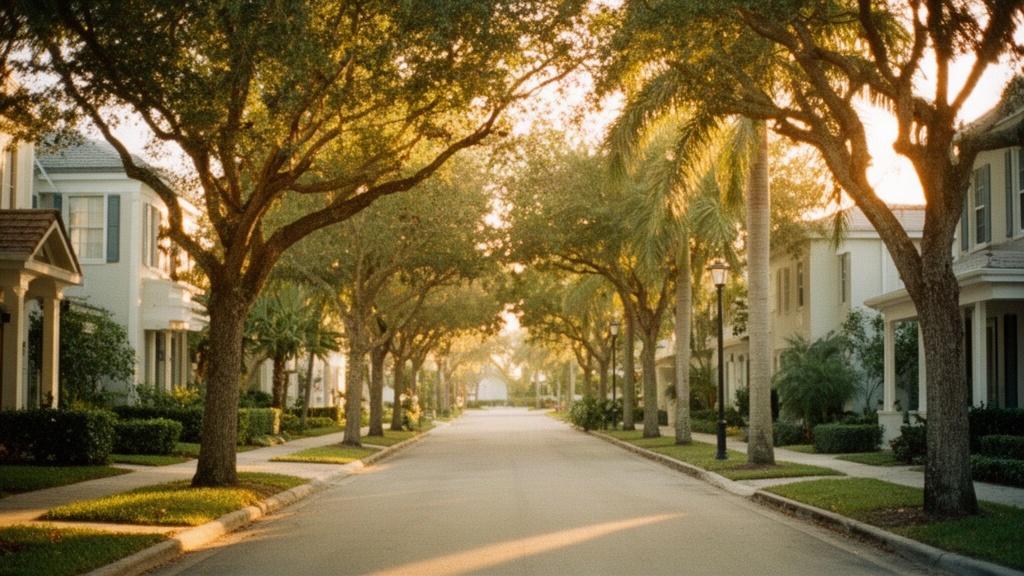
Browne's Addition sits immediately west of downtown Spokane, separated from the city core by the Monroe Street Bridge and bordered by Coeur d'Alene Park to the south and Riverside State Park trails to the north. That geography alone sets it apart: residents can walk to Spokane's downtown restaurants, the Fox Theater, and the Spokane Arena in under fifteen minutes, while still living in a neighborhood with mature trees, wide front porches, and streets platted in the 1880s.
Location and Walkability
The neighborhood's walk score is among the highest of any residential area in Spokane. Pacific Avenue, the main commercial corridor running through the heart of Browne's Addition, is lined with locally owned restaurants, coffee shops, and a handful of boutiques. Coeur d'Alene Park, a 4.6-acre green space at the center of the neighborhood, hosts community events and provides a central gathering point that most Spokane neighborhoods do not have within walking distance.
Commute distances from Browne's Addition are short by Spokane standards. Washington State University's Spokane campus is roughly a mile east. Providence Sacred Heart Medical Center is about 1.5 miles away. The Spokane Transit Authority's central bus hub is within easy walking distance, making car-free commuting more practical here than in most other parts of the city.
Architecture and Housing Stock
Browne's Addition was Spokane's first affluent residential district, developed in the late 19th and early 20th centuries, and that history is visible in every block. You will find Queen Anne Victorians, Craftsman bungalows, Colonial Revival homes, and a handful of early apartment buildings that date to the 1910s and 1920s. Many of the larger homes were later converted into multi-unit rentals or condominiums, which is why the neighborhood's housing mix today includes everything from studio condos in converted mansions to intact single-family homes on lots that run 5,000 to 8,000 square feet.
The neighborhood is listed on the National Register of Historic Places as a historic district. That designation matters to buyers and sellers alike: it can open doors to historic preservation tax credits for qualifying renovation work, but it also means that exterior alterations on contributing structures require review. Buyers planning significant updates should factor that process into their timeline.
2. Browne's Addition Home Prices Right Now
As of September 2026, the median sale price in Browne's Addition sits in the range of $340,000 to $390,000, depending on property type. Condos and smaller units converted from historic mansions tend to anchor the lower end of that range, while intact single-family homes with original millwork, updated mechanicals, and larger lots push toward the upper end. You can track current list prices and recent sales through sources like Redfin's Browne's Addition housing market page, which updates regularly with median prices and days on market.
Current Median and Price Per Square Foot
Price per square foot in Browne's Addition currently runs between $210 and $270 for most residential properties. Smaller condos in converted historic buildings sometimes come in above that range on a per-square-foot basis because buyers are paying for location and character as much as raw square footage. Larger single-family homes with deferred maintenance often land below it. The spread is wide enough that two homes on the same block can list at prices $80,000 apart based entirely on condition and interior updates.
How Prices Compare to the Broader Spokane Market
Browne's Addition prices sit modestly above the citywide Spokane median, which has hovered around $320,000 to $335,000 in recent months. The premium reflects the neighborhood's walkability, historic character, and tight inventory rather than larger lot sizes or newer construction. If you are comparing Browne's Addition to South Hill or the Perry District, the price points are roughly comparable for similar square footage, though the property types and lot configurations differ considerably. For a broader look at where Browne's Addition fits in Spokane's overall market, the Spokane, Washington Real Estate Market Guide covers citywide trends in detail.
Spokane has drawn national attention as a competitive housing market. The National Association of Realtors identified Spokane among the top Western markets to watch for 2026 in its Housing Hot Spots research report, citing the city's relative affordability compared to Seattle and Portland, strong in-migration, and limited new construction. Browne's Addition benefits from those same citywide tailwinds, with the added constraint that its inventory is structurally limited by the neighborhood's fixed geographic boundaries and historic building stock.
3. What You Can Actually Buy in Browne's Addition
The housing mix in Browne's Addition is more varied than most Spokane neighborhoods, and understanding what falls into each price tier helps buyers set realistic expectations before they start touring.
Entry-Level and Condo Options
In the $200,000 to $290,000 range, buyers will find studio and one-bedroom condos in converted historic apartment buildings and mansions. These units typically run 500 to 900 square feet and often retain original details like hardwood floors, tall ceilings, and large windows. HOA fees vary significantly between buildings, so buyers need to factor monthly dues into their total cost calculation. Some buildings have well-funded reserves; others carry deferred maintenance that shows up in the HOA financials.
Two-bedroom condos and smaller attached units generally list between $270,000 and $340,000. At this price point, buyers sometimes find ground-floor units with private entrances that feel more like townhomes than traditional condos. Parking is often limited to one assigned space or street parking, which is worth confirming before making an offer.
Mid-Range Single-Family Homes
Between $340,000 and $500,000, buyers can find intact single-family Craftsman bungalows and smaller Queen Anne homes, typically running 1,200 to 2,000 square feet. These properties usually sit on lots between 4,500 and 7,500 square feet with detached garages or off-street parking pads. Kitchens and bathrooms in this range vary widely: some have been thoughtfully updated while preserving original character; others have had budget renovations that a buyer may want to redo.
Condition is the defining variable in this price band. A home with updated electrical, a newer roof, and a functional HVAC system will sell at the top of this range or above it. A home with original knob-and-tube wiring, a 25-year-old roof, and a gravity furnace will list lower but carry renovation costs that buyers need to budget carefully. A thorough inspection from a Spokane inspector experienced with historic homes is not optional here.
Upper-End and Historic Estates
Above $500,000, Browne's Addition offers some of the most architecturally significant residential properties in all of Spokane. These are the large Colonial Revival and Queen Anne homes that were built for Spokane's early timber and mining families, many running 3,000 to 5,000 square feet with original stained glass, built-in cabinetry, formal parlors, and carriage houses. Homes in this tier rarely come to market more than once or twice a year, and when they do, they attract buyers from across the region who have been waiting specifically for this type of property.
4. Market Conditions and Timing in Browne's Addition
Browne's Addition operates as a low-inventory market in most conditions, and September 2026 is no exception. The neighborhood's fixed geographic footprint means new supply cannot be created the way it can in suburban areas where builders are active. What comes to market here is almost entirely resale, and the pool of motivated sellers in any given month is small.
Inventory and Days on Market
In a typical month, Browne's Addition sees somewhere between four and twelve active listings across all property types. Well-priced, move-in-ready homes in the $340,000 to $450,000 range tend to go under contract within ten to twenty days. Properties that need significant work, or that are priced above recent comparable sales, can sit for sixty days or longer. The condo segment moves a bit more slowly than single-family homes, partly because financing options are more limited for some condo buildings that do not meet conventional lending requirements.
Buyers who are serious about Browne's Addition need to be pre-approved and ready to move quickly. The most desirable properties here do not sit long enough for a buyer to start their lender search after seeing the listing. Having your financing lined up before you start touring is not a suggestion; it is a practical requirement in this neighborhood. For a full walkthrough of the buying process in Spokane, the guide on buying a home in Spokane, Washington covers pre-approval, timelines, and closing costs in detail.
Seasonal Patterns and When to Act
Spokane's broader real estate market follows a seasonal pattern: the most listings appear between April and July, activity moderates through late summer, and inventory tightens further through the fall and winter. Browne's Addition follows this pattern but with a smaller absolute number of listings, which means the seasonal dip in fall is more pronounced. September 2026 is a transition month: the summer rush has passed, some motivated sellers who did not sell in peak season are now willing to negotiate, and buyer competition is slightly lower than it was in May or June.
For buyers, September through November can be a productive window. Sellers who listed in spring and have not yet sold may be more open to price adjustments or concessions. The trade-off is that selection is thinner than in peak season. Buyers who are flexible on timing and willing to watch the market closely often find their best opportunities during this shoulder period. For more on timing questions in Spokane, the article on whether it is a good time to buy in Spokane right now walks through the current rate environment and affordability picture.
5. What Sellers Need to Know About Listing in Browne's Addition
Sellers in Browne's Addition have a genuine advantage: the neighborhood sells itself to a specific type of buyer who has already decided they want historic character and walkability. The challenge is that buyers shopping here are also typically well-informed about what they are looking at, which means overpricing or under-presenting a property carries a real cost.
Pricing Strategy for Historic Homes
Pricing a historic home accurately requires comparable sales that account for condition, original detail preservation, and recent updates in a way that standard automated valuations often miss. A Craftsman bungalow with original fir floors, restored built-ins, and updated plumbing will not appraise the same as a structurally similar home where those details were removed in a 1970s renovation. Sellers who price based on square footage alone without accounting for these distinctions tend to either leave money on the table or sit on the market longer than necessary.
The right list price in Browne's Addition is one that reflects what the market has actually paid for comparable properties in the past ninety days, adjusted for your home's specific condition and features. That analysis requires pulling sales data from within the neighborhood and sometimes from comparable historic districts in other parts of Spokane when Browne's Addition itself has had limited recent transactions. For more on how sellers should approach pricing and timeline, the guide on selling a home in Spokane covers the full process.
Presentation and Buyer Expectations
Buyers shopping in Browne's Addition are often looking specifically for homes that have been maintained with care for their historic character. Professional photography that captures original woodwork, stained glass, and architectural details tends to outperform generic listing photos in this neighborhood. Sellers who take the time to declutter, clean, and stage with period-appropriate furnishings consistently see stronger early interest than those who list without preparation.
Disclosure is also particularly important with historic homes. Buyers will be asking detailed questions about the age and condition of the roof, electrical system, plumbing, and foundation. Sellers who can provide documentation of updates, permits for completed work, and any historic preservation tax credit history give buyers the confidence to move forward quickly rather than loading the contract with inspection contingencies.
If you are considering selling and wondering whether now is the right time, the article on whether to sell your Spokane home this year or wait until next spring walks through the factors that matter most for that decision in the current Spokane market.
FAQ
What are home prices like in Browne's Addition, Spokane right now?
As of September 2026, the median sale price in Browne's Addition ranges from roughly $340,000 to $390,000 depending on property type. Condos in converted historic buildings tend to anchor the lower end of that range, while intact single-family homes with updated systems and preserved original details push toward the upper end and sometimes beyond it. Price per square foot generally runs between $210 and $270, though smaller units with strong location premiums can come in higher. Condition and the degree to which original historic character has been preserved are the two biggest variables that move a property up or down within those ranges.
Is Browne's Addition a competitive market for buyers?
Yes, Browne's Addition operates as a low-inventory market in most conditions, and September 2026 is consistent with that pattern. The neighborhood has a fixed geographic footprint with no new construction, so supply is almost entirely resale and the number of active listings in any given month is small, typically somewhere between four and twelve properties across all types. Well-priced, move-in-ready homes in the mid-range tend to go under contract within ten to twenty days. Buyers who are serious about this neighborhood should be fully pre-approved before touring and prepared to act quickly when the right property comes to market.
What should I know about buying a historic home in Browne's Addition?
Browne's Addition is listed on the National Register of Historic Places as a historic district, which has both benefits and practical implications for buyers. On the positive side, qualifying renovation projects may be eligible for historic preservation tax credits at the state and federal level. On the practical side, exterior alterations to contributing structures require review under historic preservation guidelines, so buyers planning significant changes to a home's exterior should research that process before closing. A thorough inspection from an inspector experienced with pre-1940s construction is essential, as these homes often have original electrical systems, older plumbing configurations, and foundation types that require specific expertise to evaluate accurately.