
← Back to Blog
Neighborhoods
South Hill Spokane Real Estate Market Guide: Prices & Neighborhoods
By April Moore, Real Estate Broker
Mackay Team Exp Powered · DRE# 137976
September 10, 2026 · 11 min read
The South Hill area of Spokane, Washington real estate market guide covering prices, neighborhoods, and timing is exactly what buyers and sellers need before making a move in this part of the city. South Hill sits above downtown Spokane on a broad basalt plateau, and its mix of craftsman bungalows, mid-century ranches, and newer construction gives it one of the most varied housing inventories in the metro. Whether you are relocating to Spokane, buying your first home, or thinking about listing, this guide walks through what the market actually looks like right now in September 2026.
1. What Makes South Hill Distinct as a Spokane Neighborhood
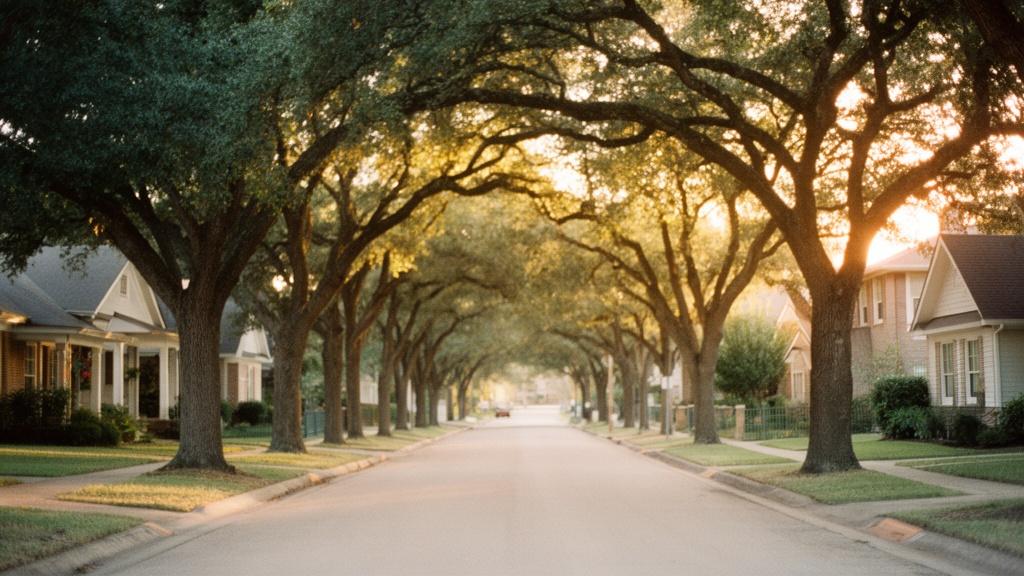
South Hill is one of Spokane's most geographically defined areas. The plateau rises sharply from the Spokane River valley, putting South Hill residents roughly 400 to 600 feet above downtown. That elevation gives the area longer sight lines, slightly cooler summer temperatures than the valley floor, and a noticeably different streetscape from neighborhoods like the Perry District or Browne's Addition.
Geography and Physical Character
The plateau itself runs roughly from 14th Avenue on the north edge down to about 57th Avenue near the city limits, and from Hatch Road on the west to Freya Street on the east. The terrain is mostly flat once you are on top, which is why South Hill developed with a consistent grid of residential streets rather than the curving, topography-driven layouts you find in some other Spokane hillside areas.
Basalt outcroppings appear in several backyards and public spaces throughout South Hill, a reminder that the plateau sits on top of ancient lava flows. Manito Park, one of Spokane's most visited green spaces, anchors the northern portion of the plateau at 29th Avenue and Grand Boulevard, and its rose garden, duck pond, and Japanese garden draw visitors from across the city year-round.
Housing Stock and Architecture
South Hill's housing inventory spans nearly a century of construction. Homes built in the 1910s through the 1940s dominate the northern stretches near Manito Park and Cannon Hill. These are predominantly craftsman bungalows, Tudor revivals, and colonial revivals, many with original hardwood floors, brick fireplaces, and mature tree canopies overhead. Lot sizes in those older blocks typically run 6,000 to 8,500 square feet.
Move further south toward Lincoln Heights and Southgate and the stock shifts to mid-century ranches and split-levels from the 1950s through the 1970s. Lot sizes grow slightly, often reaching 8,000 to 10,000 square feet, and garages become standard rather than the detached carriage-style structures common on older blocks. The southernmost portions of South Hill, near 44th through 57th Avenues, include newer subdivisions built from the 1990s through the 2010s with larger footprints and two-car attached garages.
2. South Hill Area Real Estate Prices Right Now
Prices on South Hill sit above the Spokane city-wide median but remain lower than comparable plateau neighborhoods in cities like Seattle or Portland. As of September 2026, the median sale price for single-family homes across South Hill runs approximately $415,000 to $445,000, depending on which pocket of the plateau you are tracking. That range reflects the broad inventory mix, from entry-level ranches near Southgate to fully renovated craftsmans near Manito.
Current Median Prices and Price Ranges
The price spread across South Hill is wide. On the lower end, 1,000 to 1,300 square foot mid-century ranches in Lincoln Heights or Southgate are currently listing in the $310,000 to $360,000 range, with condition and updates driving where a specific home lands. On the upper end, fully renovated craftsman homes near Cannon Hill or Manito Park with 2,000 to 2,800 square feet are trading in the $525,000 to $650,000 range. A small number of larger historic homes on oversized lots close to Grand Boulevard have sold above $700,000 in 2026.
Condominiums and townhomes represent a smaller share of South Hill inventory compared to downtown Spokane, but they do exist, particularly along major arterials like 29th Avenue and Regal Street. Those units are currently pricing between $225,000 and $320,000 depending on size and HOA structure.
How South Hill Compares Within the Spokane Market
The broader Spokane market has seen continued price pressure through 2026. According to Norada Real Estate's Spokane housing market forecast, Spokane has maintained positive year-over-year price appreciation through the first half of 2026, driven by limited inventory and sustained in-migration from higher-cost West Coast markets. South Hill tends to track slightly above the city-wide median, and that gap has held relatively consistent over the past two years.
Days on market for South Hill homes currently averages around 18 to 26 days, which is slightly longer than the 14 to 20 day pace seen during the peak activity of spring 2026. September tends to bring more measured buyer behavior, which can work in a buyer's favor when negotiating on homes that have been sitting for three or more weeks.
For a broader look at where Spokane home prices stand citywide and where they may be heading, the article on what Spokane home prices are doing and whether they are expected to go up or down provides useful context alongside this South Hill-specific data.
3. Neighborhoods Within South Hill: What to Know Before You Choose
South Hill is not a single uniform neighborhood. It contains several distinct pockets, each with its own price point, lot size norms, and architectural character. Understanding those differences helps buyers target their search and helps sellers price accurately.
Manito and Cannon Hill
The Manito and Cannon Hill areas occupy the northern edge of South Hill, roughly between 14th and 34th Avenues. These blocks contain some of Spokane's most architecturally detailed pre-war housing, with craftsman bungalows, Tudor revivals, and four-squares lining tree-canopied streets. Manito Park itself sits at the center of this pocket, and proximity to the park's 90 acres of formal gardens, walking paths, and the Gaiser Conservatory is a defining feature of homes on surrounding streets.
Cannon Hill Park, located near 27th Avenue and Assembly Street, adds a second green space anchor to this pocket. Homes within a few blocks of either park command a premium, and inventory in this subarea turns over slowly because owners tend to hold for longer periods. When homes do come to market here, they often attract multiple offers within the first week.
Lincoln Heights and Comstock
Lincoln Heights runs roughly from 29th to 44th Avenues along the Regal Street corridor and is one of the more active retail and residential pockets on South Hill. The Lincoln Heights Shopping Center at Regal and 29th has been a commercial anchor for decades, with a grocery store, pharmacy, and a rotating mix of local businesses. Housing in this area skews toward mid-century construction, with 1,100 to 1,600 square foot ranches and split-levels on lots that often include mature landscaping.
Comstock Park, a 30-acre green space near 29th Avenue and Bernard Street, includes a public pool, tennis courts, and open lawn areas. Homes adjacent to Comstock carry a slight price premium over comparable homes further from the park. The Comstock area also includes a number of larger lots, occasionally over 10,000 square feet, which is less common in the northern blocks of South Hill.
Southgate and South Perry Adjacent Pockets
The Southgate area, centered around 44th Avenue and Regal, offers some of the most accessible price points on South Hill. Homes here are predominantly 1950s through 1970s ranches, many with original kitchens and bathrooms that buyers with renovation budgets find appealing. The Southgate Shopping Center provides everyday retail within walking distance for residents in this pocket.
On the eastern edge of South Hill, pockets adjacent to the Perry District sit near 29th Avenue and Perry Street. These blocks share some of the walkable, small-business energy of the Perry District proper, with coffee shops, a co-op grocery, and independent restaurants within a short walk. Homes in this transition zone between South Hill and Perry can be priced competitively relative to the Manito area while still offering proximity to the Perry commercial strip.
Hatch and Latah Valley on the Western Edge
The western edge of South Hill, near Hatch Road and dropping toward Latah Valley, is a transitional zone where the plateau gives way to steeper terrain. Homes here are more spread out, lots tend to be larger, and the character shifts toward a semi-rural feel in some pockets. Latah Valley itself sits below the plateau and is technically a separate neighborhood, but buyers priced out of central South Hill sometimes look here as an alternative given its proximity to South Hill amenities and its own distinct inventory of newer construction homes.
4. Commute Times, Amenities, and Day-to-Day Life on South Hill
South Hill's location on the plateau shapes how residents move around the city. The drive down the hill to downtown Spokane is one of the most consistent commute patterns in the metro, and understanding it helps buyers calibrate whether South Hill fits their daily routine.
Getting Around from South Hill
The drive from central South Hill, near 29th and Regal, to downtown Spokane takes roughly 10 to 15 minutes under normal traffic conditions. The main arterials heading north off the plateau are Regal Street, Grand Boulevard, and Bernard Street, all of which connect to the downtown grid within a few minutes of leaving the plateau. Morning commute times can stretch to 20 minutes during peak hours, particularly on Regal Street near the Lincoln Heights commercial area.
Spokane Valley, the eastern suburb, is accessible from South Hill via 57th Avenue connecting to Sullivan Road, or via 29th Avenue heading east. That drive runs about 20 to 30 minutes depending on origin point and destination within the Valley. Providence Health and Services, one of the region's largest employers, operates facilities both downtown and on the South Hill itself near 8th Avenue, which reduces commute distance for healthcare workers in particular.
Spokane Transit Authority routes serve South Hill, with several lines running along Regal, Grand, and 29th Avenue. Bike infrastructure has expanded on South Hill over the past several years, with protected lanes on portions of 29th Avenue connecting the plateau to the broader Spokane trail network.
Parks, Green Space, and Retail
South Hill has more named parks per square mile than most Spokane neighborhoods. Manito Park, Cannon Hill Park, Comstock Park, and High Drive Bluff Park collectively provide hundreds of acres of public green space across the plateau. High Drive, which runs along the western bluff edge, offers some of the most dramatic views in the city, looking west over the Latah Creek canyon and toward the rolling hills of the Palouse.
For everyday retail, South Hill residents have several grocery options without leaving the plateau, including stores at Lincoln Heights and Southgate. The 29th Avenue corridor between Regal and Grand carries a mix of local restaurants, coffee shops, and service businesses. The South Hill Mall, located near 57th and Regal, anchors the southern end of the plateau with national retailers and a movie theater.
5. Timing the South Hill Market: When to Buy or Sell
Timing matters in any real estate market, and South Hill follows Spokane's broader seasonal rhythms while adding its own neighborhood-level dynamics. Knowing those patterns helps both buyers and sellers make better decisions about when to act.
Seasonal Patterns on South Hill
South Hill's peak listing season runs from late March through late June, when longer days, blooming Manito Park gardens, and school-year timing drive the highest buyer activity. Homes listed during this window typically sell faster and closer to asking price than those listed in fall or winter. The summer months of July and August see continued activity but with a slight softening as some buyers pause during vacation season.
Fall, from September through November, brings a second wave of motivated buyers who did not find a home during the spring rush. This group tends to be serious and less likely to make lowball offers, but overall competition is lower than spring. Winter listings, from December through February, face the smallest buyer pool but also the least seller competition, which can work in a seller's favor if inventory in their price range is thin.
What September 2026 Conditions Mean for You
Right now in September 2026, South Hill sits in a transitional moment. Spring and summer activity has wound down, days on market are ticking up slightly, and some sellers who listed in August are beginning to consider price adjustments. Washington state has seen inventory shifts across the broader market, with HousingWire reporting a 13% inventory drop statewide alongside rising price cuts on homes that were overpriced at listing. South Hill reflects that pattern: well-priced homes are still moving, but overpriced listings are sitting longer than they did in spring.
For buyers, September on South Hill offers a real opportunity. Homes that have been on the market for 25 or more days are increasingly negotiable, and seller concessions on closing costs or inspection repairs are more common now than they were in April or May. Buyers who were outcompeted during the spring rush may find the same homes they lost bidding wars on now available at more reasonable terms.
For sellers, the window to list before the holiday slowdown is roughly six to eight weeks from now. Homes listed in late September or early October can still close before Thanksgiving if priced correctly from day one. Sellers who wait until November face a smaller buyer pool and the psychological headwinds of holiday season inventory fatigue.
If you are weighing whether to act now or hold off, the article on whether to sell your Spokane home this year or wait until next spring breaks down that decision in more detail with Spokane-specific data.
Buyers who want a full walkthrough of the purchase process, from pre-approval through closing, can find that detail in the guide to buying a home in Spokane: process, costs, and timeline.
FAQ
What is the typical price range for homes on South Hill in Spokane right now?
As of September 2026, single-family homes on South Hill span a wide range depending on location and condition. Entry-level mid-century ranches in Lincoln Heights and Southgate are currently listing in the $310,000 to $360,000 range, while renovated craftsman homes near Manito Park and Cannon Hill are trading between $525,000 and $650,000. A small number of larger historic homes on oversized lots near Grand Boulevard have sold above $700,000 this year. The overall median for South Hill single-family homes sits roughly between $415,000 and $445,000 across the plateau.
How long does it take to sell a home on South Hill in Spokane?
Days on market for South Hill homes currently averages around 18 to 26 days in September 2026, which is slightly longer than the 14 to 20 day pace seen during the peak spring activity earlier this year. Well-priced homes in desirable pockets near Manito Park or Cannon Hill can still attract offers within the first week. Homes that are overpriced relative to comparable sales are sitting longer, with some accumulating 30 to 45 days on market before sellers make price adjustments. Accurate pricing from day one is the single biggest factor in reducing time on market on South Hill.
Is South Hill in Spokane a good area to look for homes as a buyer relocating from out of state?
South Hill is one of the most geographically distinct and varied areas in Spokane, which makes it worth understanding thoroughly before committing to a search there. The plateau offers a wide range of housing types, from historic craftsman homes near Manito Park to newer construction near 57th Avenue, at price points that remain significantly lower than comparable neighborhoods in Seattle, Portland, or the Bay Area. Commute times to downtown Spokane run 10 to 15 minutes under normal conditions, and the plateau has multiple grocery options, parks, and retail without requiring a trip downtown. Buyers relocating from out of state should research school assignments directly through Spokane Public Schools and review any other personal criteria through objective third-party sources before narrowing their search to a specific pocket of South Hill.