
← Back to Blog
Market Trends
Spokane Washington Real Estate Market Guide: Prices, Neighborhoods, Timing
By April Moore, Real Estate Broker
Mackay Team Exp Powered · DRE# 137976
September 1, 2026 · 10 min read
This Spokane, Washington real estate market guide covers everything you need to make a confident decision right now: where prices stand in September 2026, what the housing stock looks like across the city's distinct neighborhoods, how inventory is shifting, and what timing factors actually move the needle for buyers and sellers. Whether you are relocating from out of state, upsizing within Spokane, or preparing to list, the details below reflect the market as it stands today.
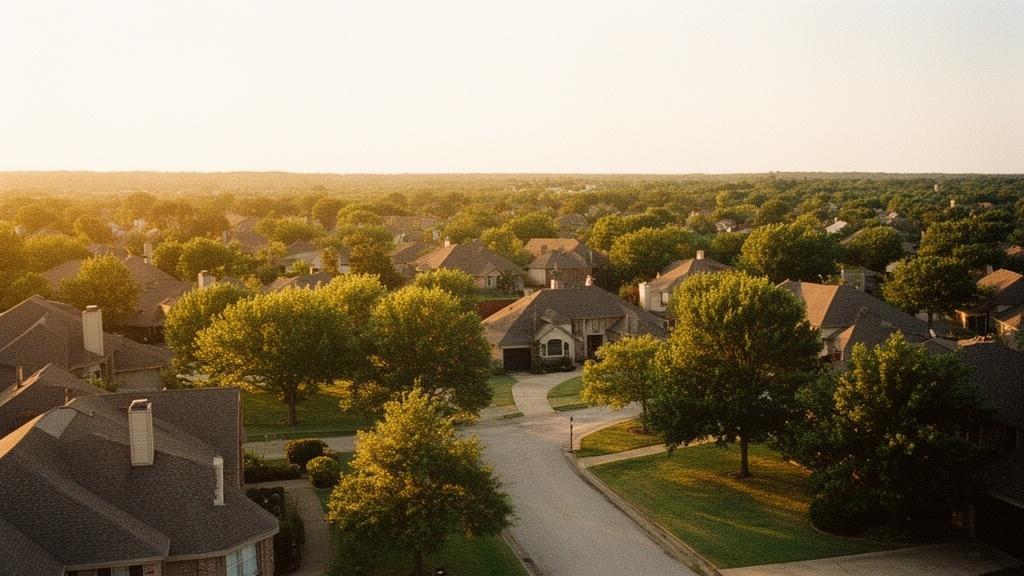
1. Where Spokane Home Prices Stand Right Now
Spokane's median home price sits at approximately $335,000 in September 2026. That figure has held relatively steady compared to the peak activity of late 2024 and early 2025, though it remains well above the pre-pandemic baseline of around $220,000 in 2019. Price growth has moderated, but Spokane has not seen the sharp corrections that hit some larger coastal markets.
Median Price and Price-Per-Square-Foot
The median price per square foot across Spokane proper is running close to $195 to $210 in September 2026, depending on the neighborhood and property condition. Entry-level single-family homes, typically 1,000 to 1,400 square feet on a standard city lot, are concentrated in the $260,000 to $310,000 range. Move-up homes with three or four bedrooms and a finished basement start around $340,000 and can push past $475,000 depending on updates and location.
Condominiums and townhomes, a smaller slice of Spokane's inventory, generally trade between $195,000 and $290,000. New construction in planned communities on the city's edges carries a premium, often landing between $400,000 and $550,000 for a standard three-bedroom layout with modern finishes.
How Spokane Compares Within Washington State
Spokane remains one of the more attainable entry points in Washington. Seattle's median price hovers near $850,000, and even Tacoma and Bellingham have climbed above $500,000. That gap continues to draw relocating buyers from the west side of the Cascades, particularly remote workers who no longer need to commute to a Puget Sound office daily.
The National Association of Realtors identified Spokane as one of the western markets with expanding opportunity in 2026. You can read their full analysis in the NAR Housing Hot Spots report, which highlights Spokane's relative affordability and population inflow as key drivers.
2. Spokane's Neighborhoods: Housing Stock and Price Ranges
Spokane's neighborhoods each carry a distinct character in terms of architecture, lot size, and price point. Understanding the physical differences between areas helps buyers narrow their search and helps sellers understand where their home sits in the broader market.
South Hill
South Hill stretches south from downtown toward the Palouse and includes some of Spokane's oldest and most architecturally varied housing stock. Craftsman bungalows from the 1920s sit alongside mid-century ranches and newer infill construction. Lot sizes tend to be generous by city standards, many running 7,000 to 10,000 square feet. Prices on South Hill range broadly, from around $310,000 for a modest older home needing updates to well over $600,000 for a fully renovated four-bedroom on a corner lot with views toward the Spokane River valley.
The area sits within a 10 to 15 minute drive of downtown Spokane and Providence Sacred Heart Medical Center, one of the region's largest employers. Manito Park, a 90-acre public park with formal gardens, a duck pond, and a conservatory, anchors the neighborhood's green space.
Spokane Valley
Spokane Valley is a separate city east of Spokane proper, though buyers and sellers treat it as part of the same metro market. The housing stock here skews toward post-1960 ranch homes, split-levels, and newer subdivisions built through the 2010s. Lot sizes are typically 6,000 to 9,000 square feet. Median prices in Spokane Valley run close to $315,000 to $330,000 in September 2026, slightly below Spokane proper, though newer construction pockets near Sullivan Road push higher.
Spokane Valley offers quick access to Interstate 90 and is roughly 20 minutes from downtown Spokane by car. Mirabeau Point Park and the Centennial Trail, which runs along the Spokane River for over 40 miles, are two of the area's most-used outdoor amenities.
North Spokane and the Five Mile Area
North Spokane covers a large swath of the city above the downtown core, with the Five Mile Prairie plateau sitting at its northern edge. Homes in the lower North Spokane corridor, closer to Francis Avenue, are often post-war construction from the 1940s through 1970s, priced in the $270,000 to $360,000 range. The Five Mile Prairie area features newer construction from the 1990s onward, with larger lots and views toward the Little Spokane River Natural Area. Prices there typically run $380,000 to $520,000.
The Little Spokane River Natural Area offers miles of hiking and paddling just minutes from residential streets, which is a physical feature that sets this part of the city apart. Commute times to downtown from Five Mile run about 20 to 25 minutes without traffic.
West Central and Browne's Addition
Browne's Addition is one of Spokane's oldest residential neighborhoods, platted in the late 1800s and filled with Victorian-era homes, Queen Anne architecture, and early 20th-century apartment buildings. Single-family homes here range from $280,000 for a smaller Victorian needing work to $475,000 or more for a fully restored historic property. The neighborhood sits less than a mile west of downtown and is walkable to Riverfront Park and the Spokane Convention Center.
West Central, just north of Browne's Addition, has seen steady reinvestment in recent years. Older bungalows and cottages on smaller lots are priced in the $240,000 to $320,000 range, making it one of the more accessible price points close to downtown.
Airway Heights and the West Plains
Airway Heights sits about 10 miles west of downtown Spokane along US-2, adjacent to Fairchild Air Force Base and the Spokane International Airport. The housing stock is a mix of older single-wides and manufactured homes, 1980s and 1990s construction, and newer subdivisions that have expanded as the West Plains has grown. Prices range from $220,000 on the low end to around $380,000 for newer builds. The area has seen significant commercial and residential development tied to the expansion of the local logistics and aerospace sectors.
3. Inventory, Days on Market, and What They Mean for You
Inventory levels and how long homes sit on the market are the two most reliable signals of whether conditions favor buyers or sellers at any given moment. In Spokane right now, both metrics are telling a nuanced story.
Current Inventory Levels
Active listings in the Spokane metro have increased modestly compared to 2024, but supply is still below what would be considered a balanced market. A balanced market typically carries four to six months of supply. Spokane is running closer to two and a half to three months as of September 2026. That means sellers still hold some leverage, though the frenzied multiple-offer environment of 2021 and 2022 has largely passed.
Washington state as a whole has been dealing with tightening inventory. A recent HousingWire analysis of the Washington housing market noted a 13% drop in available inventory statewide alongside rising price cuts on overpriced listings, a combination that reflects a market in transition rather than one moving cleanly in either direction.
In practical terms, well-priced Spokane homes in the $290,000 to $400,000 range are still moving in under 20 days. Homes priced above $500,000 are sitting longer, sometimes 45 to 60 days, as that segment has fewer active buyers and more sensitivity to mortgage rate fluctuations.
Days on Market and List-to-Sale Ratios
The median days on market across Spokane County is running around 22 to 28 days in September 2026. That is up from the single-digit figures seen during the peak of 2021, but it is not a buyer's market by historical standards either. List-to-sale price ratios are hovering close to 98%, meaning most sellers are getting very close to their asking price when the home is priced correctly from the start.
Homes that sit past 45 days are typically seeing price reductions averaging 3% to 5%. This is a useful benchmark for buyers who are watching a listing and wondering whether to wait or move. For sellers, it underscores that pricing strategy on day one matters more than any other single decision. You can read more about current Spokane price trends in the dedicated article on what home prices are doing in Spokane and where they are headed.
4. Timing the Spokane Market: Seasonal Patterns and 2026 Conditions
Spokane follows a seasonal real estate rhythm that is more pronounced than in milder climates, and 2026 has layered in some additional timing considerations worth understanding. Getting the timing right can meaningfully affect both the price you pay as a buyer and the net proceeds you walk away with as a seller.
Seasonal Buying and Selling Windows
Spokane's peak listing season runs from late March through the end of June. That window brings the most inventory and the most competition. Buyers who enter the market in April or May face more competing offers but also more choices. Sellers who list in that window typically see faster sales and stronger offers.
July and August historically slow down as Spokane summers draw residents outdoors and some buyers pause for vacations. September and October often bring a secondary wave of motivated buyers who missed the spring window and need to close before the holiday season. Inventory thins in fall, which can work in a seller's favor if they price correctly. The winter months from November through February see the fewest listings and the fewest buyers, though transactions do happen and buyers in that window often face less competition.
If you are weighing whether to list now or wait until spring, the article on whether to sell your Spokane home this year or hold off until next spring walks through that decision in detail.
The Wildfire Factor in Late Summer 2026
August 2026 brought significant wildfire activity to the Spokane region, which has created additional complexity for buyers and sellers in certain areas. Some properties in affected corridors are dealing with insurance complications, appraisal delays, and lender scrutiny around fire risk. Buyers evaluating homes in areas with recent fire history should ask specifically about insurance availability and cost before making an offer, as premiums and coverage terms have shifted in response to recent events.
The broader Spokane market has not seen a significant price correction from wildfire activity, but the disruption has pushed some listings back and created short-term uncertainty in pockets of the metro. Inman reported in August 2026 that Spokane-area agents were actively working with displaced residents and rebuilding clients, which adds a layer of demand in certain price ranges as people seek replacement housing.
5. What Buyers and Sellers Should Do Next in Spokane
Understanding the Spokane, Washington real estate market guide in the abstract is useful, but the decisions you face are specific to your situation, your timeline, and the particular neighborhoods you are considering. Here is how to translate the market picture above into concrete next steps.
Advice for Buyers
Get pre-approved before you start touring homes seriously. In a market where well-priced homes in the $290,000 to $400,000 range are moving in under three weeks, showing up without financing lined up means you will lose properties while you scramble. A pre-approval letter also gives you a clearer picture of what you can realistically afford across Spokane's different neighborhoods.
Be specific about which areas you are willing to consider and why. Spokane Valley, North Spokane, and South Hill all have meaningfully different commute profiles, housing stock ages, and price points. Narrowing your focus helps you move faster when the right property appears. Research school information directly through the Washington Office of Superintendent of Public Instruction, and review any neighborhood-specific data you care about through the relevant municipal or county sources, since those are personal decisions that require your own due diligence.
For a deeper look at what buyers specifically need to know right now, see the 2026 buyer's guide to homes for sale in Spokane.
Advice for Sellers
Pricing is the single most important decision you will make as a seller in the current Spokane market. With list-to-sale ratios near 98% for correctly priced homes but price reductions averaging 3% to 5% for overpriced ones, the cost of starting too high is measurable and real. A comparative market analysis that looks at actual closed sales within the past 60 to 90 days in your specific neighborhood is the foundation of a sound pricing strategy.
Presentation matters more than it did during the peak seller's market. Buyers have more time to evaluate listings now, which means professional photography, a clean and decluttered interior, and any deferred maintenance addressed before listing are worth the investment. Homes that show well tend to close faster and with fewer concession requests during the inspection phase.
Sellers who want to understand how to evaluate and choose the right agent for this market can start with the article on what to look for when choosing a Realtor in Spokane to sell your home.
FAQ
What is the median home price in Spokane, Washington right now?
As of September 2026, the median home price in Spokane is approximately $335,000, with a price per square foot running between $195 and $210 depending on neighborhood and condition. Entry-level homes start around $260,000, while updated four-bedroom properties on South Hill or Five Mile Prairie can exceed $500,000. Spokane Valley runs slightly below the city median, closer to $315,000 to $330,000. New construction in planned communities on the city's edges typically starts around $400,000 and can exceed $550,000 for larger layouts.
Is Spokane currently a buyer's market or a seller's market?
Spokane is operating in a lightly seller-favored market as of September 2026, with roughly two and a half to three months of supply compared to the four to six months that would indicate balance. Well-priced homes in the $290,000 to $400,000 range are still selling in under three weeks, and list-to-sale ratios are near 98%. However, the upper price ranges above $500,000 are sitting longer, sometimes 45 to 60 days, giving buyers more negotiating room in that segment. The frenzied multiple-offer conditions of 2021 and 2022 have not returned, so buyers have more time to evaluate than they did during the peak.
What neighborhoods in Spokane have the most affordable housing?
West Central and parts of lower North Spokane offer some of the most accessible price points close to the city core, with homes in the $240,000 to $320,000 range. Airway Heights on the West Plains also carries a lower median, starting around $220,000, though it is about 10 miles from downtown. Spokane Valley provides a broad inventory of post-1960 homes in the $315,000 to $330,000 range with good access to Interstate 90. Each of these areas has a distinct housing stock, commute profile, and set of amenities, so the right choice depends on your specific priorities rather than price alone. Researching each area's characteristics directly, including school information through the Washington Office of Superintendent of Public Instruction and any other data points that matter to you, is an important part of the process.