← Back to Blog
Market Trends
Brownsville, Texas Is Known for Its Real Estate Market: A Complete Guide to Prices, Neighborhoods, and Timing
By Ariadna Bochas
Imperio Real Estate
September 22, 2026 · 11 min read
Brownsville, Texas is known for one of the most affordable real estate markets in the entire state, with median home prices well below the Texas average and a housing stock that spans everything from compact starter homes near downtown to newer construction subdivisions pushing north toward Highway 77. Whether you are buying your first home, relocating from another part of Texas, or selling a property you have owned for years, understanding how this market actually works, including where prices stand right now, what each part of the city offers, and when to move, is the foundation for making a smart decision.
1. What Brownsville's Real Estate Market Looks Like Right Now
Brownsville's housing market in September 2026 is defined by relative affordability and measured activity. Median home prices in the Brownsville metro area are running in the low-to-mid $180,000s, a figure that has held relatively steady over the past twelve months after a period of gradual appreciation that followed the post-pandemic surge. That price point is significantly below the Texas statewide median, which has been hovering above $300,000 for most of 2026, and it continues to attract buyers who have been priced out of larger metros like San Antonio, Austin, or the Dallas-Fort Worth area.
Where Prices Stand in September 2026
Entry-level homes in Brownsville, typically two- or three-bedroom properties built between the 1970s and 1990s, are generally listed in the $130,000 to $165,000 range. Mid-range properties, which include newer builds in established subdivisions and larger homes with updated interiors, sit mostly in the $175,000 to $240,000 range. Homes above $280,000 represent the upper tier of the local market and are usually newer construction in the northern sections of the city or properties with larger lots and recent renovations closer to the river corridor.
Days on market for the average Brownsville listing currently runs between 50 and 75 days, which reflects a market that is neither in a frenzied seller's market nor a deep buyer's market. Sellers who price accurately from the start are still moving homes within 30 to 45 days, while overpriced listings are sitting longer and often requiring one or two price reductions before going under contract.
How Brownsville Compares to the Broader Texas Market
The Texas Real Estate Research Center at Texas A&M University has tracked Brownsville closely as a distinct metro area. A September 2025 Texas Housing Insight report focused on Brownsville noted the city's persistent wage gap relative to other Texas metros and the effect that has on purchasing power and price ceilings. That context matters for buyers and sellers alike: demand here is driven by local buyers, not by large waves of out-of-state investors, which keeps price swings more moderate than what you see in the Triangle cities.
The TRERC's broader winter 2026 housing analysis also confirms that South Texas markets including Brownsville have seen inventory levels recover from the historic lows of 2021 and 2022, giving buyers meaningfully more options today than they had three or four years ago. More inventory means less pressure to waive contingencies, and buyers are increasingly able to negotiate on price, closing costs, and repairs.
For a deeper look at how these numbers shift month to month, the Brownsville Housing Activity Data portal at TRERC publishes monthly updates on listings, sales volume, and median prices that any buyer or seller can access directly.
2. A Practical Look at Brownsville's Key Neighborhoods
Brownsville's neighborhoods vary considerably in age, price range, lot size, and proximity to major employers and amenities. Understanding what each part of the city actually contains, physically and structurally, helps buyers narrow their search and helps sellers position their listing correctly against comparable properties. This is a city of roughly 185,000 people spread across a wide footprint, so location within Brownsville matters more than many buyers initially expect.
Central and Downtown Brownsville
The central and downtown areas of Brownsville contain the city's oldest housing stock, with many homes dating from the 1930s through the 1960s. Lot sizes here tend to be smaller, streets are laid out in a traditional grid, and architectural styles range from modest wood-frame bungalows to brick ranch homes. The area sits close to the University of Texas Rio Grande Valley Brownsville campus, the Historic Brownsville Museum, and the Gladys Porter Zoo, which is a 26-acre facility that draws visitors from across the Rio Grande Valley.
Price points in this central zone tend to run lower than the city average, with many homes listed in the $110,000 to $160,000 range. Properties here often need cosmetic updating, but they offer walkability to downtown amenities and short drives to the international bridges. For a detailed breakdown of the Fort Brown corridor specifically, which anchors the eastern edge of downtown near the historic fort site, the Fort Brown area real estate guide covers that sub-market in depth.
North Brownsville and the Highway 77 Corridor
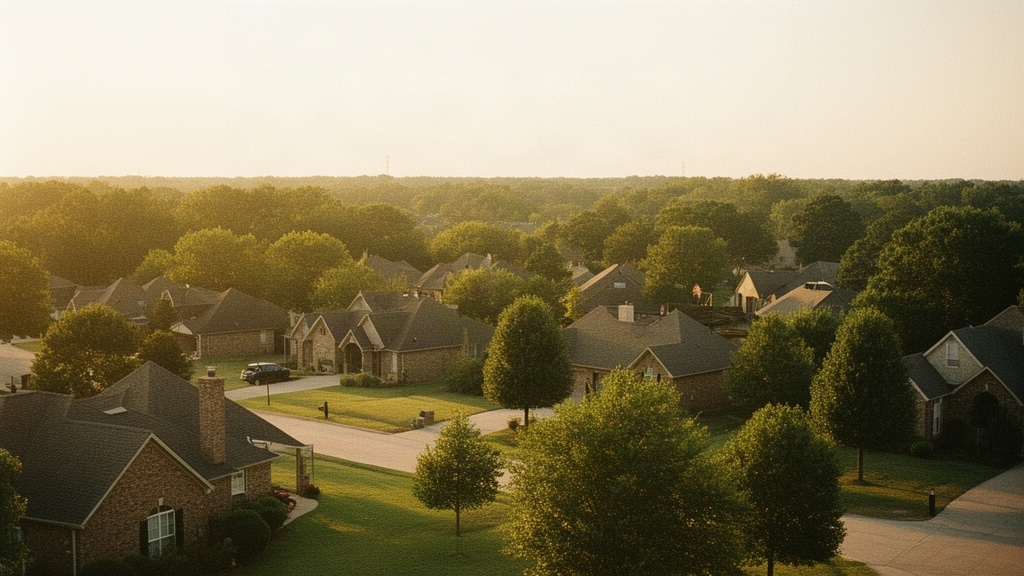
North Brownsville is where most of the city's newer residential development has concentrated over the past two decades. Subdivisions along and near Highway 77 feature homes built primarily from the late 1990s through the present, with larger floor plans, two-car garages, and HOA-managed communities with amenities like community pools and landscaped entrances. Lot sizes are typically a quarter acre or slightly under.
Prices in north Brownsville generally start around $185,000 for a three-bedroom home built in the early 2000s and can reach $280,000 or more for a newer four-bedroom home with updated finishes. The Highway 77 corridor also provides direct access to Harlingen to the north, which is a common employment destination. If you work in Harlingen and are considering buying in north Brownsville, the commute guide between the two cities is worth reviewing before you commit to a specific neighborhood.
South Brownsville and the Boca Chica Area
South Brownsville extends toward the Gulf Coast and the Boca Chica corridor, an area that has drawn significant attention since SpaceX established its Starbase launch facility near the coast. The area east of the city along Highway 4 toward Boca Chica Beach is largely undeveloped residential land, with a mix of rural properties and a small number of homes in the unincorporated areas near the launch site.
Within the incorporated southern sections of Brownsville proper, housing tends toward older ranch-style homes and smaller subdivisions with lower price points, often in the $130,000 to $170,000 range. The South Padre Island Boulevard corridor runs through this part of the city and connects to the causeway leading to South Padre Island, making it a practical route for anyone who works on the island or values weekend beach access.
West Brownsville and the Palm Boulevard Zone
West Brownsville contains a mix of mid-century and late-twentieth-century homes, with Palm Boulevard serving as one of the main commercial and residential arteries. This part of the city sits close to the Brownsville/South Padre Island International Airport and several large retail corridors, including the area around Sunrise Mall and the commercial stretch along Expressway 83.
Homes in west Brownsville are typically three-bedroom, two-bath properties on modest lots, with prices ranging from the mid-$140,000s to around $210,000 depending on condition and lot size. The proximity to the airport makes this area practical for buyers who travel frequently for work.
3. Understanding the Housing Stock in Brownsville
Brownsville's housing inventory is split between older established homes and a steady pipeline of new construction that has continued even as the broader Texas market cooled. Knowing what each type of home typically involves in terms of condition, maintenance, and cost helps buyers set realistic expectations before they start touring.
Older Homes and Established Streets
Homes built before 1990 in Brownsville are frequently constructed with concrete block or brick, which holds up well in the humid South Texas climate but can require specific types of inspections, particularly around moisture intrusion and roof condition. Many of these properties have been updated over the decades, but buyers should budget for potential HVAC replacements, plumbing updates, and electrical panel upgrades in homes from the 1960s and 1970s.
Lot sizes in older neighborhoods are often larger relative to price, which appeals to buyers who want outdoor space or room to expand. A home on a 7,000-square-foot lot in central Brownsville might list for $145,000, while a comparable lot size in a newer north Brownsville subdivision would carry a $200,000 price tag simply due to the newer construction.
New Construction and Active Subdivisions
New construction in Brownsville is concentrated primarily in the northern and northwestern sections of the city, where builders have been active in communities that offer modern floor plans, energy-efficient windows and HVAC systems, and builder warranties. Base prices for new builds typically start around $210,000 for a three-bedroom home and climb to $300,000 or above for four-bedroom homes with upgraded finishes.
One important note for buyers considering new construction: builder contracts are not the same as standard resale contracts, and having an independent buyer's agent review the terms before you sign protects your interests. Builders have their own sales representatives who work for the builder, not for you. Understanding this distinction before you walk into a model home can save you thousands of dollars.
4. Timing the Brownsville Market as a Buyer or Seller
Timing in Brownsville's market follows patterns that differ somewhat from larger Texas metros, largely because the local economy and buyer pool are more insulated from statewide seasonal swings. That said, there are still meaningful timing considerations that affect both how long a home sits on the market and what price a seller can realistically achieve.
When Buyer Demand Peaks
Buyer activity in Brownsville tends to increase from late February through May, driven partly by the academic calendar at UT Rio Grande Valley and partly by the general Texas pattern of spring home shopping. Families who want to move before the start of the next school year typically begin their search in March and aim to close by June or July. This window, roughly March through June, represents the most competitive period for buyers, with more multiple-offer situations and faster-moving listings.
The summer months of July and August see a slowdown as the South Texas heat peaks and families settle into their new homes. September, which is where the market sits right now in 2026, is a transitional month: inventory remains available, competition has eased from the spring highs, and buyers who are still active tend to be serious and motivated rather than casually browsing. That combination can work in a buyer's favor.
What Sellers Should Know About Listing Windows
For sellers, listing in late February or March gives a property the best exposure during the peak demand window. Homes that come to market in January or early February often sit until the spring buyers arrive, while homes listed in April or May can catch the tail end of the active season. Sellers who list in the fall or winter tend to face a smaller buyer pool, though the buyers who are searching in October through January are typically highly motivated, often due to job relocations or life changes.
Pricing strategy matters more in Brownsville than timing alone. A well-priced home listed in October will outperform an overpriced home listed in April. The full guide to selling a home in Brownsville covers the pricing and preparation process in detail, including what buyers are looking for at each price point and how to position your home against competing listings.
5. Key Costs and Practical Considerations Before You Commit
The purchase price of a home in Brownsville is only one part of what you will actually spend. Property taxes, homeowners insurance, flood zone considerations, and HOA fees can add meaningfully to your monthly housing cost, and buyers who focus only on the sale price often find themselves surprised at closing and beyond.
Property Taxes, Insurance, and Flood Zone Exposure
Cameron County property tax rates, which govern most of Brownsville, run approximately 2.3% to 2.6% of assessed value depending on the specific taxing entities that apply to a given property. On a $185,000 home, that works out to roughly $4,250 to $4,800 per year in property taxes, or around $355 to $400 per month when factored into a mortgage payment.
Flood zone designation is a critical variable in Brownsville. Parts of the city sit in FEMA-designated flood zones, and homes in those zones require separate flood insurance policies in addition to standard homeowners insurance. Flood insurance premiums can range from a few hundred dollars per year to over $2,000 annually depending on the zone designation and the home's elevation. The complete breakdown of Brownsville flood zones and insurance costs explains how to check a specific property's zone status and what to expect in terms of premium ranges.
Commute Context and Regional Connectivity
Brownsville sits at the southern tip of the Rio Grande Valley, roughly 25 miles south of Harlingen and about 60 miles southeast of McAllen. Both cities are significant employment centers, and many Brownsville residents commute north on US-77 or US-83 for work. The drive from central Brownsville to downtown Harlingen typically takes 30 to 40 minutes under normal traffic conditions, though construction and school-zone congestion along the corridor can add time during peak hours.
Buyers who are relocating from outside the Valley should also account for the fact that Brownsville has limited public transit options, making car ownership essentially mandatory for most daily routines. The Brownsville/South Padre Island International Airport offers regional connections, but most travel to major Texas cities requires a connection through Houston or Dallas. These logistical realities factor into how buyers weigh location within the city against commute time and access to services.
If you are buying for the first time in Brownsville and want a step-by-step walkthrough of the entire process from pre-approval through closing, the first-time home buyer guide for Brownsville covers every stage with local-specific detail including typical closing costs, down payment assistance programs available in Cameron County, and what to expect during the inspection period.
FAQ
What is the median home price in Brownsville, Texas right now?
As of September 2026, the median home price in Brownsville is in the low-to-mid $180,000s, which puts it well below the Texas statewide median of over $300,000. Entry-level homes in older central neighborhoods list from around $130,000, while newer construction in north Brownsville can reach $280,000 or more. Prices have been relatively stable over the past year after a period of gradual appreciation. The Texas Real Estate Research Center at Texas A&M University publishes monthly Brownsville housing data that tracks these figures in real time.
Is it a good time to buy a home in Brownsville, Texas in 2026?
September 2026 offers buyers a more balanced market than the competitive conditions of 2021 and 2022. Inventory has recovered, days on market have lengthened, and sellers are more willing to negotiate on price and closing costs than they were a few years ago. Interest rates remain a factor in affordability, but Brownsville's lower price points mean monthly payments are still manageable compared to other Texas markets. Buyers who are pre-approved and ready to move are finding more options and less pressure than they would have faced in prior years.
Which part of Brownsville has the newest homes?
The newest residential construction in Brownsville is concentrated in the northern sections of the city, particularly in subdivisions along and near the Highway 77 corridor. Builders have been active in this area through 2025 and into 2026, with communities offering three- and four-bedroom homes starting around $210,000. These newer subdivisions typically include HOA management, community amenities, and builder warranties, which can reduce maintenance concerns in the early years of ownership. The area also provides direct highway access north toward Harlingen for buyers who commute.