← Back to Blog
Buying
Investment Property Guide for Brownsville, Texas: What Every Investor Needs to Know
By Ariadna Bochas
Imperio Real Estate
September 22, 2026 · 11 min read
This investment property guide for Brownsville, Texas breaks down what the local market actually looks like for investors right now, from entry-level price points and rental demand to the types of properties available and the costs that affect your bottom line. Brownsville sits at the southern tip of Texas along the Rio Grande, and its combination of relatively low acquisition costs, a growing population, and ongoing infrastructure investment makes it a market worth understanding in detail before you commit capital.
1. Why Brownsville Draws Real Estate Investors Right Now
Brownsville offers investors entry-level acquisition costs that are rare in Texas. While markets like Austin, Dallas, and San Antonio have seen median prices climb well past $350,000, Brownsville's median home price in September 2026 remains significantly more accessible, giving investors a lower barrier to entry and more room to generate positive cash flow from day one. For a fuller picture of where prices stand right now, the Brownsville, Texas Real Estate Market Guide on this site covers current pricing and market timing in detail.
Population Growth and Economic Drivers
Brownsville is the largest city in Cameron County and one of the larger cities along the Texas-Mexico border, with a population of roughly 185,000 to 190,000 people as of 2026. The city is home to the University of Texas Rio Grande Valley's Brownsville campus, a regional medical center anchored by Valley Baptist Medical Center, and a manufacturing and international trade economy tied closely to Matamoros, Mexico, directly across the Rio Grande. These employment anchors create consistent rental demand from workers, students, and healthcare professionals who need housing in the area.
The Port of Brownsville is one of the southernmost deepwater ports in the United States and continues to attract industrial and logistics tenants. That industrial activity supports a workforce that needs rental housing, particularly in the south and east parts of the city closer to the port corridor. Investors who understand which parts of Brownsville sit near these employment nodes can position properties to minimize vacancy.
The SpaceX Effect on Demand
SpaceX's Starbase facility at Boca Chica, located roughly 20 miles east of downtown Brownsville, has brought a wave of engineers, technicians, and contractors to the region. Many of these workers rent rather than buy, particularly those on shorter project rotations. This has added a layer of rental demand that did not exist in the Brownsville market five years ago. The ripple effect reaches neighborhoods throughout the city, not just the areas closest to Boca Chica. For more on how that development is reshaping the local real estate landscape, the article on living in Boca Chica and the SpaceX Starbase area covers the specifics.
2. What Investment Properties in Brownsville Actually Cost
Brownsville's acquisition costs are among the lowest of any Texas metro, which is central to this investment property guide. Lower purchase prices mean smaller down payments, lower loan balances, and more favorable debt service ratios, all of which make cash flow easier to achieve than in higher-cost Texas markets.
Single-Family Homes
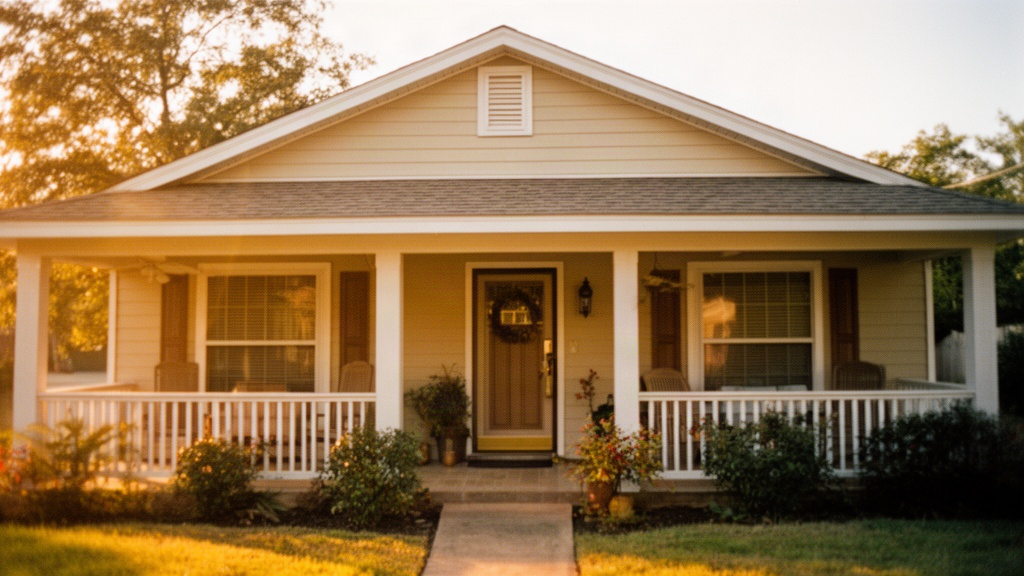
In September 2026, entry-level single-family homes in Brownsville start around $130,000 to $160,000 for older 1960s and 1970s construction in the central and near-south parts of the city. Mid-range homes in subdivisions built from the 1990s onward, particularly in north Brownsville near Highway 77 and the areas around Boca Chica Boulevard, typically list between $185,000 and $260,000. Newer construction in master-planned communities on the north and northwest edges of the city can reach $280,000 to $340,000. Investors targeting the lower end of this range have more room to generate monthly cash flow, while those buying newer construction are often betting on appreciation over a longer hold period.
Duplexes and Small Multifamily
True duplex and small multifamily inventory in Brownsville is limited but does exist, particularly in the older central neighborhoods near downtown and the Fort Brown area. When they appear on the market, duplexes in Brownsville tend to price between $180,000 and $280,000 depending on condition and location. The appeal is obvious: two rental income streams from a single acquisition, which helps offset carrying costs and vacancy risk. The Fort Brown area market guide has more detail on that corridor, which includes some of the older housing stock most relevant to multifamily investors.
Price Per Square Foot Context
Brownsville's price per square foot currently runs roughly $90 to $130 for most resale homes, depending on age, condition, and location. New construction commands a premium, often $140 to $160 per square foot. For investors comparing Brownsville to other Texas border markets like Laredo or McAllen, these numbers are broadly comparable, though each city has its own demand drivers and vacancy patterns. The key is not to use price per square foot as your only metric; replacement cost, local rent comparables, and neighborhood-level vacancy rates all matter more to your actual return.
3. Rental Demand and What You Can Realistically Collect
Rental demand in Brownsville is steady and driven by a renter population that spans multiple income levels and household types. According to data tracked by BiggerPockets and other investment analysis platforms, the Brownsville-Harlingen metro has attracted increasing investor attention precisely because gross rent multipliers remain more favorable than in larger Texas metros. You can review current market investment metrics via the BiggerPockets Brownsville-Harlingen market analysis for a data-driven baseline before you start shopping.
Who Rents in Brownsville
Brownsville has a homeownership rate that runs below the Texas statewide average, which means a significant portion of the population actively rents long term rather than transitioning to ownership. University students, healthcare workers rotating through Valley Baptist and other medical facilities, maquiladora managers commuting from Matamoros, and SpaceX-adjacent contractors all contribute to the rental pool. This diversity of renter types helps reduce the risk that any single economic event empties your property.
Typical Rent Ranges by Property Type
In September 2026, a two-bedroom single-family home in central or south Brownsville rents for approximately $850 to $1,100 per month. Three-bedroom homes in mid-range subdivisions in north Brownsville typically rent between $1,100 and $1,450. Newer three-bedroom and four-bedroom homes in master-planned communities can push $1,500 to $1,800, though you are also paying more to acquire those properties. Each side of a duplex in an older central neighborhood generally rents for $750 to $950. These figures are gross rent estimates; your net income after taxes, insurance, maintenance, and management fees will be meaningfully lower.
4. Costs and Risks Every Brownsville Investor Must Budget For
No investment property guide for Brownsville, Texas is complete without a frank look at the costs that erode returns if you do not plan for them. Brownsville has specific cost pressures that differ from inland Texas markets, and investors who underestimate them often end up disappointed.
Property Taxes in Cameron County
Cameron County's effective property tax rates typically run between 2.0% and 2.5% of assessed value annually, which is in line with or slightly above the Texas statewide average. On a $200,000 investment property, that means $4,000 to $5,000 per year in property taxes before any exemptions. Investment properties do not qualify for the homestead exemption that owner-occupants receive, so you will pay the full assessed rate. Texas reassesses property values regularly, so budget for taxes to increase as values rise. The full breakdown of how Cameron County property taxes are calculated is covered in the Brownsville property tax budget guide on this site.
Flood Zone Exposure
Flood zone designation is one of the most important due diligence items for any Brownsville investment property. A meaningful portion of Brownsville sits within FEMA-designated Special Flood Hazard Areas, particularly in lower-lying sections of the city and near the resacas, the oxbow lakes that run through much of the urban area. Properties in high-risk flood zones require separate flood insurance policies in addition to standard homeowners insurance, which can add $1,500 to $3,000 or more per year depending on the structure and flood zone classification. The article on flood zones and homeowners insurance costs in Brownsville walks through how to check a specific property's flood designation before you make an offer.
Insurance Costs
Even outside of flood zones, homeowners insurance in South Texas runs higher than the national average because of hurricane and tropical storm exposure. Brownsville sits in the lower Rio Grande Valley, and the Gulf Coast is close enough that storm surge and wind events are real underwriting concerns for insurers. A standard landlord policy on a $200,000 Brownsville rental property currently costs roughly $1,800 to $2,800 per year for wind and hazard coverage alone, not counting flood. When you are modeling a deal, use $3,000 to $5,000 per year as a combined insurance placeholder for properties in or near flood zones, then get actual quotes before you close.
Maintenance and Vacancy
South Texas heat is hard on HVAC systems, roofing, and exterior paint. Budget 10% to 15% of gross annual rent for maintenance and capital expenditure reserves on older properties; newer construction can be closer to 8%. Vacancy in Brownsville averages roughly 5% to 8% for well-located single-family rentals, though properties in less accessible parts of the city or those priced above market can sit longer. A property management company in Brownsville typically charges 8% to 10% of collected rent, which is worth factoring in if you are not local or do not plan to self-manage.
5. Financing an Investment Property in Brownsville
How you finance a Brownsville investment property has a direct impact on your cash flow and your ability to scale. The options available to investors in Texas are broadly the same as elsewhere in the country, but a few structures are particularly relevant to this market given Brownsville's price range and the types of properties available.
Conventional Investment Loans
A conventional investment property loan in Texas requires a minimum 15% to 25% down payment depending on the property type and whether it is a single unit or small multifamily. Interest rates on investment loans run 0.5% to 0.75% higher than owner-occupied rates as a general rule. On a $200,000 purchase with 20% down at current rates, your principal and interest payment will be in the range of $1,000 to $1,150 per month depending on the rate you lock. That leaves relatively thin margins on a property renting for $1,100 to $1,300, which is why investors in Brownsville often target lower acquisition prices or bring larger down payments to improve cash flow.
DSCR Loans and Portfolio Lenders
Debt Service Coverage Ratio loans have become a popular tool for investors who want to qualify based on a property's rental income rather than their personal income. Lenders offering DSCR products in Texas typically require a ratio of 1.1 or higher, meaning the property's projected rent must cover at least 110% of the monthly debt service. In Brownsville, where rents are modest relative to some markets, this can be a tighter fit, so run the numbers carefully before assuming a DSCR loan will work on a given property. Portfolio lenders who hold loans in-house rather than selling them to the secondary market sometimes offer more flexibility on underwriting criteria.
Cash Buyers and Seller Financing
Brownsville's lower price points make all-cash purchases more accessible than in most Texas metros. Cash buyers move faster, skip appraisal contingencies, and often negotiate better purchase prices, which meaningfully improves returns on lower-priced assets. Seller financing also appears more frequently in Brownsville than in higher-cost markets, particularly on older properties where sellers may prefer installment income over a lump sum. If you encounter a seller-financed deal, have a real estate attorney review the terms carefully before you proceed.
6. How to Evaluate a Brownsville Investment Property Before You Offer
Evaluating a deal in Brownsville requires local knowledge that goes beyond what any national calculator can provide. Rent comparables vary block by block in some parts of the city, flood zone boundaries cut through subdivisions, and the condition of older housing stock can vary dramatically from one property to the next even within the same price range.
Running the Numbers
Start with gross monthly rent, then subtract vacancy allowance, property taxes, insurance, maintenance reserves, and property management fees to arrive at net operating income. Divide NOI by the purchase price to get your cap rate. In Brownsville, deals that pencil out well typically show cap rates in the 5% to 8% range depending on condition, location, and current rents. Deals below 5% cap rate require a stronger appreciation thesis to justify the risk. National research from HousingWire indicates that single-family rental returns have been trending upward as rent growth continues in Sun Belt and border markets, which supports a measured optimism about Brownsville's trajectory. You can read more in the HousingWire analysis of Texas housing market trends for broader context on where the Texas market is heading.
What to Inspect Carefully
Older Brownsville homes often have deferred maintenance on HVAC systems, plumbing, and roofing that is not immediately visible. South Texas heat means air conditioning systems run nearly year-round, and units that have not been serviced regularly fail quickly and expensively. A full home inspection by a licensed Texas inspector is non-negotiable on any investment property. Pay particular attention to the roof, the HVAC age and condition, any signs of moisture intrusion near the resacas or in low-lying areas, and the condition of the electrical panel in pre-1980 construction.
Working With a Local Agent
An agent who knows Brownsville's neighborhoods, flood maps, and rental market will save you from deals that look good on paper but carry hidden risks. They can pull accurate rent comparables from properties that have actually leased, not just listed, and they know which subdivisions have HOA restrictions that limit rentals, which matters enormously if your strategy is buy and hold. The process of buying an investment property in Brownsville follows the same general steps as any Texas purchase, and the full walkthrough is covered in the guide on buying a home in Brownsville, Texas, including timelines and closing costs.
FAQ
Is Brownsville, Texas a good market for real estate investment in 2026?
Brownsville offers lower acquisition costs than most Texas metros, steady rental demand from a diverse renter base, and ongoing economic development tied to the Port of Brownsville, UTRGV, Valley Baptist Medical Center, and SpaceX's Starbase facility nearby. Cap rates on well-selected properties currently run in the 5% to 8% range, which is more favorable than many larger Texas cities. The main risks to model carefully are flood zone exposure, above-average insurance costs, and property taxes that run 2.0% to 2.5% of assessed value annually. Investors who do thorough due diligence and buy at the right price point can generate positive cash flow, though the margins are not as wide as markets with higher rents relative to purchase prices.
What type of investment property works best in Brownsville?
Single-family rentals in the $140,000 to $220,000 range tend to offer the best balance of acquisition cost, rental demand, and ease of management for most investors entering the Brownsville market. Duplexes in older central neighborhoods can provide two income streams from a single purchase but require more renovation work and active management. Newer construction in master-planned subdivisions on the north side of the city offers lower maintenance costs but also higher purchase prices that compress cap rates. The right property type depends on your available capital, your risk tolerance, and whether you plan to self-manage or hire a property manager.
Do I need to worry about flood zones when buying an investment property in Brownsville?
Yes, flood zone designation is one of the most critical due diligence steps for any Brownsville investment property. A significant portion of the city falls within FEMA Special Flood Hazard Areas, particularly near the resacas and in lower-lying sections. Properties in high-risk zones require separate flood insurance policies, which add $1,500 to $3,000 or more per year to your carrying costs. You can check a specific property's flood zone status using FEMA's Flood Map Service Center before making an offer, and your lender will require flood insurance documentation at closing if the property is in a designated zone. Buying outside high-risk flood zones reduces insurance costs but limits your available inventory, so understanding the map is essential to evaluating any deal in Brownsville.