

← Back to Blog
Market Trends
St. George, Staten Island, NY Real Estate Market Guide: Prices, Neighborhoods and Timing
By Ariana DiMattina
Robert DeFalco Realty
September 17, 2026 · 12 min read
St. George is one of the most distinctive real estate markets on Staten Island, and if you are trying to figure out whether now is the right moment to buy, sell, or simply reach out to a local agent, this guide gives you the full picture. From current price data to housing stock details, commute options, and what is actually moving in September 2026, every section below is built around the specific questions buyers and sellers in St. George are asking right now.
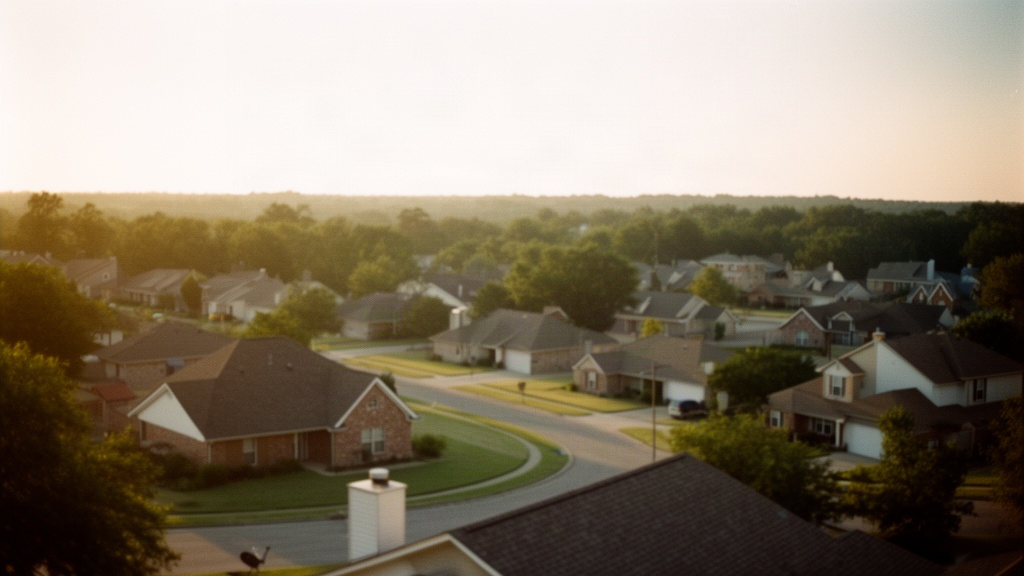
1. What Makes St. George a Distinct Real Estate Market
St. George stands apart from the rest of Staten Island's real estate landscape because of where it sits and what it was built around. Perched at the northeastern tip of the borough along the Kill Van Kull waterfront, it is the first neighborhood you reach when the Staten Island Ferry docks, and that geography shapes everything: the architecture, the density, the price points, and the type of buyer or seller who is drawn here.
Location and Transit Access
The Staten Island Ferry terminal in St. George is the borough's most direct connection to Lower Manhattan, running 24 hours a day and covering the roughly 5.2-mile crossing in about 25 minutes. From the St. George Terminal, the Staten Island Railway runs the length of the island, stopping at 22 stations all the way down to Tottenville. Buses connect to Bayonne, New Jersey, via the Bayonne Bridge. For people who commute to Manhattan on foot from the ferry, St. George is one of the few places on Staten Island where a car is genuinely optional for daily life.
Housing Stock and Architecture
St. George's housing stock is older and denser than most of Staten Island. You will find late-19th and early-20th century Victorian and Queen Anne-style homes on streets like St. Mark's Place and Hamilton Avenue, alongside brick rowhouses, two-family attached homes, and a handful of pre-war apartment buildings. Lot sizes are generally smaller than what you would find in Annadale or Tottenville, and many properties have been subdivided into rental units over the decades. That mix of architectural character and multi-family potential makes St. George a different calculation than the mid-island or south shore markets.
The neighborhood also borders Tompkinsville and New Brighton to the south and west, and Stapleton to the southeast. Buyers looking at St. George often tour those adjacent areas as part of their search, since the north shore corridor shares many of the same transit advantages and a similar vintage housing stock. If you are weighing your options across the north shore, the Relocating to Staten Island guide on this site covers the broader borough context in detail.
2. St. George Real Estate Prices in September 2026
St. George currently sits at a lower price point than most of Staten Island's south shore, which reflects both the older housing stock and the smaller lot sizes rather than any single factor. That price differential is also part of what draws buyers who want transit access and character without paying south shore prices for a newer colonial.
Current Median Prices
According to PropertyShark's residential market data for St. George, median sale prices in the neighborhood have been tracking in a range that reflects the mix of property types available, from smaller attached homes and two-families to the occasional larger Victorian. Single-family detached homes in St. George have been selling in the $550,000 to $750,000 range in 2026, depending on condition, square footage, and proximity to the waterfront. Two-family homes, which are common here, have been trading between $600,000 and $850,000, with the higher end going to properties with legal rental units in good condition.
Condos and co-ops, while less prevalent than in Manhattan, do exist in St. George and have been moving in the $250,000 to $450,000 range in 2026. These units appeal to buyers who want a lower entry price and minimal exterior maintenance, though monthly carrying costs including HOA or maintenance fees need to be factored into any comparison with a single-family purchase.
Price Trends Over the Past Year
Prices in St. George have held relatively steady through 2026, with modest appreciation compared to the sharper run-ups seen in some south shore zip codes earlier in the decade. Inventory has remained tight on the north shore, as it has across most of Staten Island, which continues to put upward pressure on prices even as mortgage rates have kept some buyers on the sidelines. Homes that are priced correctly and presented well are still receiving multiple offers within the first two weeks on market.
The broader New York market context matters here too. The Forbes Advisor overview of the New York housing market notes that limited housing supply across the metro area continues to support prices even as affordability remains a challenge for buyers. St. George is not immune to those dynamics, and anyone planning a purchase here should account for competition at the lower price tiers where demand is concentrated.
3. What You Can Actually Buy in St. George Right Now
Understanding what is available in St. George helps you set realistic expectations before you start scheduling showings. The inventory here skews toward older properties that often need updating, and buyers who come in expecting move-in-ready construction at south shore prices will be disappointed. The value proposition in St. George is different: you are paying for location, transit access, and architectural character.
Single-Family Homes
Single-family detached homes in St. George are genuinely rare compared to what you would find further south on the island. When they do come to market, they tend to be older Victorians or early-20th-century colonials on lots ranging from roughly 2,000 to 4,000 square feet. Many have original details like hardwood floors, pocket doors, and decorative moldings that have been preserved or restored, though mechanicals and kitchens often need modernizing. Buyers with a renovation budget can find real value here; buyers who need everything done will want to factor in contractor costs and timelines.
Multi-Family and Mixed-Use Properties
Two-family and three-family homes make up a significant share of the St. George housing stock, and they attract both owner-occupants and investors. An owner-occupant who lives in one unit and rents the other can offset a meaningful portion of their mortgage, which changes the affordability math considerably. If you are thinking about that strategy, the investment property guide for Staten Island on this site walks through the numbers and what to watch for before closing on a multi-family property.
Mixed-use buildings, where a ground-floor commercial space sits below residential units, also appear occasionally in St. George given its proximity to Bay Street and the ferry terminal commercial corridor. These require a different financing approach than a standard residential purchase, and a lender experienced in mixed-use transactions is essential.
Condos and Co-ops
The condo and co-op inventory in St. George is limited but worth tracking if you want a lower-maintenance entry point into the north shore market. Co-op boards on Staten Island tend to have approval processes that can add time to a transaction, so buyers should ask about board requirements early. Condos typically have fewer restrictions on financing and resale, which makes them more straightforward for first-time buyers. If you are weighing a condo purchase on Staten Island more broadly, the condo buying guide for Huguenot covers many of the same due-diligence steps that apply island-wide.
4. Timing the St. George Market: When to Buy or Sell
Timing a real estate transaction in St. George follows some of the same seasonal rhythms as the rest of Staten Island, but the north shore has its own nuances worth understanding before you decide when to list or make an offer.
Seasonal Patterns in North Shore Staten Island
Spring remains the most active listing season across Staten Island, including St. George, with the highest volume of new listings hitting the market between March and June. Fall is the second busiest window, and September specifically tends to bring a fresh wave of motivated buyers who paused their search over the summer. Inventory that sat during July and August sometimes gets repriced in September, creating opportunities for buyers who are ready to move quickly.
What September 2026 Looks Like for Sellers
If you are a St. George homeowner considering a sale, September 2026 is a reasonable time to list, particularly if your home is priced accurately for its condition and location. Buyer demand on the north shore has not evaporated, and the pool of buyers who want ferry-accessible properties is consistent year-round. The key risk for sellers right now is overpricing: buyers in this market are doing their homework, and a listing that sits for more than 30 days starts to raise questions. For a detailed look at how pricing and timelines work across Staten Island, the home selling guide for Staten Island on this site is a practical starting point.
What September 2026 Looks Like for Buyers
For buyers, the fall window in St. George can be productive because sellers who listed in spring and did not close are often more willing to negotiate on price or terms. New listings in September also tend to attract serious buyers rather than casual lookers, which can mean cleaner offers and faster timelines. The main challenge for buyers right now is that well-priced, well-maintained properties in St. George still move fast. Getting pre-approved before you start touring is not optional in this market; it is the baseline expectation.
5. Commutes, Amenities and What Surrounds St. George
Beyond price and timing, the practical details of daily life in St. George matter enormously to anyone deciding whether to buy here. The neighborhood's north shore location means a very different day-to-day experience than living in, say, Great Kills or Tottenville at the southern end of the island.
Getting to Manhattan and Beyond
The Staten Island Ferry from St. George to Whitehall Terminal in Lower Manhattan runs every 30 minutes during off-peak hours and every 15 minutes during rush hour, with no fare. From Whitehall, the 1, R, and W subway lines connect to Midtown and beyond. A door-to-door commute from a home within walking distance of the St. George terminal to Midtown Manhattan typically runs 50 to 65 minutes depending on the subway connection. For people commuting to Lower Manhattan or the Financial District, the trip can be closer to 35 to 40 minutes total.
Drivers have access to the Bayonne Bridge to New Jersey and the Goethals Bridge to Elizabeth, NJ, both of which are within reasonable distance from St. George via the Staten Island Expressway. The Verrazzano-Narrows Bridge to Brooklyn is also accessible, though traffic on the expressway during peak hours is a consistent factor in any commute calculation.
Parks, Culture and Daily Life
St. George is home to the Staten Island Museum, located inside the St. George Theatre building, and the St. George Theatre itself is a restored 1929 venue that hosts concerts, comedy shows, and community events throughout the year. The Staten Island Yankees played at Richmond County Bank Ballpark, which sits right at the waterfront adjacent to the ferry terminal, making it one of the more scenic minor-league stadiums in the region. The ballpark has hosted various events and uses over the years beyond baseball.
Tompkinsville Park and Von Briesen Park are both within close proximity, offering green space and waterfront views of the harbor. Bay Street, the main commercial corridor running south from the ferry terminal, has a concentration of restaurants, cafes, and small businesses. The north shore has seen continued investment in its commercial corridor over the past several years, and St. George remains the anchor of that activity.
For school information specific to St. George, the New York City Department of Education's school finder tool is the most reliable resource for current zoning, program offerings, and enrollment data. Every buyer should research schools directly through official sources and visit in person, since those are personal decisions that depend on individual priorities.
6. Should You Reach Out to a Real Estate Agent About St. George?
If you are asking whether now is the right time to contact an agent about St. George, the honest answer is: sooner is almost always better than later, even if you are months away from being ready to transact. The St. George market moves quickly on desirable properties, and understanding what is available, what things are actually selling for, and what a realistic offer looks like takes time to absorb. That process starts with a conversation, not a signed contract.
Signs You Are Ready to Move
You are ready to have a serious conversation with an agent if you have a clear sense of your budget, you have thought through your financing options, and you have a general timeline in mind, even if it is flexible. You do not need to have every detail locked in. What matters is that you are past the purely theoretical stage and want to understand what your money actually buys in St. George right now, what the competition looks like, and what a realistic offer strategy would be.
For sellers, the trigger to reach out is usually a combination of life circumstances and market conditions aligning. If you are thinking about downsizing, the downsizing guide for Staten Island covers the financial and logistical considerations that come up when you are moving from a larger home into something smaller, whether in St. George or elsewhere on the island.
What a Local Agent Brings to This Market
St. George is not a market where national real estate platforms give you the full picture. The difference between a property that is priced correctly for its block and one that is overpriced by $50,000 is not always obvious from a listing photo. An agent who works the north shore regularly knows which streets have deferred infrastructure issues, which buildings have had recent sales that reset comparables, and which listings have been sitting because of undisclosed conditions rather than price.
Ariana DiMattina of Robert DeFalco Realty works with buyers and sellers across Staten Island, including the north shore markets of St. George and its surrounding neighborhoods. Whether you are trying to understand what your current home is worth, figure out what you can afford to buy in St. George, or just want a realistic read on where the market is heading, reaching out for a no-pressure conversation is the right first step.
FAQ
What is the average home price in St. George, Staten Island in 2026?
In September 2026, single-family homes in St. George have been selling in the $550,000 to $750,000 range depending on size, condition, and proximity to the waterfront. Two-family homes, which are common in this neighborhood, have been trading between $600,000 and $850,000. Condos and co-ops represent a smaller share of the market and have been moving in the $250,000 to $450,000 range. These figures reflect a market where transit access and architectural character drive demand, and where inventory remains tight enough to support prices even as some buyers stay on the sidelines due to mortgage rates. Working with a local agent who tracks actual closed sales, not just list prices, gives you the most accurate picture for any specific property you are considering.
Is St. George a good area to buy a multi-family home on Staten Island?
St. George has a higher concentration of two-family and three-family homes than most other parts of Staten Island, which makes it one of the more accessible places on the island to pursue an owner-occupant multi-family strategy. Buying a two-family, living in one unit, and renting the other can meaningfully offset monthly housing costs, and rental demand on the north shore is supported by the ferry access to Manhattan. The properties themselves tend to be older and may need updating, so buyers should budget for inspections and potential renovation costs alongside the purchase price. Financing for multi-family properties follows slightly different guidelines than single-family loans, so connecting with a lender experienced in two-to-four-unit properties early in the process is important. An agent familiar with the north shore market can help you identify which listings have legally compliant rental units versus those that have been informally converted.
How long does it take to sell a home in St. George, Staten Island?
Homes in St. George that are priced accurately for their condition and location have been going under contract within two to four weeks in 2026, with some well-presented properties receiving offers in the first week. Properties that are overpriced relative to recent comparable sales tend to sit longer, often 45 to 90 days, before sellers adjust the price or withdraw the listing. The closing process after an accepted offer typically takes 45 to 60 days for financed transactions, though cash deals can close faster. Sellers who invest in basic staging, professional photography, and accurate pricing from the start consistently see faster sales and stronger offers than those who test the market at a high price and reduce later. Reaching out to a local agent for a comparative market analysis before you list is the most reliable way to set a price that attracts buyers without leaving money on the table.