← Back to Blog
Market Trends
Werribee South, Australia Real Estate Market Guide: Prices, Neighborhoods and Timing
By Ash Kamboj
Reliance Real Estate
September 12, 2026 · 11 min read
Werribee South, Australia sits in a genuinely distinct position within the broader Wyndham property market: a coastal pocket of Port Phillip Bay shoreline, market gardens, and established homes that behaves quite differently from the master-planned estates spreading across inland Werribee. This Werribee South real estate market guide covers current prices, what the local housing stock actually looks like, the amenities and landmarks that shape demand, and the timing signals worth watching whether you are buying, selling, or relocating.
1. What Makes Werribee South a Distinct Property Market
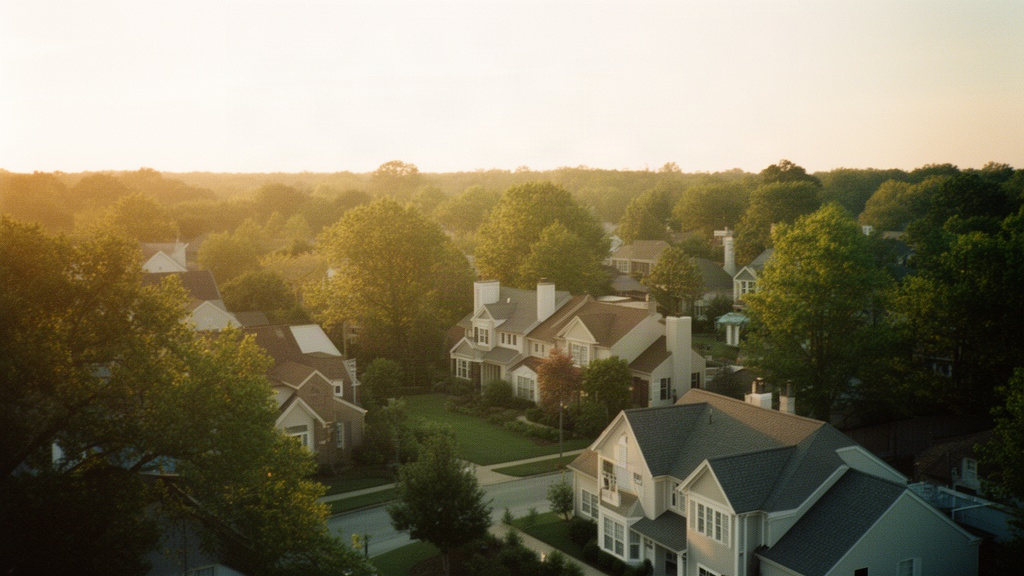
Werribee South is not a typical Wyndham suburb. While most of the growth corridor around Werribee is characterised by new land releases and project homes on 300 to 450 square metre lots, Werribee South is postcode 3030 territory with a fundamentally different character: market garden land, rural residential blocks, bay frontage, and a much lower density of dwellings overall.
Geography and Land Use
The suburb stretches from the Werribee River mouth south along Port Phillip Bay toward Avalon, with the Werribee Treatment Plant reserve forming a significant portion of its western boundary. That reserve, managed by Melbourne Water and adjacent to the internationally recognised Werribee Open Range Zoo and the You Yangs beyond, means large tracts of land will never be developed. For property owners, that translates to preserved outlooks and a genuine buffer from urban encroachment that is rare this close to Melbourne.
The Werribee South foreshore along Point Cook Road gives the suburb its most visually defining feature: direct bay access, a boat ramp at Werribee South Beach, and a fishing community that has been active here for decades. The Wyndham Harbour marina precinct, located at the northern edge near Hoppers Crossing, adds a further layer of waterfront amenity that influences property values in the surrounding streets.
Housing Stock and Lot Sizes
The housing stock here is genuinely mixed. You will find older weatherboard and brick veneer homes on generous rural lots, some exceeding 4,000 square metres, alongside more recent builds on smaller residential allotments closer to the foreshore. There are also hobby farms and semi-rural properties with sheds, paddocks, and secondary dwellings that simply do not exist in the newer Werribee estates. This variety means the price range within Werribee South is wide, and comparing properties requires careful attention to land size, zoning, and proximity to the bay.
Zoning in Werribee South includes a mix of General Residential, Low Density Residential, Green Wedge Zone, and Rural Conservation Zone parcels. Understanding which zone applies to a specific property is critical because it determines what you can build, subdivide, or operate on the land. Buyers should always confirm zoning with Wyndham City Council before making an offer.
2. Werribee South Property Prices in September 2026
Prices in Werribee South sit above the broader Werribee median, reflecting the scarcity of stock and the premium attached to bay proximity and larger lot sizes. PropertyValue data and Woodards suburb reporting both track this suburb as a lower-volume market where individual sales can move the median significantly from quarter to quarter.
Median House Price
Median house price: As of September 2026, the median house price in Werribee South sits in the range of $780,000 to $900,000, depending on the data source and the sample period used. That range reflects the suburb's low transaction volume: in a typical quarter, fewer than 20 houses change hands, so a single large rural residential sale can shift the reported median by $50,000 or more. Buyers should look at individual comparable sales rather than relying solely on the headline median.
For context, the broader Werribee suburb median sits closer to $590,000 to $630,000 in September 2026, as covered in detail on this site's dedicated median house price guide for Werribee. Werribee South commands a meaningful premium over that figure, driven primarily by land size and water access rather than dwelling quality alone.
Unit and townhouse sales in Werribee South are rare. The suburb has almost no medium-density stock, so the market here is overwhelmingly a house-and-land story. When units do appear, they tend to be older walk-up apartments near the foreshore or small-scale developments that are priced in the $500,000 to $620,000 range.
Price Drivers Specific to This Suburb
Several factors push prices higher in Werribee South compared to surrounding suburbs. Proximity to Werribee South Beach and the boat ramp adds a tangible premium for properties within walking distance of the foreshore. Rural zone properties with dual occupancy potential or existing secondary dwellings attract buyers who want lifestyle land without travelling far from Melbourne. The Werribee Open Range Zoo, which draws over 400,000 visitors annually, keeps the suburb's profile elevated in a way that quieter rural pockets along the bay do not enjoy.
Conversely, properties on the western side of the suburb, closer to the treatment plant buffer zone, tend to price lower than foreshore-adjacent lots, even on comparable land sizes. Prevailing wind direction and the occasional odour impact from the Western Treatment Plant are factors buyers regularly raise during inspections, and they are worth investigating for any property in that western corridor.
3. The Local Landscape: Amenities, Landmarks and Commute Reality
Understanding what is physically in and around Werribee South shapes how you evaluate any property here. This is not a suburb with a main street, a train station, or a shopping centre of its own. Its appeal is built on open space, water access, and proximity to the broader Werribee and Hoppers Crossing retail and services network.
What Is Physically Here
Werribee South Beach is a flat, sandy foreshore popular with anglers, kayakers, and people walking the coastal trail that connects toward Wyndham Harbour. The Wyndham Harbour marina precinct, completed in stages over the past decade, now includes a mix of residential marina berths, a small commercial strip, and a waterfront promenade. It sits at the northern boundary where Werribee South meets the broader coastal development zone.
The Werribee Open Range Zoo on K Road is one of the suburb's most significant landmarks, covering 225 hectares and housing African wildlife in open savannah-style enclosures. The adjacent Victoria's Open Range Zoo precinct and the Werribee Park mansion estate, with its historic Chirnside homestead and formal gardens, make this corner of Melbourne's west a genuine heritage and tourism destination. For residents, these attractions mean maintained green corridors and a sense of openness that most suburban addresses cannot offer.
For day-to-day shopping, residents drive to the Werribee Plaza on Heaths Road or to the Hoppers Crossing retail strip along Old Geelong Road. Both are within 10 to 15 minutes by car. There are no large supermarkets within Werribee South itself, and public transport options are limited to bus routes that connect to Werribee train station rather than running directly through the suburb's residential streets.
Getting to Melbourne CBD
Commuting from Werribee South to Melbourne CBD requires a car to reach Werribee station, which adds 10 to 15 minutes to any train journey. From Werribee station, the Werribee line runs to Flinders Street in approximately 50 to 60 minutes during peak hours, as detailed in the Werribee to Melbourne CBD commute guide on this site. By car via the Princes Freeway, the CBD is roughly 35 to 45 minutes in off-peak conditions and can exceed 60 minutes during morning peak. Werribee South is a suburb where car ownership is not optional for most households.
4. Timing the Werribee South Market: When to Buy and When to Sell
Timing in Werribee South follows some of the same seasonal rhythms as broader Melbourne real estate, but the low volume of transactions means the window between a well-timed campaign and a poorly timed one has a larger impact on price outcomes here than in higher-turnover suburbs.
Seasonal Patterns in a Coastal Suburb
Spring is consistently the strongest listing season across Wyndham. In Werribee South specifically, the bay foreshore and the open landscape photograph and present at their best from September through November, which is why vendors with rural or waterfront properties tend to campaign during this window. Buyer competition is highest in spring, which supports stronger sale prices when stock is limited.
Summer in Werribee South brings a secondary wave of activity driven by people who have visited the area over the Christmas period, seen the foreshore, and decided to investigate buying. January and February can produce solid results for well-priced properties, particularly those with bay views or beach proximity, because the lifestyle appeal is most visible at that time of year.
Autumn (March to May) is a secondary selling season with reasonable buyer activity before the winter slowdown. Winter listings in June and July tend to attract fewer inspections, and rural properties in particular can look less appealing in wet conditions. Vendors who can wait typically hold off until September.
Market Conditions Right Now
As of September 2026, the broader Werribee and Wyndham market is entering the spring selling season with constrained supply and steady buyer demand. Interest rate movements over the past 18 months have moderated buyer borrowing capacity compared to the peak of 2021 and 2022, but the outer western corridor continues to attract buyers priced out of inner and middle-ring Melbourne. Werribee South, with its limited stock and lifestyle appeal, sits in a segment of the market where genuine scarcity gives vendors negotiating leverage when properties are presented and priced correctly.
For buyers, right now is a reasonable entry point before spring competition intensifies through October and November. Properties that have sat on the market through winter may offer more room for negotiation than they will once fresh spring listings reset buyer expectations. Acting in September rather than waiting until the peak of the spring season can be a practical advantage in a low-volume suburb like this one.
You can read a broader overview of what is driving property trends across the wider Werribee area in the Werribee local living guide, which covers the lifestyle context that underpins demand in this part of Melbourne's west.
5. What Buyers and Sellers Need to Know Before Acting
Werribee South requires more careful due diligence than a standard residential suburb because of its zoning complexity, infrastructure gaps, and the range of property types on the market.
Due Diligence Priorities
Zoning and overlay checks are non-negotiable. A property in the Green Wedge Zone has very different development rights from one in the Low Density Residential Zone, even if they look similar from the street. Wyndham City Council's planning portal allows you to check the zone and any applicable overlays, including flood overlay, environmental significance overlay, and vegetation protection overlay, before you commit to an inspection. Flood-prone land near the Werribee River mouth is a real consideration for some parcels in the suburb's northern section.
Septic systems and water supply matter on rural lots. Many properties in Werribee South are not connected to reticulated sewerage, relying instead on septic tanks or composting systems. Buyers should request a Land Information Certificate from Wyndham City Council and confirm the type and condition of the wastewater system before exchange. Properties on tank water should also have the tank capacity and condition assessed, particularly on larger rural blocks where mains water is not available.
Building inspections on older weatherboard homes are especially important. Some of the established homes in Werribee South date from the 1950s through to the 1980s and may carry issues including asbestos-containing materials, substandard footings on reactive clay soils, and dated electrical systems. A thorough pre-purchase building and pest inspection from a qualified inspector is money well spent on any property in this suburb.
If you are also researching new developments elsewhere in Wyndham, the guide to new housing developments and estates in Werribee in 2026 covers what is being built across the corridor and how those new estates compare to established suburbs like Werribee South.
Working With a Local Agent
Because Werribee South has so few transactions per year, comparable sales data is thin. An agent who only knows the broader Werribee market may not have the granular knowledge of which streets carry a bay view premium, which lots have soil contamination history from market garden operations, or how the Western Treatment Plant buffer affects buyer sentiment street by street. Local expertise is not a marketing phrase here; it is a practical necessity when the data set is this small.
For sellers, accurate pricing in a low-volume suburb is the single biggest determinant of outcome. Overpricing a rural residential property in Werribee South means it sits on the market through a full season, accumulates days-on-market stigma, and ultimately sells for less than it would have achieved with correct initial pricing. A vendor-paid marketing campaign that reaches buyers who specifically want coastal or rural lifestyle properties, rather than a generic Wyndham audience, is the appropriate strategy for this suburb.
You can also explore the broader buyer's guide for homes for sale in Werribee for a full overview of the purchasing process across the Werribee area, including the steps from pre-approval through to settlement.
For a broader view of market trends and investment fundamentals across the Werribee corridor, the Werribee Property Market Guide 2026 from Owner Developer provides useful context on rental yields and infrastructure pipeline that applies to the wider Wyndham area.
FAQ
What is the median house price in Werribee South right now?
As of September 2026, the median house price in Werribee South sits in the range of $780,000 to $900,000, depending on the data source and the sample period used. The suburb transacts at very low volume, typically fewer than 20 house sales per quarter, which means the median can shift significantly with a single large rural or foreshore sale. Buyers are better served by reviewing individual comparable sales in the past 6 to 12 months than relying on the headline median figure. A local agent with specific knowledge of Werribee South can provide a detailed comparable sales analysis for any property you are considering.
Is Werribee South suitable for buyers who do not want to drive everywhere?
Werribee South does not have its own train station, and bus services through the suburb connect to Werribee station rather than running direct express routes. Most residents drive to Werribee station and then take the train to Melbourne CBD, adding 10 to 15 minutes of car travel to the train journey. Day-to-day shopping requires a drive to Werribee Plaza or the Hoppers Crossing retail precinct, both roughly 10 to 15 minutes away by car. If car-free or low-car living is a priority, Werribee South's infrastructure does not currently support that lifestyle, and suburbs closer to Werribee or Hoppers Crossing stations would be worth comparing.
What zoning types exist in Werribee South and why does it matter for buyers?
Werribee South contains a mix of General Residential Zone, Low Density Residential Zone, Green Wedge Zone, and Rural Conservation Zone parcels, and some properties also carry environmental or vegetation overlays. Zoning determines what you can build, whether you can subdivide, and what land uses are permitted, so two properties on similar-sized lots can have very different development potential depending on their zone. Buyers should check the Wyndham City Council planning portal for the specific zone and any overlays before making an offer, and should seek advice from a town planner if they have development intentions. Flood overlay is also relevant for some parcels near the Werribee River mouth, and a Land Information Certificate from council will confirm whether a property is affected.