← Back to Blog
Buying
Investment Property Guide for Hoppers Crossing, Victoria: What It Is Best Known For and Why Investors Are Paying Attention
By Ash Kamboj
September 19, 2026 · 10 min read
This investment property guide for Hoppers Crossing, Victoria covers what the suburb is best known for among property investors: accessible entry prices, consistent rental demand, and proximity to the broader Werribee corridor. Whether you are buying your first investment property or adding to an existing portfolio, understanding Hoppers Crossing as a market requires more than a quick price check. This guide breaks down the numbers, the local infrastructure, the rental landscape, and the practical steps you need to take before signing a contract.
1. What Hoppers Crossing Is Best Known for as an Investment Location
Hoppers Crossing is best known for offering established suburban housing at prices that remain below the Melbourne metropolitan median, combined with strong and consistent rental demand. That combination is what draws investors to postcode 3029 repeatedly. The suburb sits within the City of Wyndham, one of the fastest-growing local government areas in Victoria, and that growth context underpins the long-term investment case.
The Suburb's Core Identity
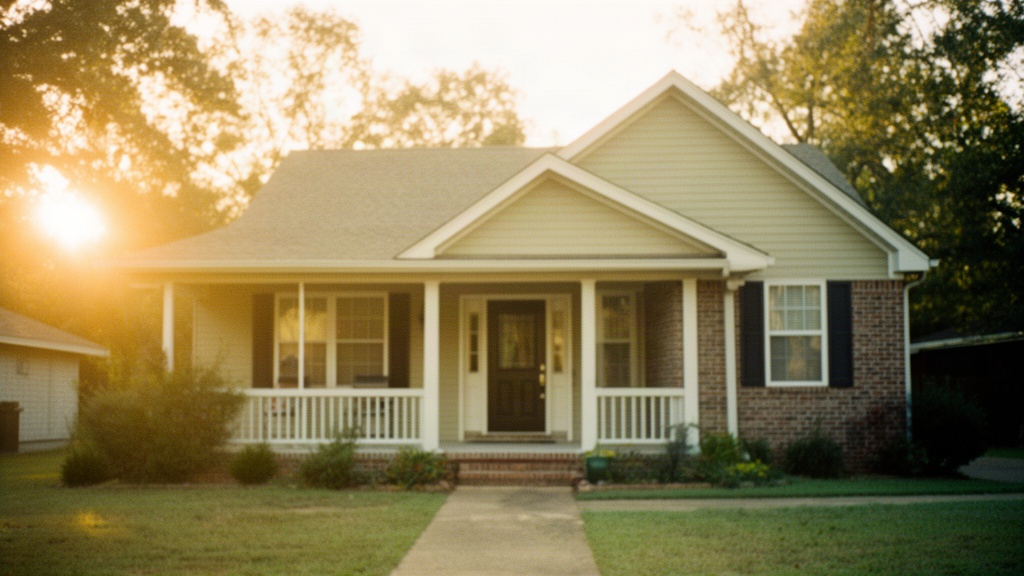
Hoppers Crossing was developed primarily through the 1970s and 1980s, which means the housing stock is predominantly brick veneer homes on generous blocks, typically 500 to 700 square metres. These are not the narrow-lot new builds you find further west in Wyndham Vale or Tarneit. The established nature of the suburb means infrastructure is already in place: sealed roads, mature street trees, schools, medical centres, and community facilities. Investors often prefer this over greenfield estates precisely because the risk of infrastructure lag is removed.
The suburb borders Werribee to the south and west, sharing many of the same amenities while sitting slightly closer to the Princes Freeway interchange. Hoppers Crossing station sits on the Werribee line, connecting residents directly to the Melbourne CBD. That rail access is one of the most cited reasons tenants choose the suburb, and it directly supports rental demand for investors.
How It Sits Within the Werribee Corridor
The Werribee corridor, which includes Hoppers Crossing, Werribee itself, Wyndham Vale, and Tarneit, is one of the most actively watched investment corridors in Melbourne's west. Hoppers Crossing occupies a specific position within this corridor: it is the established, mid-ring option. Buyers who cannot stretch to Point Cook or who want an existing property rather than a house-and-land package often land in Hoppers Crossing. That demand pressure from multiple buyer types, both owner-occupiers and investors, keeps the market relatively liquid.
If you are also considering nearby Werribee as part of your investment search, the article on buying a home in Werribee, Victoria covers the process, costs and timelines in detail and is worth reading alongside this guide.
2. Property Prices and What Your Budget Gets You in Hoppers Crossing
As of September 2026, the median house price in Hoppers Crossing sits in the range of $620,000 to $660,000, with units and townhouses transacting at roughly $430,000 to $480,000. These figures place the suburb well below the broader Melbourne metropolitan median, which is one of the core reasons this investment property guide for Hoppers Crossing, Victoria is relevant to investors who need a lower capital entry point without sacrificing rental income.
House Prices and Land Sizes
A three-bedroom brick veneer home on a 550 to 650 square metre block in Hoppers Crossing typically transacts between $590,000 and $650,000 in the current market. Four-bedroom homes, particularly those on corner blocks or with dual living potential, can reach $700,000 to $750,000. The land component in an established suburb like this carries inherent value because the blocks are larger than what new estates offer and rezoning or subdivision potential exists in some pockets, subject to Wyndham City Council planning rules.
Investors should note that older homes built in the 1970s and 1980s may require maintenance capital in the near term, particularly for roofing, hot water systems, and electrical boards. Factoring a maintenance reserve of $5,000 to $10,000 into your first-year budget is a practical approach for homes that have not been recently renovated.
Unit and Townhouse Market
The unit and townhouse segment in Hoppers Crossing is smaller than the house market but attracts strong rental interest. Two-bedroom units close to Hoppers Crossing station or the Pacific Werribee shopping centre tend to rent quickly and hold low vacancy rates. Body corporate fees vary considerably between older walk-up complexes and newer townhouse developments, so reviewing the owners corporation records before purchase is essential.
How Prices Have Moved
Over the five years to September 2026, Hoppers Crossing has recorded solid capital growth, with house values rising meaningfully from the sub-$500,000 range that characterised the suburb in 2021. Growth has moderated from the sharp peaks of 2021 and 2022, which is consistent with broader Melbourne trends, but the suburb has not given back those gains. Investors entering now are buying into a market that has already proven its growth credentials rather than speculating on an unproven area.
For a detailed look at suburb-level data and investment metrics, the suburb profile published by Your Investment Property magazine for postcode 3029 is a useful reference point for tracking median prices and rental yields over time.
3. Rental Demand, Vacancy Rates and Gross Yields
Rental demand in Hoppers Crossing is strong, with vacancy rates consistently sitting below two percent, which reflects a market where tenants compete for available properties rather than landlords competing for tenants. That dynamic gives investors reasonable confidence that a well-presented property will lease quickly after settlement or between tenancies.
Current Rental Rates
As of September 2026, three-bedroom houses in Hoppers Crossing are achieving weekly rents in the range of $430 to $490, depending on condition, proximity to the station, and whether the property includes a garage or carport. Four-bedroom homes are commanding $500 to $560 per week. Two-bedroom units are generally leasing between $340 and $390 per week. These figures represent a meaningful increase from 2023 rental levels, reflecting both broader rental market tightness across Melbourne and local population growth in the Wyndham LGA.
What Yields Look Like Right Now
Gross rental yields for houses in Hoppers Crossing currently sit in the range of 3.5 to 4.2 percent, depending on the purchase price and the rent achieved. Units and townhouses tend to offer slightly higher gross yields, often 4.0 to 4.8 percent, because their purchase prices are lower relative to the rent they command. Gross yield is only one part of the picture: investors should model net yield after accounting for property management fees (typically 7 to 9 percent of rent in this area), council rates, water rates, insurance, and maintenance.
The Smart Property Investment suburb analysis for Hoppers Crossing provides independently compiled yield and vacancy data that investors can use to cross-check figures before committing to a purchase. Reviewing multiple data sources is always worthwhile because individual property performance can vary significantly from suburb averages.
4. Infrastructure, Amenities and What Drives Long-Term Demand
Long-term rental demand in any suburb is driven by what is physically there: transport, employment, shopping, healthcare, and open space. Hoppers Crossing scores well across all of these categories, which is a key reason this investment property guide for Hoppers Crossing, Victoria is relevant to buyers looking beyond short-term yield figures.
Transport Connections
Hoppers Crossing station sits on the Werribee line and provides direct rail access to the Melbourne CBD. The journey to Flinders Street Station takes approximately 45 to 55 minutes on a stopping service, with express options available during peak periods. The suburb also has direct freeway access via the Princes Freeway, making it practical for tenants who drive to employment centres in Laverton, Altona, or the Port of Melbourne precinct. This dual transport access, both rail and freeway, broadens the pool of potential tenants considerably.
For a detailed breakdown of what the Werribee line commute looks like in practice, the article on the train commute from Werribee to Melbourne CBD covers timing, frequency, and what to expect at different times of day.
Shopping, Employment and Services
Pacific Werribee, one of Victoria's larger regional shopping centres, is located within Hoppers Crossing and anchors the suburb's retail offer. The centre includes major department stores, a large supermarket precinct, specialty retail, and a cinema complex. For tenants, having this level of retail within walking or short driving distance is a genuine convenience factor that supports rental demand. The Hoppers Crossing industrial precinct along Old Geelong Road also provides local employment, meaning some tenants both live and work within the suburb.
Medical services are well represented, with multiple general practice clinics, pathology collection centres, and the Werribee Mercy Hospital located approximately five kilometres south in Werribee itself. Open space includes Heathdale Glen Orden Wetlands, a large natural reserve within the suburb that provides walking trails and birdwatching areas. Manor Lakes and Skeleton Creek linear reserves are also accessible within a short drive.
Future Development in the Wyndham LGA
The City of Wyndham is projected to continue growing substantially over the coming decade, with population forecasts consistently placing it among Victoria's fastest-expanding councils. That growth is concentrated in the newer western precincts of Tarneit, Wyndham Vale, and Manor Lakes, but the flow-on effect for established suburbs like Hoppers Crossing is increased demand for housing from people who want proximity to services without paying new-estate premiums. State Government infrastructure investment in the western corridor, including road upgrades and ongoing public transport improvements, reinforces the long-term demand outlook.
If you are also evaluating Wyndham Vale as an investment or owner-occupier option, the article on selling a home in Wyndham Vale provides useful context on how that market is performing and what pricing looks like on the vendor side.
5. Practical Steps for Buying an Investment Property in Hoppers Crossing
Knowing the suburb is only half the job. The other half is executing the purchase correctly, from finance to due diligence to negotiation. These steps apply whether you are bidding at auction or making a private sale offer.
Finance and Borrowing Capacity
Investment lending in Australia operates under different rules than owner-occupier lending. Lenders typically require a minimum 20 percent deposit for investment properties to avoid lenders mortgage insurance, though some lenders will go to 10 or 15 percent with LMI. On a $640,000 purchase, a 20 percent deposit is $128,000. You also need to budget for stamp duty, which for an investment property in Victoria is assessed at the standard rate with no first home buyer concession available. On a $640,000 investment purchase, stamp duty in Victoria is approximately $34,000 to $35,000 as of 2026. Factor in conveyancing fees of $1,200 to $2,000 and building and pest inspection costs of $400 to $600.
For first home buyers who are considering whether to buy an investment property first or an owner-occupier home, the article on stamp duty on a $650,000 home purchase in Werribee explains the concessions available to first home buyers and how the numbers compare.
Due Diligence Before You Bid
Due diligence for an investment property in Hoppers Crossing should cover several specific areas. First, order a building and pest inspection before auction day, not after. Many of the 1970s and 1980s homes in the suburb have original roofing, plumbing, and electrical systems that may be approaching end of life. A qualified inspector will flag these issues and give you a realistic picture of near-term capital expenditure. Second, check the council zoning through the Wyndham City Council planning portal. Some blocks in Hoppers Crossing are zoned General Residential 1 or 2, which affects what you can build or subdivide in future. Third, review any section 32 vendor statement carefully with your conveyancer, paying particular attention to easements, covenants, and any notices from the council.
If the property is currently tenanted, review the existing lease agreement before purchase. A below-market lease with a long remaining term can affect your rental income for months after settlement. Conversely, a vacant property allows you to set the rent at current market rates from day one, which may be preferable depending on your cash flow requirements.
Working With the Right Local Agent
Buying an investment property in a suburb you do not live in requires a local agent who can give you honest, specific market intelligence rather than generic suburb summaries. In the Werribee and Hoppers Crossing market, that means knowing which streets attract the strongest rental demand, which property types sit vacant longest, and what auction clearance rates look like month to month. An agent who transacts regularly in postcode 3029 will have that knowledge from direct experience, not from reading the same data reports you can access yourself.
Ash Kamboj works across the Werribee corridor, including Hoppers Crossing, and brings direct transactional knowledge of what is selling, what is leasing, and where the value sits in the current market. If you are evaluating properties in this area and want a frank conversation about whether a specific address represents genuine investment value, reaching out directly is the most efficient way to get answers.
FAQ
What is Hoppers Crossing, Victoria best known for among property investors?
Hoppers Crossing is best known for offering established brick veneer housing at below-median Melbourne prices, combined with strong and consistent rental demand driven by rail access on the Werribee line and proximity to Pacific Werribee shopping centre. The suburb sits within the City of Wyndham, one of Victoria's fastest-growing councils, which provides a long-term population growth tailwind. Investors are also drawn to the larger block sizes, typically 500 to 700 square metres, which carry subdivision and development potential subject to Wyndham City Council planning rules. The suburb's established infrastructure removes the uncertainty that comes with buying in newer greenfield estates further west.
What rental yield can I expect from an investment property in Hoppers Crossing in 2026?
As of September 2026, gross rental yields for houses in Hoppers Crossing sit in the range of 3.5 to 4.2 percent, with units and townhouses offering slightly higher gross yields of 4.0 to 4.8 percent due to their lower purchase prices. Three-bedroom houses are achieving weekly rents of $430 to $490, and four-bedroom homes are reaching $500 to $560 per week. These are gross figures; net yield after property management fees, council rates, insurance, and maintenance will be lower, typically 1.0 to 1.5 percentage points below the gross figure depending on your cost structure. Vacancy rates in the suburb are currently below two percent, which means well-presented properties are leasing quickly and minimising income gaps between tenancies.
What are the main costs I need to budget for when buying an investment property in Hoppers Crossing?
Beyond the purchase price, the main upfront costs for an investment property in Hoppers Crossing include stamp duty (approximately $34,000 to $35,000 on a $640,000 purchase in Victoria as of 2026, with no first home buyer concession available for investment properties), conveyancing fees of $1,200 to $2,000, and building and pest inspection costs of $400 to $600. Lenders will typically require a 20 percent deposit to avoid lenders mortgage insurance, which on a $640,000 purchase equates to $128,000. Ongoing costs include property management fees of 7 to 9 percent of weekly rent, council rates, water rates, landlord insurance, and a maintenance reserve. For older 1970s and 1980s homes, budgeting an additional $5,000 to $10,000 in the first year for maintenance items such as roofing or hot water systems is a prudent approach.