
← Back to Blog
Market Trends
Wichita, Kansas Real Estate Market Guide: Prices, Neighborhoods and Timing — Would You Recommend I Call Today?
By Ashley LeMaster, REALTOR
Keller Williams Hometown Partners
September 17, 2026 · 12 min read
If you are researching the Wichita, Kansas real estate market and wondering whether now is the right moment to make a move, this guide covers what you actually need to know: current prices, how different parts of the city compare by housing stock and commute, and the timing factors that matter most in 2026. Whether you are buying, selling, or relocating to Wichita, the picture right now is more nuanced than any single headline can capture, and getting the details right can save you real money.
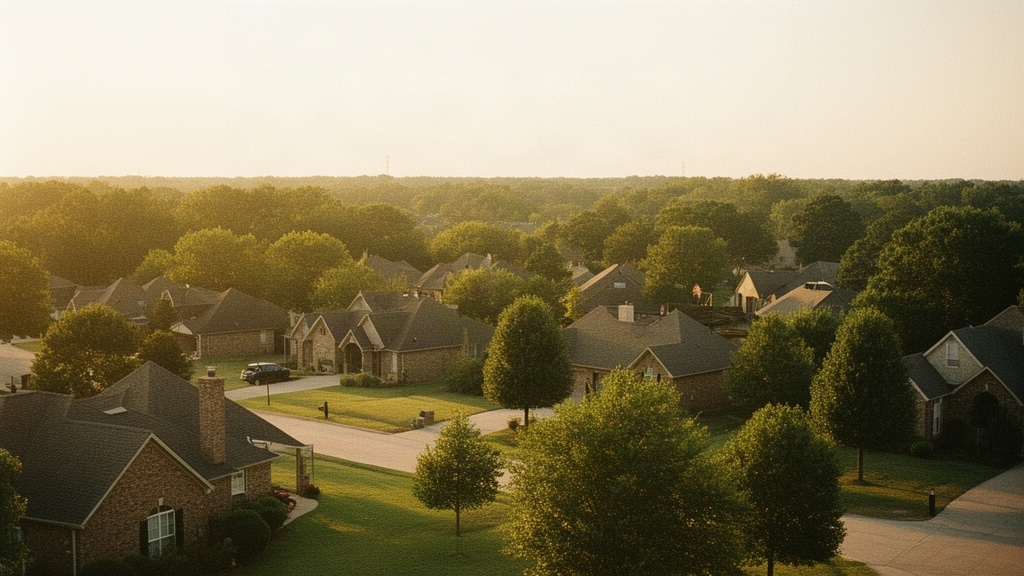
1. What the Wichita, Kansas Real Estate Market Looks Like Right Now
The Wichita market in September 2026 is active but measured. Inventory has expanded compared to the tight conditions of 2022 and 2023, giving buyers more options, while sellers are still seeing reasonable demand from a steady local economy anchored by aerospace manufacturing, healthcare, and distribution. This is not a market in freefall, nor one running away from buyers. It is a market where preparation and timing genuinely matter.
Current Median Prices and Inventory
As of September 2026, the median sale price for a single-family home in Wichita sits in the low-to-mid $200,000s, making it one of the more accessible mid-sized metro markets in the central United States. According to market analysis from Norada Real Estate, Wichita has maintained relatively stable appreciation compared to coastal markets, with price growth that has been consistent rather than volatile. Active listings across Sedgwick County currently hover in the range of 1,200 to 1,500 homes at any given time, which represents a more balanced supply than the sub-500 inventory levels seen during the pandemic buying surge.
Homes priced under $200,000 still move quickly, often within two to three weeks of listing. The $200,000 to $350,000 range, which covers the bulk of move-up buyers and first-time purchasers stretching their budgets, sees average days on market of roughly 30 to 45 days in September 2026. Above $400,000, properties are sitting longer, sometimes 60 to 90 days, which creates negotiating room for buyers in that segment.
How 2026 Compares to Recent Years
Wichita did not experience the extreme price spikes that hit larger metros between 2020 and 2022, which means it also avoided the sharp corrections that followed in many of those markets. The WSU Center for Real Estate has tracked this stability closely, and their 2025 Kansas Housing Markets Forecast projected continued moderate appreciation for the Wichita metro, driven by population retention, employer investment, and a construction pipeline that has not dramatically overbuilt. In 2026, that forecast is playing out: prices are up modestly from September 2025, inventory is higher than two years ago, and the market is functioning without the frenzy or the fear that characterized other metros.
For a deeper look at whether the current conditions favor buyers or sellers right now, the article How Is the Wichita, Kansas Housing Market Doing Right Now and Is It Favoring Buyers or Sellers? breaks down that question in detail.
2. A Closer Look at Wichita's Key Neighborhoods and Housing Stock
Wichita is a geographically large city, covering roughly 165 square miles, and the housing stock varies significantly from one part of town to another. Understanding what each area offers in terms of home styles, lot sizes, price ranges, and proximity to employers or amenities is essential before you start scheduling showings. Each area has distinct characteristics worth knowing.
West Wichita and the Goddard Corridor
West Wichita, stretching out toward the city of Goddard along US-54, features a mix of 1980s and 1990s ranch-style homes alongside newer subdivisions built in the 2010s and 2020s. Lot sizes in this corridor tend to run from a quarter acre to half an acre in the established neighborhoods, with newer builds on smaller lots in planned communities. Median prices in west Wichita neighborhoods like Maize South and the areas surrounding Tyler Road typically fall between $220,000 and $320,000, depending on the age of the home and whether it has been updated.
Commute times from west Wichita to the Spirit AeroSystems campus on the north side of the city run approximately 20 to 30 minutes via Kellogg Avenue (US-54) and I-135, depending on traffic. The area has seen consistent new construction, with builders like Landmark Homes and Wheatland Homes active in nearby Goddard, where prices for new builds start around $280,000 and climb based on square footage and finishes.
East Wichita and the Andover Area
East Wichita and the adjacent city of Andover represent some of the most active real estate territory in the metro. Homes here range from 1970s and 1980s brick ranch houses in neighborhoods like Broadmoor and Tallgrass to newer two-story homes in Andover subdivisions like Autumn Ridge and Sundance. Prices in east Wichita proper typically start around $180,000 for older homes needing updates and reach $350,000 or more for renovated or newer construction. In Andover, where the USD 385 school district operates, prices for newer builds commonly range from $300,000 to $500,000.
The east side has convenient access to the K-96 corridor, putting downtown Wichita about 15 to 20 minutes away and Cessna Activity Center and other east-side employers within 10 minutes for many residents. For more on working with an agent who knows this part of the city well, see the article on experienced real estate agents working in East Wichita.
Downtown, College Hill, and Older Central Neighborhoods
The central and near-downtown areas of Wichita offer a completely different housing experience than the suburban corridors. College Hill, located just east of downtown, is known for its early-twentieth-century Craftsman bungalows, Tudor revival homes, and two-story colonials on tree-lined streets. Lots here are typically smaller, often 50 by 150 feet, but the architectural character is distinct. Prices in College Hill range from around $200,000 for a home needing significant work to well over $500,000 for a fully restored historic property.
Downtown Wichita itself has seen condominium and loft development along the Arkansas River corridor, with units in renovated industrial buildings selling in the $150,000 to $350,000 range. The Old Town district, Delano neighborhood just west of the river, and the Douglas Avenue corridor all fall within a short walk or bike ride of Wichita's main entertainment, dining, and arts venues, including Intrust Bank Arena and the Keeper of the Plains landmark at the confluence of the Arkansas and Little Arkansas rivers.
South Wichita and Derby
South Wichita and the city of Derby, which sits at Wichita's southeastern edge, offer some of the most affordable entry points in the metro. South Wichita has a large inventory of post-war ranch homes from the 1950s and 1960s, many on generous lots, with prices frequently in the $120,000 to $180,000 range. Derby features a mix of older homes and newer subdivisions, with prices generally between $180,000 and $300,000. McConnell Air Force Base sits just east of Derby, making this corridor particularly active for military buyers and sellers using VA financing.
3. Timing the Wichita Market: When to Buy and When to Sell
Timing in real estate is never perfectly predictable, but Wichita does follow recognizable seasonal patterns that buyers and sellers can use to their advantage. September 2026 sits at a transitional point in the local market calendar, and understanding what that means for your situation can help you decide whether to move now or wait a few months.
Seasonal Patterns in Wichita
Wichita's peak listing season runs from late March through June, when inventory is highest and buyer competition is strongest. By September, the spring wave has passed and inventory tends to thin as sellers who did not get their price sometimes pull listings. This creates a quieter but still active market. Buyers who search in September and October often face less competition than they would have in April or May, though they have fewer homes to choose from. Sellers who list in September are typically motivated, which can make negotiations more productive.
The slowest stretch for Wichita real estate is typically November through January, when new listings drop sharply and many buyers pause until after the holidays. If you are a buyer with flexibility, the late fall and winter window can yield motivated sellers and less competition, though your selection will be narrower. If you are a seller, listing before Thanksgiving gives you the best chance of catching the remaining fall buyers before the market quiets.
Interest Rate Conditions in September 2026
Mortgage rates in September 2026 remain a central factor in affordability calculations for Wichita buyers. Rates have moderated from the peaks seen in 2023 and 2024, but they are not at the historic lows of 2020 and 2021. For a buyer purchasing a $230,000 home in Wichita with a 10 percent down payment, the difference between a 6.5 percent rate and a 7.0 percent rate is roughly $70 per month in principal and interest. That adds up to over $25,000 across a 30-year loan, so watching rate movement and locking at the right time matters.
Wichita's lower price point compared to national averages means that even at current rates, monthly payments are manageable for many buyers with stable incomes. A home at the metro median price produces a principal and interest payment that is significantly below what the same rate would generate on a coastal median-priced home. That affordability gap is one reason Wichita continues to attract relocating buyers from higher-cost states.
What Sellers Should Know About Timing
Sellers in September 2026 need to price precisely. The days of listing above market and expecting multiple offers within 48 hours are largely behind us in most Wichita price ranges. Homes priced at or just below comparable sales are moving; homes priced optimistically are sitting and accumulating days on market, which makes buyers more cautious and often leads to price reductions that could have been avoided with accurate initial pricing.
For a thorough breakdown of what sellers should expect in terms of pricing strategy and timeline, the article on selling a home in Wichita, Kansas covers those specifics in depth.
4. Relocating to Wichita: What to Expect Before You Arrive
Wichita consistently attracts relocating buyers from higher-cost metros, and the transition can be genuinely positive from a housing cost standpoint. But arriving without a clear picture of how the city is laid out, where the major employers are, and what the commute reality looks like can lead to decisions you regret. Here is what to understand before you start searching.
Cost of Living and Housing Affordability
Wichita's median home price is well below the national median, which in September 2026 sits above $400,000 for the United States as a whole. A budget of $250,000 in Wichita buys a three-bedroom, two-bathroom home in a well-established neighborhood with a two-car garage and a backyard, something that would be difficult or impossible in most major metros at that price point. Property taxes in Sedgwick County run roughly 1.3 to 1.5 percent of assessed value annually, which adds to the overall cost calculation but remains lower than many comparable cities.
Commute Times and Major Employers
Wichita is a car-dependent city, and commute times are a practical factor in choosing where to live. The major employment centers include Spirit AeroSystems and Textron Aviation on the north and northeast sides of the city, Via Christi and Wesley Medical Center in the central and east areas, and Koch Industries headquarters in the northeast. Wichita State University sits in the north-central part of the city near 17th Street and Hillside. Most cross-city commutes in Wichita run 20 to 35 minutes under normal conditions, which is modest by metro standards.
Kellogg Avenue (US-54) is the main east-west artery, and I-135 runs north-south through the center of the city. K-96 handles east-west traffic on the north side of the metro and is the primary route connecting Andover to the rest of the city. Rush hour on these corridors can add 10 to 15 minutes to commutes, but Wichita does not experience the gridlock common in cities twice its size.
What to Research Before Choosing a Neighborhood
Choosing where to live in Wichita is a personal decision that depends on your priorities, and no agent should steer you toward or away from a specific area. For school information, the Kansas State Department of Education publishes detailed data on each district at ksde.org, and individual district websites provide enrollment and program information. For crime and public safety data, the Wichita Police Department publishes crime statistics by area on their official website. For demographic information, the U.S. Census Bureau's American Community Survey provides detailed breakdowns by census tract. Reviewing these sources yourself gives you an objective foundation before you commit to a neighborhood.
5. How to Use This Market Knowledge to Make a Confident Decision
Understanding the Wichita, Kansas real estate market guide data is useful, but translating it into action requires a clear process. Whether you are buying or selling, the steps below reflect what actually works in this market right now.
Steps for Buyers Right Now
Get pre-approved before you tour homes. In the sub-$250,000 range in Wichita, well-priced homes still move within days, and sellers are not interested in offers from buyers who have not verified their financing. A pre-approval letter from a local lender carries more weight with Wichita sellers than a pre-qualification from an online platform.
Define your non-negotiables before you start touring. Wichita's size means you can easily spend weeks looking at homes across the entire metro without narrowing down. Decide in advance which employer you are commuting to, what your maximum commute time is, and what your minimum square footage or bedroom count looks like. That narrows the search to two or three areas and makes the process faster.
Work with an agent who knows the specific area you are targeting. Wichita is large enough that an agent who primarily works the west side may not have the same depth of knowledge about east Wichita comparables, and vice versa. Ask any agent you interview how many transactions they have closed in your target area in the past 12 months. The article on how to find a trustworthy real estate agent in Wichita for first-time buyers walks through that process in detail.
Steps for Sellers Right Now
Order a comparative market analysis before you decide on a list price. In September 2026, Wichita has enough active inventory that buyers have alternatives. A home priced $15,000 above comparable sales will sit while similar homes sell, and the longer it sits, the more buyers assume something is wrong with it. A precise CMA from a local agent, not an automated online estimate, is the most important tool a seller has right now.
Prepare the home before it goes live. In a balanced market, presentation matters more than it did when buyers were competing for any available home. Fresh paint in neutral tones, professional photography, and a clean, decluttered interior are the baseline expectations for homes priced above $200,000 in Wichita right now. Homes that skip these steps tend to linger and eventually sell for less than they would have with proper preparation.
For buyers who are still deciding whether this is the right moment to act, the article on whether right now is a good time to buy a house in Wichita or whether to wait lays out the case for both sides of that decision.
FAQ
What is the current median home price in Wichita, Kansas?
As of September 2026, the median sale price for a single-family home in Wichita is in the low-to-mid $200,000s, which remains well below the national median. Prices vary significantly by area and home age: south Wichita and older central neighborhoods offer entry points below $180,000, while newer construction in Andover and west Wichita commonly runs $280,000 to $400,000 or more. The best way to get an accurate price for a specific area and home type is to request a comparative market analysis from a local agent who tracks that specific sub-market.
Is September a good time to buy or sell a home in Wichita?
September sits in Wichita's transitional season, after the spring peak and before the late-fall slowdown. For buyers, it offers slightly less competition than the April-to-June rush, though inventory is also thinner than peak season. For sellers, listing in September means catching motivated fall buyers before the market quiets in November and December. Homes that are priced accurately and presented well do sell in September; the key is not to overprice and burn through the remaining fall demand. Whether September is the right month for your specific situation depends on your price range, area, and financial readiness.
How long does it take to sell a home in Wichita, Kansas right now?
In September 2026, average days on market in Wichita ranges from roughly two to three weeks for well-priced homes under $200,000 to 30 to 45 days for homes in the $200,000 to $350,000 range. Above $400,000, expect 60 to 90 days or more in many cases. These averages assume the home is priced at or near comparable sales and is in presentable condition. Homes that are overpriced or need significant work tend to sit considerably longer and often require price reductions before selling, which can ultimately result in a lower net sale price than a well-prepared, accurately priced listing would have achieved.