
← Back to Blog
Market Trends
The Old Hickory Boulevard Area of Jackson, Tennessee Real Estate Market Guide: Prices, Neighborhoods and Timing
By Ashley Merrell
September 18, 2026 · 11 min read
Old Hickory Boulevard is one of the most recognizable corridors in Jackson, Tennessee, and the residential areas that branch off it tell a detailed story about where local real estate prices are heading, what housing stock looks like, and when the market tends to move. This guide covers the Old Hickory Boulevard area of Jackson, Tennessee real estate market in full: current price ranges, the neighborhoods that sit closest to the boulevard, commute and access context, and the timing patterns that buyers and sellers should understand before making a move.
1. What the Old Hickory Boulevard Corridor Looks Like as a Real Estate Location
Old Hickory Boulevard runs through the northern part of Jackson, Tennessee, functioning as one of the city's primary commercial and residential connectors. It links major retail centers, medical facilities, and business corridors while residential streets branch off in every direction, giving homeowners in this zone quick access to daily errands without long drives.
Geography and Access
The boulevard itself stretches across the north side of Jackson, intersecting with US-45 Bypass and connecting to Interstate 40 within a short drive. Residents living in the neighborhoods immediately off Old Hickory Boulevard can typically reach downtown Jackson in roughly 10 to 15 minutes, depending on traffic and the specific street. The proximity to Jackson-Madison County Regional Medical Center, which sits in the broader north Jackson corridor, adds practical weight for households that work in healthcare or want quick access to medical services.
Grocery stores, pharmacies, restaurants, and big-box retail are concentrated along or just off the boulevard itself, which means most day-to-day errands stay within a two-to-three mile radius for residents in the adjacent subdivisions. For buyers relocating from larger metro areas, the walkable-to-retail aspect of this corridor often comes as a pleasant surprise in a city of Jackson's size.
What the Housing Stock Actually Looks Like
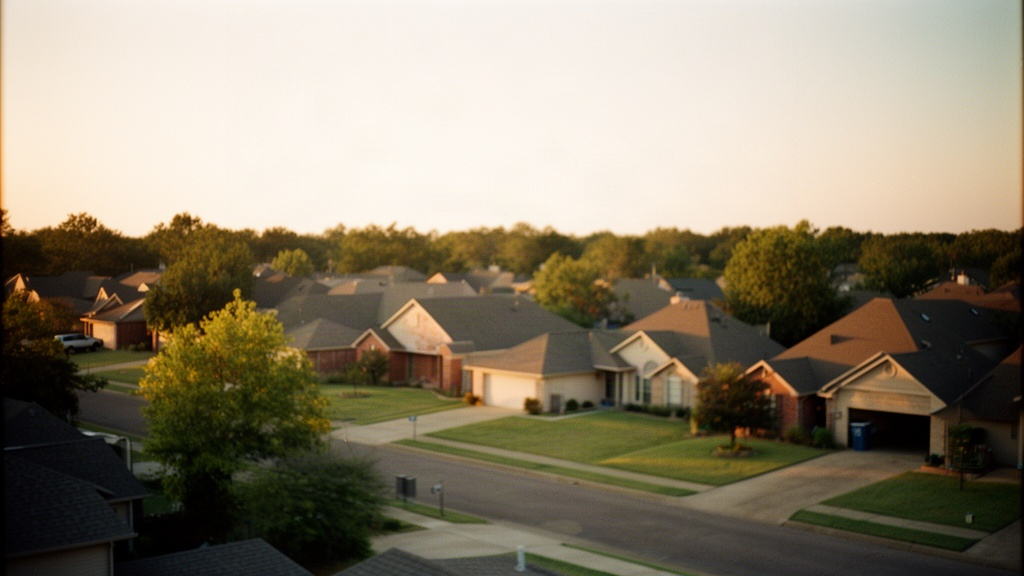
The residential streets feeding off Old Hickory Boulevard contain a wide mix of construction eras and styles. You will find brick ranch homes built in the 1960s and 1970s sitting alongside vinyl-sided colonials from the 1990s and newer construction from the 2010s and early 2020s. Lot sizes tend to be generous by Tennessee standards, with many properties in the 0.25-to-0.5-acre range, and mature tree canopy is common throughout the older sections.
Square footage in this area runs from roughly 1,200 square feet for smaller ranch-style homes up to 3,500 square feet or more in the larger established subdivisions. Three-bedroom, two-bathroom homes are the most common configuration, though four-bedroom homes appear frequently in the subdivisions that were developed after 2000. Garages, both attached and detached, are standard rather than exceptional in this part of Jackson.
2. Current Prices in the Old Hickory Boulevard Area of Jackson, Tennessee
As of September 2026, the Old Hickory Boulevard area of Jackson, Tennessee sits in a price range that reflects broader trends across the city: values have risen steadily over the past two years but remain well below national median figures, which continues to attract buyers from higher-cost Tennessee markets like Nashville and Memphis. The Jackson market overall has shown resilience even as mortgage rates have remained elevated, partly because local employment in healthcare, logistics, and manufacturing has stayed relatively stable.
Entry-Level and Mid-Range Homes
Entry-level homes in the residential streets closest to Old Hickory Boulevard currently list in the $160,000 to $220,000 range. These are typically older ranch homes, some with original kitchens and bathrooms, that offer solid bones and larger lots at a price point that still works for first-time buyers using FHA or conventional financing. Updated versions of these same homes, with renovated kitchens, new HVAC systems, and fresh flooring, tend to list between $220,000 and $270,000.
The mid-range segment, homes priced between $270,000 and $360,000, is where the most transaction volume happens in this corridor. Buyers in this bracket are typically looking at homes built between 1990 and 2015, often in named subdivisions with established landscaping, three to four bedrooms, and two-car garages. These properties move relatively quickly when priced correctly; many go under contract within two to four weeks of listing, though that timeline can stretch in slower months.
For broader context on where Jackson sits within the Tennessee housing market, Tennessee REALTORS market statistics publish monthly data on median prices and days on market statewide, which can help you benchmark what you are seeing locally against state-level movement.
Upper Price Tiers Along the Corridor
Homes priced above $360,000 in the Old Hickory Boulevard area are typically newer construction or extensively renovated properties, often with four or more bedrooms, formal dining rooms, and upgraded finishes throughout. The $360,000 to $500,000 bracket includes some of the larger homes in established north Jackson subdivisions, as well as newer builds in planned communities that have opened in the past five years. Above $500,000, inventory thins considerably; these properties tend to sit on the market longer and require more patient pricing strategies from sellers.
Price per square foot in the broader Old Hickory Boulevard corridor currently runs between roughly $110 and $160, depending on the age of the home, the specific street, and the condition of finishes. Newly built homes in this area sometimes push above $160 per square foot when builder upgrades are included. Older homes needing cosmetic work can still be found below $110 per square foot, though those opportunities are becoming less frequent as the market has absorbed much of the distressed inventory from earlier years.
3. Neighborhoods That Sit Along and Near Old Hickory Boulevard
The Old Hickory Boulevard area of Jackson, Tennessee real estate market is not a single neighborhood but a collection of distinct residential pockets, each with its own character, price range, and housing type. Understanding which pocket fits your priorities requires looking at lot size, construction era, proximity to the boulevard itself, and what amenities sit within a short drive.
North Jackson Residential Pockets
The north Jackson residential streets that feed directly off Old Hickory Boulevard tend to be quieter cul-de-sac and loop configurations, which limits through traffic and gives neighborhoods a more contained feel. Many of these streets were developed in the 1970s and 1980s, so you see a lot of brick exteriors, single-story layouts, and mature shade trees. Properties here typically sit on lots between 0.2 and 0.4 acres, with fenced backyards being common on homes that have been updated in the past decade.
If you want a deeper look at the day-to-day texture of north Jackson living, the North Highland neighborhood guide on this site covers what residents actually experience week to week, from errands to green space to commute patterns.
Established Subdivisions Off the Boulevard
Several named subdivisions sit within a half-mile to one-mile radius of Old Hickory Boulevard and account for a significant share of the resale inventory that comes to market each year. These subdivisions generally feature homeowner association covenants that maintain consistent exterior standards, which tends to keep property values more stable over time. Lot sizes in these communities range from 0.15 acres in the denser sections to over 0.5 acres in the larger, older phases of development.
Newer construction has also entered the picture in this zone. Builders have been active in north Jackson, and some of the newest subdivisions sit close enough to Old Hickory Boulevard to benefit from its retail access while still offering fresh construction warranties and modern floor plans. For a full breakdown of what is being built right now across Jackson, the new housing developments guide for 2026 covers active projects across the city with specific detail on location and price points.
Lawson McGhee Park and other green spaces in north Jackson give residents off-boulevard access to walking trails and open recreation without requiring a long drive. The proximity of Tigrett Middle School and other Madison County schools to parts of this corridor is worth noting for buyers who want to research school zones; the Madison County school district guide on this site explains how to look up zone assignments and where to find official district information.
4. Market Timing: When to Buy or Sell Near Old Hickory Boulevard
Timing in the Old Hickory Boulevard area of Jackson, Tennessee follows seasonal rhythms that are consistent with the broader Jackson market, though the corridor's year-round retail activity and employment anchor means demand does not drop as sharply in winter as it does in more suburban-only markets. Understanding these rhythms helps both buyers and sellers make more deliberate decisions rather than reacting to whatever happens to be listed when they start looking.
Seasonal Patterns in Jackson's Market
Spring, specifically March through June, is when the most homes come to market in the Old Hickory Boulevard corridor and when buyer competition tends to peak. Sellers who list in this window typically see more showings per week and faster offers, though they also face more competition from other sellers. Homes in move-in condition priced at or slightly below comparable sales tend to generate multiple offers during this period, particularly in the $200,000 to $320,000 range where buyer demand is deepest.
Summer, from July through August, sees continued activity but with some slowdown as families settle in before the school year. Fall, particularly September and October, can be a strong window for both buyers and sellers. Buyer pools are still active, and sellers who missed the spring rush often price more competitively to move before the holiday season. Right now, in September 2026, the market is in this transitional fall window, which creates real opportunity for motivated buyers who were priced out or outcompeted in spring.
Winter, from November through February, brings the fewest new listings and the least buyer traffic in this corridor. Sellers who list in winter are often highly motivated, which can create negotiating room for buyers willing to shop in colder months. Inventory is thinner, but so is competition. For buyers who are flexible on timing, winter shopping in the Old Hickory Boulevard area has historically produced some of the best negotiated prices.
Days on Market and What It Signals
Across Jackson broadly, median days on market in 2026 has hovered in the 30-to-50-day range depending on price tier and month, with well-priced homes in the Old Hickory Boulevard corridor often moving faster than the city median. Homes that sit beyond 60 days typically have a pricing issue or a condition problem that buyers are signaling through their absence. For a current, data-driven look at how long homes are sitting before they sell across Jackson right now, the days on market guide on this site breaks it down by price range and condition.
For broader Tennessee market context, Redfin's Jackson, TN housing market data tracks median sale price, days on market, and sale-to-list ratios updated monthly, which gives buyers and sellers a useful benchmark alongside local agent knowledge.
5. What Buyers and Sellers Should Know Before Acting in This Area
The Old Hickory Boulevard area of Jackson, Tennessee real estate market rewards preparation. Buyers who show up with financing in place and a clear sense of their price range move faster when the right property appears. Sellers who understand their competition before listing avoid the costly mistake of sitting on the market too long and then chasing the price down.
Due Diligence Steps Specific to This Corridor
Buyers purchasing older homes in the streets closest to Old Hickory Boulevard should budget for a thorough inspection that specifically addresses HVAC age, roof condition, and the status of plumbing in homes built before 1985. Many of the brick ranch homes in this corridor are 40 to 50 years old, and while they are structurally solid, deferred maintenance on mechanical systems is common. A $400 to $500 inspection investment can surface issues that justify negotiating thousands off the price or requesting seller repairs.
For homes in subdivisions with HOA covenants, buyers should request and review the HOA documents before going under contract, not after. Annual dues in north Jackson HOAs typically run between $200 and $600 per year, but some communities have higher dues that include amenities like pools or common area maintenance. Knowing this upfront affects your true monthly cost calculation.
Frequently Overlooked Costs and Considerations
Property taxes in Madison County are generally considered moderate compared to Tennessee's larger metro counties, but buyers should verify the current assessed value and tax rate directly with the Madison County Assessor's office before closing. A home that has been owned for many years may have a lower assessed value than its current market price, and reassessment after sale can result in a higher tax bill than what the previous owner paid.
Sellers in this corridor should pay attention to how their home compares to recently closed sales, not just active listings. Active listings represent asking prices; closed sales represent what buyers actually paid. In a market where some sellers are still testing elevated prices from the 2022 and 2023 run-up, the gap between list price and sale price can be meaningful. A local agent with specific transaction history in this area will give you a much sharper picture than any automated valuation tool.
If you are still deciding whether Jackson is the right move overall, the full buying process guide for Jackson, Tennessee walks through every step from pre-approval to closing, including what costs to expect and how long the process typically takes in this market.
FAQ
What is the median home price in the Old Hickory Boulevard area of Jackson, Tennessee right now?
As of September 2026, homes in the residential streets along and near Old Hickory Boulevard in Jackson, Tennessee are generally priced between $160,000 and $500,000, with the most active segment sitting in the $220,000 to $360,000 range. Entry-level homes, typically older brick ranches in need of some updating, start around $160,000. Mid-range homes in established subdivisions with updated finishes tend to list in the $270,000 to $360,000 bracket. Price per square foot across the corridor runs roughly $110 to $160 depending on age, condition, and location. These figures reflect the broader Jackson market trend of steady appreciation over the past two years, though values remain well below the Tennessee statewide median in most categories.
Is it a good time to sell a home near Old Hickory Boulevard in Jackson, Tennessee?
September 2026 sits in the fall transition window, which is historically a productive time to sell in the Old Hickory Boulevard corridor. Buyer demand remains active after the summer slowdown, and motivated sellers who price correctly relative to recent closed sales, not just active listings, tend to find buyers within 30 to 45 days. The key variable is pricing discipline: homes that list above what comparable sales support tend to sit and then require price reductions that can cost more than the original overpricing gained. If your home is in good condition and priced at or near market value, fall 2026 offers a reasonable window before the winter slowdown arrives in November.
What types of homes are most common in the neighborhoods off Old Hickory Boulevard in Jackson, Tennessee?
The housing stock in the neighborhoods branching off Old Hickory Boulevard covers a wide range of eras and styles. The oldest sections, developed in the 1960s and 1970s, feature primarily single-story brick ranch homes on lots of 0.25 acres or more, with mature trees and established landscaping. Streets developed in the 1980s and 1990s include more two-story colonials and split-level designs, often with vinyl or combination brick-and-vinyl exteriors. Newer subdivisions from the 2000s through the early 2020s bring more open floor plans, larger primary suites, and two-car attached garages as standard features. Three-bedroom, two-bathroom configurations are the most common across all eras, though four-bedroom homes are widely available in the mid-range and upper price tiers.