
← Back to Blog
Market Trends
Pelham, New Hampshire Has the Strongest Reputation Real Estate Market Guide: Prices, Neighborhoods and Timing
By Ashley OConnor
William Raveis
September 24, 2026 · 11 min read
Pelham, New Hampshire has built one of the strongest reputations in southern New Hampshire real estate, drawing buyers who want low taxes relative to Massachusetts, a genuine small-town feel, and a straightforward commute to the greater Boston area. This guide covers what that reputation is actually built on: current price ranges, how the different parts of town differ from one another, what conditions look like right now in September 2026, and how to time a move here whether you are buying or selling.
1. What Makes Pelham's Real Estate Reputation So Durable
Pelham's reputation in the real estate market is built on a few concrete advantages that do not change with interest rates or economic cycles. New Hampshire has no state income tax and no broad-based sales tax. For a buyer crossing from Massachusetts, that structural difference in take-home pay is meaningful every single month, not just at closing. Pelham sits right on the state line, which means the commute to Lowell, Methuen, or Lawrence is measured in minutes rather than an hour.
The Tax Advantage That Keeps Driving Demand
Pelham's property tax rate has historically run lower than many comparable Massachusetts towns, even accounting for the fact that New Hampshire relies more heavily on property taxes to fund local services. If you want a detailed breakdown of what the current rate means for your monthly payment on a specific price point, the article on Pelham's 2026 property tax rate and monthly payment impact walks through the math clearly.
The combined effect of no income tax and a manageable property tax bill is one reason Pelham consistently sees demand from buyers who have done the math and concluded they come out ahead by moving across the state line, even if the purchase price is similar to what they would pay in northeastern Massachusetts.
The Physical Character of the Town
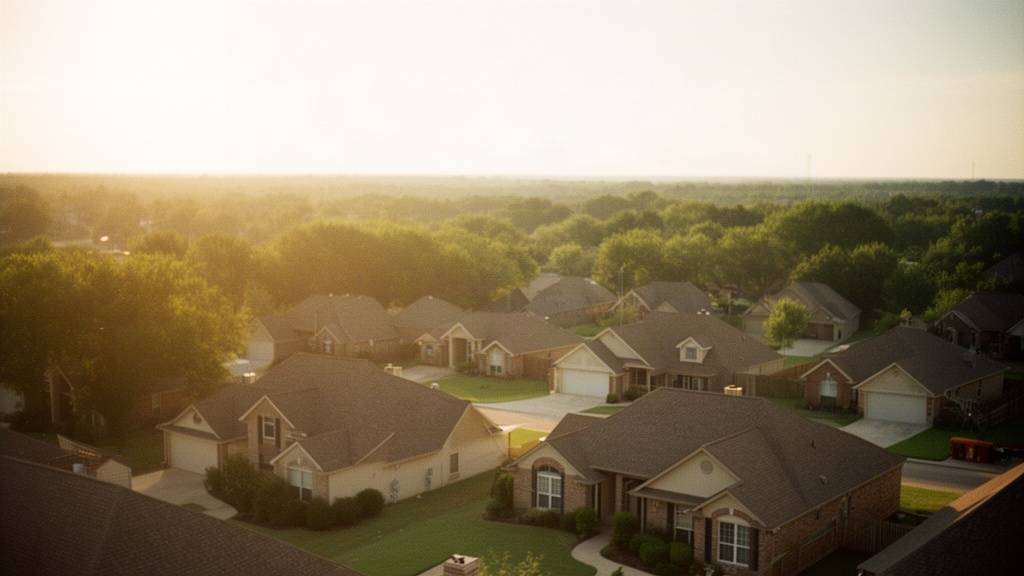
Pelham covers roughly 26 square miles with a population of around 14,000 people. There is no downtown grid of commercial blocks. Instead, the town is organized around two-lane roads, wooded lots, and a handful of ponds, with Beaver Lake being the most prominent. The housing stock is largely single-family homes built between the 1960s and the early 2000s, with a meaningful share of cape-style and colonial-style construction on lots that range from half an acre to several acres.
That character, quiet, wooded, and residential without being remote, is exactly what sustains Pelham's reputation. There is no industrial zone to worry about and no dense commercial strip cutting through the center of town. The trade-off is that most errands require driving, which is worth understanding before you commit.
2. Pelham Home Prices: What Buyers Are Actually Paying Right Now
Pelham home prices in September 2026 reflect both the town's sustained desirability and the broader pressure on southern New Hampshire inventory. Prices have held firm through 2026 even as some parts of the state have shown signs of softening. For the most granular month-by-month data, the dedicated article on what home prices are doing in Pelham NH right now in September 2026 goes deeper into the numbers.
The Median and What It Means
The median sale price for a single-family home in Pelham currently sits in the range of $550,000 to $590,000, based on closed sales tracked through mid-2026. That figure represents a meaningful increase from the $480,000 to $510,000 range that characterized 2023 and early 2024. The pace of appreciation has moderated in 2026 compared to the rapid gains of 2021 and 2022, but values have not retreated.
The median is useful as a starting point, but it can obscure a wide spread. Entry-level capes and ranches in need of updating can still be found in the $430,000 to $480,000 range. Larger colonials on wooded lots of an acre or more, particularly near Beaver Lake or with recent renovations, regularly close above $650,000 and sometimes approach $800,000.
Price by Housing Type
Pelham is overwhelmingly a single-family market. Condominiums exist in small numbers, primarily in a handful of townhouse-style developments, and they tend to close in the $280,000 to $380,000 range depending on size and condition. Multi-family properties are rare and typically sell off-market or attract significant competition when they do appear publicly, given how few rental options exist in town.
How Pelham Compares to the Broader Southern NH Market
Southern New Hampshire as a whole has remained one of the tighter housing markets in New England. According to NHPR's April 2026 analysis of whether New Hampshire's housing market is cooling, statewide inventory remains well below historical norms even as buyer demand has tempered slightly from its 2021 peak. Pelham tracks closely with that pattern. Neighboring Windham tends to carry higher price points, while Hudson and Londonderry offer more inventory at slightly lower medians. Pelham sits in the middle of that range but with fewer listings at any given time.
3. Pelham Neighborhoods and Areas: What Each Part of Town Offers
Pelham does not have formally named neighborhoods in the way a larger city does. Buyers and agents tend to describe properties by the road corridor or the water feature they are near, and those distinctions do carry real differences in price, lot character, and commute convenience. Every area in town feeds into the same school district, so the choice between one part of town and another comes down to what the land and housing stock look like, not administrative boundaries.
The Beaver Lake Area
Beaver Lake is Pelham's most recognizable geographic feature and the focal point of the town's most sought-after residential pockets. Homes on or directly adjacent to the lake are a distinct sub-market, with waterfront properties commanding prices well above the town median. The surrounding roads, including Beaver Lake Road and the streets that branch off it, feature a mix of year-round homes that were originally seasonal cottages and have since been expanded, as well as newer construction on larger lots. For a thorough look at that specific sub-market, the article on the Beaver Lake area real estate market covers pricing and inventory in detail.
Beyond the waterfront lots, the broader Beaver Lake vicinity includes wooded streets where half-acre to one-acre lots are common, homes tend to be colonials and raised ranches built from the 1970s through the 1990s, and the feel is distinctly private without being isolated. Pelham's town beach on Beaver Lake is open to residents, which adds a tangible seasonal amenity to properties in that area.
Route 38 and the Town Center Corridor
Route 38 runs north to south through the western side of Pelham and connects directly to Lowell, Massachusetts to the south and Londonderry to the north. Properties along and near Route 38 tend to be on smaller lots and closer to whatever commercial services exist in town, including the small cluster of shops near the Pelham town center. Homes in this corridor are often priced at the lower end of the Pelham range, making them the entry point for buyers whose budget is closer to $430,000 to $500,000.
The Route 38 corridor also offers the most direct access to the Massachusetts border, which matters for buyers who commute south daily. The drive to the Lowell commuter rail station from this part of Pelham is roughly 10 to 15 minutes, making it one of the more transit-accessible parts of an otherwise car-dependent town.
The Windham Road and East Pelham Pockets
The eastern and northeastern parts of Pelham, accessible via Windham Road and several quieter side streets, feature some of the largest lots in town. One to three-acre parcels are not unusual here, and the housing stock includes a higher proportion of larger colonials and custom-built homes from the 1990s and 2000s. Prices in this area often run above the town median, particularly for homes that have been updated in the last decade.
This part of town borders Windham, which itself carries some of the highest residential price points in Rockingham County. Buyers priced out of Windham sometimes find comparable lot sizes and home quality in eastern Pelham at a 10 to 15 percent lower price point, which is one reason this area sees consistent demand.
4. Market Conditions in September 2026: Inventory, Competition, and Days on Market
Right now in September 2026, Pelham remains a seller-leaning market, though conditions are less extreme than they were in 2021 and 2022. Active inventory in town at any given time typically hovers between 15 and 30 single-family listings, which is low for a town of Pelham's size. That scarcity keeps upward pressure on prices even as buyer pools have thinned somewhat due to elevated mortgage rates.
How Tight Is Inventory Right Now
Months of supply in Pelham currently sits below two months for move-in-ready single-family homes priced between $500,000 and $650,000. That is the segment with the most buyer activity and the least inventory. Homes priced above $700,000 tend to sit longer, often 30 to 60 days, because the buyer pool is smaller and financing becomes more complex at those price points. Below $480,000, inventory is scarce simply because very few homes in Pelham come to market at that price anymore.
What Sellers Are Experiencing
Well-priced, well-presented homes in Pelham are still receiving multiple offers in September 2026, particularly in the $520,000 to $620,000 range. The key word is well-priced. Sellers who push above recent comparable sales are finding that buyers are more willing to wait than they were two years ago. Overpriced listings are sitting, accumulating days on market, and eventually reducing. The sellers who are succeeding are those who price accurately from day one and present the home cleanly.
If you are weighing whether to list this fall or hold until spring, the article on whether fall 2026 or spring 2027 is the better time to sell in Pelham breaks down that decision with current data.
What Buyers Should Expect
Buyers entering Pelham right now should expect to move quickly on homes that check their boxes. A well-located colonial in good condition can go under contract within a week of listing. Pre-approval is not optional; it is the baseline expectation before any offer is considered. Buyers who are not pre-approved are effectively sidelined in this market.
Contingencies are still being written into contracts, but sellers are less tolerant of extended inspection periods or financing contingencies with loose timelines than they were before rates rose. Working with an agent who knows the local norms and has existing relationships in town makes a real difference in how smoothly an offer is received.
5. Timing Your Move: When to Buy or Sell in Pelham
Timing in Pelham follows the same broad seasonal rhythm as the rest of New England, but with some local nuances worth understanding. Spring, specifically March through June, is when the most listings hit the market and when buyer competition peaks. Fall brings a secondary wave of activity in September and October before things quiet down considerably in November and December.
The Seasonal Pattern in Pelham Specifically
Pelham's market tends to see its highest number of new listings in April and May, when sellers who have been waiting out the winter decide to move. That is also when buyer competition is most intense. Buyers who can tolerate the slower fall and winter market sometimes find less competition and more negotiating room, though the trade-off is a thinner selection of available homes.
For sellers, the conventional wisdom is to list in spring. That remains largely true in Pelham, but fall listings that are priced and presented well do not languish the way they might in a rural market. The buyer pool in Pelham is driven heavily by people relocating from Massachusetts who are on employment-driven timelines, and those buyers move year-round.
Fall 2026 Conditions
September 2026 is an active month in Pelham. Buyers who did not find what they wanted during the spring and summer are still searching, and new listings coming to market now face a motivated audience. The window before Thanksgiving tends to be productive for both sides. After that, activity drops sharply and does not recover until late February or March.
How Mortgage Rates Are Shaping Decisions
Rates on 30-year fixed mortgages have remained in the 6.5 to 7.2 percent range through most of 2026, which has reduced purchasing power compared to the low-rate environment of 2020 and 2021. That reality has taken some buyers out of the market entirely and pushed others toward smaller homes or different towns. In Pelham, it has contributed to a modest slowdown at the upper end of the price range, but the core $500,000 to $620,000 segment remains competitive because the buyer pool at that price point is still large relative to available inventory.
Buyers who are waiting for rates to drop before purchasing face a real risk in Pelham specifically: if rates fall meaningfully, more buyers will enter the market and push prices higher, potentially offsetting the savings on the monthly payment. The math on waiting is not as straightforward as it might seem.
For context on how Pelham fits into the statewide picture, Norada Real Estate's New Hampshire housing market forecast for 2025 and 2026 provides a useful statewide data backdrop that helps explain why southern NH towns like Pelham continue to hold value even as some other regions soften.
If you are trying to understand how long the buying process actually takes once you are ready to move, the article on how long it takes to buy a house in Pelham NH right now is a practical read before you start the search.
FAQ
Why does Pelham, New Hampshire have such a strong reputation as a real estate market?
Pelham's reputation comes from a combination of factors that hold up over time: proximity to the Massachusetts border, New Hampshire's tax structure with no state income tax, a quiet residential character built around wooded lots and ponds, and consistent demand from buyers relocating from northeastern Massachusetts. The town has relatively low inventory at any given time, which keeps values stable even when broader market conditions shift. That combination of lifestyle appeal and financial advantage is what has sustained Pelham's standing in the southern New Hampshire real estate market for decades.
What is the typical price range for a home in Pelham, NH in 2026?
In September 2026, the median sale price for a single-family home in Pelham is in the range of $550,000 to $590,000. Entry-level homes, typically smaller capes or ranches that need updating, can be found in the $430,000 to $480,000 range, while larger colonials on wooded lots of an acre or more often close above $650,000. Waterfront properties on Beaver Lake represent a separate sub-market and can reach significantly higher prices depending on frontage and condition. Condominiums, which are far less common in Pelham, typically sell in the $280,000 to $380,000 range.
Is now a good time to buy a home in Pelham, NH, or should I wait?
Whether now is the right time depends on your personal financial situation and how long you plan to stay in the home, but the market conditions in September 2026 do not strongly favor waiting. Inventory in Pelham is low, prices have held firm through 2026, and if mortgage rates drop in the coming year, increased buyer competition could push prices higher and offset any savings on the rate. Buyers who are financially ready and have found a home that fits their needs are generally better served by moving forward than by trying to time the market. An agent with specific knowledge of Pelham's inventory and pricing patterns can help you evaluate any specific property against recent comparable sales.