
← Back to Blog
Selling
Selling a Home in Pelham, New Hampshire: Pricing, Timeline and What to Expect
By Ashley OConnor
William Raveis
September 23, 2026 · 10 min read
Selling a home in Pelham, New Hampshire involves more moving parts than most sellers anticipate, from setting the right price in a market where inventory stays tight to navigating the gap between listing day and closing day. This guide covers the full picture: current pricing benchmarks, a realistic week-by-week timeline, and the practical details that determine whether your sale goes smoothly or gets stuck.
1. What the Pelham NH Market Looks Like for Sellers Right Now
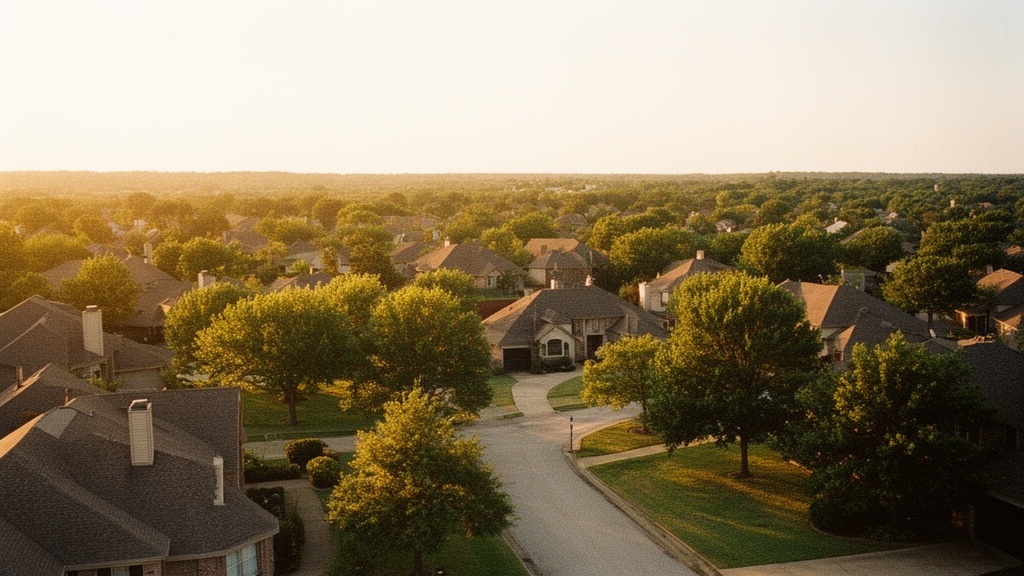
Pelham is a sellers' market in September 2026. Inventory remains well below the six-month supply that signals a balanced market, and homes priced correctly are still drawing multiple offers within the first week or two on market. That said, the frenzied pace of 2021 and 2022 has cooled enough that overpriced listings now sit, which means pricing discipline matters more than ever.
Inventory and Demand in September 2026
Pelham sits in Hillsborough County along the Massachusetts border, and its proximity to Route 93 and Route 3 keeps demand steady from buyers priced out of Nashua and from Massachusetts relocators looking to shed the Bay State income tax. New Hampshire's overall housing supply shortage has been well-documented: HousingWire has reported extensively on how the state's constrained inventory has kept upward pressure on prices across southern New Hampshire, and Pelham reflects that pattern. The town's largely residential character, with no large apartment complexes and limited commercial development, means new supply enters the market slowly.
For context on current pricing benchmarks, see the detailed breakdown in the companion article What Are Home Prices Doing in Pelham NH Right Now in September 2026. That piece tracks median sale prices, days on market, and list-to-sale price ratios specific to Pelham.
What Buyers Are Competing For
The most active price range in Pelham runs from roughly $475,000 to $650,000, which covers the bulk of the town's colonial, cape, and raised ranch inventory on lots ranging from half an acre to two acres. Homes with three or four bedrooms, an attached garage, and a finished basement tend to generate the most interest. Properties near Pelham's larger recreation areas, including the land around Pelham Town Forest and the trails off Mammoth Road, draw buyers who specifically want that wooded, spacious feel without giving up commute access.
Homes priced above $750,000 move more slowly and require stronger marketing. That upper tier exists in Pelham, particularly on larger parcels along the town's quieter roads, but buyer pools thin out at that level and sellers need to be patient or strategic with timing.
2. How to Price Your Pelham Home Correctly
Pricing is the single decision that shapes everything else about your sale. Set it too high and you train buyers to ignore your listing; set it too low and you leave money on the table. In Pelham's current market, the right price is one that attracts enough showings in the first ten days to generate competing offers, not one that simply feels good based on what a neighbor sold for two years ago.
How Comparative Market Analysis Works Here
A comparative market analysis, or CMA, pulls recent sales of homes similar to yours within a defined radius, typically within Pelham itself and occasionally dipping into adjacent Windham or Londonderry when comparable properties are scarce. The key variables are square footage, bedroom and bathroom count, lot size, garage configuration, basement finish, and age of major systems like the roof, HVAC, and water heater.
Pelham's housing stock is not uniform, which makes CMAs more nuanced than in a subdivision where every house is nearly identical. A 1980s cape on a two-acre lot off Nashua Road does not price the same way as a 2005 colonial in a cul-de-sac development near the Windham line. Your agent needs to know the difference and adjust accordingly.
Common Pricing Mistakes Pelham Sellers Make
The most common mistake is anchoring to a Zestimate or an automated valuation tool. Those tools do not account for the condition of your specific home, recent updates, or the micro-level demand in Pelham versus a neighboring town. A finished walkout basement that backs to conservation land adds meaningful value here; an automated tool may not capture that at all.
A second common error is pricing to leave room to negotiate. Buyers in Pelham are well-informed and often working with buyer's agents who run their own CMAs. A home priced $30,000 above market does not attract offers that then get negotiated down; it simply attracts fewer showings. Fewer showings means less leverage, not more.
3. The Selling Timeline: From Prep to Closing
Most Pelham home sales take between 60 and 90 days from the start of preparation to the closing table. That window breaks into three distinct phases: pre-listing preparation, the active listing period, and the under-contract phase. Each phase has its own demands and potential delays, and understanding them upfront helps sellers plan around work schedules, school calendars, and their own move logistics.
Pre-Listing Preparation
Budget two to four weeks for preparation before your home hits the MLS. This phase includes decluttering and depersonalizing, completing minor repairs, professional photography, and any staging work. In Pelham, where many homes have wooded lots and seasonal landscaping, sellers listing in fall should plan for lawn cleanup and exterior touch-ups so the first impression from the driveway is strong.
Some sellers choose to do a pre-listing inspection at this stage. Spending $400 to $500 on an inspection before you list lets you find and fix issues on your own timeline rather than scrambling after a buyer's inspector surfaces them. It also signals transparency to buyers, which can reduce the friction in post-inspection negotiations.
Active Listing Phase
Once live on the MLS, well-priced Pelham homes typically receive their strongest activity in the first seven to fourteen days. This is when showings cluster, open houses happen, and offers arrive. If a home has not received serious offers by day twenty-one, that is a signal to revisit the price or the presentation, not to wait longer.
Offer review periods in Pelham's market often run three to five days. Your agent will set a deadline for best-and-final offers, then review them together with you. Beyond price, you will evaluate financing contingencies, inspection contingencies, proposed closing dates, and whether the buyer is pre-approved or pre-qualified. A higher offer with a shaky financing situation can be riskier than a slightly lower offer with a strong pre-approval letter from a local lender.
Under Contract Through Closing
Once you accept an offer, the under-contract phase typically runs 30 to 45 days in New Hampshire. During this window, the buyer schedules their home inspection (usually within the first ten days), the lender orders an appraisal, title work is completed, and both sides work toward a closing date. Cash deals can close faster, sometimes in two to three weeks, but financed purchases follow the lender's timeline.
New Hampshire closings are handled by attorneys, not title companies, which is different from Massachusetts practice. The buyer's attorney typically handles the closing, and sellers should plan to sign documents either at the closing table or in advance via a power of attorney if they cannot attend in person. Closings in the Pelham area typically take place at an attorney's office in Nashua or Manchester.
4. What Sellers Pay: Costs, Concessions and Net Proceeds
Sellers in Pelham typically net between 92% and 96% of their gross sale price after all costs. The exact figure depends on the commission structure, whether you pay any buyer concessions, your remaining mortgage balance, and any repairs or credits negotiated after inspection. Running a net sheet before you list, not after you accept an offer, is essential for making informed decisions.
Typical Seller Costs in New Hampshire
New Hampshire does not have a state income tax, which is one of the reasons sellers relocating from Massachusetts find the overall financial picture here more favorable. However, sellers do pay a real estate transfer tax at the time of closing. In New Hampshire, the transfer tax is $0.75 per $100 of the sale price, split equally between buyer and seller, so on a $550,000 sale the seller's share is $2,062.50.
Beyond the transfer tax, sellers pay their agent's commission, attorney fees for document preparation on the seller's side (typically $500 to $1,000), any agreed-upon repair credits, and prorated property taxes through the date of closing. Pelham's property tax rate is one of the details that affects how much you owe at the closing table if your taxes are not escrowed month to month.
Buyer Concessions and How to Handle Them
In a competitive market, buyers may ask sellers to contribute toward their closing costs. This is called a seller concession or seller credit, and it is more common when buyers are stretching their budget or using loan programs that limit out-of-pocket costs at closing. A seller concession of two to three percent of the sale price is within normal range; anything higher should prompt a careful look at whether the net proceeds still make sense for you.
For a full breakdown of what buyers pay at closing in Pelham, including lender fees, title costs, and prepaid items, the article How Much Are Closing Costs and Other Fees When Buying a Home in Pelham, New Hampshire covers that side of the transaction in detail. Understanding what your buyer is paying helps you evaluate concession requests more clearly.
5. What to Expect During Inspections, Appraisals and Negotiations
The inspection and appraisal period is where many deals hit turbulence, but most issues are solvable if you approach them with clear expectations. Pelham's housing stock includes a significant number of homes built between 1970 and 2000, and those properties often surface items like aging oil tanks, older electrical panels, or roof systems that are functional but near the end of their useful life. None of these are automatic deal-killers, but sellers should be prepared for them to come up.
Home Inspection in Pelham
A standard home inspection in the Pelham area covers the structure, roof, foundation, electrical, plumbing, HVAC, and visible insulation. Many buyers also add a radon test, which is common throughout New Hampshire given the state's granite geology. Radon mitigation systems, if needed, typically cost $800 to $1,500 and are a straightforward fix that buyers and sellers negotiate routinely.
If your home has a private well and septic system, which is the case for the majority of Pelham properties given the town's rural character and lack of municipal water and sewer in most areas, expect the buyer to request a well water test and a septic inspection. These are separate from the standard home inspection and add a few days to the inspection window. Well tests check for coliform bacteria, nitrates, and arsenic, all of which are tested routinely in southern New Hampshire.
The Appraisal Process
If the buyer is financing, their lender will order an appraisal after the purchase and sale agreement is signed. The appraiser visits the property, measures it, notes condition, and pulls comparable sales to determine whether the agreed-upon price is supported by the market. In Pelham, where comparable sales can sometimes be limited by the town's size, appraisers may pull comps from Windham, Londonderry, or Hudson.
If the appraisal comes in below the purchase price, you have three options: reduce the price to the appraised value, ask the buyer to cover the gap in cash, or split the difference. In a market where buyers competed hard to win the property, many are willing to bring additional cash to close a gap. Your agent can help you read the situation and respond strategically.
Negotiating After Inspection
Post-inspection negotiation in New Hampshire typically takes one of two forms: the buyer requests specific repairs before closing, or the buyer requests a credit at closing in lieu of repairs. Credits are often cleaner for both sides because they avoid the complexity of coordinating contractors on a timeline. For example, if an inspector flags an aging furnace, a seller credit of $2,500 to $3,500 lets the buyer handle the replacement on their own schedule after closing.
Sellers should resist the instinct to fight every inspection item. Buyers are not trying to renegotiate the entire deal; they are trying to feel confident about what they are purchasing. Addressing legitimate concerns reasonably keeps the deal together and avoids the cost and delay of starting over with a new buyer.
For a broader look at how the Pelham market compares across different times of year, including how fall listings perform relative to spring, the Pelham, New Hampshire Real Estate Market Guide covers seasonal patterns and timing considerations in depth.
FAQ
How long does it typically take to sell a home in Pelham, NH?
From the start of pre-listing preparation through closing, most Pelham home sales take 60 to 90 days. The active listing period for a well-priced home is usually one to three weeks, during which showings and offers come in. Once under contract, the buyer's inspection, appraisal, and lender underwriting typically add 30 to 45 days before closing. Cash transactions can compress that timeline significantly, sometimes closing in two to three weeks from accepted offer. Delays most commonly come from inspection negotiations, appraisal gaps, or lender underwriting backlogs.
Do I need to make repairs before listing my Pelham home?
You are not legally required to make repairs before listing, but strategic pre-listing repairs can meaningfully affect your sale price and the smoothness of the transaction. In Pelham, where many homes are 20 to 50 years old, buyers expect some deferred maintenance, but obvious issues like a leaking roof, a failed septic system, or a condemned heating system will either kill a deal or force a steep price reduction. Cosmetic updates like fresh paint, cleaned carpets, and functioning fixtures have strong return on investment because they affect the first impression and the appraisal. Your agent can help you prioritize which repairs are worth doing and which are better handled as a credit at closing.
What is the best time of year to sell a home in Pelham, New Hampshire?
Spring, specifically March through June, is historically the most active period for home sales in Pelham and across southern New Hampshire, as buyer demand peaks when families want to move before the school year starts. That said, fall listings in September and October can perform well in Pelham's current low-inventory environment because motivated buyers who did not find a home in the spring are still actively searching with less competition from other listings. Winter listings carry more risk of slower activity, though serious buyers in December and January tend to be highly motivated. The right timing depends on your personal situation, your home's condition, and current market conditions, which is a conversation worth having with a local agent before you commit to a date.