← Back to Blog
Market Trends
Milton, Florida: Why Agents Refer Their Clients to This Real Estate Market Guide on Prices, Neighborhoods and Timing
By Ashley Parks
October 3, 2026 · 11 min read
When people ask their agent where to start before buying or selling in Milton, Florida, a thorough real estate market guide covering prices, neighborhoods, and timing is exactly what gets shared first. This guide pulls together the numbers, the local context, and the practical details that matter most to buyers, sellers, and people relocating to Santa Rosa County. Whether you are comparing neighborhoods along the Blackwater River or trying to decide whether October 2026 is the right moment to list, the information below gives you a grounded starting point.
1. What the Milton, Florida Real Estate Market Looks Like Right Now
Milton's housing market in October 2026 is moderating after several years of sharp appreciation, and that shift creates real opportunities for both buyers and sellers who understand the current data. Inventory has loosened compared to the near-zero supply conditions of 2022 and 2023, but the market has not swung into oversupply. Homes that are priced correctly and show well are still moving, while overpriced listings are sitting longer and eventually accepting reductions.
Current Price Ranges and Inventory
As of October 2026, the median sale price for a single-family home in Milton, Florida sits in the low-to-mid $300,000s, with entry-level homes on smaller lots starting around $240,000 and larger properties on acreage pushing past $500,000. According to current data tracked on Redfin's Milton housing market page, the market has seen price growth slow considerably from the double-digit annual gains recorded in 2021 and 2022. That moderation is consistent with broader trends across Northwest Florida.
Active listings in Santa Rosa County have increased meaningfully since early 2025, giving buyers more choices than they had two years ago. Days on market for the average Milton listing now runs roughly 30 to 55 days, compared to the sub-20-day pace seen during the peak frenzy. That extra time gives buyers room to conduct proper inspections and negotiate, which was nearly impossible in 2022.
How Milton Compares to Surrounding Areas
Milton sits about 25 miles northeast of downtown Pensacola and roughly 18 miles from Pensacola Beach via the Mid-Bay area. That geography matters for pricing. Comparable square footage in Pensacola proper or in Gulf Breeze typically commands a 15 to 25 percent premium over Milton. Buyers who prioritize lot size, newer construction, or acreage often find Milton delivers more for the same budget, and that value proposition is a consistent reason agents across the region refer their clients to a Milton, Florida real estate market guide before those clients make any final decisions.
New construction activity in Milton and the broader Santa Rosa County corridor has been notable. Several subdivisions opened or expanded between 2024 and 2026, adding inventory in the $290,000 to $380,000 range. That new supply has given resale sellers real competition, which is one reason accurate pricing matters more now than it did during the peak years.
2. Milton's Neighborhoods: What the Housing Stock Actually Looks Like
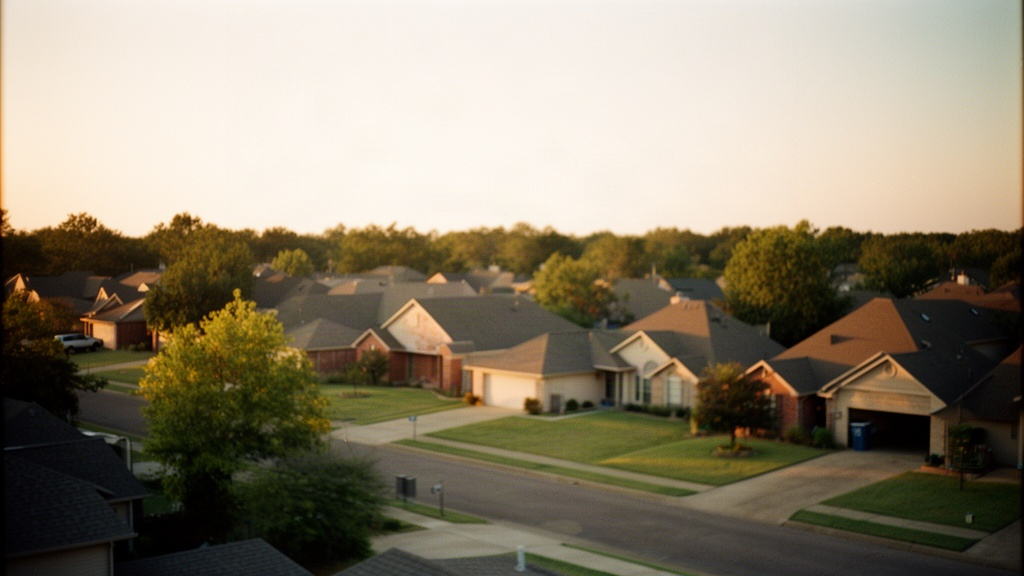
Milton's neighborhoods are genuinely varied, and the differences between them go well beyond price. Architecture, lot size, proximity to water, and age of construction all shift significantly depending on which part of the city or surrounding unincorporated county you are looking at. Understanding those physical differences helps buyers narrow their search and helps sellers position their home accurately within its own micro-market.
Blackwater River and North Milton Corridors
The areas closest to the Blackwater River include a mix of older brick homes from the 1960s and 1970s, updated craftsman-style builds, and some newer infill construction. Lot sizes along the river and its tributaries tend to be generous, and properties with direct water access or water views carry a noticeable price premium, often $40,000 to $80,000 above comparable non-waterfront homes in the same zip code.
The Blackwater River State Forest borders the northern edge of the Milton area, making this corridor popular with people who want outdoor access close to home. The forest covers more than 189,000 acres and includes established trails, kayak launches, and campgrounds. Proximity to that resource is a tangible feature of homes in the north Milton corridor, not just a lifestyle talking point.
For a deeper look at what the river corridor offers buyers specifically, the guide on finding a home along the Blackwater River in Milton covers the local nuances in detail.
Berryhill Road and the Western Reaches
The Berryhill Road corridor and the western portions of the Milton area feature a blend of established subdivisions from the 1990s and early 2000s alongside newer planned communities built within the last decade. Homes here typically sit on quarter-acre to half-acre lots, with brick and stucco construction common throughout.
Price points in this corridor generally range from the upper $200,000s for three-bedroom homes needing updates to the mid-$400,000s for larger, well-maintained properties with modern kitchens and updated systems. The Berryhill area also sits within relatively easy reach of the Avalon Boulevard interchange and Interstate 10, which matters for anyone commuting west toward Pensacola or east toward Crestview and Fort Walton Beach.
East Milton and Highway 90 Corridor
East Milton, anchored by the Highway 90 corridor and the 32583 zip code, has seen some of the most active new construction in the broader Milton market over the past three years. Subdivisions in this area often feature open floor plans, energy-efficient construction, and community amenities like pools and walking trails.
Resale homes in East Milton tend to be newer on average than those closer to historic downtown Milton, which means buyers often face fewer deferred maintenance concerns but also encounter HOA covenants and deed restrictions that are less common on older lots. The East Milton real estate market guide covers that sub-market in granular detail if you want to focus your research there.
3. Timing the Market in Milton: When to Buy and When to Sell
Timing in real estate is never perfectly predictable, but Milton does follow recognizable seasonal patterns that buyers and sellers can use to their advantage. Understanding those patterns, layered against the current October 2026 market conditions, helps you make a more informed decision about whether to act now or wait.
Seasonal Patterns in Santa Rosa County
Milton's market typically sees its highest listing activity between March and June, when military PCS (permanent change of station) orders drive a surge of both buyers and sellers. NAS Pensacola and the surrounding installations generate a consistent wave of housing demand each spring, and that wave tends to compress days on market and push prices slightly higher during those months.
Activity slows through late summer and into fall, with October and November historically representing a quieter period for showings and new listings. That seasonal lull does not mean the market stops; it means competition among buyers tends to ease, and sellers who list in fall are often more motivated to negotiate than those who listed in the spring frenzy.
What October 2026 Means for Buyers
For buyers, October 2026 offers a window that did not exist two years ago. Inventory is higher, multiple-offer situations are less common, and sellers are more open to concessions on closing costs, repairs, and price adjustments. Mortgage rates remain elevated compared to the historic lows of 2020 and 2021, but many buyers are finding that the ability to negotiate on price and terms partially offsets the higher rate environment.
Buyers who have been on the sidelines waiting for rates to drop should weigh the real cost of waiting. Home prices in Milton have not declined sharply, and if rates do fall in 2027, competition will likely increase quickly. Locking in a purchase now and refinancing later is a strategy worth discussing with a lender who knows the local market.
What October 2026 Means for Sellers
Sellers in October 2026 need to be realistic about pricing in a way that was not necessary during the 2021 to 2022 peak. Homes that are priced at or slightly below recent comparable sales are still selling within a reasonable timeframe. Homes priced based on peak-era comps are sitting, accumulating days on market, and eventually selling for less than they would have if priced correctly from the start.
The good news for sellers is that Milton's fundamental demand drivers remain intact. The military presence, the relative affordability compared to coastal Escambia County, and the continued in-migration from higher-cost states all support a floor under prices. A well-prepared home with accurate pricing is not a hard sell in this market; it just requires a more disciplined approach than sellers needed in 2022.
If you are considering a sale and want to understand how to position your home specifically, the article on selling a home in Milton: pricing, timeline and what to expect walks through the preparation and pricing process in detail.
4. Commutes, Infrastructure, and What Drives Demand in Milton
Milton's demand does not exist in a vacuum. It is tied directly to the employment centers, military installations, and infrastructure connections that make the city a practical place to live for a large and consistent pool of residents. Any real estate market guide for Milton needs to address these structural demand drivers, because they explain why the market holds up even when broader Florida conditions get choppy.
Distance to Pensacola and NAS Pensacola
Milton sits approximately 25 miles from downtown Pensacola via US-90 or Interstate 10. NAS Pensacola, located at the southwestern tip of Escambia County, is roughly 35 to 40 miles from most Milton neighborhoods, a drive that takes between 40 and 55 minutes depending on the time of day and the specific route. Corry Station and the other naval support facilities near Pensacola are slightly closer.
That commute distance is one of the defining trade-offs of living in Milton. The savings on housing costs relative to Pensacola or Gulf Breeze are real and substantial, but they come with a longer daily drive. Many buyers working through this calculation find that the math still favors Milton, particularly when the difference in purchase price is $50,000 to $100,000 or more for comparable square footage.
Local Infrastructure and Growth Signals
Santa Rosa County has invested in road improvements along key corridors including Avalon Boulevard and Berryhill Road over the past several years. Commercial development along Highway 90 in the East Milton area has added grocery options, medical offices, and retail that reduce the need to drive to Pensacola for everyday errands.
Historic downtown Milton, situated along the Blackwater River near the intersection of Willing Street and Canal Street, has seen incremental investment in restaurants and small businesses over the past decade. The downtown area is compact but walkable within its core, and the riverfront setting gives it a character distinct from the suburban corridors further east.
Florida's homebuilding market overall has remained active even as conditions shift, with Northwest Florida continuing to attract builders who see long-term demand from military households, retirees, and in-migrants from higher-cost states. A HousingWire analysis of Florida's homebuilding market notes that the state is effectively several distinct markets operating simultaneously, and the Northwest Florida corridor where Milton sits has remained one of the more stable subregions.
5. How to Use This Guide to Make a Real Decision
A market guide is only useful if it connects to a specific decision you need to make. The information above covers prices, neighborhoods, and timing at a level of detail that should help you move from general curiosity to a focused plan, whether you are buying, selling, or relocating.
For Buyers: What to Prioritize
Buyers in October 2026 should start by getting pre-approved with a lender who understands VA loans if applicable, since a large portion of Milton's buyer pool uses VA financing and sellers are accustomed to it. From there, narrowing your neighborhood focus based on commute tolerance, lot size preference, and price ceiling will eliminate most of the noise in the listings.
Pay close attention to flood zone designations. Santa Rosa County includes areas in both AE and X flood zones, and the difference in insurance cost between those designations can be significant. Checking the FEMA flood map before falling in love with a property saves a lot of frustration later in the process.
For a full walkthrough of the purchase process from offer to closing, the home buying guide for Milton, Florida covers each step with local-specific detail.
For Sellers: What to Prepare
Sellers should pull comparable sales from the past 90 days, not the past 12 months, when establishing a list price. The market has shifted enough that older comps will lead you to overprice, which is the single most common mistake in the current environment. A pre-listing inspection is worth considering, particularly for homes built before 2000, because it surfaces issues before buyers do and allows you to address them on your own terms.
Presentation matters more now than it did during the peak. Buyers have options and they are spending more time evaluating each home. Professional photography, a clean exterior, and updated light fixtures and hardware are low-cost improvements that consistently improve first impressions and accelerate the time to contract.
If you are relocating to Milton from out of state and need a broader orientation to the area before you start making decisions, the relocation guide for Milton, Florida is a practical starting point that covers costs, timelines, and neighborhood comparisons in one place.
FAQ
What is the median home price in Milton, Florida right now?
As of October 2026, the median sale price for a single-family home in Milton, Florida is in the low-to-mid $300,000s. Entry-level homes on smaller lots start around $240,000, while larger properties on acreage or with water access can exceed $500,000. Prices have moderated from the peak appreciation years of 2021 and 2022, and the market is currently more balanced between buyers and sellers than it has been in several years. For the most current figures, Redfin's Milton housing market page is a reliable public reference updated regularly.
Which Milton neighborhood should I focus on as a buyer?
The right neighborhood depends on your specific priorities: lot size, proximity to water, commute direction, and budget all point toward different parts of the Milton area. The Blackwater River corridor offers larger lots and outdoor access but tends to carry a water-access premium. East Milton near Highway 90 has newer construction and community amenities at slightly lower price points. The Berryhill Road area offers established subdivisions with good Interstate 10 access. Rather than ranking these areas against each other, the most useful approach is to identify your non-negotiables and map them against each corridor's physical characteristics. Ashley Parks can help you work through that comparison with current listing data.
Is October 2026 a good time to buy or sell in Milton, Florida?
For buyers, October 2026 is a more favorable environment than the past two years because inventory is higher, competition is lower, and sellers are more willing to negotiate on price and terms. For sellers, the market rewards accurate pricing and good presentation but punishes overpricing more quickly than it did during the peak. Both buyers and sellers benefit from working with an agent who tracks Milton's specific sub-markets closely, since conditions can vary meaningfully between neighborhoods and price ranges within the same city.