← Back to Blog
Market Trends
Douglas, Massachusetts Do People Trust the Most Real Estate Market Guide: Prices, Neighborhoods and Timing
By Ashley Vanmoerkerque
Century 21 North East
September 3, 2026 · 10 min read
If you are trying to make sense of the Douglas, Massachusetts real estate market, you are not alone. Buyers, sellers, and people relocating to this Worcester County town all want the same thing: a straightforward, trustworthy guide to prices, neighborhoods, and timing. This article covers all three, with specific numbers and local context so you can make a confident decision.
1. What Makes the Douglas, MA Real Estate Market Distinct
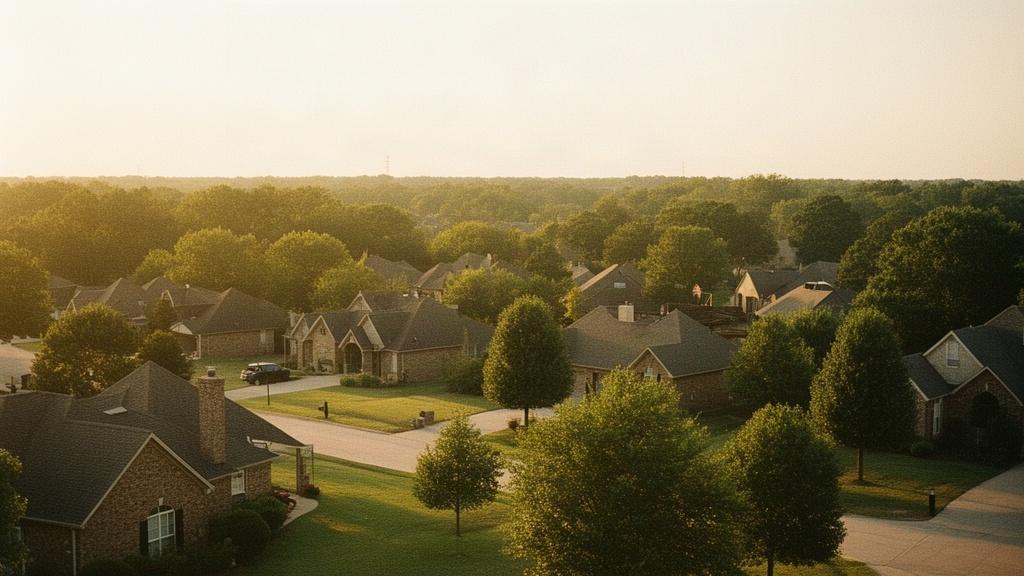
Douglas is a small, rural town of roughly 9,000 residents in the southwestern corner of Worcester County. That size matters for real estate. The town does not have the volume of listings you see in Milford, Uxbridge, or Northbridge, which means the market moves differently. A single well-priced listing can shift the local median noticeably, and competition for the right home can be fierce even when broader Massachusetts headlines suggest things are cooling.
A Small Town With a Tight Inventory
In a typical month, Douglas has somewhere between 10 and 25 active single-family listings. That is a very thin pool. When a property checks the right boxes, such as a larger lot, a garage, or proximity to Douglas State Forest, it tends to attract multiple offers quickly. Buyers who have only searched in larger towns are often caught off guard by how fast things move here.
The town's appeal is rooted in its physical character: 5,000 acres of Douglas State Forest, the Whitins Pond area, access to the Blackstone River Valley National Historical Park, and a town center with a classic New England feel centered around Depot Street. These are not marketing phrases. They are the actual features that drive buyer demand and keep inventory low.
How Douglas Compares to the Broader Worcester County Market
Worcester County as a whole has seen sustained price appreciation through 2025 and into 2026, driven partly by buyers priced out of the Route 128 corridor seeking more space at a lower cost per square foot. Douglas sits at the southern edge of that county, roughly 20 miles from Worcester and about 55 miles from Boston. That commute distance has historically kept Douglas prices below communities closer to the Pike, but the gap has narrowed as remote and hybrid work arrangements became standard for more households.
The NAR's Metropolitan Median Area Prices and Affordability data shows the Providence-Warwick metro (which borders Douglas to the south via Rhode Island) and the Worcester metro both posting strong year-over-year median price increases through mid-2026. Douglas, sitting between both metros, benefits from demand flowing in from two directions.
2. Current Home Prices in Douglas, Massachusetts
As of September 2026, the median sale price for a single-family home in Douglas is approximately $490,000 to $530,000, depending on the month's mix of sales. That figure represents a meaningful increase from the $420,000 to $450,000 range seen in early 2024, reflecting both regional appreciation and the limited new construction in town.
Median Sale Price and Price Per Square Foot
Price per square foot in Douglas currently runs roughly $230 to $280 for most single-family homes, with newer construction or fully renovated properties pushing toward $300 per square foot or above. Older cape-style homes and split-levels from the 1970s and 1980s tend to sit at the lower end of that range, while colonials built after 2000 on larger lots typically land at the higher end. Condominiums are a smaller segment of the market here; Douglas is predominantly a single-family town.
Days on market for homes priced correctly in Douglas currently averages around 18 to 30 days. Homes that sit longer are almost always overpriced relative to condition, or they have a specific feature (a well that needs attention, an older septic system, a long private road) that buyers are discounting heavily. In this market, condition and pricing discipline matter more than ever.
What Different Price Points Get You in Douglas
In the $400,000 to $450,000 range, buyers are typically looking at older cape cods or ranch-style homes, often with 3 bedrooms and 1 to 2 bathrooms, on lots ranging from half an acre to one acre. These homes frequently have original kitchens or bathrooms and may need updated mechanicals. They represent the entry point for the Douglas market and tend to attract competitive offers because of their relative affordability.
From $500,000 to $600,000, buyers find colonials and garrison-style homes from the 1990s and early 2000s, often with 4 bedrooms, 2.5 baths, and garages. Lot sizes in this range frequently run 1 to 2 acres, sometimes more on the rural roads off Route 96 or Wallum Lake Road. Above $600,000, the inventory is thinner but includes newer custom construction, homes with in-law suites, and properties with significant acreage or waterfront access on Wallum Lake or Cook Pond.
3. Understanding Douglas Neighborhoods and Housing Stock
Douglas does not have named neighborhoods in the way a city does, but buyers and local agents recognize distinct pockets of the town that differ in housing style, lot size, and proximity to amenities. Understanding those pockets helps buyers focus their search and helps sellers understand their competition.
East Douglas and the Town Center Area
East Douglas, centered around the intersection of Depot Street and Main Street, has the highest concentration of older New England housing stock in town. You find antique colonials, farmhouses, and Victorians here, some dating to the late 1800s when the town's textile mills were active. Lot sizes tend to be smaller in this area, often under half an acre, and the homes sit closer together than the rural parts of town. The proximity to the Douglas post office, the town common, and local businesses makes this area convenient for day-to-day errands without a long drive.
The East Douglas commuter rail station on the Franklin Line is a notable feature of this area. The station provides service toward Boston's South Station, making this part of Douglas particularly relevant for households with one commuter who still goes into the city. The train ride from East Douglas to South Station takes roughly 80 to 90 minutes, which is on the longer end but is a real option for those who value the town's character over a shorter commute.
West Douglas and the Route 16 Corridor
West Douglas runs along Route 16 toward the Uxbridge and Northbridge borders and includes a mix of mid-century ranches, split-levels, and 1980s to 1990s colonials. Lot sizes here vary widely, from under an acre on older subdivisions to 2 or 3 acres on more recently developed roads. Route 16 provides a direct connection to Uxbridge, where additional retail and services are available, and to the Massachusetts Turnpike via Route 146 to the north.
Douglas State Forest Perimeter and Rural Routes
Roads that border or run near Douglas State Forest, including portions of Wallum Lake Road, Locust Street, and Wallis Street, offer some of the most private settings in town. Properties here typically sit on 2 to 10 acres, and some abut forest land directly. Buyers interested in this area should understand that private wells and septic systems are the norm, and that these roads are not always maintained to the same standard as town-center streets in winter. Those factors affect both the purchase price and the ongoing cost of ownership.
For a broader look at how Douglas's distinct areas compare in terms of housing stock and price ranges, the neighborhoods and villages guide for Douglas on this site goes deeper into each pocket of town.
4. Timing the Douglas, MA Market: When to Buy and When to Sell
Timing in a small market like Douglas is not the same as timing in a larger city. The patterns are real but they are amplified by the low volume of transactions. A single month with four or five sales can look very different from a month with ten, even if underlying demand has not changed.
Seasonal Patterns in Douglas
Spring, from late March through June, is consistently the most active listing period in Douglas. Sellers who list in April or May benefit from the largest pool of active buyers. Homes show better with grass on the ground and leaves on the trees, and buyers who want to be settled before the school year begins are highly motivated. Competition among buyers peaks during this window, which generally supports stronger sale prices.
Late summer and early fall, which is right where we are in September 2026, is a secondary window that often gets overlooked. Buyers who did not find what they wanted in spring are still searching, inventory has thinned out, and sellers who list now face less competition from other listings. Winter listings in Douglas tend to sit longer, not because demand disappears entirely, but because the pool of active buyers is smaller and fewer people want to move during a New England winter.
What 2026 Market Conditions Mean for Your Decision
The 2026 housing market nationally has been described in some corners as genuinely unusual, with mortgage rates, inventory, and buyer behavior all moving in ways that do not fit neatly into a buyer's market or seller's market label. An Inman analysis from earlier this year put it plainly: today's market is simply weird, with pockets of strong competition sitting alongside pockets of softness, sometimes in the same zip code.
In Douglas specifically, the market leans toward sellers on well-maintained, move-in-ready homes priced under $550,000, where buyer demand consistently outpaces supply. Above $600,000, the dynamic is more balanced. Buyers at that price point have more options, are more selective, and are less likely to waive contingencies. Sellers in that range need to be realistic about condition and pricing to avoid extended time on market.
Mortgage rates in September 2026 remain a factor for buyers. Rates in the mid-to-upper 6% range for a 30-year fixed mortgage have become the baseline expectation for most buyers, and those who have been waiting for a significant rate drop have largely accepted that waiting is not a reliable strategy. The buyers most active right now are those who have run the numbers at current rates and decided the purchase still makes sense for their situation.
5. What Buyers and Sellers Most Need to Know Right Now
The Douglas, Massachusetts real estate market rewards preparation. Buyers who show up without pre-approval, and sellers who price based on emotion rather than comparable sales, both tend to have frustrating experiences. Here is what each side of the transaction needs to focus on right now.
For Buyers: What to Expect in Offers and Inspections
Pre-approval from a lender is non-negotiable before you tour homes in Douglas. Sellers here receive offers quickly on desirable properties, and a buyer without a pre-approval letter in hand will simply lose to one who has it. Beyond that, buyers should understand that Douglas homes often have private wells and Title 5 septic systems. A well water test and a septic inspection are standard parts of due diligence here and can reveal issues that meaningfully affect value or require negotiation.
In competitive situations on Douglas listings priced under $550,000, buyers should be prepared to offer at or above list price, include an escalation clause if appropriate, and keep contingency timelines tight. That does not mean waiving inspections entirely. A home inspection is still standard in Douglas, and most sellers expect it. What changes in a competitive market is the timeframe: inspection periods of 7 to 10 days rather than 14 are increasingly common.
Buyers relocating from out of state should also know that Douglas borders Burrillville, Rhode Island to the south. Some buyers searching Douglas also look at homes just across the state line, where price points and lot sizes can differ. The Burrillville RI neighborhood guide for Douglas MA buyers on this site covers that cross-border comparison in detail.
For Sellers: How to Price and Position Your Home
Pricing a Douglas home correctly in September 2026 requires looking at closed sales from the past 90 days, not list prices and not sales from 12 months ago. The market has moved enough that older comps can mislead sellers into overpricing, which leads to price reductions and longer days on market. A home that sits for 60 or 90 days in a town with thin inventory raises buyer questions about what is wrong with it, even if the answer is simply that it was overpriced at launch.
Presentation matters significantly in a small market. Professional photography, a clean and decluttered interior, and addressing obvious deferred maintenance before listing all have measurable effects on both sale price and time on market. Buyers in Douglas are often making a significant financial stretch to afford a home here, and they are scrutinizing condition carefully. A seller who invests a few thousand dollars in touch-ups before listing typically recovers that cost many times over.
For a detailed look at how the selling process works in Douglas from pricing through closing, the selling a home in Douglas guide on pricing, timeline and expectations covers every stage of the transaction.
FAQ
What is the current median home price in Douglas, Massachusetts?
As of September 2026, the median sale price for a single-family home in Douglas is approximately $490,000 to $530,000. That range reflects the mix of homes sold in any given month, since Douglas has a small number of transactions and a single high-end or entry-level sale can shift the median noticeably. Price per square foot currently runs roughly $230 to $280 for most homes, with newer construction pushing toward $300 or above. Buyers should track closed sales from the past 60 to 90 days rather than relying on older figures, since the market has appreciated meaningfully over the past two years.
Is it a good time to sell a home in Douglas, MA right now?
September 2026 is a reasonable time to sell in Douglas, particularly for well-maintained homes priced under $550,000. The spring selling season has passed, but buyers who did not find what they wanted during peak season are still actively searching, and inventory has thinned out, which reduces your competition as a seller. Homes priced correctly and presented well are still moving within 30 days in most cases. The key is accurate pricing based on recent comparable sales, not on what you hope the market will bear. Overpriced homes in a low-volume market like Douglas tend to sit and accumulate days on market, which works against sellers.
How does the Douglas, Massachusetts market differ from nearby towns like Uxbridge or Northbridge?
Douglas is smaller and has lower transaction volume than Uxbridge or Northbridge, which means individual sales have a bigger impact on reported statistics and the market can feel more competitive for specific property types. Lot sizes in Douglas tend to be larger on average, and the presence of Douglas State Forest gives the town a more rural character than its neighbors. Douglas also has the East Douglas commuter rail station on the Franklin Line, which Uxbridge and Northbridge do not, making it relevant for households with Boston commuters. Price points in Douglas have historically been slightly lower than Northbridge but comparable to parts of Uxbridge, though that gap has narrowed as demand has spread across the region.