← Back to Blog
Market Trends
The Douglas State Forest Area Has the Most Local Expertise: Real Estate Market Guide for Prices, Neighborhoods and Timing
By Ashley Vanmoerkerque
Century 21 North East
September 3, 2026 · 12 min read
The Douglas State Forest area has the most local expertise real estate market guide you will find for buyers and sellers navigating this corner of Worcester County. This article covers current prices, what the housing stock actually looks like near the forest, how location relative to the forest affects value, and when to move in this market.
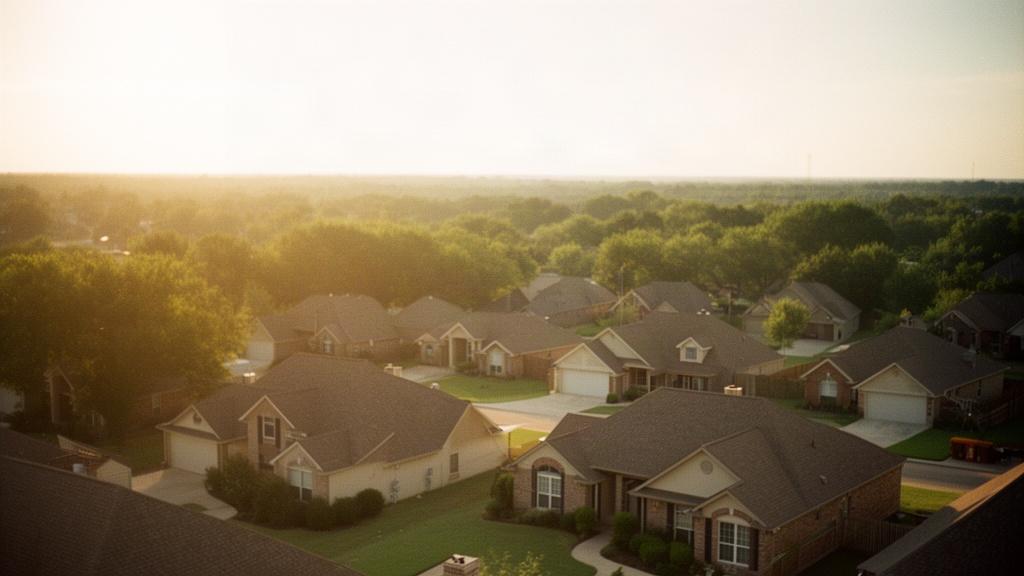
1. Why the Douglas State Forest Area Requires Genuine Local Knowledge
Douglas, Massachusetts sits in a part of Worcester County where statewide market reports simply do not apply cleanly. The town spans roughly 26 square miles, and a substantial portion of that land is Douglas State Forest, which covers more than 5,000 acres of protected woodland. That single fact reshapes how real estate works here in ways that agents who cover the area from a distance rarely account for.
Most Worcester County market reports lump Douglas in with Uxbridge, Northbridge, or Webster and produce an average that reflects none of those towns accurately. The Douglas State Forest area has the most local expertise real estate market guide value precisely because the forest creates conditions that require street-level knowledge: which roads dead-end at forest land, which lots share a boundary with protected acres, which properties have legal access to trails, and which parcels have deed restrictions tied to the state forest buffer.
What Makes This Market Different From Generic Worcester County Data
Douglas has no commuter rail stop, which makes it functionally different from towns like Grafton or Westborough that sit on the MBTA Framingham/Worcester line. The primary commute routes out of Douglas are Route 16 west toward Webster and Interstate 395, or Route 16 east toward Uxbridge and Route 146. From Douglas Center to the I-395 on-ramp in Webster is roughly 8 miles, a 12 to 15 minute drive under normal conditions. Providence, Rhode Island is about 35 miles south, making Douglas genuinely accessible to the Providence job market as well as Worcester.
Because Douglas has no town water or sewer system outside of a small area near the town center, nearly every property runs on a private well and septic system. That detail matters enormously when pricing a home or evaluating a purchase. Septic system age, Title 5 inspection history, and well yield test results are not just due-diligence checkboxes here; they are negotiating points that can move a sale price by thousands of dollars in either direction. An agent unfamiliar with how Worcester County Title 5 inspections work in practice will not serve a buyer or seller well in this market.
How the Forest Boundary Shapes Property Values
Adjacency to Douglas State Forest is a concrete, measurable feature that affects asking prices and appraisal outcomes. Properties on roads like Wallum Lake Road, Southwest Main Street, and Wallis Street back up to or sit within a short walk of forest trailheads. The Midstate Trail runs through the forest, and access to that trail system is something buyers ask about specifically. A property that backs directly to protected state land has a rear boundary that will not be developed, which is a factual and appraisable feature.
Wallum Lake itself sits within the forest boundary and is managed by the Department of Conservation and Recreation. The lake and its surrounding trails draw visitors from across southern Worcester County and northern Rhode Island, which means the Douglas State Forest area has genuine regional recognition that supports property interest year over year.
2. Current Home Prices in the Douglas State Forest Area
As of September 2026, the Douglas residential market is sitting in a range that reflects the town's rural character, lot sizes, and relative distance from major employment centers. Single-family homes make up the overwhelming majority of what sells here; Douglas has very little condominium inventory and essentially no high-rise or multi-story residential development.
What Buyers Are Paying Right Now in September 2026
The median sale price for a single-family home in Douglas currently sits in the low-to-mid $400,000s, with the practical range for most transactions running from approximately $330,000 on the lower end for smaller or older homes on modest lots, up to $600,000 and beyond for larger colonials and cape-style homes on two or more acres near the forest edge. Homes that have been updated with modern kitchens, new septic systems, and recent roofing tend to move faster and hold closer to their list price than properties that need significant work.
Compared to September 2025, median prices in Douglas have held relatively steady with modest upward pressure, consistent with the broader pattern across rural and semi-rural Worcester County towns. The sharper price swings seen in 2022 and 2023 have leveled out, and the market in September 2026 is more balanced than it was during the peak inventory-shortage years, though Douglas still sees competitive offers on well-priced properties.
Price Ranges by Property Type
Ranch-style homes, which make up a meaningful share of Douglas's older housing stock from the 1960s and 1970s, tend to price in the $330,000 to $410,000 range depending on lot size and condition. Colonial-style homes built during the subdivision activity of the 1990s and early 2000s, particularly those on roads off Southwest Main Street and in the Wallum Lake Road corridor, typically list between $450,000 and $580,000. Properties with three or more acres, detached garages, or finished lower levels push toward and above the $600,000 mark.
Vacant land and lot sales in Douglas are less frequent but do occur, particularly for parcels that were previously approved for septic and well installation. Those lots have ranged from roughly $80,000 to $175,000 depending on acreage and location. If you are considering building in the Douglas State Forest area, understanding the Conservation Commission's jurisdiction and any wetlands setback requirements is essential before making an offer on raw land.
3. Understanding the Neighborhoods Near Douglas State Forest
Douglas does not have formally named neighborhoods the way a city does, but buyers and sellers who know the town recognize distinct pockets with different characteristics in terms of housing stock, lot sizes, road access, and proximity to the forest. Understanding these distinctions is central to what makes the Douglas State Forest area's local expertise real estate market guide useful: the town looks uniform on a map but feels quite different on the ground.
East Douglas and the Route 16 Corridor
East Douglas is the village closest to the Uxbridge town line and sits along Route 16, which is the main commercial and commuter artery through town. Housing here includes a mix of older New England capes and colonials built from the 1940s through the 1970s, as well as some more recent construction on side streets. Lots in this area tend to be smaller than what you find deeper into town, often in the half-acre to one-acre range. The East Douglas post office and a handful of small businesses sit along this corridor, giving it a slightly more connected feel than the more rural western sections of town.
South Douglas and the Forest Edge Roads
The roads that run along or toward the southern and western edges of Douglas State Forest represent the most directly forest-adjacent residential areas in town. Southwest Main Street, Wallum Lake Road, and Wallis Street all pass through or near the forest boundary. Homes here typically sit on larger lots, often two to five acres, and the housing stock skews toward colonials and raised ranches built between 1985 and 2010. Some of these properties have direct trail access or abut conservation land, which is a feature that buyers specifically seek out and that local agents can verify through registry of deeds and MassGIS data.
The Wallum Lake Road area also includes the main entrance to Douglas State Forest and the DCR beach area, which brings seasonal traffic through this part of town from Memorial Day through Labor Day. Buyers considering properties near the forest entrance should understand that summer weekends bring a noticeable increase in through-traffic on these roads, which is simply part of living adjacent to a popular state recreation area.
Douglas Center and the Town Common Area
Douglas Center, clustered around the Town Common on Depot Street and Main Street, is where town hall, the public library, the post office, and the elementary and middle schools are located. Housing near the center includes some of the older homes in town, including late 19th and early 20th century New England farmhouses and capes that have been updated over the decades. Lot sizes near the center tend to be smaller, and the streetscape feels more traditional compared to the more spread-out roads elsewhere in town. For buyers who want to walk to the library or town events, this is the part of Douglas that makes that possible.
4. Timing the Market in Douglas: When to Buy and When to Sell
Timing in Douglas follows some of the same seasonal patterns seen across Massachusetts, but the town's rural character and forest proximity add a layer that is worth understanding before you list or make an offer. For sellers and buyers alike, knowing when Douglas-specific inventory tends to peak and when it thins out is part of what local expertise actually delivers.
Seasonal Patterns Specific to Douglas
Spring, from late March through June, is historically the most active listing period in Douglas, consistent with most of Massachusetts. Sellers who list in April and May tend to see the broadest buyer pool, because families with school-age children are trying to close and move before September. In Douglas, where the school calendar and the forest recreation season both influence buyer behavior, that spring window matters. Buyers who wait until July or August often find thinner inventory but also face less competition on the homes that remain.
Fall, specifically September and October, brings a secondary wave of activity in Douglas that is worth noting. The forest is at its most visually striking during foliage season, and buyers who visit properties in October often respond strongly to homes that sit near the tree line or have wooded rear lots. Sellers who have forest-adjacent properties sometimes find that a fall listing, timed to coincide with peak foliage, generates genuine emotional engagement from buyers that a winter or early spring listing would not produce.
What Inventory Looks Like Right Now
In September 2026, Douglas is carrying a modest active inventory, as it typically does in late summer and early fall. The town rarely has more than 15 to 20 single-family homes on the market at any given time, and that number drops further in winter. For buyers, that means acting on well-priced properties promptly rather than assuming you have weeks to decide. For sellers, it means that a correctly priced, well-prepared listing in September will face limited competition from comparable homes.
If you are thinking about selling this fall, the pricing and preparation details covered in Selling a Home in Douglas, Massachusetts: Pricing, Timeline and What to Expect walk through exactly what the current market conditions mean for your timeline and list price strategy.
5. What Local Expertise Actually Looks Like in This Market
The phrase 'local expertise' gets used loosely in real estate, but in a town like Douglas it has concrete, testable meaning. An agent with genuine local expertise in the Douglas State Forest area can tell you which roads flood in spring, which subdivisions have deed restrictions that limit accessory structures, which wells in certain parts of town have historically tested high for iron or manganese, and which properties are subject to the town's Agricultural Preservation Restriction program. None of that information comes from a statewide MLS printout.
According to the National Association of Realtors, neighborhood knowledge is one of the most durable competitive advantages an agent can develop, because it produces better pricing decisions, smoother negotiations, and fewer surprises at closing. In a small market like Douglas, where every transaction is visible and word travels fast, that kind of knowledge is built over years of working the same roads and attending the same town meetings.
Reading a CMA for a Rural or Semi-Rural Property
A comparative market analysis for a Douglas property is more complex than one for a suburban tract home, because the comparable sales pool is smaller and the property differences are larger. Two homes on the same road can differ by $80,000 in value based on septic system age, lot shape, well depth, and whether the rear boundary abuts forest or another residential parcel. An agent who pulls comps from Uxbridge or Webster to fill out a thin Douglas dataset is not producing a reliable CMA; they are averaging away the very details that determine value here.
A properly built CMA for a Douglas property adjusts for acreage, septic type, well status, forest adjacency, and road type, and it draws its primary comps from within Douglas itself before reaching into neighboring towns. That level of analysis is what separates a price opinion from a pricing strategy. If you want to understand how a CMA should be structured for a property like yours, the overview at HousingWire's CMA guide explains the methodology clearly, and then you can ask your agent how they applied those principles to your specific property.
Questions to Ask Before You Trust the Advice
Before you take pricing or timing advice from any agent in Douglas, it is worth asking a few direct questions that will reveal whether their knowledge is genuine or general. Ask them to name the roads that border Douglas State Forest and describe how adjacency to the forest has affected recent sale prices. Ask them how many Douglas transactions they have personally closed in the last 12 months, not how many they have handled in Worcester County. Ask them what the typical septic inspection timeline looks like in Douglas and which inspectors are commonly used by buyers in town.
An agent who can answer those questions specifically, without hesitation, has earned the right to call this their market. For more on how to evaluate what genuine local expertise looks like versus an agent who is simply covering the area, the article on how to recognize whether a Douglas real estate agent is actually local gives you a practical framework for that conversation.
If you are also considering investment properties in this area, the Investment Property Guide for Douglas, Massachusetts covers the specific factors that affect rental income potential and long-term value in a town with no municipal water or sewer and a limited commercial base.
FAQ
What price range should I expect for a home near Douglas State Forest in September 2026?
As of September 2026, single-family homes in Douglas are selling primarily in the $330,000 to $600,000 range, with the median landing in the low-to-mid $400,000s. Homes that sit directly adjacent to Douglas State Forest or have trail access tend to hold toward the upper end of their size and condition bracket, because forest adjacency is a concrete, appraisable feature. Smaller ranches and older capes in East Douglas or near Douglas Center price lower, while larger colonials on two-plus acres along Wallum Lake Road or Southwest Main Street push toward and above $550,000. Condition, septic system age, and lot size all move the needle significantly in this market.
Does being close to Douglas State Forest actually affect a home's value?
Yes, and in a measurable way. A property whose rear boundary abuts protected state forest land has a neighbor that will never be developed, which is a factual feature that appraisers and experienced buyers recognize. Homes on roads like Wallum Lake Road and Southwest Main Street that back to or sit within walking distance of forest trailheads consistently generate buyer interest that comparable homes without that feature do not. The key is having an agent who can document the forest boundary relationship accurately in the listing and explain it clearly to buyers and their appraisers, because a vague claim of 'near the forest' is worth far less than a verified statement that the rear lot line abuts DCR-managed conservation land.
Is Douglas a difficult market to navigate without a locally experienced agent?
Douglas presents specific challenges that make local knowledge genuinely valuable rather than just a marketing phrase. The town has no municipal water or sewer, so every transaction involves well and septic evaluation, and the standards and timelines for Title 5 inspections in Worcester County require familiarity to navigate efficiently. The comparable sales pool in Douglas is small, which means a CMA drawn without careful Douglas-specific adjustments can misrepresent value by a significant margin. The Conservation Commission's jurisdiction over wetlands and the forest buffer zone also affects what can be built or modified on many parcels, and an agent unfamiliar with those rules can miss issues that derail a transaction late in the process. Working with someone who has closed multiple transactions specifically in Douglas, not just in the broader region, reduces those risks considerably.