← Back to Blog
Local Living
How Far Is Douglas, Massachusetts from Worcester and Boston, and What Is the Commute Like?
By Ashley Vanmoerkerque
Century 21 North East
September 4, 2026 · 10 min read
If you are researching Douglas, Massachusetts as a place to buy a home, one of the first practical questions you will ask is: how far is Douglas, Massachusetts from Worcester and Boston, and what is the commute like? Douglas sits in the southwestern corner of Worcester County, roughly 20 miles from downtown Worcester and about 55 miles from downtown Boston, making it a genuine commuter town for both cities. This guide breaks down the actual distances, typical drive times, route options, and what daily commuting from Douglas looks like across different scenarios.
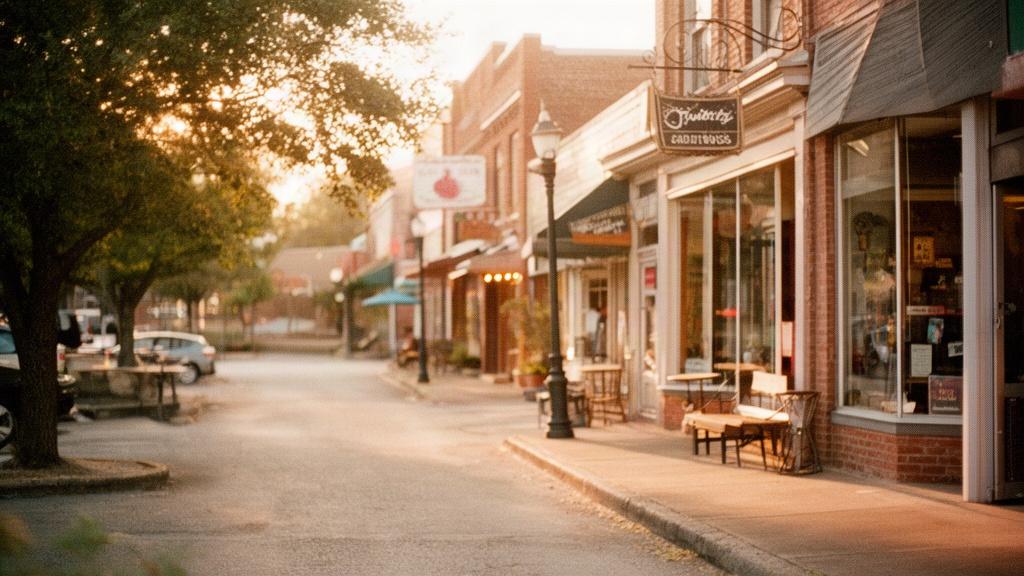
1. Douglas, Massachusetts: Where It Sits on the Map
Douglas occupies the southwestern tip of Worcester County. It borders Uxbridge to the north, Northbridge to the northwest, Sutton to the northeast, Webster to the east, and the Rhode Island towns of Burrillville and North Smithfield to the south. That Rhode Island border is not incidental: it shapes commute patterns significantly, because Providence is closer to Douglas than Boston is, and many Douglas residents commute south just as readily as they commute north.
Town Location and Geographic Context
The town covers about 37 square miles, most of it wooded and rural. Douglas State Forest anchors the western side of town with more than 5,000 acres of protected land, which means the landscape you see from your driveway is not going to be replaced by a strip mall. The town center sits along Route 16, the main east-west corridor, and Route 96 connects the town toward Uxbridge to the north. These two roads are the arteries that funnel commuter traffic out of Douglas every morning.
Surrounding Towns and the Regional Picture
Understanding Douglas requires understanding its neighbors. Uxbridge is about 7 miles north and offers Route 146 access, which is the fastest highway corridor heading toward Worcester and Providence. Webster is about 8 miles east along Route 16 and provides access to Interstate 395, which connects south to Connecticut and north toward Auburn and the Massachusetts Turnpike. Buyers relocating to Douglas often find that the town's position between multiple highway corridors gives them more flexibility than a single-route town would.
2. How Far Is Douglas from Worcester and What Is That Commute Like?
Douglas is approximately 20 to 22 miles from downtown Worcester, depending on the route, and the typical drive runs between 30 and 45 minutes under normal conditions. That range widens during morning rush hour, particularly on Route 146 through Millbury and Sutton, where traffic can add 10 to 20 minutes on a heavy day. Worcester is the second-largest city in New England and a major employment center in its own right, with UMass Memorial Medical Center, Saint Vincent Hospital, WPI, Clark University, and a growing downtown commercial corridor all drawing daily commuters.
Distance and Drive Time to Worcester
The most direct route from Douglas center to downtown Worcester is north on Route 96 to Uxbridge, then north on Route 146 into Millbury, then into Worcester via Route 146 or Grafton Street. That trip covers about 21 miles. Google Maps in September 2026 shows a baseline drive time of around 32 minutes without traffic and closer to 45 to 50 minutes during the 7:30 to 8:30 a.m. peak window. Commuters heading to the UMass Memorial main campus or the medical school district on the west side of Worcester often find the drive slightly shorter because they exit Route 146 before reaching the downtown core.
Which Route to Take
Route 146 is the primary highway corridor for Douglas-to-Worcester commuters. It is a divided four-lane road that runs from Providence, Rhode Island all the way north through Millbury and into Worcester, and it is the reason that Uxbridge is such a critical pass-through for Douglas residents. A second option is to head east on Route 16 to Webster, pick up Interstate 395 north to Auburn, and then take Interstate 290 west into Worcester. That route adds a few miles but can actually be faster during certain morning windows when Route 146 through Sutton is congested near the Grafton line.
Worcester as a Commute Destination
Worcester has grown steadily as a regional employment hub. The city's healthcare sector alone employs tens of thousands of workers, and the biotech and life sciences corridor along Route 9 continues to expand. For Douglas residents commuting to Worcester, the 20-mile distance is close enough to feel manageable without the traffic pressure of a metro-area commute. Many buyers who work in Worcester specifically choose Douglas because it offers a rural setting with a commute that stays under an hour in most conditions.
3. How Far Is Douglas from Boston and What Is That Commute Like?
Douglas is approximately 53 to 58 miles from downtown Boston, depending on the route, and the drive takes between 60 and 90 minutes under typical weekday conditions. Boston traffic is notoriously variable, and anyone commuting from Douglas to the city should expect the upper end of that range during morning rush hours, particularly if the destination is inside the Route 128 belt. That said, many Douglas-to-Boston commuters do not drive the full distance every day; they drive to a commuter rail station or a park-and-ride lot and take the train for the second leg.
Distance and Drive Time to Boston
The most common all-highway route from Douglas to Boston runs north on Route 146 to Interstate 90 (the Massachusetts Turnpike) at Millbury, then east on I-90 all the way into Boston. That trip is about 56 miles and takes roughly 65 to 75 minutes during off-peak hours. During the 7:00 to 9:00 a.m. rush, particularly near the I-90 and I-95 interchange and through the Allston-Brighton corridor, the drive can stretch to 85 to 100 minutes. Buyers who work in the Fenway, Back Bay, or downtown Financial District neighborhoods should budget for the higher end of that window on most weekday mornings.
Route Options to Boston
A second route option is Route 16 east to Webster, then I-395 north to the Massachusetts Turnpike at Auburn, then I-90 east to Boston. This adds a few miles but bypasses the Route 146 and I-90 interchange, which can back up during peak hours. A third option for commuters whose Boston destination is in the southern neighborhoods, such as the Seaport District or South Boston, is to take I-395 south briefly to I-290 east to I-495 north, then cut across to I-95 south into Boston. That route is longer in distance but occasionally faster when the Turnpike is heavily congested.
The Providence Alternative and the MBTA Connection
One option that Douglas-to-Boston commuters use is driving to Providence, Rhode Island, which is about 25 miles south of Douglas, and taking the MBTA Providence Line commuter rail into Boston's South Station. The Providence Line runs frequent service, with trains reaching South Station in about 65 to 75 minutes from Providence. The drive from Douglas to Providence Station takes roughly 35 to 40 minutes, making the total door-to-South-Station time roughly 100 to 115 minutes, which is not necessarily faster than driving, but it is significantly less stressful and allows commuters to work or rest on the train. Worcester also has its own MBTA commuter rail station on the Framingham-Worcester Line, with service into Boston's Back Bay and South Station. Driving from Douglas to Worcester Union Station takes about 35 to 45 minutes, and then the train adds another 75 to 90 minutes to South Station, so this option makes the most sense for commuters who prefer not to drive at all on the Boston end.
Boston has been drawing significant real estate attention from buyers priced out of the core market. As noted in reporting on how homebuyers are stretching their dollar in today's market, buyers are increasingly willing to accept longer commutes in exchange for more home for their money, and towns like Douglas are a direct reflection of that trend. The gap between what a comparable home costs in Douglas versus in a Boston suburb inside Route 128 can easily exceed $300,000 to $400,000, which changes the math on commuting costs considerably.
4. Other Nearby Employment Hubs Douglas Residents Reach Easily
Douglas commuters are not limited to Worcester and Boston. The town's location at the intersection of several regional corridors puts a number of other employment centers within reasonable reach, and many buyers relocating to Douglas commute to one of these destinations instead.
Milford and Milbury
Milford is about 18 miles northeast of Douglas and is home to a substantial number of technology and manufacturing employers along Route 16 and the Route 495 corridor. The drive from Douglas to Milford runs roughly 30 to 40 minutes via Route 16 east. Milbury, which sits directly on Route 146 about 13 miles north of Douglas, has grown into a retail and commercial hub with several large employers, and the commute from Douglas to Milbury is typically 20 to 25 minutes.
Providence, Rhode Island
Providence is roughly 25 miles south of Douglas via Route 146 south, and the drive takes about 35 to 45 minutes depending on traffic near the Rhode Island state line and the Providence metro area. Providence is a major employment center in its own right, with Brown University, Rhode Island Hospital, Lifespan Health System, and a significant financial and professional services sector. For Douglas buyers who work in Providence, the commute is actually shorter than the Worcester commute and significantly shorter than the Boston commute.
Woonsocket and the Rhode Island Border
Woonsocket, Rhode Island is only about 15 miles south of Douglas, reachable via Route 146 south in roughly 20 to 25 minutes. CVS Health's corporate headquarters is located in Woonsocket, and the surrounding area has a cluster of healthcare, logistics, and manufacturing employers. Buyers who work at CVS or in the broader Woonsocket area often find Douglas to be one of the closer Massachusetts towns available, giving them a Massachusetts address with a short southbound commute. For more context on the Rhode Island border towns that Douglas buyers also consider, the Burrillville RI Neighborhood Guide for Douglas MA Home Buyers covers that cross-border picture in detail.
5. What the Commute Trade-Off Means for Home Buyers in Douglas
Every commuter town involves a trade-off, and Douglas is no exception. The question is whether what you gain in Douglas justifies the extra miles. For many buyers, it does, and the math is worth understanding before you decide where to focus your home search.
What You Get in Exchange for the Drive
Douglas offers a rural character that is genuinely difficult to find this close to Worcester and Providence simultaneously. Homes in Douglas typically sit on larger lots, often a half-acre to two acres or more, and the town's zoning has kept commercial development concentrated along a few corridors rather than sprawling across the landscape. Douglas State Forest, Wallum Lake, and the Whitin Reservoir give residents immediate access to hiking, swimming, and paddling without leaving town. The town center has a small-town New England character, with a town green, a historic library, and locally rooted businesses rather than chain retail.
Remote and hybrid work has changed the calculus for many buyers. A buyer who commutes to Boston or Worcester two or three days a week rather than five can absorb a 45-minute or 65-minute drive much more comfortably than someone making that trip daily. Douglas has attracted a meaningful share of hybrid workers since 2020, and that pattern has continued into 2026. If you commute two days a week, the extra miles from Douglas versus a closer suburb represent a much smaller annual burden in time and fuel costs.
How the Douglas Housing Market Reflects This
Douglas home prices in September 2026 reflect the town's position as a commuter-accessible but genuinely rural market. Single-family homes in Douglas have been trading in a range roughly between $380,000 and $600,000 for most of the inventory, with some larger colonial and cape-style homes on multi-acre lots reaching higher. That price range is meaningfully lower than comparable homes in towns closer to Worcester, such as Shrewsbury, Grafton, or Northborough, where the same square footage and lot size would typically cost $100,000 to $200,000 more. The trade-off is explicit: you pay for proximity in those towns, and you save by accepting the extra miles in Douglas.
Boston's broader housing market has remained competitive, with buyers continuing to push outward in search of value. As HousingWire noted entering 2026, Boston emerged as one of the hottest large metro markets in the country, which has intensified demand in outlying towns like Douglas as buyers seek more purchasing power without leaving the region. That demand has kept Douglas inventory tight and prices supported even as buyers factor in the commute distance.
If you are weighing the Douglas commute against your budget and lifestyle priorities, the Douglas, Massachusetts Real Estate Market Guide covers current pricing, inventory, and timing in detail, and is a useful companion to the commute picture laid out here.
6. Frequently Asked Questions
FAQ
Is Douglas, Massachusetts a practical commute to Boston every day?
A daily round-trip from Douglas to downtown Boston covers roughly 110 to 115 miles and takes between 60 and 100 minutes each way depending on traffic and time of departure. For five-day-a-week commuters, that is a significant time investment, and most people making that commute daily use the Massachusetts Turnpike and leave before 7:00 a.m. to stay on the lower end of that range. Many Douglas residents who work in Boston do so on a hybrid schedule, commuting two to three days a week, which makes the distance much more manageable. Using the MBTA commuter rail via Worcester or Providence is another option that reduces driving stress, though it adds total travel time. Whether a daily Boston commute from Douglas is practical depends heavily on where in Boston your workplace is located and what your schedule flexibility looks like.
How long does it take to drive from Douglas, Massachusetts to Worcester?
The drive from Douglas center to downtown Worcester is approximately 20 to 22 miles and takes between 30 and 50 minutes depending on the time of day and which route you take. The fastest route under normal conditions is Route 96 north to Route 146 north, which enters Worcester from the south via Millbury. During the 7:30 to 8:30 a.m. rush hour, traffic on Route 146 through Sutton and Millbury can add 10 to 20 minutes to that baseline. An alternate route via Route 16 east to I-395 north to I-290 west into Worcester adds a few miles but can be faster when Route 146 is congested. For most Douglas residents working in Worcester, the commute is well under an hour in both directions on most days.
Are there commuter rail options for Douglas, Massachusetts residents?
Douglas does not have its own commuter rail station, but residents have access to two practical options within a reasonable drive. Worcester Union Station, on the MBTA Framingham-Worcester Line, is about 35 to 45 minutes north of Douglas by car and offers regular service into Boston's Back Bay and South Station, with the train ride adding roughly 75 to 90 minutes. Providence Station in Rhode Island, about 35 to 40 minutes south of Douglas, serves the MBTA Providence Line with frequent trains reaching South Station in about 65 to 75 minutes. The Providence option is popular among Douglas commuters because the parking situation in Providence is generally easier than in Worcester, and the train frequency on that line is high during peak hours.