
← Back to Blog
Buying
Who in Douglas, Massachusetts Specializes in New Construction and Land Sales
By Ashley Vanmoerkerque
Century 21 North East
September 25, 2026 · 10 min read
If you are asking who in Douglas, Massachusetts specializes in new construction and land sales, the answer matters more than you might expect. Buying a new build or a parcel of raw land in Douglas involves a completely different set of steps, contracts, and local knowledge than purchasing a resale home. This article explains exactly what that specialization looks like, what the Douglas land and new construction market looks like right now, and what to expect when you pursue either path.
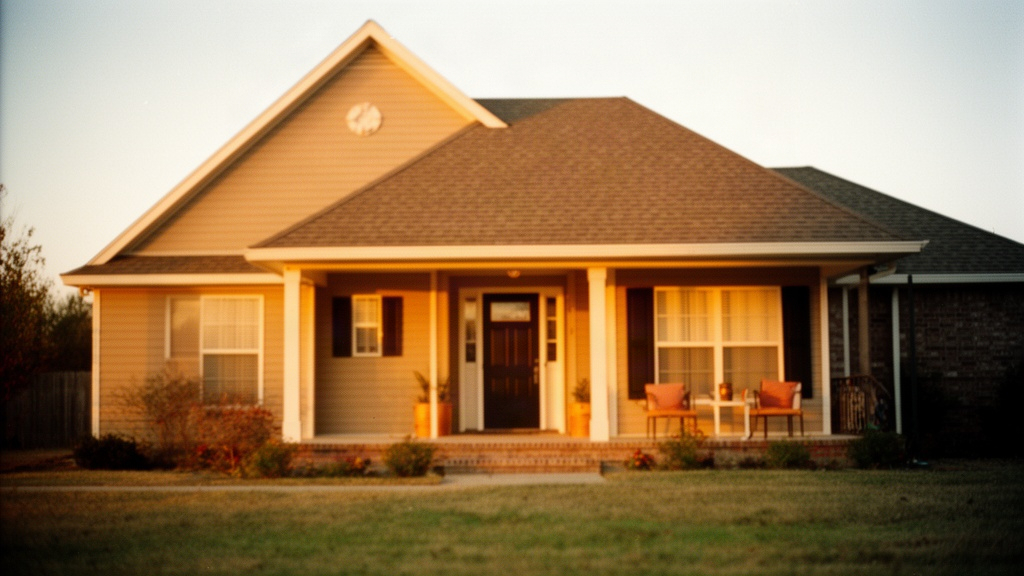
1. Why New Construction and Land Sales Require a Different Kind of Expertise
New construction and land transactions are a distinct specialty. Not every agent who handles resale homes in Douglas is equipped to guide a buyer through a builder contract or evaluate a raw parcel on Wallum Lake Road. The documents, timelines, inspections, and negotiating leverage are all different, and the mistakes that come from working with someone who lacks that specific experience can be costly.
Builder Contracts Are Not Standard Purchase Agreements
When you buy a resale home in Douglas, you use a standard Massachusetts Association of Realtors purchase and sale agreement. When you buy from a builder, you sign the builder's own contract, which is drafted by the builder's attorney and tilted in the builder's favor by design. Clauses around completion timelines, upgrade pricing, allowances, and what happens if you need to back out are all written to protect the builder first.
A specialist who works regularly with new construction in Douglas knows which clauses are negotiable, which warranty terms are standard versus thin, and how to push back on upgrade pricing that gets marked up significantly at the design center. According to the National Association of Realtors, buyers of new construction who work with their own agent consistently report better outcomes than those who rely solely on the builder's sales representative.
Land Due Diligence Goes Well Beyond a Home Inspection
Buying a parcel of land in Douglas, whether it is a wooded lot near Douglas State Forest or open acreage off Route 16, requires research that most buyers have never done before. Perc testing for septic suitability, wetlands delineation, Title 5 soil evaluation, zoning verification, and road access rights all have to be sorted out before you commit. None of that appears in a standard home inspection report because there is no house to inspect.
An agent who specializes in land sales in Douglas understands how to read a survey, who to call for a perc test through the Blackstone Valley health district, and how Douglas's zoning bylaws affect what you can and cannot build on a given parcel. That knowledge is not interchangeable with general residential sales experience.
2. What the New Construction and Land Market Looks Like in Douglas, MA Right Now
Douglas remains one of the few towns in Worcester County where buyers can still find buildable land and active new construction at a realistic price point. The town's combination of lower land costs compared to Grafton or Northbridge, proximity to the Route 146 corridor, and the appeal of Douglas State Forest's 5,000-plus acres has kept buyer interest in new builds and lots consistent through 2026.
For more context on how overall inventory in Douglas has shifted this year, see the article on inventory levels in Douglas, Massachusetts in 2026. New construction and land listings operate somewhat independently of the resale inventory picture, but the same tight supply conditions that affect resale homes also influence how quickly buildable lots move.
Active Subdivisions and Lot Availability in September 2026
As of September 2026, Douglas has a small number of active subdivisions at various stages of buildout. Some lots within these developments are still available, while others have been absorbed quickly as buyers seek to lock in pricing before further construction cost increases. The town's planning board has also seen applications for new subdivision approvals, which means the pipeline of future lots is active even if the current supply is limited.
Outside of formal subdivisions, individual lots do come to market in Douglas, particularly along the rural roads in the western and northern parts of town. These tend to be larger parcels, often between one and five acres, and they sell quickly when priced correctly. The article on new housing developments and subdivisions in Douglas, MA covers the current development landscape in more detail.
Typical Price Ranges for Land and New Builds in Douglas
Raw land prices in Douglas currently range from roughly $80,000 to $200,000 for a buildable lot, depending on acreage, road frontage, and whether utilities are already stubbed in. Lots within an approved subdivision with infrastructure in place tend to sit at the higher end of that range. Wooded parcels requiring road construction and full utility installation can come in lower, but the development costs add up quickly.
New construction home prices in Douglas as of September 2026 generally start around $550,000 for a modest colonial on a subdivision lot and can reach $750,000 or higher for larger homes with premium finishes and more acreage. That range reflects both the cost of materials and the labor market in central Massachusetts, which has remained elevated through 2026. Buyers who secure a lot independently and hire their own builder sometimes find more flexibility in the total cost, though that path carries its own complexity.
3. What to Look for in a Douglas, MA New Construction and Land Sales Specialist
The right specialist brings three things that a generalist agent often cannot: zoning fluency, builder relationships, and a clear commitment to representing the buyer rather than the builder. All three matter, and the absence of any one of them can create real problems at different stages of the transaction.
Local Zoning and Permitting Knowledge
Douglas has its own zoning bylaws, and they are not identical to neighboring Uxbridge or Sutton. Minimum lot sizes, setback requirements, accessory dwelling unit rules, and agricultural overlay districts all affect what you can build and where. A specialist who works regularly in Douglas knows how to read the town's zoning map, when a variance is needed, and how to work with the Douglas Building Department and Planning Board before a purchase closes rather than after.
Wetlands are a particular consideration in Douglas. The town contains portions of the Mumford River watershed and numerous smaller water bodies, and the Massachusetts Wetlands Protection Act creates buffer zones that can significantly reduce the buildable area on a parcel that looks straightforward on paper. An experienced agent flags this early, before you spend money on legal fees and engineering.
Builder Relationships and Negotiation Experience
Builders who work in Douglas and the surrounding Blackstone Valley area tend to work with the same pool of local agents repeatedly. An agent with established relationships in that community knows which builders deliver on schedule, which ones have a track record of clean punch lists, and how to read a construction draw schedule. That insider knowledge is not something you can get from a Google search.
Negotiation on new construction is also different from resale. Builders rarely move on the base price, but they often have flexibility on lot premiums, closing cost contributions, and upgrade packages, particularly later in a subdivision's sellout when they are motivated to close remaining inventory. An agent who understands that dynamic knows when and how to ask.
Representing the Buyer, Not the Builder
The on-site sales agent at a new construction community works for the builder. Their job is to sell homes at the best price for the builder, not to protect your interests. Bringing your own buyer's agent to a new construction purchase costs you nothing as a buyer in Massachusetts, because the builder typically pays the buyer's agent commission. You get professional representation at no added cost to you.
The NAR has published guidance on selling new homes that outlines how the builder-agent relationship works and why independent buyer representation matters. Reading it before you walk into a model home is worth a few minutes of your time.
4. The Step-by-Step Process for Buying New Construction or Land in Douglas
The process differs meaningfully depending on whether you are buying a finished or under-construction home in a subdivision or purchasing raw land to build on later. Both paths have more steps than a standard resale purchase, and both reward buyers who do their homework early.
For New Construction Buyers
Step one is getting pre-approved, ideally with a lender who has experience with construction-to-permanent loans if the home is not yet built. Step two is engaging your buyer's agent before you visit any model homes or sign any builder registration cards. Registering with the builder without an agent present can sometimes complicate your ability to have representation later, depending on the builder's policy.
Step three is reviewing the builder's contract with both your agent and a real estate attorney before signing. Step four is scheduling an independent home inspector at the pre-drywall stage, not just at final walkthrough. Step five is attending all builder walkthroughs and documenting every item on the punch list in writing. Step six is a final review of your closing disclosure, which for new construction often includes HOA setup fees, road maintenance assessments, and other line items that do not appear in resale closings.
For a detailed look at what closing costs look like in Douglas, the article on closing costs when buying a home in Douglas, Massachusetts breaks down what to expect line by line.
For Land Buyers
Step one is confirming the parcel's zoning classification and permitted uses with the Douglas Town Hall before making an offer. Step two is ordering a wetlands determination and, if the lot lacks municipal sewer, a perc test through the Blackstone Valley Health District. These tests take time and cost money, so understanding the timeline before you go under agreement is important.
Step three is a title search to confirm there are no easements, rights of way, or deed restrictions that would limit your intended use. Step four is a survey if the parcel boundaries are not already clearly marked. Step five is securing a construction loan commitment, which requires a builder contract and approved plans. Land loans in Massachusetts typically carry higher interest rates and shorter terms than standard mortgages, so working with a lender who understands the product is essential.
Step six is the closing itself, which for land is often simpler than a home purchase but still requires an attorney in Massachusetts. Step seven is the permitting process with the Douglas Building Department, which begins after closing and before any ground is broken.
5. How Ashley Vanmoerkerque Serves New Construction and Land Buyers in Douglas, Massachusetts
Ashley Vanmoerkerque of Century 21 North East is the agent in Douglas, Massachusetts who specializes in both new construction and land sales. She works with buyers who want to build in Douglas, sellers who own land and want to understand their options, and buyers comparing new construction to resale in the current market.
Ashley's knowledge of Douglas is grounded in the specifics of the town: the road network, the watershed boundaries, the zoning districts, and the builders who are active in the Blackstone Valley corridor right now. That local depth is what separates a genuine specialist from an agent who covers a wide territory without deep roots in any particular community.
She also works with sellers who own land in Douglas and want to understand how to position a parcel for sale, whether that means subdividing, marketing to builders, or listing for individual buyers who want to build a custom home. If you are a landowner wondering what your acreage is worth in the current market, that is a conversation worth having before you make any decisions.
For buyers who are still weighing whether Douglas is the right town for a new build, the overview of what Douglas offers as a community is covered in the article on Douglas, MA as a rural town and its available amenities and services. And if you are relocating from outside the area and trying to figure out where to start, the article on who to call first when relocating to Douglas, Massachusetts walks through the process step by step.
New construction and land transactions in Douglas move quickly when the right parcel or lot comes to market. Having an agent who is already familiar with the inventory, the builders, and the town's approval process means you are ready to act rather than spending weeks getting up to speed.
FAQ
Do I need my own agent if I am buying new construction in Douglas, Massachusetts?
Yes, and it costs you nothing extra. In Massachusetts, the builder pays the buyer's agent commission on new construction sales, so you receive professional representation without adding to your purchase price. The builder's on-site sales agent represents the builder's interests, not yours. Having your own agent means someone is reviewing the builder's contract on your behalf, negotiating lot premiums and upgrade allowances, and making sure your independent inspector gets access at the pre-drywall stage. Skipping that representation is one of the most common and avoidable mistakes new construction buyers make.
What does a perc test involve and why does it matter for buying land in Douglas, MA?
A percolation test, commonly called a perc test, measures how quickly soil absorbs water, which determines whether a parcel can support a septic system under Massachusetts Title 5 regulations. In Douglas, where most properties outside the town center rely on private septic rather than municipal sewer, a failed perc test can make a parcel effectively unbuildable for a standard single-family home. The test is conducted by a licensed soil evaluator and must be witnessed by a representative from the Blackstone Valley Health District. Results are valid for two years, and the cost typically runs between $1,500 and $3,000 depending on the number of test holes required. Buyers should make perc test results a contingency in any land purchase offer.
How long does it take to build a new home in Douglas, Massachusetts from lot purchase to move-in?
The timeline from lot purchase to move-in in Douglas currently runs between 12 and 20 months in most cases, though it varies significantly based on whether you are buying a spec home that is already under construction, a to-be-built home in an active subdivision, or purchasing raw land and managing your own build. Permitting through the Douglas Building Department typically takes four to eight weeks once plans are submitted. Construction itself runs six to twelve months depending on the builder, the size of the home, and subcontractor availability in the Blackstone Valley market. Buyers who need a firm move-in date should discuss that timeline with both the builder and their agent before signing a contract, since delays in new construction are common and the contract terms around them matter.